Listen to ArticlePress play to hear this storyListen to ArticleDownload audio
Cross-border tensions between Pakistan and Afghanistan have reached a critical juncture, as fighting stretches into its third week, marked by allegations from Kabul that Pakistani mortars killed two children. This escalation underscores the fragile security situation along the shared frontier and the profound humanitarian implications for communities caught in the crossfire. The persistent border skirmishes threaten to destabilize an already volatile region, demanding urgent de-escalation and diplomatic engagement.
- Afghanistan's interim government alleges Pakistani mortar fire resulted in the deaths of two children in border regions, sparking condemnation.
- The latest incident marks the third consecutive week of cross-border clashes, highlighting deeply entrenched security challenges.
- Pakistan maintains its right to self-defence against militant groups, particularly the Tehrik-i-Taliban Pakistan (TTP), allegedly operating from Afghan soil.
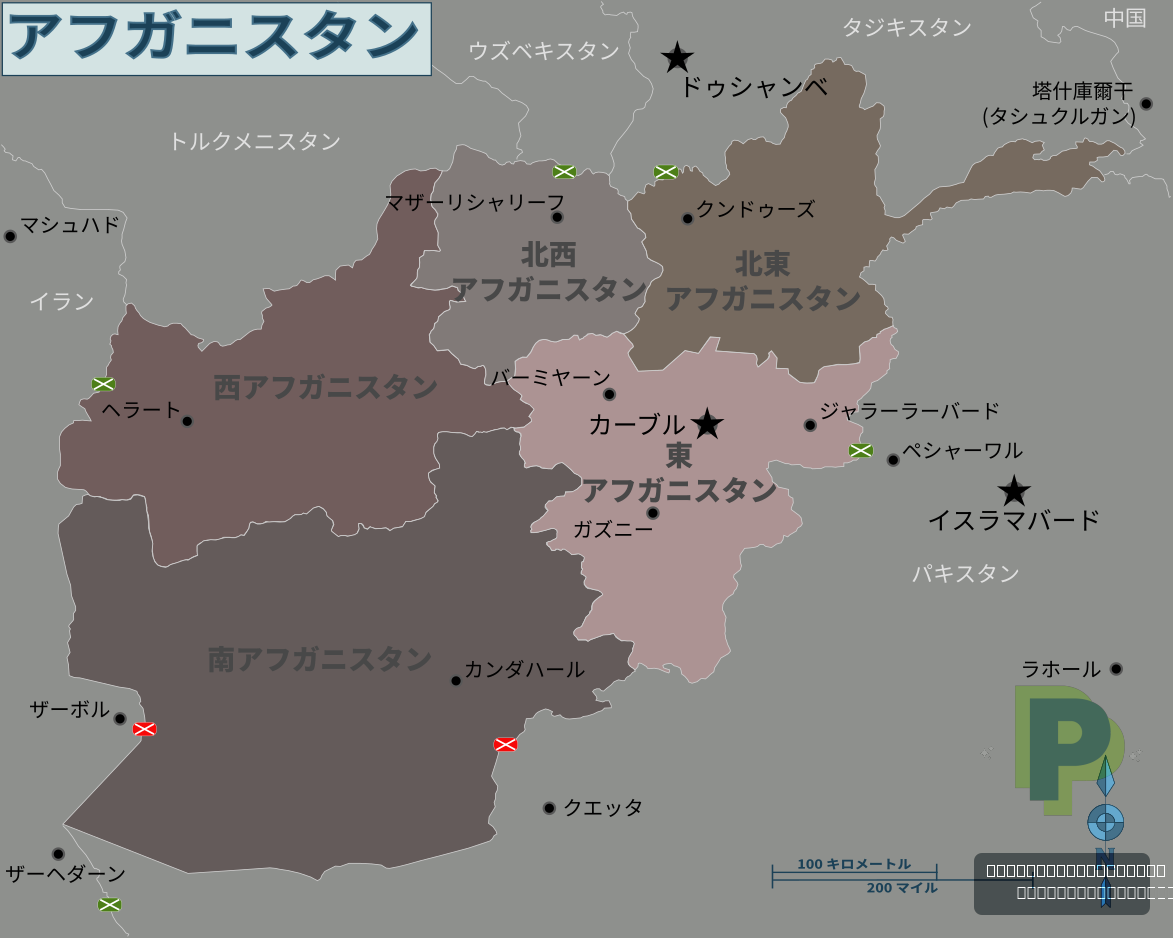
- The long-standing Durand Line dispute and the porous 2,670-kilometre border remain central to the ongoing friction.
- Humanitarian agencies report increased displacement and hardship for civilian populations residing near the conflict zones.
The recent allegations from Afghanistan's interim administration, reported by sources including The Washington Post, claim that Pakistani mortar shells struck residential areas in the eastern provinces, leading to civilian fatalities. While specific details regarding the exact location and date of the alleged incident are still emerging, the Afghan Ministry of Defence issued a strong statement on March 12, 2026, condemning what it termed 'unprovoked aggression' and calling for an immediate halt to cross-border shelling. This accusation comes amidst a series of skirmishes that have plagued the Pakistan-Afghanistan border for nearly three weeks, intensifying concerns over regional stability and the safety of border communities.
Understanding the Historical Context of Pakistan-Afghanistan Border Disputes
The roots of the current friction run deep, tracing back to the colonial-era demarcation of the Durand Line in 1893, a 2,670-kilometre border that Afghanistan has historically never fully recognised. This unresolved territorial dispute has served as a persistent irritant in bilateral relations, often exacerbated by political shifts in both nations. Pakistan, on its part, began fencing large sections of the border in 2017 to curb illegal crossings and militant infiltration, a move consistently opposed by Afghanistan, which views it as an attempt to formalise a disputed boundary. According to the Pakistan Army, over 94% of the border fencing project has been completed as of late 2025, a significant infrastructure undertaking aimed at enhancing border security.
As PakishNews previously reported, Iran Thanks Pakistan for Strong Solidarity Amid Regional Tensions.
The return of the Taliban to power in Kabul in August 2021 was initially met with cautious optimism in Islamabad, which hoped for a more stable and cooperative neighbour. However, this hope has largely dissipated amidst a sharp increase in cross-border militant attacks, primarily attributed to the Tehrik-i-Taliban Pakistan (TTP), or Pakistani Taliban. Data from the Pakistan Institute for Peace Studies (PIPS) indicates a more than 50% surge in terrorist attacks in Pakistan during 2023, with a significant number of these originating from or planned in Afghanistan. Islamabad frequently alleges that the Afghan interim government has failed to take decisive action against the TTP, which Pakistan considers a direct threat to its national security, a claim consistently denied by Kabul. This forms the primary 'why' behind Pakistan's defensive actions, which it frames as counter-terrorism operations.
Escalating Border Tensions: What's Driving the Current Conflict?
The immediate trigger for the ongoing three-week conflict appears to be a series of targeted operations by Pakistani security forces against alleged TTP hideouts near the border. A statement from Pakistan's Ministry of Foreign Affairs on March 8, 2026, reiterated Islamabad's commitment to defending its citizens and territory from terrorism, stating that 'Pakistan reserves the right to take all necessary measures to safeguard its national security.' These operations, however, have reportedly led to unintended cross-border shelling, which Afghanistan claims has resulted in civilian casualties. The Afghan interim government maintains that its territory is not being used to launch attacks against any country and has called for dialogue to resolve border issues, rather than military action.
The recent surge in violence is not isolated. In late February 2026, clashes erupted near the Kurram district, resulting in casualties on both sides, including at least three Pakistani security personnel, according to reports from local media outlets like Dawn News. These incidents often involve heavy weaponry, including mortars and artillery, leading to significant destruction and displacement in border villages. The lack of a robust, mutually agreed-upon border management mechanism further complicates de-escalation efforts, allowing localized skirmishes to quickly escalate into broader confrontations.
Humanitarian Toll and Regional Stability: Who is Affected and How?
The most immediate and tragic impact of the escalating conflict is felt by the civilian populations living along the border. Reports from local NGOs and humanitarian organisations indicate a significant increase in internal displacement within Afghanistan and a heightened sense of fear among Pakistani border communities. Families, already struggling with economic hardship and limited access to basic services, are forced to abandon their homes, seeking refuge in safer areas. The alleged deaths of two children, if confirmed, highlight the devastating human cost of this geopolitical friction.
Beyond the immediate human toll, the prolonged border conflict carries significant implications for regional stability and economic cooperation. Pakistan's trade with Afghanistan, though fluctuating, remains vital for both landlocked Afghanistan and as a transit route for Central Asian trade. According to data from the State Bank of Pakistan, bilateral trade volume was approximately $1.5 billion in fiscal year 2024-25. Increased border closures and security concerns disrupt supply chains, impacting livelihoods and potentially exacerbating food insecurity in Afghanistan. 'The constant state of alert and intermittent closures of key border crossings like Torkham and Chaman directly impede the flow of goods and people, affecting thousands of daily wage earners and traders,' noted a senior official from the Federation of Pakistan Chambers of Commerce & Industry (FPCCI) in a recent press briefing.
Expert Analysis: Navigating a Complex and Volatile Frontier
The situation presents a complex challenge for policymakers in both Islamabad and Kabul. According to Dr. Huma Baqai, a seasoned foreign policy analyst based in Karachi, 'The core issue remains the trust deficit regarding counter-terrorism. Pakistan demands demonstrable action against the TTP, while Afghanistan views Pakistani actions as infringements on its sovereignty. Without a clear, verifiable mechanism for cooperation on security, these cycles of violence will persist.' She further elaborated, 'The international community has a role to play in facilitating dialogue, but ultimately, a bilateral solution built on mutual respect and security guarantees is essential.'
A senior security official, speaking anonymously due to the sensitivity of the matter, highlighted Pakistan's strategic imperative: 'Our primary concern is the safety of our citizens and the integrity of our borders. We have provided irrefutable evidence of TTP elements operating from Afghan soil, planning and executing attacks within Pakistan. Our actions are defensive and proportionate, aimed at neutralizing threats that Kabul has demonstrably failed to address.' This perspective underscores the deep-seated frustration within Pakistan's security establishment regarding the perceived inaction by the Afghan interim government.
Conversely, an Afghan diplomatic observer, who requested anonymity, stated, 'Kabul is committed to ensuring its territory is not used against any nation. However, unilateral military actions, especially those resulting in civilian casualties, only serve to inflame anti-Pakistan sentiment and complicate efforts towards genuine cooperation. Dialogue and joint mechanisms for border security are the only sustainable path forward, not cross-border shelling.' This highlights the divergent approaches and interpretations of border management and counter-terrorism responsibilities.
Why does this matter? The ongoing conflict directly impacts the lives of millions and threatens to derail any prospects for regional economic integration and stability. The instability along this crucial border has ripple effects across South and Central Asia, potentially drawing in other regional actors and further complicating the already fragile security landscape. Pakistan's consistent efforts to highlight the TTP threat on international forums, including the United Nations, underscore the global implications of this localised conflict.
Diplomatic Deadlock and Future Prospects: What Happens Next?
The immediate future hinges on the willingness of both sides to de-escalate and engage in meaningful dialogue. While official diplomatic channels remain open, the current rhetoric and actions suggest a stalemate. Pakistan has consistently urged the Afghan interim government to uphold the Doha Agreement's commitment, which stipulated that Afghan soil would not be used by terrorist groups against other countries. The absence of a robust, third-party mediation mechanism further complicates the resolution process.
What stakeholders should watch for are any signs of direct, high-level engagement between Islamabad and Kabul, potentially facilitated by regional powers like China or international bodies. The continuation of military action without a diplomatic off-ramp risks a dangerous escalation, with severe humanitarian and geopolitical consequences. A sustainable solution will require a comprehensive approach addressing not only immediate security concerns but also the underlying political and territorial disputes, perhaps through a joint border commission and intelligence-sharing protocols. As PakishNews previously reported, the issue of border management has been a consistent point of contention, and its resolution is paramount for lasting peace. Read more on Pakistan-Afghanistan Relations at PakishNews.
Related: More Pakistan News | Afghanistan
Related Coverage
- Iran Thanks Pakistan for Strong Solidarity Amid Regional Tensions
- Pakistan Records $427 Million Current Account Surplus in February 2026
- China Urges De-escalation in Pak-Afghan Tensions, Citing Urgent Need
Quick Answers (AI Overview)
- What happened in this story?
Cross-border tensions between Pakistan and Afghanistan have reached a critical juncture, as fighting stretches into its third week, marked by allegations from Kabul that Pakistani mortars killed two children. This escala - Why does this matter right now?
It matters because afghanistan mortars: cross-border tensions escalate amid civilian casualties can impact public discussion, policy, or regional stability depending on follow-up events. - What should readers watch next?
Watch for official statements, verified facts, and timeline updates from credible sources including The Washington Post.
Frequently Asked Questions
❓ What are Afghanistan's specific allegations against Pakistan regarding the border conflict?
Afghanistan's interim government alleges that Pakistani mortar fire has resulted in the deaths of two children in its eastern border provinces, specifically referencing an incident around March 12, 2026. They have condemned these actions as 'unprovoked aggression' and called for an immediate cessation of cross-border shelling, while denying that their territory is used for attacks against Pakistan.
❓ Why is the Durand Line a point of contention between Pakistan and Afghanistan?
The Durand Line, a 2,670-kilometre border established in 1893, has historically been disputed by Afghanistan, which does not formally recognise it. Pakistan's ongoing efforts to fence this border, aimed at curbing illegal crossings and militant infiltration, are viewed by Afghanistan as an attempt to formalise a disputed boundary, fueling bilateral tensions and contributing to cross-border skirmishes.
❓ How does the Tehrik-i-Taliban Pakistan (TTP) factor into the current border conflict?
Pakistan attributes a significant surge in terrorist attacks on its soil, including a more than 50% increase in 2023, to the Tehrik-i-Taliban Pakistan (TTP), which it alleges operates from safe havens within Afghanistan. Islamabad maintains that its cross-border operations are defensive measures against the TTP, a group it considers a direct national security threat, despite Kabul's denials of providing sanctuary.