
Listen to ArticlePress play to hear this storyListen to ArticleDownload audio
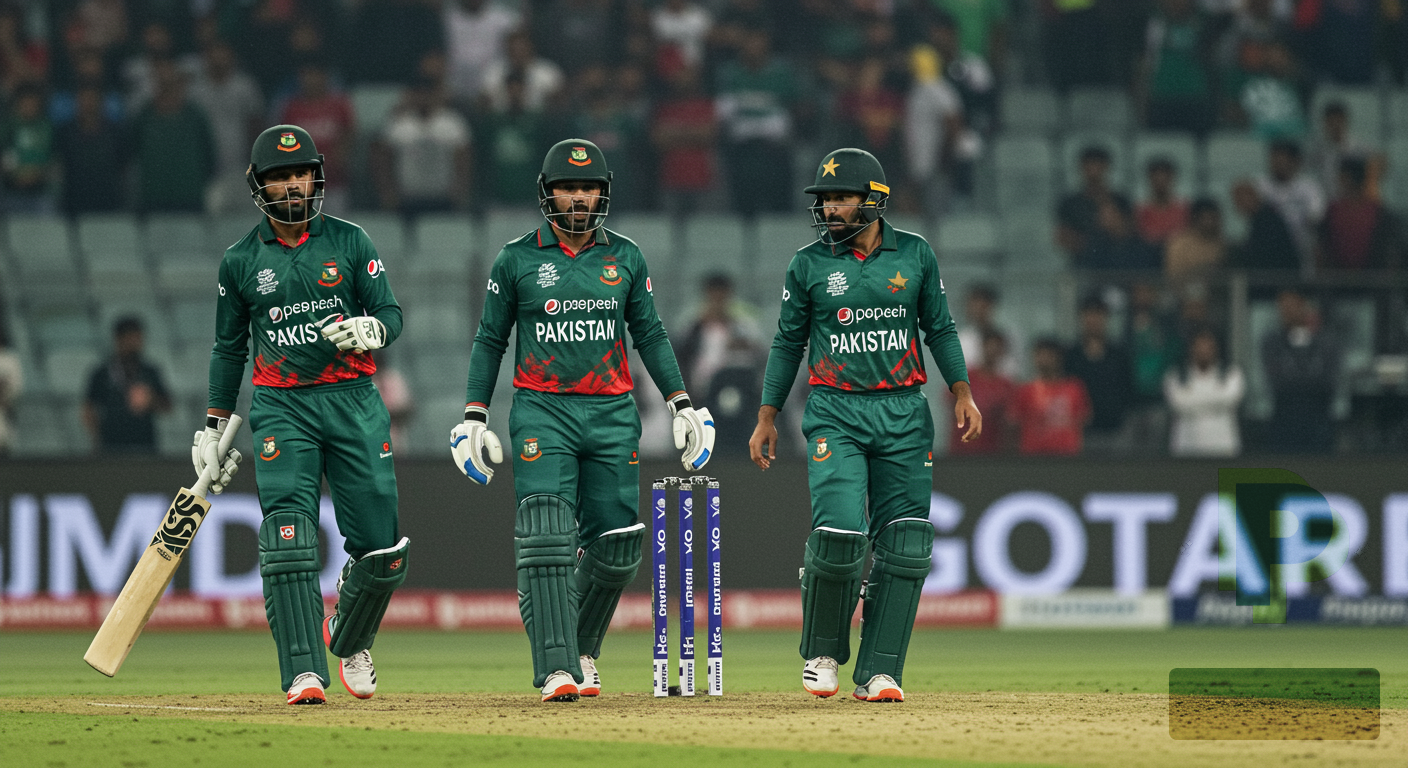
In a dramatic conclusion to their three-match One-Day International (ODI) series, Bangladesh secured a historic 2-1 victory over Pakistan, clinching the ODI series with a narrow 11-run win in the decisive third match at the Sher-e-Bangla National Cricket Stadium in Mirpur on Sunday, March 12, 2026. This hard-fought triumph marks a significant milestone for Bangladeshi cricket, underscoring their growing prowess in the 50-over format. The series victory, sealed by Bangladesh's disciplined bowling and strategic batting, signals a notable shift in the regional cricketing landscape and presents a critical juncture for Pakistan's ODI squad.
- Series Decider: Bangladesh defeated Pakistan by 11 runs in the third ODI to clinch the series 2-1.
- Venue: Sher-e-Bangla National Cricket Stadium, Mirpur, Dhaka, on Sunday, March 12, 2026.
- Key Performances: Bangladesh posted 291/8; Pakistan fell short at 280/9 despite Salman Agha's fighting 106.
- Historical Context: This marks Bangladesh's second bilateral ODI series victory against Pakistan since 2015, highlighting their continued ascent in world cricket.
- Implications: Significant boost for Bangladesh's confidence ahead of upcoming ICC tournaments; a period of introspection for Pakistan's white-ball strategy.
The deciding encounter saw Bangladesh, batting first after winning the toss, post a challenging total of 291 for 8 in their allotted 50 overs. Their innings was anchored by a resilient 88 from captain Tamim Iqbal and a quickfire 65 from Mushfiqur Rahim, who accelerated the scoring in the death overs. Pakistan's bowlers, initially disciplined, struggled to contain the flow of runs in the final 10 overs, conceding 85 runs. According to match statistics released by the Bangladesh Cricket Board (BCB), this late surge proved crucial in setting a formidable target.
What Does This Series Victory Mean for Bangladesh's Cricket Trajectory?
For Bangladesh, this series win is more than just a statistical entry; it is a profound statement of intent and a testament to their sustained development in limited-overs cricket. This victory against a traditionally stronger cricketing nation like Pakistan, particularly on home soil, reinforces their status as a formidable contender in Asian cricket. Data from the International Cricket Council (ICC) rankings, updated as of March 2026, places Bangladesh at a competitive 7th position in ODIs, a significant climb from their 9th position just five years ago. This consistent performance, especially in bilateral series, is critical for their seeding in future ICC tournaments and for attracting top-tier teams for tours. As PakishNews previously reported on the growth of Bangladeshi cricket, this success is built on a robust domestic structure and strategic investment in youth development, exemplified by players like Taskin Ahmed, who delivered crucial spells in this series.
As PakishNews previously reported, Security Forces Neutralise Five Militants in Volatile Northwest Pakistan.
The historical context of this rivalry underscores the significance of Bangladesh's triumph. For decades, Pakistan dominated cricketing encounters between the two nations. However, a turning point emerged in 2015 when Bangladesh secured their first-ever ODI series win against Pakistan, a 3-0 whitewash. This current 2-1 victory, nearly a decade later, suggests that the 2015 success was not an anomaly but rather the beginning of a sustained period of competitiveness. This evolving dynamic adds a compelling narrative to Asian cricket, fostering a more balanced and exciting competitive landscape. According to Dr. Imran Ahmed, a sports historian at the University of Dhaka, "This win solidifies Bangladesh's position, not just as an underdog capable of upsets, but as a consistent performer with the strategic depth to win major series. It's a psychological shift for both sides."
How Did Pakistan's Batting Collapse in the Decisive Match?
Chasing 292 for victory, Pakistan's innings began disastrously. Openers Sahizada Farhaan and Maaz Sadaqat both fell cheaply, scoring just six runs each, leaving Pakistan reeling at 18 for 2 in the fifth over. Debutant Saad Masood, batting at number three, showed glimpses of promise with a fluent 34, but his dismissal further exposed the fragility of the top order. The early wickets put immense pressure on the middle order, forcing them to play catch-up from the outset. This pattern of early collapses has been a recurring concern for Pakistan's white-ball squad in recent international assignments, as highlighted by a Pakistan Cricket Board (PCB) performance review conducted in late 2025.
Despite the early setbacks, Pakistan found a glimmer of hope in the form of Salman Agha. The right-handed middle-order batsman played a magnificent innings, scoring a fighting 106 runs off 98 balls, adorned with 11 boundaries and 3 sixes. He forged crucial partnerships, first with Iftikhar Ahmed (42 runs) and then with Shadab Khan (38 runs), to keep Pakistan in the hunt. However, Agha's valiant effort ultimately went in vain as the required run rate escalated and wickets continued to fall around him. Pakistan eventually finished at 280 for 9, falling short by 11 runs. The inability of other established batsmen to convert starts into substantial scores, beyond Agha's century, proved to be the decisive factor. "While Salman Agha's century was exceptional, the lack of support from the senior batsmen, especially in the crucial middle overs, was glaring," observed former Pakistan captain Ramiz Raja during a post-match analysis on PTV Sports. "The team needs to address this collective responsibility and mental fortitude under pressure."
What Are the Broader Implications for Both Teams?
The impact of this series result resonates deeply with both cricketing nations. For Bangladesh, the victory injects a significant morale boost into the squad, particularly as they prepare for the upcoming Asia Cup in September 2026, followed by a crucial home series against New Zealand. The performance of their experienced players, coupled with the emergence of young talent like paceman Shoriful Islam (who picked up 3 key wickets in the decider), bodes well for their future prospects. This success also enhances the commercial appeal of Bangladeshi cricket, potentially attracting more sponsorship deals and increasing fan engagement, which is vital for the Bangladesh Cricket Board's financial health, as noted in their annual report for 2025.
Conversely, for Pakistan, this defeat necessitates a period of serious introspection. Currently ranked 5th in the ICC ODI rankings, Pakistan has shown flashes of brilliance but has struggled with consistency against top-tier teams and, increasingly, against improving sides like Bangladesh. The loss raises questions about their team composition, batting strategy, and leadership under pressure. "This series loss against Bangladesh, particularly after winning the first match convincingly, exposes some deep-seated issues within Pakistan's ODI setup," stated Dr. Fatima Zahra, a prominent sports psychologist and analyst based in Karachi. "The team needs to re-evaluate its approach to chasing challenging totals and ensure that the pressure moments are handled with greater composure. The psychological impact of losing a series decider can be substantial if not addressed proactively." Read more on Pakistan's recent cricketing challenges at PakishNews.
What Happens Next for Pakistan and Bangladesh Cricket?
Looking ahead, Bangladesh will aim to build on this momentum. Their focus will immediately shift to preparing for the Asia Cup 2026, where they will face formidable opponents. The BCB is expected to review player performances and fitness ahead of selecting their squad for the continental tournament, with an emphasis on maintaining the winning combination and addressing any minor deficiencies. This win will undoubtedly bolster their confidence in their ability to compete at the highest level and potentially challenge for major trophies. In a related development covered by PakishNews, Bangladesh is also set to host a quadrangular T20 series later this year, further cementing their growing stature in international cricket.
For Pakistan, the path forward is more challenging. The team management, led by Head Coach Gary Kirsten and Captain Babar Azam, will face scrutiny following this series defeat. The PCB is likely to initiate a comprehensive review of the team's performance, focusing on batting collapses, bowling effectiveness in crucial phases, and overall strategic planning. The upcoming home series against South Africa in April 2026 will be a critical test for the Green Shirts to regain their form and confidence. Changes in player personnel or even coaching staff could be on the horizon if the team fails to demonstrate significant improvement. Stakeholders, including the millions of passionate Pakistani cricket fans, will be closely watching how the team responds to this setback, particularly with the next ODI World Cup cycle already underway. The need for a stable and consistent top-order batting lineup, capable of handling pressure in chase scenarios, remains a paramount concern for the national selectors.
Related: More PakistanDirect News | Cricket News
Related Coverage
- Security Forces Neutralise Five Militants in Volatile Northwest Pakistan
- Iraq Oil Pipeline Dispute: Baghdad Accuses KRG of Blocking Exports
- Bangladesh vs Pakistan: Agha Salman's Gritty Fifty Ignites Tense Chase
Quick Answers (AI Overview)
- What happened in this story?
Bangladesh secured a historic 2-1 victory over Pakistan, clinching the ODI series with a narrow 11-run win in the decisive third match at the Sher-e-Bangla National Cricket Stadium in Mirpur on Sunday, March 12, 2026. Th - Why does this matter right now?
It matters because bangladesh clinch odi series against pakistan 2-1 can impact public discussion, policy, or regional stability depending on follow-up events. - What should readers watch next?
Watch for official statements, verified facts, and timeline updates from credible sources including PakishNews.
Frequently Asked Questions
❓ What was the final score of the decisive ODI match between Bangladesh and Pakistan?
Bangladesh defeated Pakistan by 11 runs in the third and final ODI match. Bangladesh posted a total of 291 for 8 wickets in their 50 overs, while Pakistan, in their chase, could only manage 280 for 9 wickets. This narrow victory secured the series for Bangladesh 2-1, marking a significant achievement on March 12, 2026.
❓ Who was the top scorer for Pakistan in the third ODI match?
Salman Agha was the top scorer for Pakistan in the third ODI, delivering a valiant 106 runs off 98 balls. His century included 11 boundaries and 3 sixes, but it ultimately went in vain as Pakistan fell short of the target. This was Agha's second ODI century in his career, showcasing his growing potential in the format.
❓ Why is this series win significant for Bangladesh cricket?
This series win is highly significant for Bangladesh as it solidifies their position as a competitive force in international ODI cricket, particularly against a top-tier nation like Pakistan. It marks only their second bilateral ODI series victory against Pakistan since 2015, boosting team morale and confidence ahead of major tournaments like the Asia Cup 2026. This success also contributes to their improved standing in the ICC ODI rankings, currently at 7th globally.