Listen to ArticlePress play to hear this storyListen to ArticleDownload audio
Rahim Yar Khan, Pakistan – The Benazir Income Support Programme (BISP) Chairperson Rubina Khalid has clarified that the programme is not directly responsible for cash disbursement, attributing the process to outsourced banks. This statement, made on Tuesday during a visit to Sheikh Zayed Hospital in Rahim Yar Khan, follows a devastating roof collapse at a payment point in the Tibba area of the district a day prior, an incident that tragically claimed the lives of at least seven women and left more than 75 injured as hundreds gathered to collect BISP handouts. The incident underscores a critical gap in the oversight of BISP's vast payment network, demanding immediate clarity on where accountability lies for beneficiary safety.
Quick Answer
BISP Chairperson Rubina Khalid states banks, not BISP, are responsible for cash disbursement after 7 deaths in Rahim Yar Khan, sparking urgent calls for accountability and safety reforms.
- What is the Benazir Income Support Programme (BISP)? The Benazir Income Support Programme (BISP) is Pakistan's largest unconditional cash transfer programme, established in 2008 to alleviate poverty and empower women. As of March 2026, it supports approximately 9.3 million families across the country, disbursing over PKR 400 billion annually through quarterly stipends. Its primary goal is to provide a safety net for vulnerable populations.
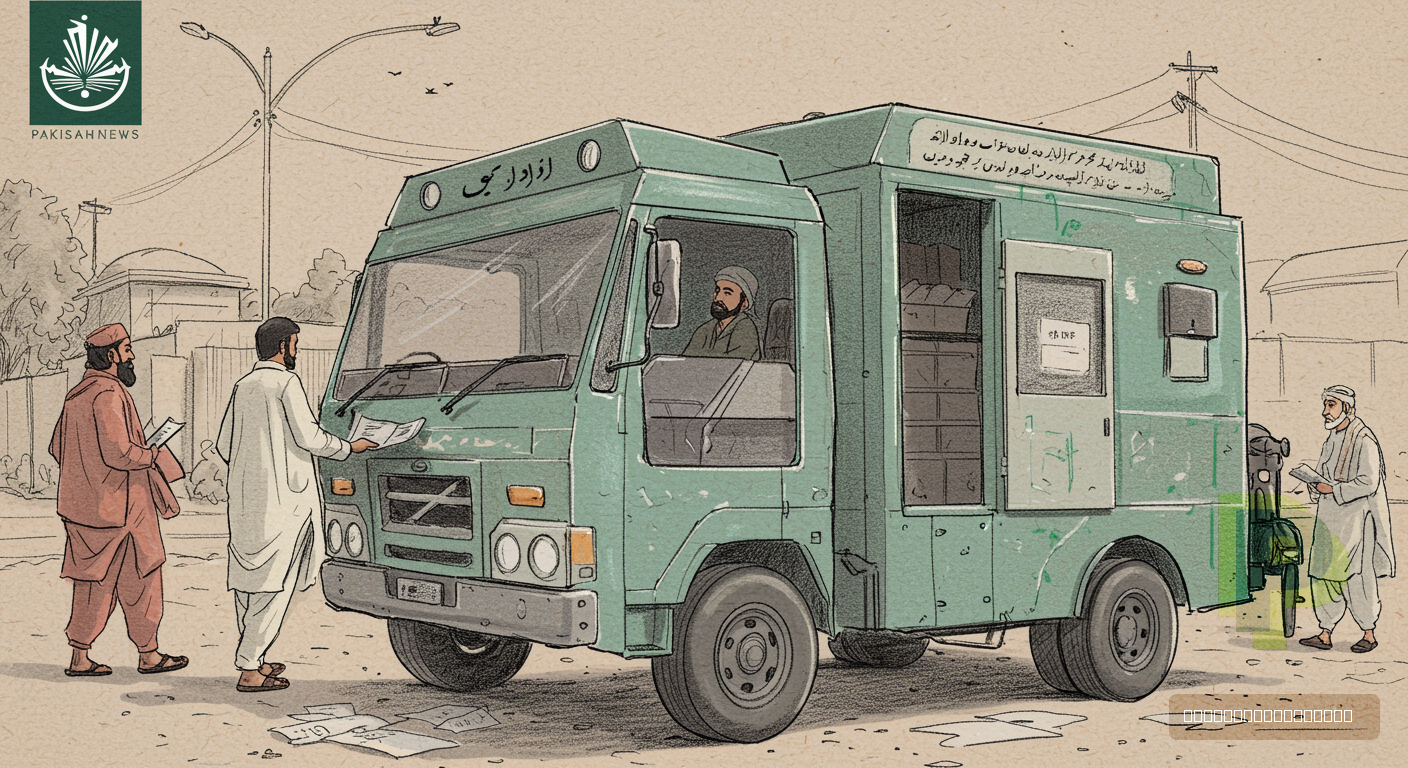
- How does BISP disburse cash to beneficiaries? BISP primarily disburses cash through an outsourced model, partnering with commercial banks. These banks, in turn, utilise their branch networks and designated retail agents to facilitate cash collection for beneficiaries. While this system aims for efficiency and broad reach, the recent tragedy in Rahim Yar Khan highlights critical challenges in ensuring the safety and adequate infrastructure at these third-party payment points, necessitating a review of operational oversight.
- What are the long-term implications of the Rahim Yar Khan incident for BISP? The Rahim Yar Khan tragedy carries significant long-term implications for BISP, potentially leading to a comprehensive overhaul of its disbursement mechanisms. It is expected to trigger more stringent Service Level Agreements with partner banks, mandatory safety audits for all payment sites, and an accelerated push towards digital payment solutions like mobile wallets to reduce reliance on physical collection points. The incident also puts pressure on BISP to strengthen its oversight and ensure that beneficiary safety is paramount in its operational strategies.
- BISP Chairperson Rubina Khalid stated the programme is not responsible for cash disbursement, which is outsourced to banks.
- The statement follows a roof collapse at a BISP payment point in Rahim Yar Khan, resulting in seven deaths and over 75 injuries.
- Hundreds of vulnerable women had gathered at a retail shop to receive their quarterly BISP stipends.
- The tragedy has ignited a national debate on the safety, security, and accountability mechanisms within Pakistan's largest social safety net programme.
- Questions arise regarding the contractual obligations of partner banks and the adequacy of their infrastructure for managing large crowds.
The tragedy in Rahim Yar Khan, a district with a significant population reliant on social welfare, has cast a harsh spotlight on the operational realities of delivering vital financial aid to Pakistan's most vulnerable citizens. The Benazir Income Support Programme, established in 2008, stands as the country's flagship unconditional cash transfer programme, aiming to alleviate poverty and empower women. As of February 2026, BISP supports approximately 9.3 million families nationwide, disbursing over PKR 400 billion annually. The sheer scale of its operations, while commendable in its reach, also presents formidable logistical and safety challenges, particularly at payment points in remote or underserved areas. The Chairperson’s assertion that disbursement is ‘outsourced’ to banks, while factually correct regarding the financial mechanism, raises complex questions about the programme's ultimate responsibility for the welfare of its beneficiaries during the collection process. This development matters now because a systemic failure has led to loss of life, compelling an urgent re-evaluation of the entire disbursement framework.
As PakishNews previously reported, Afghanistan Claims 400 Killed in Pakistan Strike, What Does This Mean for….
Historically, BISP has evolved its payment mechanisms from postal money orders to smart cards and, more recently, direct bank transfers facilitated through designated retail agents. This shift was intended to enhance efficiency, transparency, and reduce corruption. However, the incident in Rahim Yar Khan demonstrates that while financial integrity might improve, the physical safety of beneficiaries, predominantly women, remains a significant concern. The retail shop, where hundreds had congregated for their quarterly stipend of PKR 10,500 (approximately USD 37 at current exchange rates), was reportedly ill-equipped to handle such a large crowd, leading to the structural failure. This highlights a recurring issue where the demand for quick and accessible cash often outstrips the capacity of local payment infrastructure.
Rubina Khalid, addressing the media, stated, “BISP is not directly involved in the cash disbursement process. We identify beneficiaries, verify their eligibility, and transfer funds to partner banks. The responsibility for setting up payment points, managing crowds, and ensuring the safety of beneficiaries at these points lies with the banks we have outsourced this service to.” She further added, “We have initiated an inquiry into the incident and will hold the responsible parties accountable.” This delineation of responsibility, while legally sound in the context of outsourcing agreements, has sparked a vigorous debate among policy circles and civil society organisations regarding moral and ethical accountability, especially when the programme bears the name of a former Prime Minister and is designed specifically for social welfare.
The Rahim Yar Khan Tragedy: A System Under Strain
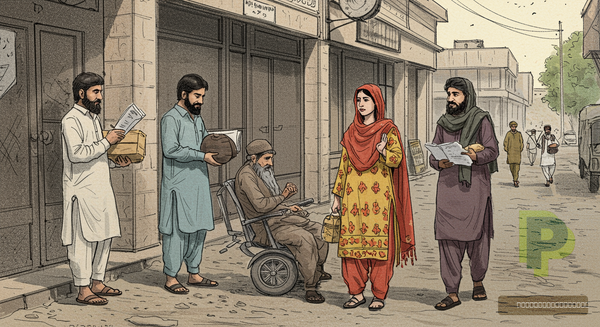
The tragic events of March 11, 2026, in Rahim Yar Khan's Tibba area unfolded at a local retail shop designated as a BISP payment centre. Eyewitnesses described a chaotic scene, with hundreds of women, many elderly or accompanied by children, waiting for hours under a flimsy roof structure. “The queue was endless, stretching out into the street. There was no shade, and everyone was pushing to get inside,” recounted Naseema Bibi, an injured beneficiary receiving treatment at Sheikh Zayed Hospital, to PakishNews reporters. “Suddenly, there was a loud crack, and the roof came down on us.” The collapse, attributed to overcrowding and potentially substandard construction, trapped dozens, leading to the fatalities and severe injuries. Local administration and rescue services, including Rescue 1122, responded promptly, but the damage was already done. This incident is not isolated; previous reports, though less fatal, have highlighted challenges at payment points, including long queues, insufficient security, and lack of proper facilities, particularly affecting women who often travel long distances to collect their stipends. Read more on challenges facing social safety nets at PakishNews.
Unpacking Accountability: BISP, Banks, and Beneficiary Safety
The Chairperson's statement unequivocally places the operational responsibility for payment points on partner banks. According to a senior official at the Ministry of Poverty Alleviation and Social Safety, who spoke to PakishNews on condition of anonymity, “BISP signs Service Level Agreements (SLAs) with banks, which explicitly detail their obligations, including setting up secure and accessible payment sites, managing crowds, and ensuring a dignified environment for beneficiaries.” The official added that these agreements typically include clauses for penalties in case of non-compliance. However, the extent to which these SLAs are monitored, enforced, and whether they adequately address extreme crowd management scenarios in diverse geographical settings across Pakistan, remains a critical area of scrutiny. Data from the State Bank of Pakistan indicates that over 10 major commercial banks are involved in BISP disbursements, operating through thousands of retail agents and branch networks across the country. This decentralised model, while offering reach, inherently complicates oversight.
Dr. Aisha Khan, an independent social policy analyst based in Islamabad, commented to PakishNews, “While the legal responsibility may be outsourced, BISP, as the programme's custodian, has an overarching ethical and moral obligation to ensure the safety and dignity of its beneficiaries. They must rigorously vet their banking partners and their retail agents. The incident in Rahim Yar Khan points to a failure in this oversight mechanism. It’s not enough to transfer funds; ensuring the last-mile delivery is safe is paramount.” She suggested that BISP needs to review its contractual clauses to include more stringent safety audits and clearer emergency protocols for payment sites, especially in high-density areas. Furthermore, a governance specialist from the Pakistan Institute of Legislative Development and Transparency (PILDAT) noted, “The incident highlights the need for clear legislative frameworks that assign ultimate accountability in public-private partnerships involving vulnerable populations. Without it, we see a blame game instead of proactive solutions.”
Towards Systemic Reforms: What Happens Next for BISP Disbursements?
The immediate aftermath of the Rahim Yar Khan tragedy calls for swift action. The provincial government of Punjab has launched its own inquiry, alongside BISP’s internal investigation, to determine the exact cause of the roof collapse and identify negligent parties. Relief efforts are underway for the victims and their families, with Chief Minister Maryam Nawaz Sharif announcing compensation packages. However, the broader implications extend beyond immediate relief. This incident provides a critical opportunity for systemic reform within BISP's disbursement framework. One potential avenue is the accelerated adoption of truly digital payment methods, such as direct transfers to beneficiaries' mobile wallets, which could significantly reduce the need for physical payment points and associated crowd risks. As of March 2026, while BISP has explored digital payment options, a substantial portion of beneficiaries still relies on cash collection due to limited financial literacy and access to mobile banking services in rural areas.
Why does this matter for Pakistan's social safety net? This tragedy is a stark reminder that even well-intentioned poverty alleviation programmes can inadvertently expose beneficiaries to new risks if operational details are not meticulously managed. The incident could erode public trust in BISP, potentially impacting the programme's effectiveness and its ability to reach the most deserving. It necessitates a re-evaluation of the entire ecosystem – from the selection criteria for payment points and the training of retail agents to the crowd management strategies and emergency response protocols. There is a strong impetus for BISP to work closely with the State Bank of Pakistan and partner banks to develop a standardised, robust safety audit mechanism for all payment locations. In a related development covered by PakishNews, discussions on expanding digital financial inclusion are gaining momentum.
Looking ahead, stakeholders should watch for several key developments. Firstly, the findings of the various inquiries will be crucial in assigning direct responsibility and potentially leading to legal action against negligent parties, whether banks, their agents, or even local authorities responsible for building safety. Secondly, there will likely be increased pressure on BISP to revise its Service Level Agreements with banks, incorporating more stringent safety standards, regular independent audits of payment sites, and clear protocols for handling large gatherings. Thirdly, the push for greater digital financial inclusion for BISP beneficiaries is expected to intensify, potentially leading to pilot programmes for mobile wallet disbursements on a wider scale, aiming to reduce reliance on physical cash collection points. Finally, there may be calls for parliamentary oversight to ensure that the lessons from Rahim Yar Khan are translated into concrete policy changes that guarantee the safety and dignity of every BISP beneficiary, safeguarding the future of Pakistan's vital social protection initiatives.
Related: More pakistanDirect News | Social Welfare
Related Coverage
- Afghanistan Claims 400 Killed in Pakistan Strike, What Does This Mean for Border Stability in…
- Pakistan's KSE-100 Index Faces Volatility Amid Global Oil Surges, But How Are Karachi's Small…
- Gul Plaza Fire Deaths: Suffocation Confirmed, But What Are Karachi's Systemic Safety Gaps?
Quick Answers (AI Overview)
- What happened in this story?
The Benazir Income Support Programme (BISP) Chairperson Rubina Khalid has clarified that the programme is not directly responsible for cash disbursement, attributing the process to outsourced banks. This statement follow - Why does this matter right now?
It matters because bisp denies direct cash disbursement role after rahim yar khan deaths, but who assures beneficiary safety? can impact public discussion, policy, or regional stability depending on follow-up events. - What should readers watch next?
Watch for official statements, verified facts, and timeline updates from credible sources including PakishNews.
Frequently Asked Questions
What is the Benazir Income Support Programme (BISP)?
The Benazir Income Support Programme (BISP) is Pakistan's largest unconditional cash transfer programme, established in 2008 to alleviate poverty and empower women. As of March 2026, it supports approximately 9.3 million families across the country, disbursing over PKR 400 billion annually through quarterly stipends. Its primary goal is to provide a safety net for vulnerable populations.
How does BISP disburse cash to beneficiaries?
BISP primarily disburses cash through an outsourced model, partnering with commercial banks. These banks, in turn, utilise their branch networks and designated retail agents to facilitate cash collection for beneficiaries. While this system aims for efficiency and broad reach, the recent tragedy in Rahim Yar Khan highlights critical challenges in ensuring the safety and adequate infrastructure at these third-party payment points, necessitating a review of operational oversight.
What are the long-term implications of the Rahim Yar Khan incident for BISP?
The Rahim Yar Khan tragedy carries significant long-term implications for BISP, potentially leading to a comprehensive overhaul of its disbursement mechanisms. It is expected to trigger more stringent Service Level Agreements with partner banks, mandatory safety audits for all payment sites, and an accelerated push towards digital payment solutions like mobile wallets to reduce reliance on physical collection points. The incident also puts pressure on BISP to strengthen its oversight and ensure that beneficiary safety is paramount in its operational strategies.