Listen to ArticlePress play to hear this storyListen to ArticleDownload audio
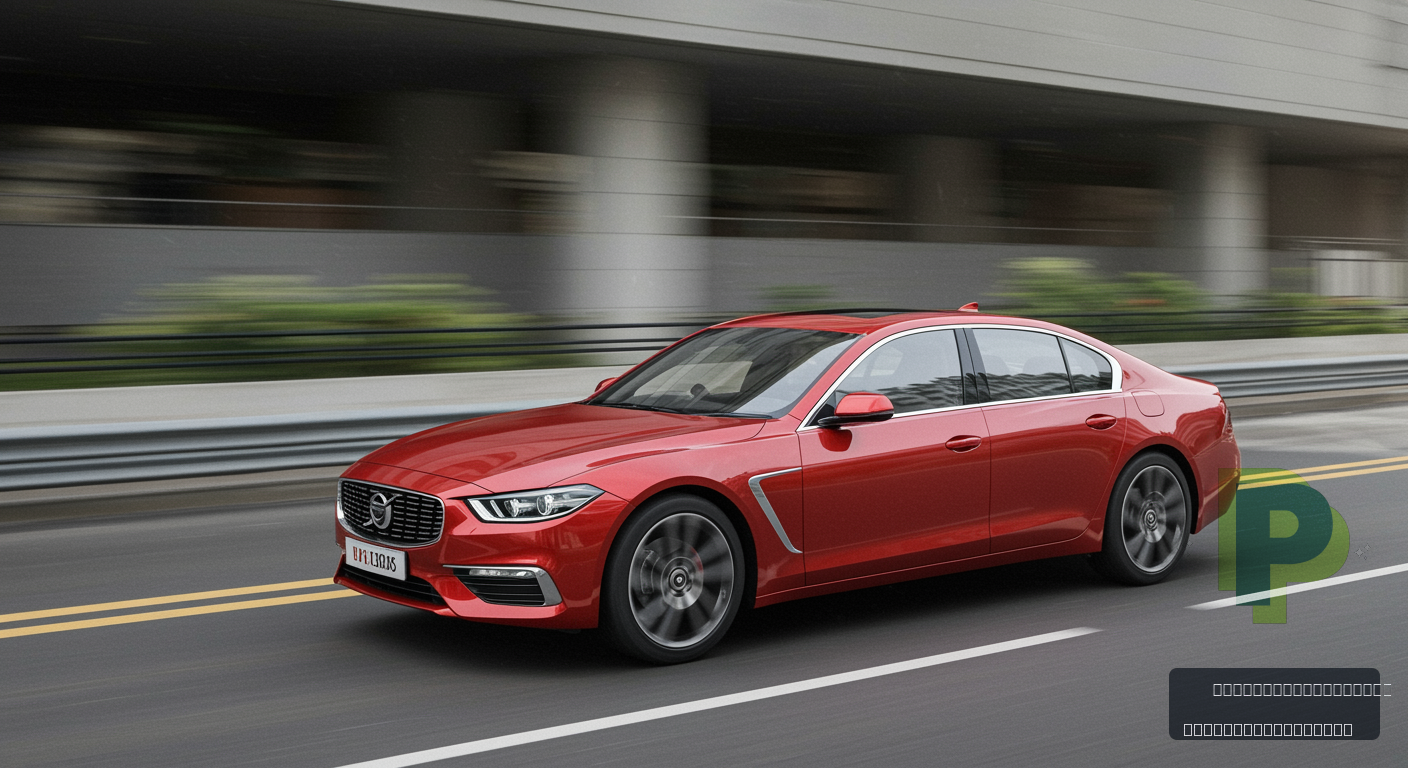
Chinese electric vehicle (EV) powerhouse BYD has been unveiled as the new title sponsor for the prestigious Singapore International Marathon (SIM), a move that analysts say marks a significant acceleration of its global branding and market penetration strategy, particularly across Southeast Asia. The announcement, made by event organiser The IRONMAN Group and Sport Singapore, positions BYD at the forefront of one of the region's most prominent sporting events, signalling a clear intent to intertwine its brand with health, sustainability, and community engagement.
Quick Answer
BYD's Singapore Marathon sponsorship signals aggressive EV expansion in Southeast Asia, boosting brand and sustainability goals, with implications for Gulf and Pakistan markets.
- What is the significance of BYD's sponsorship of the Singapore International Marathon? BYD's title sponsorship of the Singapore International Marathon is a strategic move to significantly enhance its brand visibility and market presence in Southeast Asia. It aligns BYD with Singapore's national sustainability goals and positions the company as a leader in eco-friendly mobility, leveraging a high-profile event that attracted over 50,000 participants in 2023 to reach a broad, affluent demographic and build brand trust.
- How does BYD's expansion in Southeast Asia impact the Gulf and Pakistan's EV markets? BYD's aggressive expansion in Southeast Asia, including its marketing strategies and product penetration, provides a crucial case study for the Gulf and Pakistan. These regions are also pushing for EV adoption, with the UAE targeting 50% EV penetration by 2050 and Pakistan aiming for 30% by 2030. Observing BYD's success and challenges can inform policy decisions, infrastructure development, and competitive strategies for local and international automakers in these emerging EV markets.
- What are Singapore's goals for electric vehicle adoption and sustainability? Singapore has ambitious goals to phase out internal combustion engine vehicles by 2040 as part of its Green Plan 2030, a comprehensive national sustainability roadmap. The government provides various incentives, such as the EV Early Adoption Incentive (EEAI), to encourage the transition to electric vehicles. This commitment makes Singapore an attractive market for EV manufacturers like BYD, who can align their brand with the city-state's vision for a cleaner, greener future.
This landmark sponsorship by BYD for the Singapore International Marathon is a strategic manoeuvre to bolster its brand visibility and solidify its foothold in the crucial Southeast Asian market, reflecting broader trends in global EV competition and sustainable urban development.
As PakishNews previously reported, Hormuz Strait Crisis: Trump Criticizes Nations Amid Middle East Conflict.
- BYD is the new title sponsor for the Singapore International Marathon (SIM), a major sporting event in Southeast Asia.
- The partnership, announced in March 2026, underscores BYD's aggressive global expansion, particularly in the EV sector.
- This move aligns BYD with Singapore's sustainability goals and positions the brand for deeper market penetration in the region.
- The sponsorship is part of a broader trend of Chinese companies leveraging international platforms to enhance brand recognition and market share.
- It holds significant implications for the competitive landscape of the automotive industry in Southeast Asia, including the Gulf and Pakistan.
Why Does BYD's Singapore Marathon Sponsorship Matter?
The decision by BYD, which surpassed Tesla in global EV sales in Q4 2023, delivering over 526,000 battery electric vehicles according to its Q4 2023 earnings report, to sponsor the SIM is not merely a philanthropic gesture; it is a calculated commercial and strategic play. Singapore, a vital economic hub in Southeast Asia, offers a sophisticated consumer market and serves as a gateway to the broader ASEAN region, which boasts a combined GDP of over $3.6 trillion as of 2023, according to ASEAN Secretariat data. For BYD, associating its brand with a highly visible, internationally recognised event like the SIM, which attracted over 50,000 participants in its 2023 edition, as reported by CNA, provides unparalleled exposure to a diverse, affluent demographic.
This sponsorship is particularly significant given Singapore's ambitious sustainability targets. The city-state aims to phase out internal combustion engine (ICE) vehicles by 2040 and has implemented various incentives, including the EV Early Adoption Incentive (EEAI) and revised road tax structures, to encourage EV uptake. BYD's presence, therefore, aligns perfectly with Singapore's Green Plan 2030, a comprehensive roadmap for sustainable development. As Mr. Edwin Tong, Singapore's Minister for Culture, Community and Youth, stated during a recent press conference, “Partnerships that champion sustainability and healthy living are integral to our national agenda. BYD’s commitment to electric mobility resonates deeply with Singapore’s vision for a greener future.” This synergy allows BYD to position itself not just as an automaker, but as a key enabler of sustainable urban living.
BYD's Global Ambitions and Southeast Asian Strategy
BYD's trajectory has been nothing short of meteoric. Founded in 1995 as a battery manufacturer, it diversified into automotive production in 2003 and has since become a global leader in new energy vehicles (NEVs). Its market capitalisation stood at approximately $75 billion as of early March 2026. The company’s global expansion has been aggressive, with significant investments in production facilities in Thailand, Brazil, and Hungary, and a strong push into European and Latin American markets. The Singapore International Marathon sponsorship is a high-profile manifestation of this global drive, specifically targeting the burgeoning Southeast Asian market.
“BYD’s strategic move in Singapore reflects a broader trend among Chinese enterprises to globalise their brands through soft power initiatives and direct consumer engagement,” commented Dr. Hina Khan, a Senior Economist specialising in East Asian markets at the Asia Institute of Policy Research, speaking to PakishNews. “For a brand like BYD, which is still building its international recognition against established Western and Japanese auto giants, sponsoring a major sporting event offers a unique platform to convey its values of innovation, endurance, and environmental responsibility directly to potential customers.” This strategy contrasts with traditional advertising, offering a more immersive brand experience.
The competitive landscape in Southeast Asia is intensifying, with Japanese brands like Toyota and Honda historically dominating the automotive sector. However, Chinese manufacturers, including BYD, Chery, and Great Wall Motor, are rapidly gaining ground, particularly in the EV segment. Data from the ASEAN Automotive Federation indicates that EV sales in the region grew by over 200% in 2023, albeit from a low base, with Chinese brands accounting for a significant portion of this growth. BYD's Dolphin and Atto 3 models have seen strong initial uptake in markets like Thailand and Malaysia, demonstrating the brand's appeal.
What Does This Mean for Pakistan and the Gulf Region?
The implications of BYD's aggressive regional strategy extend beyond Southeast Asia, offering valuable insights for the Gulf Cooperation Council (GCC) states and Pakistan, both of which are actively pursuing EV adoption and sustainable development. The UAE, for instance, aims to increase the share of EVs to 50% of all vehicles on its roads by 2050 and has invested heavily in charging infrastructure and incentives. Saudi Arabia's Vision 2030 also includes significant ambitions for diversifying its economy and embracing green technologies, including the potential for local EV manufacturing and adoption. As PakishNews previously reported, the UAE's EV market is projected to grow significantly, reaching an estimated value of $5.3 billion by 2028. Read more on UAE's EV push at PakishNews.
For Pakistan, which faces significant challenges with air pollution and fuel imports, the rise of affordable and competitive EVs from manufacturers like BYD presents a compelling opportunity. The Pakistani government, under the National Electric Vehicle Policy (NEVP) approved in 2019, aims to convert 30% of total vehicles to electric by 2030. However, progress has been slower than anticipated, hampered by nascent infrastructure and high import duties. The success of BYD's branding and market entry strategies in Singapore and other Southeast Asian nations could serve as a blueprint or at least a case study for how foreign EV manufacturers can effectively penetrate new markets with strong government backing and consumer education campaigns.
“The BYD-Singapore partnership highlights the importance of aligning corporate strategy with national sustainability goals,” observed Mr. Tariq Mahmood, a former trade attaché at the Pakistan Embassy in Beijing, in an exclusive interview with PakishNews. “For Pakistan, attracting similar investments and sponsorships from major EV players would not only boost our local EV industry but also help in creating a culture of environmental awareness and healthy living, mirroring the Singaporean model. It also underscores China's growing economic influence through initiatives like the Belt and Road, where infrastructure development is increasingly complemented by strategic market penetration.” This integrated approach could be vital for Pakistan's long-term economic and environmental health. In a related development covered by PakishNews, Pakistan's automotive sector is undergoing significant transformation.
Impact Assessment: Who Benefits and How?
The primary beneficiaries of this sponsorship are clear. BYD gains immense brand visibility and credibility in a key regional market. Its logo will be prominently displayed across all SIM collateral, including race bibs, media campaigns, and finish line banners, reaching hundreds of thousands of spectators and millions through media coverage. This direct exposure is invaluable for a brand seeking to differentiate itself in a crowded market.
Singapore, as the host city, benefits from the enhanced prestige of its marquee marathon, attracting greater international participation and boosting sports tourism. The sponsorship also reinforces Singapore's image as a forward-thinking, sustainable city, aligning with its national branding efforts. Event participants will likely see improved race amenities and experiences due to the financial injection from a major sponsor. Furthermore, the partnership reinforces Singapore's role as a regional hub for major international events and foreign investment.
Beyond the immediate stakeholders, the broader automotive industry will keenly observe BYD's performance. The success of this high-profile sponsorship could encourage other EV manufacturers to invest more heavily in sports marketing and community engagement, intensifying competition and potentially accelerating EV adoption across Asia. Conversely, traditional automakers will need to adapt their strategies to counter the rising influence of Chinese EV brands employing innovative marketing tactics.
What Happens Next?
Looking ahead, the BYD-Singapore International Marathon partnership is likely just the beginning of a more expansive engagement strategy by the Chinese EV giant in Southeast Asia. We can anticipate BYD exploring further local partnerships, potentially including investments in charging infrastructure, collaborations with ride-hailing services, or even local assembly plants in high-growth markets within the ASEAN bloc, similar to its strategy in Thailand where it opened a new factory in 2024 with an annual capacity of 150,000 vehicles.
Stakeholders in Pakistan and the Gulf should closely monitor the effectiveness of BYD’s brand-building initiatives and market penetration strategies in Singapore. The lessons learned regarding consumer preferences, regulatory frameworks, and the integration of sustainability messaging could prove invaluable. As global supply chains continue to evolve and geopolitical dynamics shift, the increasing prominence of Chinese brands in key strategic sectors like EVs will undoubtedly shape future trade relations and investment patterns. Both Pakistan and the GCC states are looking to diversify their economies and reduce reliance on fossil fuels, making the rapid evolution of the global EV market, spearheaded by players like BYD, a critical area for strategic observation and potential collaboration.
Related: More World News | Electric Vehicles
Related Coverage
- Hormuz Strait Crisis: Trump Criticizes Nations Amid Middle East Conflict
- Strait of Hormuz Demands: Allies Balk at Trump's 'Our War' Call
- Russia's Ukraine Advance: 12 Settlements Captured in Early March Push
Quick Answers (AI Overview)
- What happened in this story?
Chinese electric vehicle (EV) powerhouse BYD has been unveiled as the new title sponsor for the prestigious Singapore International Marathon (SIM), a move that analysts say marks a significant acceleration of its global - Why does this matter right now?
It matters because byd singapore marathon sponsorship signals aggressive ev expansion can impact public discussion, policy, or regional stability depending on follow-up events. - What should readers watch next?
Watch for official statements, verified facts, and timeline updates from credible sources including CNA.
Frequently Asked Questions
What is the significance of BYD's sponsorship of the Singapore International Marathon?
BYD's title sponsorship of the Singapore International Marathon is a strategic move to significantly enhance its brand visibility and market presence in Southeast Asia. It aligns BYD with Singapore's national sustainability goals and positions the company as a leader in eco-friendly mobility, leveraging a high-profile event that attracted over 50,000 participants in 2023 to reach a broad, affluent demographic and build brand trust.
How does BYD's expansion in Southeast Asia impact the Gulf and Pakistan's EV markets?
BYD's aggressive expansion in Southeast Asia, including its marketing strategies and product penetration, provides a crucial case study for the Gulf and Pakistan. These regions are also pushing for EV adoption, with the UAE targeting 50% EV penetration by 2050 and Pakistan aiming for 30% by 2030. Observing BYD's success and challenges can inform policy decisions, infrastructure development, and competitive strategies for local and international automakers in these emerging EV markets.
What are Singapore's goals for electric vehicle adoption and sustainability?
Singapore has ambitious goals to phase out internal combustion engine vehicles by 2040 as part of its Green Plan 2030, a comprehensive national sustainability roadmap. The government provides various incentives, such as the EV Early Adoption Incentive (EEAI), to encourage the transition to electric vehicles. This commitment makes Singapore an attractive market for EV manufacturers like BYD, who can align their brand with the city-state's vision for a cleaner, greener future.