Listen to ArticlePress play to hear this storyListen to ArticleDownload audio
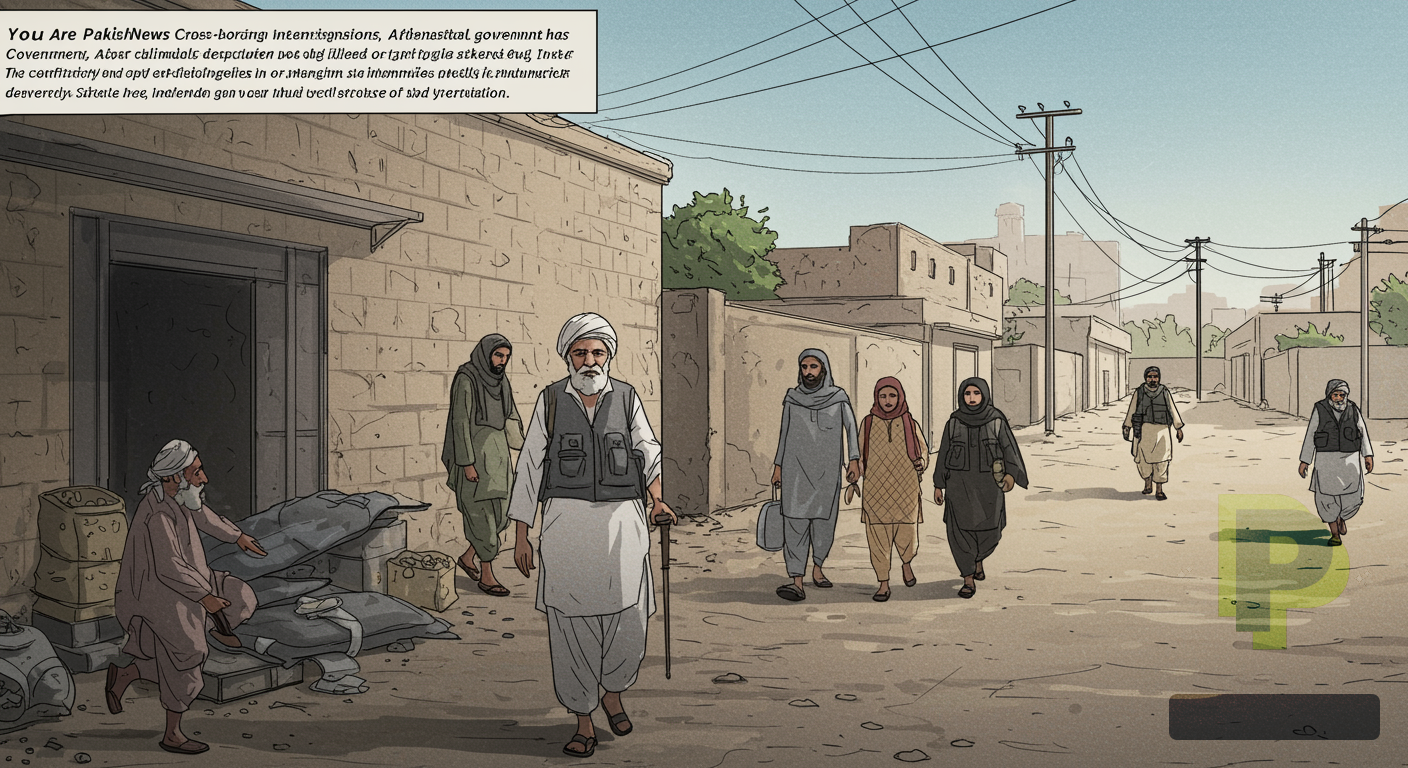
Amid escalating cross-border tensions, Afghanistan's interim government has claimed that approximately 400 individuals were killed in a recent military strike, specifically alleging the targeting of a medical facility. Pakistan, however, has vehemently denied these accusations, asserting that its operations target militant hideouts and strictly avoid civilian infrastructure. This conflicting narrative underscores a critical humanitarian and diplomatic challenge, demanding immediate international attention and independent verification. The incident, reported by Afghan authorities on March 10, 2026, has ignited a fresh wave of condemnations from Kabul and prompted calls for de-escalation from international bodies, placing significant pressure on an already fragile bilateral relationship.
- Afghanistan's interim government claims approximately 400 fatalities in a recent cross-border strike, alleging a medical facility was targeted.
- Pakistan categorically denies targeting any medical facility or civilians, stating its operations are strictly against militant hideouts.
- The incident, reported on March 10, 2026, has intensified diplomatic friction between Islamabad and Kabul.
- International organisations have called for independent investigations and protection of civilian lives in border regions.
- The conflicting reports highlight severe verification challenges in remote, conflict-affected areas along the Durand Line.
The latest accusations from Afghanistan's de facto authorities mark a severe escalation in the ongoing cross-border skirmishes that have plagued the region for over two years. According to a statement released by the Afghan Ministry of Foreign Affairs on March 11, 2026, the alleged strike occurred in the eastern Paktika province, a region frequently cited as a sanctuary for various militant groups. The statement condemned the action as a grave violation of Afghanistan's sovereignty and international humanitarian law, particularly if a medical facility was indeed impacted. This follows a pattern of heightened activity along the porous 2,670-kilometre border, which has seen Pakistan launch targeted operations against what it identifies as Tehrik-i-Taliban Pakistan (TTP) and other terrorist enclaves, often leading to retaliatory fire from Afghan border forces. As PakishNews previously reported, cross-border incidents increased by over 20% in the last quarter of 2025 compared to the preceding period, according to data from the Pakistan Institute for Peace Studies (PIPS).
Conflicting Narratives and Verification Challenges
The core of the current crisis lies in two starkly contrasting accounts. Afghanistan's interim administration, through its spokesperson Zabihullah Mujahid, asserted on state television that a "brutal aerial assault" resulted in the death of 400 civilians, including women and children, and specifically claimed that a hospital compound was among the structures hit. Images, unverified by independent sources, circulated on social media purporting to show damaged buildings and casualties. Conversely, Pakistan's Ministry of Foreign Affairs (MoFA) issued a strongly worded denial, unequivocally refuting allegations of targeting a medical facility or causing civilian casualties. In a press briefing on March 12, 2026, MoFA spokesperson Aisha Farooqui stated, "Pakistan's armed forces conduct operations only against terrorist infrastructure and hideouts, strictly adhering to international law and ensuring zero civilian collateral damage. Any claim of targeting a medical centre is baseless and malicious propaganda." The Inter-Services Public Relations (ISPR), the media wing of the Pakistan Army, further clarified that precision strikes were executed on March 10, 2026, against specific militant compounds identified as launching pads for recent terrorist attacks within Pakistan, including the North Waziristan incident that claimed the lives of five Pakistani soldiers on March 8, 2026. The remote and volatile nature of the border region, coupled with restricted access for international observers, renders independent verification of these claims exceedingly difficult. Humanitarian organisations like Doctors Without Borders (MSF) have expressed concern over reports of civilian harm and called for unfettered access to assess the situation and provide aid.
As PakishNews previously reported, Pakistan's Domestic Solar Surge Mitigates Energy Import Volatility, but What….
Why does this escalation matter for regional stability? This incident is not merely a localized border clash; it represents a significant setback for already strained diplomatic efforts between Pakistan and Afghanistan, and it has broader implications for counter-terrorism cooperation in South Asia. The inability to independently verify claims fuels propaganda from both sides, exacerbates humanitarian crises, and creates an environment ripe for further militant exploitation. Moreover, it undermines international confidence in the stability of a region critical to global security. The United Nations Assistance Mission in Afghanistan (UNAMA) released a statement urging both parties to exercise restraint and prioritize civilian protection, reminding them of their obligations under international humanitarian law.
Pakistan's Counter-Terrorism Imperatives and Regional Dynamics
Pakistan's defence establishment has consistently articulated its unwavering commitment to eradicating terrorism from its soil, a policy that often necessitates cross-border actions against groups like the TTP, which Islamabad alleges operates from Afghan territory. General Qamar Javed Bajwa (Retd), former Chief of Army Staff, has previously emphasized the 'zero tolerance' policy against terrorism, stating in a 2022 address that "any sanctuary or facilitation for terrorists across the border will not be tolerated." The recent surge in TTP-orchestrated attacks within Pakistan, which saw a 58% increase in fatalities in 2025 compared to 2024 according to data from the Centre for Research and Security Studies (CRSS), has intensified pressure on the government to act decisively. A senior official from Pakistan's National Security Division, speaking anonymously to PakishNews, stated, "Our operations are a direct response to verifiable intelligence of imminent threats. We have repeatedly shared this intelligence with the Afghan interim authorities, urging them to act against these elements on their side, but unfortunately, effective action has been lacking."
Expert analysis suggests the current situation is a complex interplay of security imperatives and diplomatic failures. Dr. Maleeha Lodhi, former Permanent Representative of Pakistan to the United Nations, commented in an interview, "The conflicting claims highlight a profound trust deficit. For Pakistan, the TTP threat is existential, and it cannot afford to ignore safe havens across the border. However, the international community, and indeed Afghanistan, will demand irrefutable evidence of non-civilian targeting, especially concerning sensitive sites like medical facilities. The diplomatic challenge for Islamabad is immense." Similarly, Dr. Hassan Askari Rizvi, a prominent defence analyst, told PakishNews, "The Afghan interim government's legitimacy hinges on its ability to control its territory and prevent it from being used for cross-border attacks. Their claims of high civilian casualties, whether verifiable or not, serve to deflect international criticism from their own governance shortcomings and rally domestic support, complicating Pakistan's counter-terrorism narrative significantly." He added that this dynamic risks further alienating the two neighbours, undermining any prospect of a coordinated regional approach to terrorism.
Impact Assessment: Humanitarian, Diplomatic, and Strategic Fallout
The immediate and most tragic impact of this incident, regardless of the veracity of the numbers, is on the civilian populations residing in the border regions. These communities, already impoverished and vulnerable, face displacement, loss of life, and disruption of essential services. The alleged targeting of a medical facility, if confirmed, would constitute a grave breach of international humanitarian law, specifically the Geneva Conventions, which afford special protection to medical units and personnel in armed conflict. This aspect of the Afghan claim, though denied by Pakistan, carries significant weight in the court of international opinion and can severely damage Pakistan's image as a responsible regional actor.
Diplomatically, the incident has further strained the already fraught relationship between Islamabad and Kabul. Bilateral trade, which saw a modest recovery in late 2024 to approximately $1.5 billion annually, according to the Ministry of Commerce, is now at risk of further disruption. More importantly, it jeopardizes any future cooperation on border management, intelligence sharing, and regional connectivity projects, such as the CASA-1000 power transmission line, which are vital for the economic stability of both nations. The international community, led by the United States and the European Union, has consistently urged both Pakistan and Afghanistan to engage in dialogue to resolve their differences. However, such allegations make meaningful dialogue increasingly difficult, pushing the relationship towards greater antagonism. For Pakistan, navigating this crisis requires a delicate balance: addressing its legitimate security concerns while demonstrating unwavering commitment to civilian protection and international norms.
Strategically, the situation complicates Pakistan's broader foreign policy objectives, particularly its efforts to foster regional stability and economic integration. The persistent narrative of cross-border aggression, even if disputed, can be exploited by adversaries to isolate Pakistan and undermine its stance on counter-terrorism. It also poses a challenge to Pakistan's engagement with Central Asian republics and its role in China's Belt and Road Initiative (BRI), particularly the China-Pakistan Economic Corridor (CPEC), which relies on a stable and secure regional environment. The incident also risks diverting Pakistan's security resources from its eastern border, potentially creating new vulnerabilities. The long-term implications for Pakistan's credibility in its fight against terrorism and its ability to secure its western frontier are profound, necessitating a robust, transparent, and verifiable response to the international community.
What Happens Next: Pathways to De-escalation and Resolution
The immediate future will likely see intensified diplomatic efforts to de-escalate the situation. The United Nations and other international mediators may step up their engagement, potentially proposing a fact-finding mission to the affected areas, though securing access from both sides remains a significant hurdle. Pakistan will need to continue presenting verifiable evidence of its counter-terrorism operations and reiterating its commitment to international law. Simultaneously, it will press the Afghan interim authorities to fulfill their pledges of not allowing their territory to be used against any other country. Dialogue channels, however strained, must remain open. A joint border mechanism for incident investigation, proposed by Pakistan in late 2025, could offer a path forward if both sides agree to its terms. Without a concerted effort to address the underlying issues of trust deficit, militant sanctuaries, and communication gaps, such tragic incidents are likely to recur, perpetuating a cycle of violence and instability that neither Pakistan nor Afghanistan can afford. Stakeholders, including regional powers and international organisations, will be closely watching for any signs of direct engagement between Islamabad and Kabul, as well as concrete steps towards independent verification of claims and humanitarian access. The ability of both nations to move past this immediate crisis will be a critical test of their commitment to regional peace and security.
Related: More Pakistan-Afghanistan Border News | Regional Security
Related Coverage
- Pakistan's Domestic Solar Surge Mitigates Energy Import Volatility, but What Does This Mean for…
- BISP Denies Direct Cash Disbursement Role After Rahim Yar Khan Deaths, But Who Assures Beneficiary…
- Afghanistan Claims 400 Killed in Pakistan Strike, What Does This Mean for Border Stability in…
Quick Answers (AI Overview)
- What happened in this story?
Amid escalating cross-border tensions, Afghanistan's interim government has claimed that approximately 400 individuals were killed in a recent military strike, specifically alleging the targeting of a medical facility. P - Why does this matter right now?
It matters because cross-border tensions escalate amid afghan casualty claims, but what are the diplomatic repercussions for pakistan? can impact public discussion, policy, or regional stability depending on follow-up events. - What should readers watch next?
Watch for official statements, verified facts, and timeline updates from credible sources including CNN Arabic.
Frequently Asked Questions
What is the core update in this story?
Amid escalating cross-border tensions, Afghanistan's interim government has claimed that approximately 400 individuals were killed in a recent military strike, specifically alleging the targeting of a medical facility. Pakistan, however, has vehemently denied these accusations, asserting that its operations target mili
Why does this matter right now?
This matters because the development can influence public debate, policy direction, and the wider regional situation.
What should readers monitor next?
Follow official statements, verified facts, and timeline updates from reliable sources.