
The ongoing Middle East crisis, a conflict geographically distant from the Subcontinent, is nonetheless creating profound economic and social difficulties for millions in Pakistan and Bangladesh. As geopolitical tensions simmer and supply chains face unprecedented challenges, the ripple effects are manifesting in higher living costs, strained national treasuries, and anxieties among expatriate communities across South Asia.
For nations like Pakistan and Bangladesh, which are heavily reliant on imported energy and crucial remittances from the Gulf region, the volatility triggered by the Middle East crisis presents a multifaceted challenge. The intricate web of global trade, energy markets, and labour migration means that a conflict thousands of kilometres away can directly impact the price of a loaf of bread, the cost of fuel, and the overall economic stability of households.
Economic Fallout: Energy, Trade, and Remittances
One of the most immediate and significant impacts of the Middle East crisis on Pakistan and Bangladesh is the volatility in global energy prices. Both countries are net importers of oil and gas, making their economies highly susceptible to fluctuations in international markets. Increased uncertainty in the Middle East, a major oil-producing region and a critical transit point for global energy supplies, inevitably pushes crude oil prices upwards.
For Pakistan, already grappling with a challenging economic landscape marked by high inflation and a substantial current account deficit, rising oil import bills exacerbate financial pressures. The additional cost of energy imports strains foreign exchange reserves and contributes directly to domestic inflation, as transportation costs and the price of manufactured goods increase. Similarly, Bangladesh, with its burgeoning industrial sector, relies heavily on imported fuel to power its factories and transport networks. Any sustained increase in energy costs directly impacts production expenses, potentially eroding the competitiveness of its vital export sectors, such as ready-made garments.
Beyond energy, the disruption to global shipping routes, particularly through the Red Sea, has added another layer of complexity. Shipping costs have surged, and transit times have lengthened, affecting the import of raw materials and the export of finished goods for both nations. This directly impacts supply chains, leading to delays and increased expenses for businesses, which are often passed on to consumers. An economist based in Islamabad recently noted,
"The rerouting of vessels around the Cape of Good Hope, while a necessary measure for safety, has a tangible financial cost. For economies like Pakistan and Bangladesh, which operate on tight margins, these increased freight charges are a direct hit to their trade balances and contribute to inflationary pressures."
Crucially, remittances from expatriate workers in the Gulf Cooperation Council (GCC) countries form a significant pillar of both Pakistan's and Bangladesh's economies. Millions of Pakistanis and Bangladeshis work in the Middle East, sending back billions of dollars annually, which are vital for supporting families, boosting foreign exchange reserves, and driving domestic consumption. While the immediate flow of remittances has largely remained stable, there are growing concerns about the long-term impact of the Middle East crisis on regional economies. A prolonged period of instability could deter foreign investment in the Gulf, slow down economic projects, and potentially lead to job insecurity for expatriate workers. A Bangladeshi trade analyst highlighted,
"Our remittance inflows are a lifeline. Any economic slowdown or uncertainty in the Gulf region directly translates into anxiety for families back home and impacts our national foreign exchange reserves."
Social Repercussions and Daily Struggles
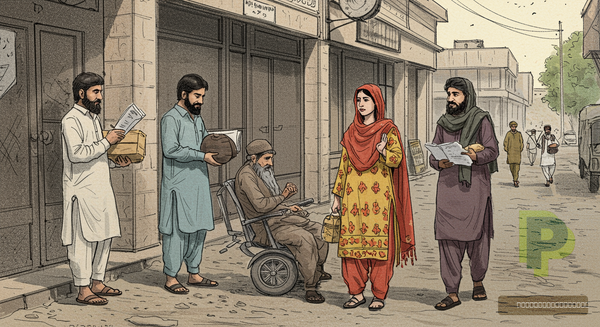
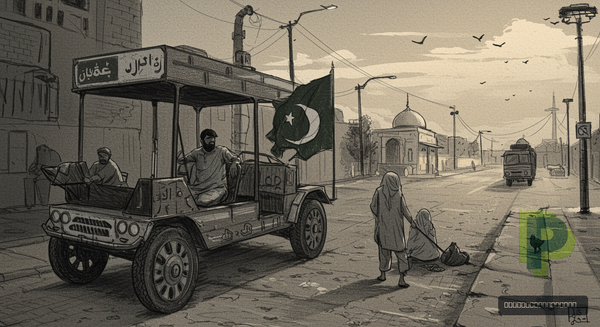
The economic shockwaves from the Middle East crisis translate directly into tangible hardships for ordinary citizens in Pakistan and Bangladesh. Soaring inflation, driven by higher energy and import costs, means that essential commodities like food, fuel, and medicines become more expensive. This disproportionately affects low-income households, eroding their purchasing power and pushing more families towards poverty. Daily wage earners and fixed-income individuals find it increasingly difficult to meet their basic needs, leading to widespread public frustration.
For Pakistani and Bangladeshi expatriates working in the Gulf, the situation presents a unique set of anxieties. While their host nations have largely maintained stability, the broader regional tensions create an atmosphere of uncertainty. Families back home worry about the safety and job security of their loved ones abroad. Any perceived threat to regional stability could potentially impact employment opportunities or the economic health of the countries hosting these workers, which in turn would directly affect remittance flows and the livelihoods of millions.
Governments in both Pakistan and Bangladesh are navigating a complex landscape. They are compelled to manage domestic economic pressures while also engaging in diplomatic efforts to de-escalate tensions in the Middle East. However, their leverage over the core conflict is limited, leaving them largely reactive to global market dynamics. Policymakers are exploring options to diversify energy sources, enhance food security, and bolster social safety nets, but these efforts are often constrained by existing fiscal challenges.
Looking Ahead: Resilience and Interconnectedness
The distant war in the Middle East serves as a stark reminder of the interconnectedness of the global economy and the far-reaching consequences of geopolitical events. For Pakistan and Bangladesh, the ongoing crisis underscores the urgent need for greater economic resilience, diversification, and robust contingency planning.
As the situation in the Middle East continues to evolve, the impact on South Asian economies will remain a critical area to watch. The ability of Pakistan and Bangladesh to mitigate these external shocks will depend on a combination of prudent domestic economic management, sustained international cooperation, and the eventual resolution or de-escalation of tensions in the Middle East. Until then, the regional shockwave will continue to make life difficult for millions, highlighting the human cost of conflicts far from their borders.