Image: Foreign and Commonwealth Office via Wikimedia Commons | OGL v1.0
Quick Summary: At a Glance
- Pakistan's Finance Minister spearheads efforts to revitalise capital markets.
- Key discussions centred on regulatory reforms, new financial instruments, and investor protection.
- The initiative aims to enhance liquidity, attract foreign investment, and broaden the investor base.
- This move is seen as crucial for long-term economic stability and job creation.
ISLAMABAD, Pakistan – In a significant move signalling the government’s renewed focus on economic revitalisation, Pakistan's Finance Minister recently chaired a high-level meeting in Islamabad, focusing on strategic measures to boost the nation's capital markets. This proactive initiative underscores the government's commitment to enhancing investor confidence and fostering economic growth, positioning the country for greater financial stability. The push for robust capital markets is a cornerstone of Pakistan’s strategy to mobilise domestic savings, attract foreign investment, and provide a stable platform for corporate financing.
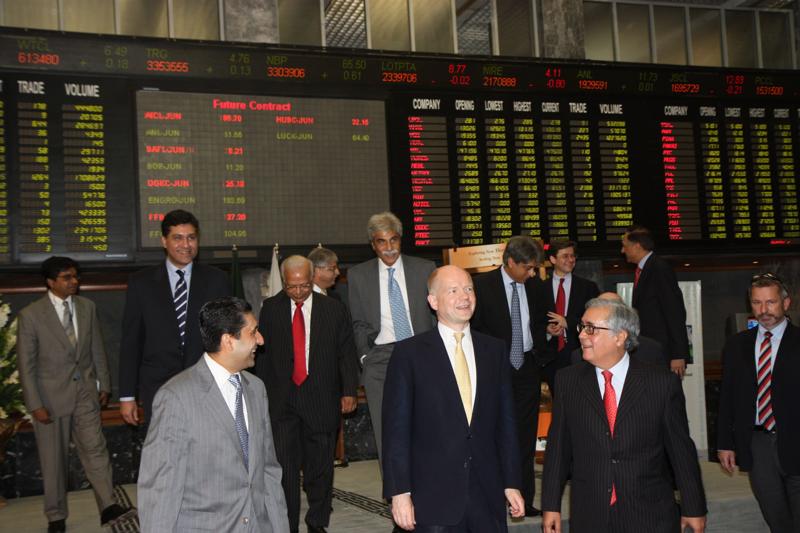
The meeting, attended by key stakeholders including officials from the Securities and Exchange Commission of Pakistan (SECP), the Pakistan Stock Exchange (PSX), and representatives from the financial sector, delved into various aspects aimed at improving market efficiency, transparency, and accessibility. The discussions highlighted the critical role of well-functioning capital markets in channelling investment into productive sectors of the economy, fostering job creation, and ensuring sustainable development.
Why is Boosting Capital Markets Crucial for Pakistan?
Capital markets are pivotal financial arenas where long-term debt or equity-backed securities are bought and sold, serving as a vital conduit for businesses to raise capital and for investors to grow their wealth. For Pakistan, strengthening these markets is not merely an economic aspiration but a strategic imperative to address persistent fiscal challenges and stimulate growth.
According to economic analysts, a vibrant capital market can significantly reduce reliance on bank financing, provide diversified funding options for businesses, and offer avenues for individuals to participate in the nation's economic prosperity. Studies show that countries with developed capital markets often exhibit higher rates of economic growth and greater resilience to external shocks. For Pakistan, enhancing market liquidity and depth could attract substantial foreign portfolio investment, diversifying the national economy and potentially easing pressure on foreign exchange reserves. As of late 2023, while the Pakistan Stock Exchange has shown periods of robust performance, its overall market capitalization relative to GDP remains lower compared to some regional counterparts, including those in the UAE and GCC, indicating significant untapped potential.
Q: How will these reforms impact foreign investment in Pakistan? A: The proposed reforms aim to streamline regulatory processes, enhance corporate governance, and introduce new, attractive financial instruments. These measures are critical for building trust and reducing perceived risks for international investors, potentially leading to a substantial increase in foreign direct and portfolio investment into Pakistan's capital markets.
What Reforms are Envisioned for Capital Market Growth?
The meeting chaired by the Finance Minister outlined several key areas for reform. Central to these discussions was the need to modernise the regulatory framework governing Pakistan's capital markets. This includes simplifying existing regulations, improving oversight mechanisms, and ensuring a level playing field for all market participants. The SECP is expected to play a crucial role in implementing these changes, focusing on investor protection and market integrity.
A significant focus was also placed on the introduction of new and innovative financial instruments. This includes exploring the potential for more diverse equity products, expanding the corporate debt market, and promoting Shariah-compliant instruments such as Sukuk. Developing these instruments could cater to a broader investor base, both domestically and internationally, including sophisticated investors from the Gulf region looking for ethical and high-yield opportunities. For instance, the expansion of Real Estate Investment Trusts (REITs) could unlock significant capital in the property sector, while a more robust derivatives market could offer better hedging opportunities for investors.
Furthermore, the agenda touched upon leveraging technology to enhance market access and efficiency. Digitalisation initiatives, including online trading platforms and improved data analytics, are expected to make investing more accessible for retail investors, thereby broadening the investor base. According to experts, improving financial literacy and investor education programmes will also be vital to ensure that new market participants are well-informed and can make sound investment decisions. Market analysts suggest that a robust regulatory environment, coupled with innovative product offerings, is paramount for unlocking the true potential of Pakistan's capital markets.
Outlook: Navigating Pakistan's Investment Landscape
The government's proactive stance in boosting Pakistan's capital markets comes at a crucial time, as the country navigates a complex global economic landscape. While challenges such as macroeconomic stability, inflation control, and external financing remain pertinent, the commitment to capital market reforms signals a clear long-term vision. This focus on structural improvements is anticipated to enhance the resilience and attractiveness of the Pakistani market.
Opportunities abound for both local and international investors. Sectors such as technology, renewable energy, and export-oriented industries are poised to benefit significantly from enhanced access to capital. For investors in the UAE and across the Gulf region, Pakistan offers a unique demographic dividend, a growing consumer market, and strategic geographical positioning. The improved regulatory environment and diversified financial instruments could make Pakistan an increasingly attractive destination for portfolio investment, complementing existing trade and investment ties.
Looking ahead to 2024 and beyond, the success of these initiatives will hinge on consistent policy implementation and sustained government commitment. Investor confidence, a cornerstone of any thriving capital market, will be built on transparency, predictability, and the effective enforcement of regulations. The Finance Minister's initiative is a vital step towards creating a more dynamic and resilient financial ecosystem, fostering a climate where businesses can flourish and investors can thrive, ultimately contributing to Pakistan’s journey towards economic prosperity.
Frequently Asked Questions
❓ What role do capital markets play in Pakistan's economy?
Capital markets in Pakistan are crucial for mobilising long-term funds, allowing businesses to raise capital for expansion and innovation. They provide a platform for investors to grow wealth, reduce reliance on bank financing, and channel savings into productive sectors, thereby stimulating economic growth and job creation.
❓ How might regulatory reforms attract foreign investment to Pakistan?
Regulatory reforms aim to enhance transparency, streamline processes, and strengthen investor protection within Pakistan's capital markets. These improvements are vital for building trust and reducing perceived risks for international investors, making the market more appealing for foreign direct and portfolio investment.
❓ Why is investor confidence crucial for the growth of Pakistan's capital markets?
Investor confidence is paramount because it directly influences participation and investment levels in the market. A high level of confidence, fostered by transparent regulations, strong governance, and predictable policies, encourages both domestic and international investors to commit capital, leading to increased liquidity and market depth.