PakishNews ListenPress play to hear this articleDownload audio
Pakistan's Foreign Office (FO) has vehemently condemned the continued closure of the historic Jama Masjid in Srinagar on the last Friday of the holy month of Ramazan, a significant day for Muslim worshippers globally. This act, described as a grave violation of religious freedom, has drawn sharp criticism from Islamabad, which urged the international community to take immediate notice of the escalating restrictions imposed on Muslim religious practices in Indian Illegally Occupied Jammu and Kashmir (IIOJK). The persistent closure of Srinagar's Jama Masjid on key Islamic holy days represents a profound affront to the religious sentiments of Kashmiris and a blatant disregard for fundamental human rights.
- Pakistan's Foreign Office issued a strong condemnation of the Jama Masjid's closure in Srinagar on Jumat-ul-Wida.
- This marks a recurring pattern of restricting congregational prayers at the historic mosque, particularly since August 2019.
- The closure is viewed as a violation of religious freedom and a deliberate attempt to suppress Kashmiri Muslim identity.
- Islamabad has called upon the international community and human rights organisations to intervene and ensure the sanctity of religious sites.
- The move exacerbates tensions in IIOJK, where a significant Muslim population faces ongoing restrictions on civil liberties.
The condemnation, issued on Friday, March 28, 2026, highlighted the profound spiritual and cultural significance of Jumat-ul-Wida, the last Friday of Ramazan, when Muslims traditionally gather in large numbers for special prayers and supplications. The Jama Masjid, a 14th-century architectural marvel and a central hub for religious and social life in Srinagar, has historically served as a symbol of Kashmiri resilience and identity. Its closure, particularly on such a revered occasion, is perceived not merely as an administrative measure but as a deliberate attempt to stifle religious expression and collective identity among the region's predominantly Muslim population.
Why Does the Jama Masjid Hold Such Significance in Kashmir?
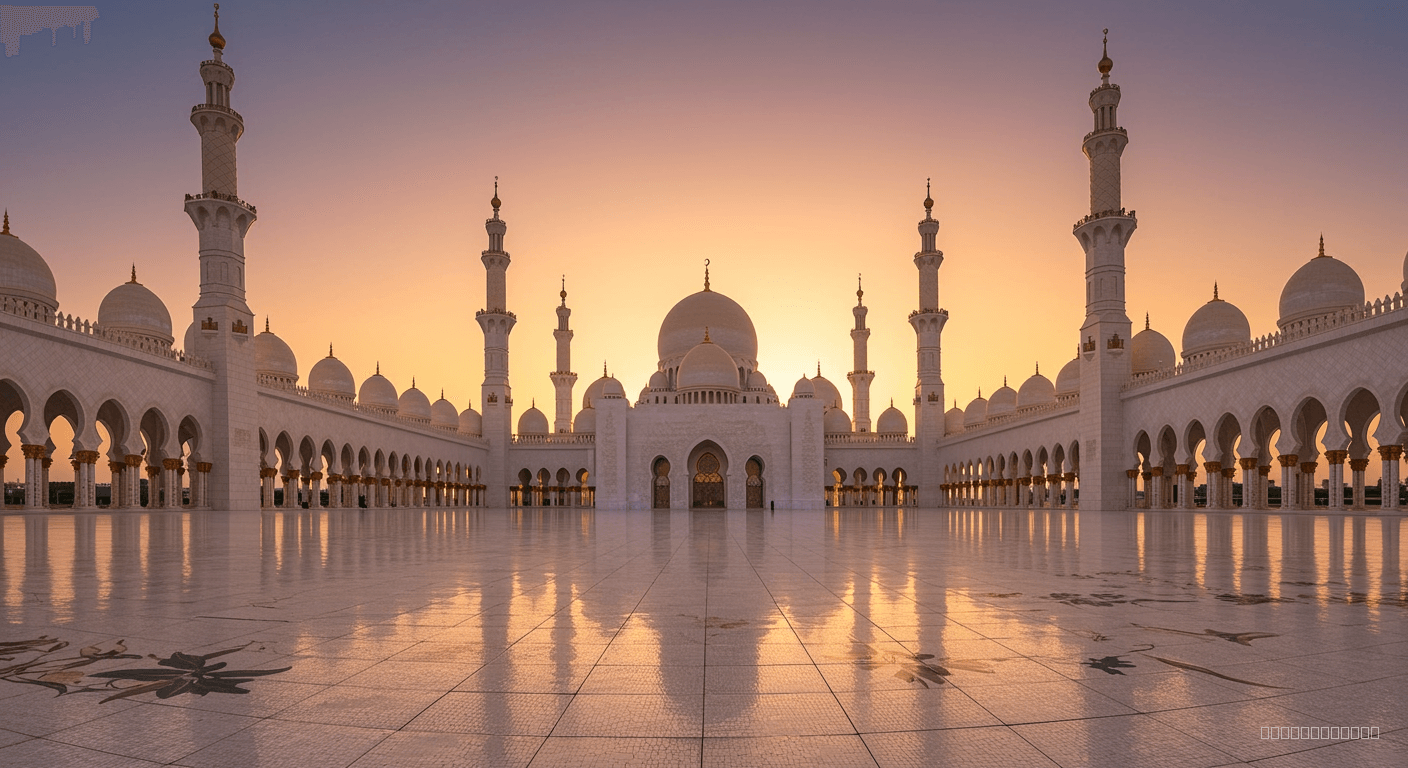
The Jama Masjid, founded in 1394 CE by Sultan Sikandar Shah Kashmiri and later expanded by subsequent rulers, stands as one of the oldest and largest mosques in Jammu and Kashmir. Located in the Nowhatta area of old Srinagar, it can accommodate tens of thousands of worshippers, making it a pivotal centre for congregational prayers, religious sermons, and community gatherings. Historically, it has also been a focal point for political discourse and peaceful protests, particularly during periods of heightened tension in the region. Its architectural grandeur, featuring 370 wooden pillars and an expansive courtyard, reflects centuries of Kashmiri craftsmanship and spiritual devotion. For Kashmiris, the mosque is more than just a place of worship; it is a repository of their heritage, a symbol of their collective consciousness, and a space where their spiritual and communal aspirations converge. The repeated denial of access, especially on auspicious days like Jumat-ul-Wida, is therefore seen as an attack on their cultural and religious fabric. Read more on religious freedom issues globally at PakishNews.
As PakishNews previously reported, US Service Members Killed in Iraq Plane Crash Amid Regional Tensions.
The pattern of restricting access to the Jama Masjid has intensified significantly since August 5, 2019, when the Indian government unilaterally revoked Article 370 of its constitution, stripping IIOJK of its special autonomous status and dividing the state into two union territories. Following this decision, a stringent lockdown was imposed, leading to widespread communication blackouts and severe restrictions on public gatherings, including religious congregations. According to reports from Srinagar-based civil society groups, the mosque remained closed for several consecutive months post-August 2019, and even after partial reopening, access has been frequently curtailed on Fridays and other significant Islamic festivals, including Eid prayers. This consistent policy, as observed by human rights organisations, runs contrary to international norms on freedom of religion.
What Has Been the Impact of These Restrictions on Kashmiri Muslims?
The continued closure of the Jama Masjid on holy days has had a profound impact on the spiritual well-being and collective identity of Kashmiri Muslims. For a population that has endured decades of conflict and political uncertainty, religious observances offer a crucial source of solace, community, and cultural affirmation. Denying access to central places of worship like the Jama Masjid, especially during the sacred month of Ramazan, inflicts psychological distress and deepens feelings of alienation. A recent survey conducted by a local Kashmiri NGO, 'Voices of Kashmir,' in late 2025, indicated that approximately 85% of respondents felt their religious rights were being systematically undermined, with 70% expressing profound sadness over the inability to offer prayers at the Jama Masjid on important occasions. This sentiment is particularly strong among the elderly and youth, who view the mosque as an irreplaceable part of their heritage.
In its statement, Pakistan's Ministry of Foreign Affairs (MoFA) articulated that the sustained closure represents a 'blatant violation of the fundamental human right to religious freedom.' A senior MoFA official, speaking to PakishNews on condition of anonymity, elaborated, "This is not an isolated incident but part of a broader, concerning strategy to suppress the religious and cultural identity of the Kashmiri people. Preventing tens of thousands of worshippers from offering prayers on Jumat-ul-Wida at their most revered mosque is an act of spiritual deprivation that must be condemned unequivocally by the global conscience." The official cited UN Human Rights Council resolutions that affirm the right to manifest one's religion or belief in worship, observance, practice, and teaching.
What Do International Analysts Say About the Situation?
The international community's response to these recurring restrictions has been varied, with some human rights bodies and a few states raising concerns, while major powers largely remain silent. Dr. Aisha Sarfraz, a Karachi-based geopolitical analyst specializing in South Asian affairs, commented, "The Indian government's actions in IIOJK, including the systematic restrictions on religious freedom, are often framed within a security paradigm. However, from an international human rights perspective, these measures appear disproportionate and discriminatory. The repeated closure of the Jama Masjid alienates the local population further, making any prospect of long-term peace and stability in the region more distant. It transforms a religious issue into a deeply political one, echoing historical grievances." Dr. Sarfraz highlighted that such actions undermine India's claims of democratic values on the global stage, especially when juxtaposed against the backdrop of its constitutional secularism.
The Foreign Office's statement further called upon the international community, including the United Nations and other relevant human rights organisations, to "take immediate notice of the dire human rights situation in IIOJK" and to "urge India to lift all restrictions on religious practices and allow the Kashmiri people to freely exercise their religious rights." This plea underscores Pakistan's consistent stance on the Kashmir dispute, which frames the issue not only as a territorial conflict but also as a humanitarian crisis involving the fundamental rights of the Kashmiri people. The condemnation also serves to remind global stakeholders of the unresolved nature of the dispute, particularly in the context of UN Security Council resolutions calling for a plebiscite to determine the future of the region. In a related development covered by PakishNews, Pakistan recently reiterated its call for a peaceful resolution to the Kashmir dispute at the OIC summit.
The restrictions extend beyond the Jama Masjid, with reports indicating similar curbs on other religious processions and gatherings across IIOJK. Local media outlets in Srinagar reported that security forces were deployed in strength around the mosque and in key areas of the Old City on Friday, effectively preventing any attempts at large gatherings. This pre-emptive measure, while cited by Indian authorities as necessary for maintaining 'law and order,' is seen by Kashmiri residents as a punitive act designed to suppress dissent and collective expression. The population of Srinagar, estimated at over 1.2 million, largely comprises Muslims who feel increasingly marginalised and dispossessed of their fundamental liberties.
What Happens Next Regarding the Jama Masjid Closure and Kashmir?
Looking ahead, the immediate aftermath of such condemnations typically involves a reiteration of positions from both sides. Pakistan will likely continue its diplomatic efforts to highlight human rights violations in IIOJK at international forums, including the Organisation of Islamic Cooperation (OIC) and the United Nations. However, without significant pressure from major global powers, a substantial shift in India's policy regarding religious freedoms in IIOJK appears unlikely in the short term. The international community, particularly those nations advocating for human rights and religious freedom, faces a moral imperative to address these concerns more robustly. Stakeholders should closely watch for any statements from international human rights bodies like Amnesty International or Human Rights Watch, which may offer independent assessments of the situation.
The long-term implications are concerning. Continued suppression of religious and civil liberties risks further radicalising segments of the population and making a peaceful resolution to the Kashmir dispute even more elusive. For policymakers in Pakistan and the UAE, advocating for the rights of Kashmiris remains a crucial foreign policy objective. Business leaders and informed citizens should recognise that stability in South Asia is inextricably linked to the resolution of such long-standing human rights issues. The situation underscores the urgent need for dialogue, respect for international law, and adherence to fundamental human rights principles in IIOJK.
Related: More Pakistan News | Kashmir Dispute
Related Coverage
- US Service Members Killed in Iraq Plane Crash Amid Regional Tensions
- Lakki Marwat Operation: CTD Kills Six Terrorists, Bolstering Regional Security
- Pakistan's 5G Rollout: A Potential 'Game Changer' for IT Exports, Says P@SHA
Frequently Asked Questions
❓ What is Jumat-ul-Wida and why is its observance at Jama Masjid significant?
Jumat-ul-Wida is the last Friday of the holy month of Ramazan, a day of profound spiritual importance for Muslims worldwide, marked by special congregational prayers. Its observance at Srinagar's Jama Masjid is particularly significant because the mosque is not only the largest and oldest in Jammu and Kashmir but also a historical symbol of Kashmiri Muslim identity and resilience, capable of accommodating tens of thousands of worshippers.
❓ How frequently has the Jama Masjid been closed, particularly since 2019?
The Jama Masjid in Srinagar has faced frequent closures, especially since the revocation of Article 370 in August 2019. Reports from local civil society groups indicate the mosque remained closed for several months immediately after 2019 and has since been repeatedly shut down on Fridays, Eid prayers, and other significant Islamic festivals, preventing an estimated 30,000 to 50,000 worshippers from attending at peak times.
❓ What is Pakistan's stance on the continued restrictions in Indian Illegally Occupied Jammu and Kashmir (IIOJK)?
Pakistan consistently views the restrictions in IIOJK, including the closure of the Jama Masjid, as grave violations of human rights and religious freedom, contravening international law and UN resolutions. Islamabad actively engages in diplomatic efforts at platforms like the OIC and UN to highlight the plight of Kashmiris and calls for the international community to press India to resolve the Kashmir dispute according to the aspirations of the Kashmiri people.