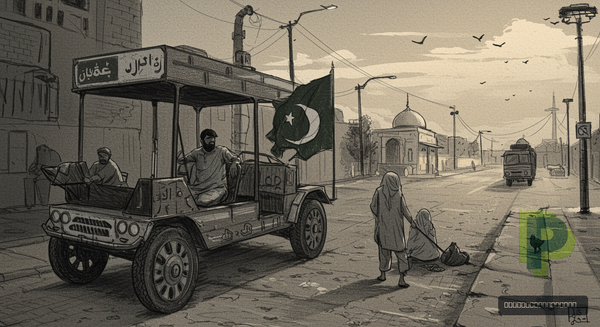

ISLAMABAD – Pakistani citizens are reeling from a nearly 20% surge in fuel prices, a move that authorities say is necessitated by the global oil market. This significant hike, described by many as a 'noose' tightening around their daily lives, is profoundly linked to escalating geopolitical tensions, particularly the ongoing US-Iran conflict, which continues to destabilize energy markets worldwide and directly impacts Pakistan's fragile economy.
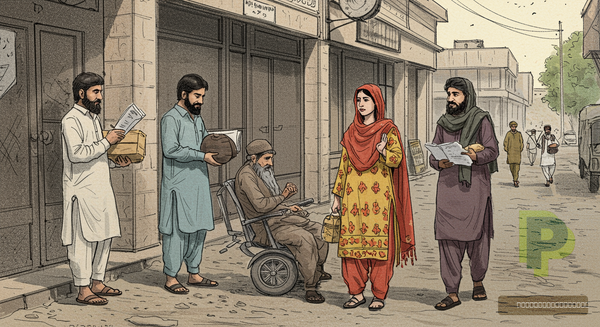
The recent government announcement saw the price of petrol and diesel climb by unprecedented margins, pushing essential commodities and transportation costs even higher in a country already battling record inflation. For millions of ordinary Pakistanis, this latest increase is not merely an economic adjustment but a direct assault on their household budgets, making daily survival an increasingly daunting challenge. “It truly feels like a noose,” lamented a daily wage earner in Karachi, echoing the sentiments of countless others struggling to make ends meet amidst relentless price spirals.
Pakistan, heavily reliant on imported crude oil and refined petroleum products, is acutely vulnerable to fluctuations in international oil prices. With its economy already under immense strain, marked by a depreciating currency, a persistent current account deficit, and the stringent conditions of an International Monetary Fund (IMF) bailout package, any external shock to energy costs sends immediate and powerful ripples throughout the system. The government, often caught between the rock of IMF demands for fiscal discipline and the hard place of public discontent, has limited options but to pass on these global price increases to consumers.
The Shadow of the US-Iran Conflict on Global Oil Markets
The primary external driver behind this latest fuel price shock is the simmering tension between the United States and Iran. The ongoing geopolitical standoff in the Middle East, characterized by sanctions, military posturing, and proxy conflicts, casts a long shadow over the Strait of Hormuz – a critical chokepoint for a significant portion of the world's oil supply. Any perceived threat to this vital shipping lane or to regional stability immediately triggers a speculative rise in global crude oil prices, as traders factor in potential supply disruptions.
The US-Iran conflict, specifically the re-imposition and tightening of US sanctions on Iran's oil exports, has removed a substantial volume of crude from the international market. While other OPEC+ nations attempt to manage supply, the absence of Iranian oil, coupled with robust global demand, creates an upward pressure on prices. Furthermore, incidents of tanker attacks or heightened military drills in the Gulf region inject a 'risk premium' into oil prices, making every barrel more expensive for importing nations like Pakistan, irrespective of actual supply shortages.
“Pakistan finds itself in a precarious position, a non-combatant caught in the economic crossfire of a major regional power struggle,” stated Dr. Amir Khan, an economic analyst based in Islamabad. “Our energy import bill balloons with every dollar increase in crude oil prices, directly translating into higher fuel costs at home and exacerbating inflationary pressures across the board. The US-Iran conflict, while geographically distant from our borders, has a very real and immediate impact on the wallets of ordinary Pakistanis.”
Domestic Economic Fragility Meets Global Geopolitical Shocks
The impact of rising global oil prices is particularly devastating for Pakistan due to its inherent economic vulnerabilities. The rupee's depreciation against the US dollar means that Pakistan needs more local currency to purchase the same amount of oil, further amplifying the cost burden. This leads to a vicious cycle: higher import bills widen the current account deficit, which puts more pressure on the rupee, and so on. The government's fiscal space to absorb these shocks through subsidies is severely limited by its commitments to the IMF, which often mandate the removal of such subsidies to improve financial health.
Consequently, the burden falls squarely on the shoulders of the common citizen. Transportation costs for daily commutes, goods movement, and agricultural inputs all surge. This directly translates into higher food prices, making staples like flour, sugar, and vegetables unaffordable for many. Small businesses, already struggling with high operational costs and a challenging economic environment, face increased pressure, often leading to closures and job losses. The social ramifications of such widespread economic distress are profound, threatening stability and widening the chasm between the privileged and the poor.
Regional Reverberations and Diaspora Concerns
For PakishNews' audience in the UAE and across the Gulf region, the implications are also significant. While Gulf states themselves are major oil producers and often benefit from higher prices, regional instability stemming from the US-Iran conflict creates an atmosphere of uncertainty. This can impact foreign investment, tourism, and broader economic sentiment. For the large Pakistani diaspora residing in these countries, increased economic hardship back home can be a source of constant worry, affecting remittance flows and family support structures.
Moreover, Pakistan's strategic location means it cannot entirely insulate itself from regional dynamics. While maintaining a careful diplomatic balance, the economic fallout of such conflicts is inescapable. The nation's quest for energy security, which has seen it explore options like the Iran-Pakistan gas pipeline in the past, becomes even more complex when geopolitical tensions are high, limiting viable alternatives and locking the country into reliance on volatile international markets.
Navigating a Complex Geopolitical Landscape
Looking ahead, Pakistan's economic managers face an unenviable task. The immediate challenge is to mitigate the impact of the fuel price hike on the population through targeted relief measures, while simultaneously adhering to fiscal responsibility. In the long term, the country needs to accelerate its transition towards diversified and indigenous energy sources, including renewable energy, to reduce its dependency on imported fossil fuels and shield itself from global price volatility driven by geopolitical factors like the US-Iran conflict.
The current situation underscores the interconnectedness of global politics and local economies. Until a stable resolution or de-escalation of tensions in the Middle East is achieved, and global oil markets find greater equilibrium, the 'noose' of high fuel prices and inflation will likely continue to tighten around the daily lives of millions of Pakistanis, demanding resilience, prudent economic management, and a hopeful eye towards a more stable international environment.