Listen to ArticlePress play to hear this storyListen to ArticleDownload audio
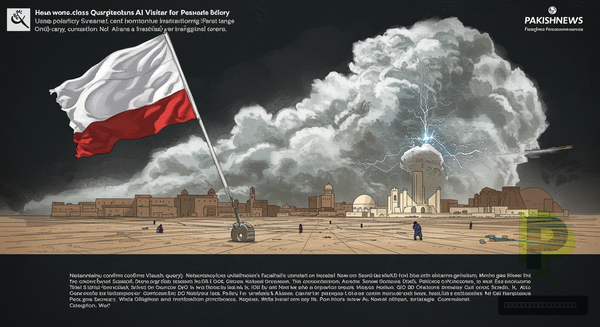
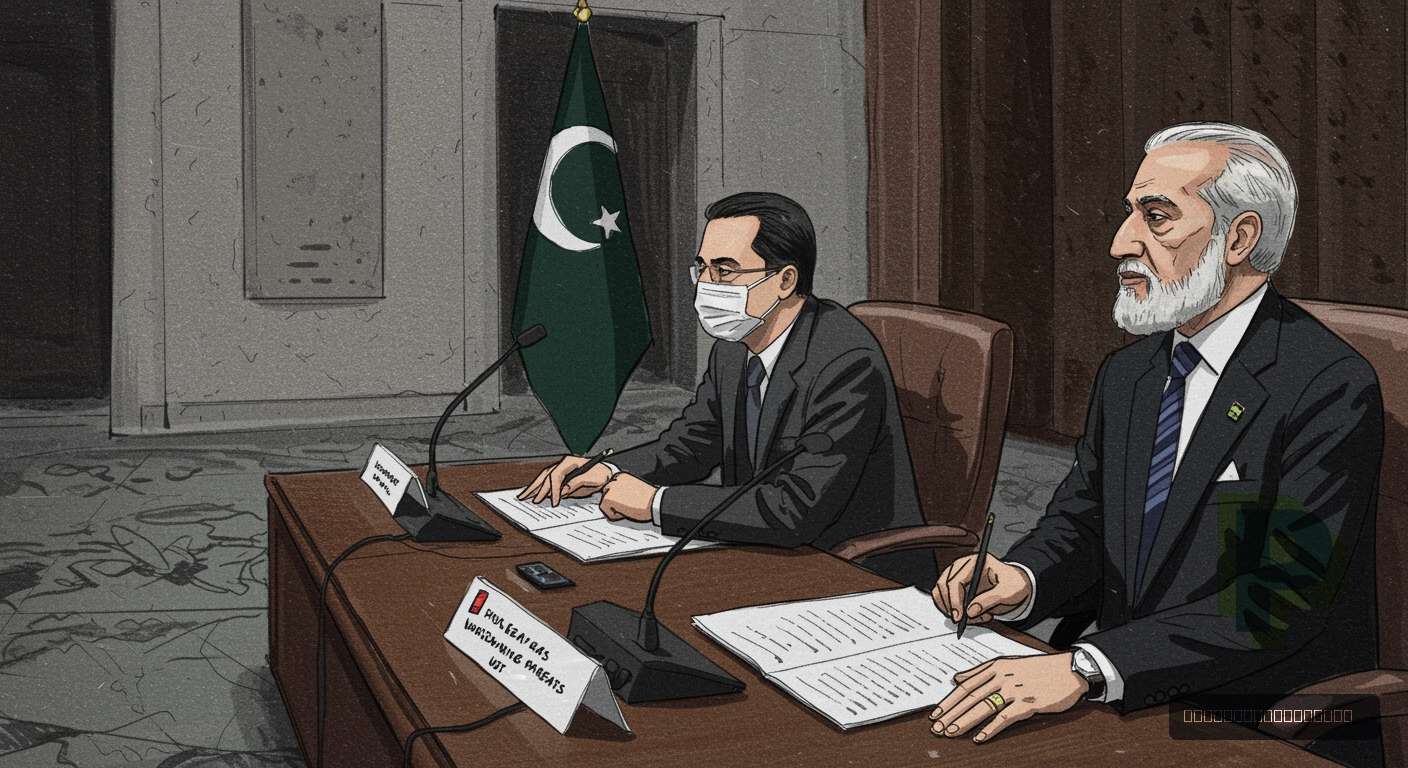
The recent worldwide threats hearing before the United States Congress has unveiled a sobering assessment of escalating global dangers, from intensified great power competition to sophisticated cyber warfare and the compounding effects of climate change. This comprehensive overview of global risks carries profound implications for Pakistan, the UAE, and the wider Gulf region, demanding strategic re-evaluation and enhanced resilience. The intelligence community's unified message underscores a volatile international landscape where threats are increasingly interconnected, requiring a multi-faceted response from nations like Pakistan and the UAE that are strategically positioned at critical geopolitical crossroads.
- Key Takeaway: The latest worldwide threats assessment underscores an increasingly volatile global landscape, presenting complex security and economic challenges for Pakistan and the Gulf states.
- Senior US intelligence officials detailed a surge in great power rivalry, particularly between the US, China, and Russia, impacting global stability.
- Cyber threats are escalating, with state-sponsored actors targeting critical infrastructure and financial systems worldwide, posing a direct risk to technologically advanced Gulf economies.
- The hearing highlighted climate change as a significant threat multiplier, exacerbating resource scarcity and migration, with direct implications for Pakistan's vulnerable regions.
- Persistent terrorism, particularly from groups like ISIS-K and TTP, remains a critical concern for regional security.
Background and Context: Understanding the Global Threats Landscape
The annual worldwide threats hearing serves as a critical barometer for global security, providing an unclassified assessment from the United States Intelligence Community (USIC) to inform policymakers and the public. These hearings, typically held before committees like the Senate Intelligence Committee, synthesise intelligence from 18 agencies, offering a panoramic view of potential challenges ranging from military conflicts and economic espionage to pandemics and environmental degradation. The significance of these assessments cannot be overstated; they shape defence budgets, foreign policy initiatives, and international alliances. For nations like Pakistan and the UAE, which are deeply integrated into the global economic and security architecture, understanding these projections is paramount for safeguarding their national interests and ensuring regional stability.
The current global threat landscape, as articulated in the latest hearing, reflects a significant departure from the post-Cold War unipolar moment. According to a report from the Office of the Director of National Intelligence (ODNI), which forms the basis for such testimonies, the world is experiencing a period of heightened geopolitical competition. This includes China's assertive rise, Russia's continued aggression in Europe, and the growing influence of non-state actors. The interconnectedness of these challenges means that a conflict in one region or a technological breakthrough by an adversarial state can have ripple effects across continents, directly impacting the strategic calculations and economic prospects of countries far removed from the immediate epicentre of a crisis. This necessitates a proactive and adaptive foreign policy, particularly for states balancing relationships with multiple global powers.
As PakishNews previously reported, Senator Mullin's Intense Three-Hour Hearing Concludes in Washington, But What….
A Shifting Geopolitical Chessboard and Regional Implications
Senior intelligence officials testifying before the US Senate Intelligence Committee, as reported by CNN, emphasised the intensification of competition between major global powers. China's growing military capabilities and economic influence, coupled with Russia's continued assertiveness, particularly in light of the ongoing conflict in Ukraine, are reshaping international norms and alliances. This dynamic creates a complex environment for countries like Pakistan, which has strong strategic ties with China through initiatives like the China-Pakistan Economic Corridor (CPEC), valued at over $62 billion, while also maintaining engagement with Western powers. Navigating this geopolitical chessboard requires astute diplomacy to avoid being drawn into great power rivalries, a challenge highlighted by Dr. Maleeha Lodhi, a former Pakistani Ambassador to the US, who stated, "Pakistan's foreign policy must prioritise strategic autonomy, balancing relationships to secure its economic and security interests without becoming a pawn in larger power games."
The UAE and other Gulf Cooperation Council (GCC) states also face intricate diplomatic challenges. While historically aligned with Western security interests, these nations have increasingly diversified their partnerships, fostering closer economic and strategic ties with China and Russia. This diversification, driven by economic pragmatism and a desire for greater autonomy, is a direct response to the shifting global power balance outlined in the worldwide threats hearing. For instance, the UAE's non-oil foreign trade reached a record AED 2.6 trillion (approximately $708 billion) in 2023, with significant contributions from trade with Asian partners, illustrating a deliberate pivot. This strategy helps mitigate risks associated with over-reliance on any single power bloc but also necessitates careful management of expectations and commitments from all sides.
The Expanding Shadow of Cyber Warfare and Economic Vulnerability
The worldwide threats hearing underscored cyber warfare as a rapidly escalating danger, with state-sponsored actors and sophisticated criminal groups relentlessly targeting critical infrastructure, financial institutions, and government networks. The intelligence assessment indicated a nearly 20% increase in detected state-sponsored cyber intrusions targeting critical infrastructure globally over the past year, according to data presented by the Director of National Intelligence. This poses a direct and significant threat to technologically advanced Gulf economies.
How Will Gulf Economies Navigate New Cyber Risks? Gulf economies, particularly the UAE with its ambitious digital transformation agenda and smart city initiatives, are acutely vulnerable to these evolving cyber threats. The UAE's financial sector, a global hub for banking and investment, and its critical energy infrastructure, are prime targets. According to a recent report by the Dubai Future Foundation, the economic cost of cyberattacks could reach $10.5 trillion globally by 2025. To counter this, the UAE has invested heavily in cybersecurity frameworks, including the establishment of the UAE Cybersecurity Council in 2021, and mandates strict compliance for critical national infrastructure. However, the sophistication of new threats, including those leveraging artificial intelligence (AI) for more potent attacks, demands continuous adaptation and international cooperation.
Why does this matter for the UAE's digital transformation initiatives? The success of initiatives like Dubai's Smart City project and the nationwide push towards a knowledge-based economy relies fundamentally on secure digital infrastructure. A major cyberattack could not only cripple essential services and financial markets but also erode public trust and deter foreign investment, directly impacting the country's economic diversification goals. "The digital transformation of the Gulf states, while offering immense opportunities, simultaneously expands their attack surface for cyber adversaries," noted Dr. Abdullah Al-Musawi, a Gulf security analyst at the Emirates Policy Centre. "Robust public-private partnerships and international intelligence sharing are no longer optional, but essential for survival in this new digital battlefield."
Climate Change, Terrorism, and Regional Stability
Beyond geopolitical and cyber threats, the worldwide threats hearing reiterated climate change as a critical threat multiplier, exacerbating existing vulnerabilities and creating new ones. The assessment highlighted how extreme weather events, rising sea levels, and resource scarcity can fuel migration, social unrest, and even conflict. For Pakistan, which is among the countries most vulnerable to climate change, this is an immediate and existential threat. The devastating floods of 2022, which affected over 33 million people and caused an estimated $30 billion in damages, serve as a stark reminder of this reality. Data from the Pakistan Meteorological Department indicates an increasing frequency of abnormal weather patterns, directly impacting agricultural output and internal displacement.
Simultaneously, the threat of terrorism, particularly from groups like ISIS-K (Islamic State – Khorasan Province) and the Tehrik-i-Taliban Pakistan (TTP), remains a significant concern for regional stability. The USIC assessment noted the persistent threat posed by these groups, particularly their capacity to launch attacks and destabilise border regions. Pakistan has been grappling with a resurgence of cross-border terrorism, with the Ministry of Interior reporting a 50% increase in terrorist incidents in certain border regions in 2023 compared to the previous year. This directly impacts national security, diverts resources from economic development, and complicates regional counter-terrorism efforts. The Gulf states, while having largely contained internal threats, remain vigilant against the spread of extremist ideologies and the potential for regional spillover from unstable neighbours.
Impact Assessment: Strategic Choices for Pakistan and the UAE
The cumulative impact of the threats outlined in the worldwide threats hearing demands a re-evaluation of strategic priorities for both Pakistan and the UAE. For Pakistan, the convergence of great power competition, climate vulnerability, and resurgent terrorism presents a multi-dimensional challenge to its economic stability and national security. The country's ongoing efforts to stabilise its economy, including negotiations with international financial institutions, are directly influenced by the perception of its security environment and its capacity to withstand external shocks. As PakishNews previously reported on Pakistan's economic challenges, foreign direct investment (FDI) inflows, which stood at $1.45 billion in fiscal year 2022-23, are highly sensitive to geopolitical stability and security perceptions. An unstable regional environment, amplified by global tensions, risks deterring crucial investment required for sustainable growth and job creation.
For the UAE, a nation heavily invested in future-oriented industries, technological innovation, and global connectivity, the escalating cyber threats represent a direct challenge to its economic model. The country's ambitious projects, such as the Mars Mission and its leadership in AI development, rely on unimpeachable digital security. The cost of fortifying these defences, both financially and in terms of human capital, is substantial. Furthermore, the broader geopolitical shifts may compel the UAE to navigate a more complex web of alliances, potentially impacting its foreign policy flexibility and trade agreements. Maintaining a secure and open trade environment, essential for its position as a global logistics and financial hub, becomes increasingly challenging amidst rising protectionism and supply chain disruptions driven by geopolitical tensions. The implications extend beyond economics, touching upon societal resilience and the capacity of these nations to provide stability and prosperity for their citizens in an increasingly uncertain world.
What Happens Next: Adaptive Strategies and Regional Cooperation
In response to the multifaceted threats illuminated by the worldwide threats hearing, Pakistan and the UAE are expected to intensify their focus on adaptive strategies and regional cooperation. For Pakistan, this likely includes a continued emphasis on counter-terrorism operations, strengthening border management, and accelerating climate resilience programmes, potentially with enhanced international support. Diplomatically, Pakistan will likely continue to pursue a balanced approach, engaging with all major powers while prioritising its core national interests. This involves active participation in multilateral forums and strengthening bilateral ties with key partners in the Middle East and Central Asia. The government's recent review of its foreign policy doctrine, as discussed in PakishNews analyses, signals a move towards proactive engagement on global issues.
The UAE, for its part, is expected to further bolster its national cybersecurity capabilities, investing in advanced technologies and fostering international partnerships for threat intelligence sharing. Its economic diversification strategy, particularly through investments in renewable energy and advanced manufacturing, will continue, aiming to build resilience against global economic shocks. Diplomatically, the UAE will likely continue its pragmatic foreign policy, fostering dialogue and de-escalation in regional conflicts while expanding its strategic partnerships globally. Regional security dialogues, such as those involving the GCC states, will become even more critical for coordinating responses to shared threats, including cyberattacks and maritime security challenges. Read more on UAE security strategies at PakishNews.
The takeaways from the worldwide threats hearing underscore a stark reality: the global security landscape is in constant flux, demanding perpetual vigilance and strategic agility. For Pakistan and the UAE, this means not only strengthening internal resilience but also actively shaping regional and international responses to these interconnected challenges. Stakeholders, from policymakers to business leaders and informed citizens, must closely monitor these developments and advocate for policies that foster stability, security, and sustainable growth in the face of an ever-evolving array of global threats.
Related Coverage
- Senator Mullin's Intense Three-Hour Hearing Concludes in Washington, But What Do Its Revelations…
- Global Music Streaming Revenues Soar in 2025, but What Does This Mean for Pakistan's Emerging…
- Larijani's 2009 Surveillance Revealed, What Does It Mean for Gulf Security?
Archive Discovery
- How To Extra Make Money Working From Home
- "Embrace Change: How Small Steps Lead to Big Life Transformations"
- A Skin Cream That’s Proven to Work: Your Secret to Flawless Skin
Quick Answers (AI Overview)
- What happened in this story?
The recent worldwide threats hearing before the United States Congress has unveiled a sobering assessment of escalating global dangers, from intensified great power competition to sophisticated cyber warfare and the comp - Why does this matter right now?
It matters because global threats hearing signals escalating tensions, but how will gulf economies navigate new cyber risks? can impact public discussion, policy, or regional stability depending on follow-up events. - What should readers watch next?
Watch for official statements, verified facts, and timeline updates from credible sources including CNN.
Frequently Asked Questions
What is the core update in this story?
The recent worldwide threats hearing before the United States Congress has unveiled a sobering assessment of escalating global dangers, from intensified great power competition to sophisticated cyber warfare and the compounding effects of climate change. This comprehensive overview of global risks carries profound impl
Why does this matter right now?
This matters because the development can influence public debate, policy direction, and the wider regional situation.
What should readers monitor next?
Follow official statements, verified facts, and timeline updates from reliable sources.