Karachi, Pakistan – The price of gold in Pakistan extended its downward trajectory for the fourth consecutive day on Thursday, March 6, 2026, according to reports from Samaa TV. This persistent decline has captured the attention of market watchers, investors, and consumers across the nation, as the precious metal sheds value amidst evolving local and international economic landscapes.
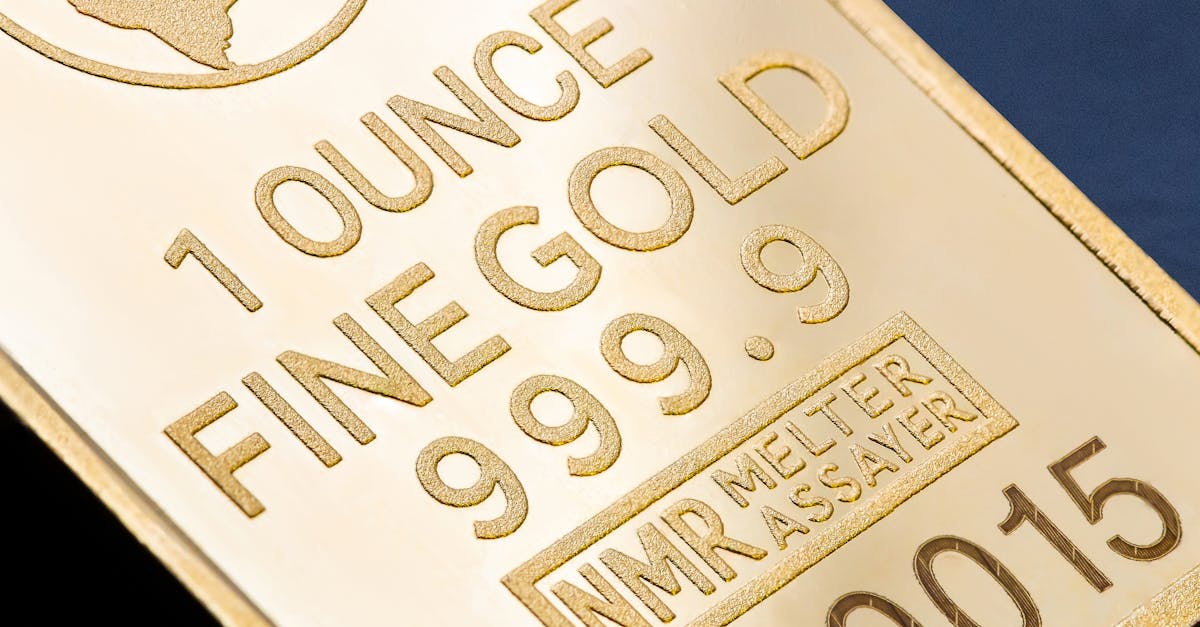
As of the close of trading on March 6, 2026, the price of 24-karat gold, considered the purest form, saw a notable decrease of PKR 1,750 per tola, settling at PKR 228,500. Similarly, the price for 10 grams of 24-karat gold also fell by PKR 1,500, bringing its value to PKR 195,900. These figures, compiled by the All Sindh Saraf and Jewellers Association (ASSJA), reflect a steady depreciation that has been consistent since the beginning of the trading week, marking a significant recalibration in the local bullion market.
Global Headwinds and Local Currency Strength
The current slump in the gold price in Pakistan is not an isolated event but rather a complex interaction of global market dynamics and domestic economic conditions. Internationally, gold prices have been under pressure from a strengthening US dollar and expectations surrounding the monetary policy decisions of major central banks. Analysts suggest that a perceived easing of global inflation concerns and a more hawkish stance from central banks regarding interest rates can diminish gold's appeal as a safe-haven asset, as higher interest rates make non-yielding assets like gold less attractive compared to interest-bearing instruments.
Domestically, a key factor contributing to the decline is the recent appreciation of the Pakistani Rupee (PKR) against the US dollar. A stronger local currency makes imported commodities, including gold, cheaper in rupee terms. Over the past few weeks, the Rupee has shown signs of stability and gradual strengthening, buoyed by positive economic indicators and continued efforts by the government and the State Bank of Pakistan (SBP) to manage the country's external account and fiscal health. This currency stability directly impacts the local price of gold, which is typically linked to international rates converted at the prevailing exchange rate.
"The persistent drop in the gold price in Pakistan can be attributed to a combination of factors, primarily the strengthening of the Rupee and a bearish sentiment in the international gold market," commented a Karachi-based bullion market analyst. "When the Rupee gains ground against the dollar, the cost of importing gold effectively comes down, which then translates into lower local prices. Simultaneously, if global investors are moving away from gold due to shifting interest rate outlooks or reduced geopolitical tensions, that also puts downward pressure on our market."
Impact on Consumers and Investor Sentiment
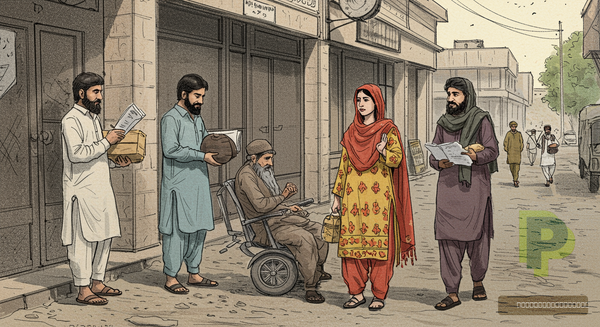
For the average Pakistani consumer, particularly those planning weddings or looking to invest in jewelry, the continuous drop in gold prices offers a glimmer of relief. Gold has traditionally been a cornerstone of cultural practices and a significant investment for households across Pakistan. A more affordable gold market could stimulate demand for jewelry and small-scale investments, although many might adopt a 'wait and see' approach, anticipating further dips.
However, for investors who had purchased gold at higher prices during periods of economic uncertainty or currency devaluation, the current trend may be a cause for concern. Gold has long served as a hedge against inflation and currency depreciation in Pakistan, and its declining value could prompt a re-evaluation of investment portfolios. Conversely, new investors or those with a long-term perspective might view this as an opportune moment to enter the market, buying gold at a relatively lower cost.
The volatility of gold prices has been a recurring theme in Pakistan's economic narrative. Over the past few years, the country has witnessed unprecedented highs in gold prices, driven by rampant inflation, significant currency devaluations, and political instability. These factors had previously amplified gold's appeal as a safe haven, leading to substantial price surges. The current four-day decline, therefore, marks a notable deviation from these recent trends, suggesting a potential shift in underlying market dynamics and investor confidence.
What Lies Ahead for the Gold Market?
Looking ahead, the trajectory of the gold price in Pakistan will largely depend on the sustained performance of the Pakistani Rupee, the global outlook for interest rates, and geopolitical developments. Any renewed volatility in the currency market or an uptick in international gold prices due to global economic uncertainties or geopolitical flashpoints could quickly reverse the current downward trend.
Economic observers are closely monitoring the State Bank of Pakistan's monetary policy decisions. Should the SBP signal a sustained period of high interest rates or even further hikes to combat inflation, it could continue to make alternative investment avenues more attractive than non-yielding gold. Conversely, any indication of interest rate cuts in the future, possibly to stimulate economic growth, could reignite interest in the precious metal.
While the four-day drop provides a temporary reprieve for buyers, the inherent volatility of the precious metal market means that sustained trends are difficult to predict with certainty. Market participants remain vigilant, balancing the allure of lower prices against the unpredictable nature of both domestic and international economic forces that dictate gold's true value.