Listen to ArticlePress play to hear this storyListen to ArticleDownload audio
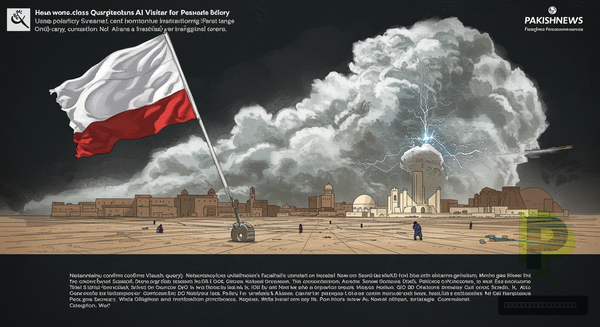
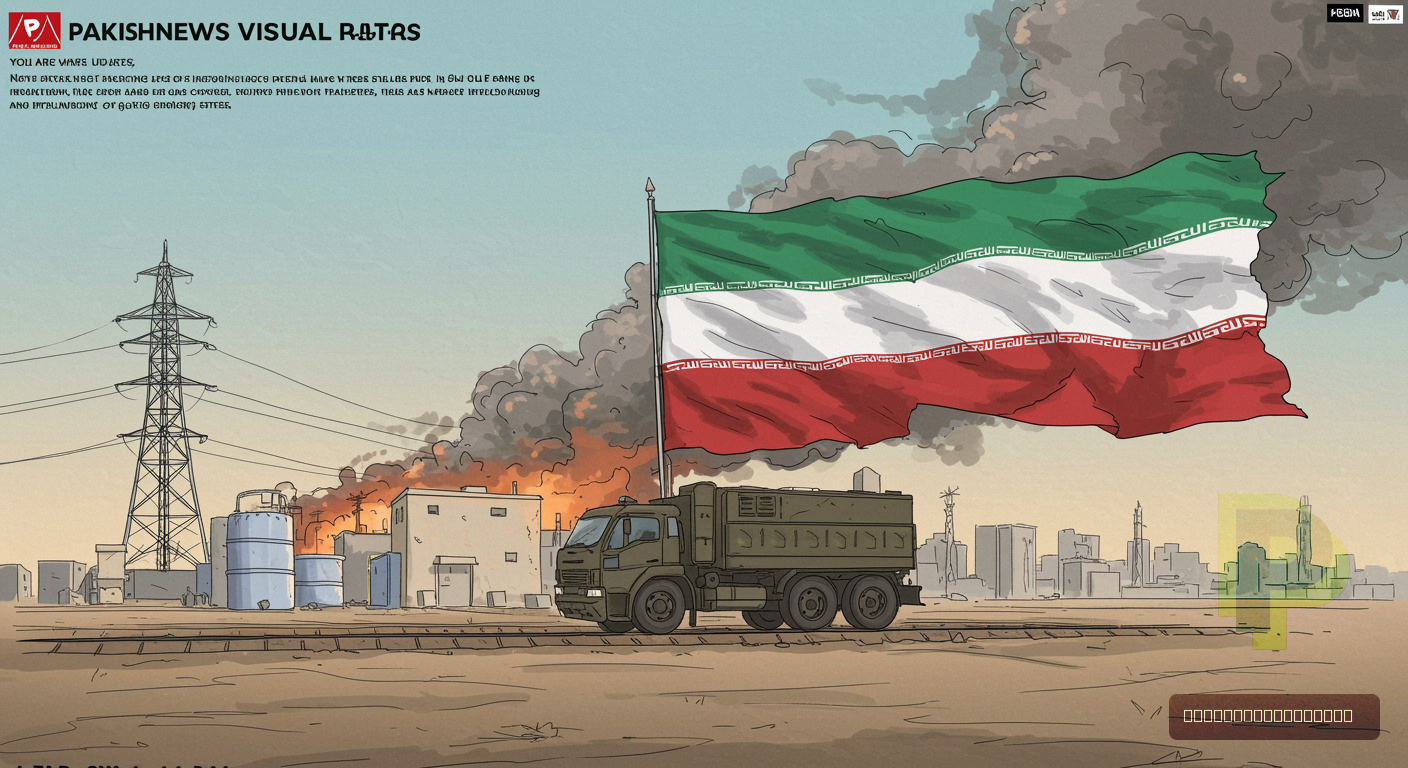
New attacks targeting critical energy infrastructure in the Gulf region have triggered a sharp surge in global oil and gas prices, sending ripples of concern through international markets and exacerbating existing geopolitical tensions. This latest escalation threatens to destabilise an already fragile global economy, with immediate and profound implications for energy-importing nations like Pakistan. The precise nature and perpetrators of these assaults, which occurred over the past 72 hours, remain under investigation by regional authorities, but their immediate effect has been a pronounced market reaction.
- Global oil prices, specifically Brent crude, have surged by over 8% in just three days following new attacks on Gulf energy facilities.
- The Strait of Hormuz, a critical chokepoint for approximately 20% of global oil supply, faces heightened security concerns and increased shipping insurance premiums.
- Pakistan, heavily reliant on imported crude oil and liquefied natural gas (LNG), faces an immediate threat of increased inflation and a ballooning import bill.
- Regional stability in the GCC, including key partners like the UAE and Saudi Arabia, is under renewed pressure, impacting investor confidence and economic diversification efforts.
- International diplomatic efforts are intensifying to de-escalate tensions, but the risk of further disruption to global energy supplies remains high.
The immediate consequence of these attacks is a significant upward pressure on global energy markets, directly impacting consumer prices and national economies worldwide. As of March 2026, Brent crude futures jumped from approximately $85 per barrel to nearly $92 per barrel, while natural gas benchmarks in Europe and Asia also recorded substantial gains, according to data from the International Energy Agency (IEA). This abrupt shift follows a period of relative stability, making the current surge particularly disruptive for countries navigating post-pandemic economic recoveries and persistent inflationary pressures.
Background and Escalating Regional Tensions
The Gulf region has long been a crucible of geopolitical rivalries, where the interplay of energy resources, strategic waterways, and regional power dynamics frequently leads to heightened tensions. The recent attacks are not isolated incidents but rather the latest manifestations of a protracted period of instability. Historically, the Strait of Hormuz, a narrow maritime passage connecting the Persian Gulf with the Arabian Sea, has been a flashpoint. Data from Lloyd's List Intelligence indicates that approximately 21 million barrels of oil per day, representing about 20% of the world's total consumption, transit through this strait. Any disruption here has immediate and severe global repercussions.
As PakishNews previously reported, World Happiness Report Flags Youth Digital Strain, But How Are Gulf Nations….
Over the past decade, the region has witnessed sporadic attacks on tankers, pipelines, and processing facilities, often attributed to non-state actors or escalating proxy conflicts. These events have consistently demonstrated the vulnerability of critical energy infrastructure to asymmetric threats. According to a report by the United States Energy Information Administration (EIA), the concentration of production and export facilities in a relatively confined geographical area makes the Gulf particularly susceptible to such disruptions. The current situation, however, appears to mark a more significant escalation, prompting immediate and widespread international condemnation and calls for restraint from global powers.
Expert Analysis: Economic and Geopolitical Ripple Effects
The implications of these attacks extend far beyond the immediate damage to infrastructure, creating complex economic and geopolitical challenges. Dr. Aisha Al-Balooshi, a Senior Energy Economist at the Gulf Research Centre in Dubai, stated in an interview with PakishNews, "The market reaction is not just about the lost supply, which is minimal in the short term, but primarily about the heightened risk premium. Traders are pricing in the increased probability of future, more severe disruptions. This translates directly into higher shipping insurance costs, longer transit times due to increased security scrutiny, and ultimately, elevated prices at the pump and for industrial consumers globally."
From a geopolitical perspective, Dr. Hassan Askari Rizvi, a prominent Pakistani defence and political analyst, emphasised the delicate balance of power. "These attacks, regardless of attribution, serve to further complicate an already intricate regional security architecture. They test the resolve of international actors and regional states alike. For Pakistan, a country that has historically maintained a careful diplomatic balance with all regional players, this escalation poses significant challenges to its foreign policy objectives and strategic partnerships within the GCC," Dr. Rizvi told PakishNews. He further highlighted the need for robust intelligence sharing and collective security mechanisms to prevent a broader conflict.
Meanwhile, an official from the Ministry of Finance in Islamabad, speaking on condition of anonymity due to the sensitivity of ongoing economic assessments, expressed concern over the immediate financial strain. "Every dollar increase in crude oil prices adds hundreds of millions to Pakistan's annual import bill. Given our current account deficit challenges and ongoing discussions with international financial institutions, this surge is a serious setback. It directly fuels domestic inflation, particularly affecting transport and food prices, and puts immense pressure on the Pakistani Rupee," the official explained, underscoring the urgency of the situation for the national economy.
Impact Assessment: Who is Affected and How?
The ripple effects of these attacks are multi-layered, affecting global economies, regional stability, and critically, the daily lives of citizens in energy-importing nations like Pakistan. Globally, the surge in oil and gas prices threatens to reignite inflationary pressures that central banks have been struggling to contain. The International Monetary Fund (IMF) had projected a global growth rate of 3.1% for 2026; however, this forecast is now under review, with potential downward revisions if energy volatility persists. Higher energy costs directly impact manufacturing, logistics, and agriculture, leading to increased production costs that are ultimately passed on to consumers.
Within the Gulf Cooperation Council (GCC) states, the immediate impact includes increased security expenditures and a potential dampening of foreign direct investment (FDI). Countries like the United Arab Emirates (UAE) and Saudi Arabia, which have ambitious economic diversification programmes such as UAE Vision 2030 and Saudi Vision 2030, rely on regional stability to attract international businesses and tourists. The perception of heightened risk can deter investors, slowing down progress on these critical national development plans. According to data from the UAE's Ministry of Economy, FDI inflows reached approximately $23 billion in 2023; sustained instability could jeopardise future growth.
For Pakistan, the impact is particularly acute and multifaceted. As a net importer of energy, Pakistan's economy is highly sensitive to international oil price fluctuations. In the fiscal year 2024-25, Pakistan's petroleum import bill stood at approximately $18 billion, accounting for a significant portion of its total imports, as reported by the State Bank of Pakistan. A sustained 8% increase in crude oil prices could add an estimated $1.44 billion to this bill annually, further widening the current account deficit and depreciating the Pakistani Rupee against the US Dollar. This directly translates to higher domestic fuel prices, impacting transportation costs for commuters and goods, and increasing the cost of electricity generation, much of which relies on imported furnace oil and LNG.
Why does this matter? The rise in energy costs directly fuels inflationary spirals within Pakistan, pushing up the prices of essential commodities. The Pakistan Bureau of Statistics reported consumer price inflation at 28.3% in January 2026. Higher fuel costs will exacerbate this, making daily life more challenging for the average Pakistani household. Industries, particularly manufacturing and agriculture, will face increased operational costs, potentially leading to reduced output, job losses, and a slowdown in economic activity. The government, already grappling with fiscal constraints and a substantial public debt, will find its subsidy programmes more expensive and its ability to fund development projects curtailed. This also puts pressure on Pakistan's energy security strategy, including long-term LNG contracts and the development of indigenous energy resources, which may not be able to offset the immediate shock.
Furthermore, the disruption poses challenges to regional connectivity initiatives, including the China-Pakistan Economic Corridor (CPEC). While CPEC projects are primarily infrastructure-focused, the broader economic climate, influenced by energy prices and regional stability, affects trade volumes and investment sentiment. Pakistan's diplomatic efforts to foster stronger bilateral relations with GCC countries, particularly in trade and investment, could also be subtly influenced by the perceived security risks in the Gulf. As PakishNews previously reported on Pakistan-UAE trade agreements, these partnerships are vital for Pakistan's economic resilience.
What Happens Next: Navigating a Volatile Landscape
The immediate focus for international actors will be on de-escalation and securing vital shipping lanes. The United Nations Security Council is expected to convene emergency sessions to discuss the situation, calling for adherence to international maritime law and seeking diplomatic pathways to reduce tensions. Regional naval forces, possibly supported by international partners, may increase patrols in the Strait of Hormuz and surrounding waters to reassure shipping companies and deter further attacks. However, the effectiveness of these measures will depend on the political will of all parties involved.
Economically, governments worldwide, including Pakistan, will be evaluating their strategic petroleum reserves and exploring options to mitigate the impact of soaring prices. This could include temporary tax cuts on fuel, targeted subsidies for vulnerable populations, or accelerated efforts to diversify energy sources. For Pakistan, this might involve re-evaluating its energy mix, pushing for faster development of renewable energy projects, and seeking more favourable long-term energy supply contracts. Read more on Pakistan's ongoing energy challenges at PakishNews.
Stakeholders should watch for several key indicators. Firstly, the intensity and frequency of any further attacks will be critical. A sustained campaign of disruption would signal a significant escalation. Secondly, the nature of diplomatic engagement between regional powers and international mediators will determine the likelihood of a peaceful resolution. Thirdly, the response of major oil-producing nations, particularly within OPEC+, regarding supply adjustments will influence market stability. Finally, for Pakistan, the government's ability to manage its fiscal situation and protect its most vulnerable citizens from inflationary pressures will be a crucial test in the coming months.
The current situation underscores the interconnectedness of global energy markets and geopolitical stability. While the immediate focus is on managing the crisis, the long-term imperative for energy-importing nations like Pakistan is to build greater resilience through diversification, strategic reserves, and proactive diplomacy to navigate an increasingly volatile world.
Related: More World News | Oil Prices
Related Coverage
- World Happiness Report Flags Youth Digital Strain, But How Are Gulf Nations Safeguarding Future…
- Yeshiva World News Hit by Suspected Iran-Linked Cyberattack, But What Are the Broader Regional…
- Trump Threatens World's Largest Gas Field, What Does This Mean For Gulf And Pakistan?
Archive Discovery
- How To Extra Make Money Working From Home
- "Embrace Change: How Small Steps Lead to Big Life Transformations"
- A Skin Cream That’s Proven to Work: Your Secret to Flawless Skin
Quick Answers (AI Overview)
- What happened in this story?
New attacks targeting critical energy infrastructure in the Gulf region have triggered a sharp surge in global oil and gas prices, sending ripples of concern through international markets and exacerbating existing geopol - Why does this matter right now?
It matters because gulf energy sites attacked, oil prices surge: what does this mean for pakistan's fuel security? can impact public discussion, policy, or regional stability depending on follow-up events. - What should readers watch next?
Watch for official statements, verified facts, and timeline updates from credible sources including The New York Times.
Frequently Asked Questions
What is the core update in this story?
New attacks targeting critical energy infrastructure in the Gulf region have triggered a sharp surge in global oil and gas prices, sending ripples of concern through international markets and exacerbating existing geopolitical tensions. This latest escalation threatens to destabilise an already fragile global economy,
Why does this matter right now?
This matters because the development can influence public debate, policy direction, and the wider regional situation.
What should readers monitor next?
Follow official statements, verified facts, and timeline updates from reliable sources.