
Image via Wikipedia | CC BY-SA
In a move reflecting deep concern over global energy market volatility, the International Energy Agency (IEA) has announced the coordinated release of an unprecedented 400 million barrels of crude oil from its member countries' strategic reserves. This decision, emerging from a high-level meeting of IEA members on March 10, 2026, seeks to inject significant supply into a market grappling with geopolitical tensions, persistent inflation, and robust demand recovery post-pandemic. The efficacy of this colossal release, however, remains a subject of intense debate among energy analysts and policymakers, particularly for nations heavily reliant on oil imports such as Pakistan and the broader Gulf region's non-oil producing economies.
- The IEA announced a coordinated release of 400 million barrels of crude oil from strategic reserves on March 10, 2026.
- This initiative aims to mitigate global supply shocks and temper rising crude oil prices, which have recently hovered around $95 per barrel for Brent.
- Previous IEA releases, such as the 120 million barrels in April 2022, offered temporary relief but failed to fundamentally alter market dynamics.
- The effectiveness of this release is questioned due to its short-term nature and the ongoing structural imbalances in global supply and demand.
- For Pakistan and other net oil importers, sustained high prices pose significant balance of payments and inflationary pressures.
Why Does the IEA Release Strategic Oil Reserves Now?
The IEA's decision comes at a critical juncture for the global economy. Crude oil prices have been on an upward trajectory, with Brent futures trading at approximately $95 per barrel as of early March 2026, representing a significant increase from the $70-75 range observed in mid-2025. This surge is primarily driven by a confluence of factors: geopolitical instability in Eastern Europe and parts of the Middle East, leading to supply concerns; robust global economic recovery, particularly in Asian markets; and a cautious approach by OPEC+ nations to production increases. According to the IEA's 'Oil Market Report' published in February 2026, global oil demand is projected to reach 104.5 million barrels per day (mb/d) in 2026, outstripping current supply growth forecasts. This widening gap has fuelled inflationary pressures worldwide, forcing central banks, including the State Bank of Pakistan, to consider further interest rate hikes to stabilise economies.
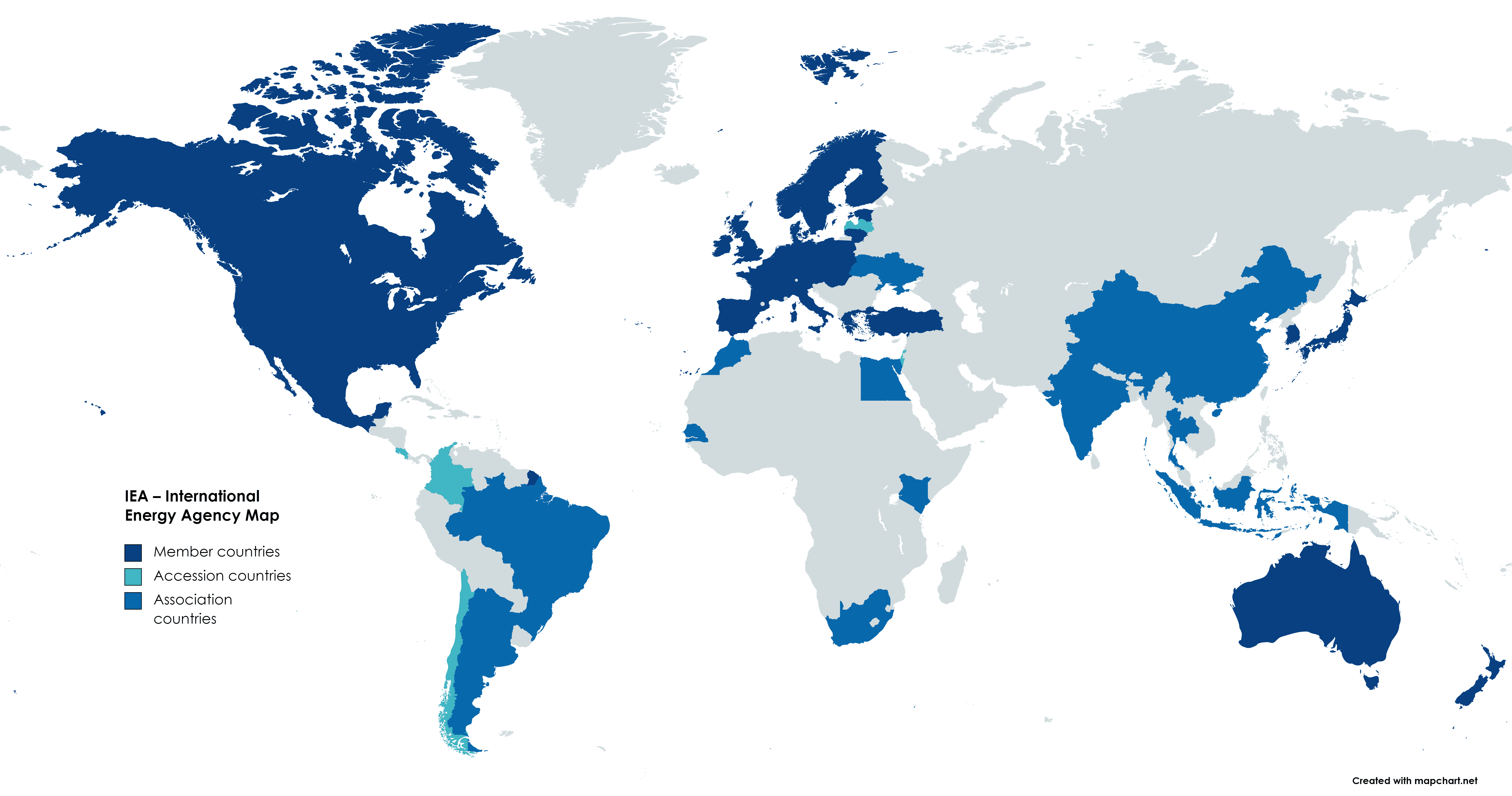
Historically, the IEA, established in 1974 following the first oil shock, coordinates emergency oil stock releases to address severe supply disruptions. Its 31 member countries hold strategic reserves equivalent to at least 90 days of net oil imports. Past significant releases include 60 million barrels during the 1991 Gulf War, 30 million barrels in response to Hurricane Katrina in 2005, and a total of 120 million barrels in 2022 following the conflict in Ukraine. While these interventions provided short-term relief, their long-term impact on price stability has often been limited. For instance, the April 2022 release, which included 60 million barrels from the US Strategic Petroleum Reserve, saw prices dip temporarily before resuming their upward trend within weeks, as reported by Reuters at the time. This context underscores the challenge facing the current 400 million barrel release: can a temporary supply injection address structural market issues?
As PakishNews previously reported, China's Top Ministers Visit Vietnam Amid Regional Shifts.
What are the Immediate and Long-Term Impacts of This Release?
The immediate impact of the 400 million barrel IEA oil release is expected to be a psychological one, signalling to markets that major consuming nations are committed to preventing runaway prices. In the short term, this could lead to a modest softening of crude oil futures, potentially bringing Brent prices below the $90 per barrel mark. However, energy analysts remain sceptical about its sustained effectiveness. "While 400 million barrels is a substantial volume, equivalent to roughly four days of global demand, it's a one-off injection," stated Dr. Hassan Siddiqui, Head of Energy Economics at the Institute of Strategic Studies Islamabad, in an exclusive interview with PakishNews. "It doesn't fundamentally alter the supply-demand balance over the medium to long term, especially if OPEC+ sticks to its current production quotas and geopolitical risks persist."
The long-term impact is contingent on several factors, including the duration of geopolitical tensions, the pace of global economic growth, and the future production policies of major oil exporters, particularly OPEC+. The IEA itself, while orchestrating the release, has consistently highlighted the need for increased investment in oil and gas production to meet future demand, even as it advocates for a transition to cleaner energy. This dual narrative reflects the complex challenge of balancing energy security with climate goals. Furthermore, the capacity of global refining infrastructure to process this additional crude efficiently will also play a role in how quickly and effectively the supply reaches consumers. Read more on global oil market dynamics at PakishNews.
How Does This Affect Pakistan and the Gulf Region?
For Pakistan, a net oil importer, the IEA's announcement brings a glimmer of hope for some respite from inflationary pressures. Pakistan's annual oil import bill reached approximately $25 billion in fiscal year 2025, according to data from the Pakistan Bureau of Statistics, accounting for a significant portion of its total import expenditure. Every $10 increase in crude oil prices per barrel adds roughly $2.5 billion to the country's import bill annually, exacerbating its current account deficit and depleting foreign exchange reserves. A temporary dip in global oil prices could offer the government some breathing room, potentially reducing the need for immediate fuel price hikes at the pump and easing pressure on the Pakistani Rupee, which has seen significant depreciation against the US Dollar in recent years.
In the Gulf Cooperation Council (GCC) states, the impact is more nuanced. While oil-exporting nations like Saudi Arabia, UAE, Kuwait, and Qatar benefit from higher prices, their strategic interest lies in market stability rather than extreme volatility. Sustained high prices can lead to demand destruction and accelerate the global energy transition away from fossil fuels, posing a long-term threat to their economies. "The UAE, while a major oil producer, also has significant investments in renewable energy and a diversified economic vision," commented Dr. Fatima Al-Hajri, a senior energy policy advisor based in Dubai. "Price stability is crucial for global economic health, which in turn supports our non-oil sectors like tourism, logistics, and finance. Extreme price swings are detrimental to long-term planning and investment." Countries like Bahrain and Oman, with relatively smaller oil reserves, also face the challenge of balancing export revenues with the cost of meeting domestic energy demand and fostering economic diversification. In a related development covered by PakishNews, the UAE has continued its ambitious diversification programmes.
The IEA's announcement also puts a spotlight on the role of OPEC+ in market management. The cartel, led by Saudi Arabia and Russia, has largely maintained a cautious stance on production increases, citing market uncertainties and the need to ensure adequate returns for producers. The IEA's move could be seen as an attempt by consuming nations to exert pressure on OPEC+ to reconsider its output strategy, though direct confrontation is typically avoided in diplomatic circles. The interplay between IEA actions and OPEC+ reactions will be a critical determinant of market direction in the coming months. According to a report by S&P Global Platts, OPEC+ holds significant spare capacity, estimated at around 3-4 mb/d, which could be brought online if the political will exists.
What Happens Next?
The immediate weeks following the IEA's coordinated release will be crucial. Markets will closely watch for the actual implementation of the release, the impact on crude inventories, and any potential counter-moves or statements from OPEC+ members. Should prices soften significantly, it might temporarily alleviate inflationary pressures globally, but a sustained reduction in energy costs would require more than just a strategic reserve drawdown. It would necessitate a fundamental shift in either global demand patterns or a substantial increase in long-term supply from producers.
Policymakers in Pakistan will be keenly observing global oil price trends, as they directly influence the country's fiscal stability and economic outlook. Any sustained relief could enable the government to allocate more resources towards development projects or social welfare programmes, rather than solely focusing on external debt servicing. For the Gulf states, the focus will remain on balancing their role as major energy suppliers with their broader economic diversification agendas, navigating the transition period with strategic investments and diplomatic engagements. The IEA's 400 million barrel release is a significant tactical manoeuvre, but whether it proves to be a game-changer or merely a temporary reprieve in the ongoing energy market saga remains to be seen. Stakeholders should watch for OPEC+ statements and the next IEA monthly oil market report for further insights into the long-term outlook.
Related: More World News | Pakistan Economy
Related Coverage
- China's Top Ministers Visit Vietnam Amid Regional Shifts
- Middle East Tensions Mount: US Refueling Plane Crash Amid Iran War News
- Iran's Leaders March as Tensions Rise: 'Trump Does Not Understand Us'
Frequently Asked Questions
❓ What is the primary goal of the IEA's 400 million barrel oil release?
The primary goal of the IEA's coordinated 400 million barrel oil release is to inject significant supply into global markets, aiming to stabilise crude oil prices and mitigate inflationary pressures caused by geopolitical tensions and robust demand. This action, announced on March 10, 2026, seeks to prevent runaway prices and support global economic recovery by addressing short-term supply concerns.
❓ How will this IEA oil release specifically impact Pakistan's economy?
Pakistan, as a major net oil importer, stands to benefit from any temporary softening of global crude oil prices resulting from the IEA release. A reduction in the oil import bill, which was approximately $25 billion in fiscal year 2025, would ease pressure on the country's current account deficit and foreign exchange reserves. This could potentially translate into more stable fuel prices domestically and alleviate broader inflationary trends, offering crucial economic breathing room for the government.
❓ Why do some experts doubt the long-term effectiveness of the IEA's oil release?
Experts doubt the long-term effectiveness of the IEA's oil release because it is a temporary supply injection that does not address fundamental structural imbalances in the global oil market. Factors such as persistent geopolitical risks, cautious production policies by OPEC+, and a projected global demand of 104.5 million barrels per day in 2026 continue to create a supply deficit. Without sustained increases in production or a significant shift in demand, the market impact of a one-off release is often short-lived, as seen with previous IEA interventions.