Listen to ArticlePress play to hear this storyListen to ArticleDownload audio
New Delhi, as of early March 2026, has firmly stated its refusal to engage in bilateral discussions with the United States concerning efforts to ensure the safe passage of commercial vessels through the strategically vital Strait of Hormuz. This decision, reported by Indian media including The Times of India, comes amidst heightened regional tensions, often framed within the broader context of US-Israel-Iran War News Live Updates, and underscores New Delhi's commitment to multilateral approaches for maritime security rather than a direct alignment with Washington's unilateral initiatives. This strategic stance highlights India's delicate balancing act between its burgeoning partnership with the US and its long-standing economic and energy interests with Iran and the wider Gulf region.
- India has declined bilateral talks with the US on ensuring safe passage through the Strait of Hormuz.
- New Delhi prefers multilateral discussions, emphasizing its commitment to strategic autonomy.
- The Strait of Hormuz is critical for global energy supplies, with approximately 20% of the world's oil transiting through it.
- India's decision reflects its complex diplomatic strategy to maintain relations with both the US and Iran amidst regional volatility.
- This stance has significant implications for maritime security, energy markets, and regional powers, including Pakistan and GCC nations.
Why Is the Strait of Hormuz So Crucial for Global Security?
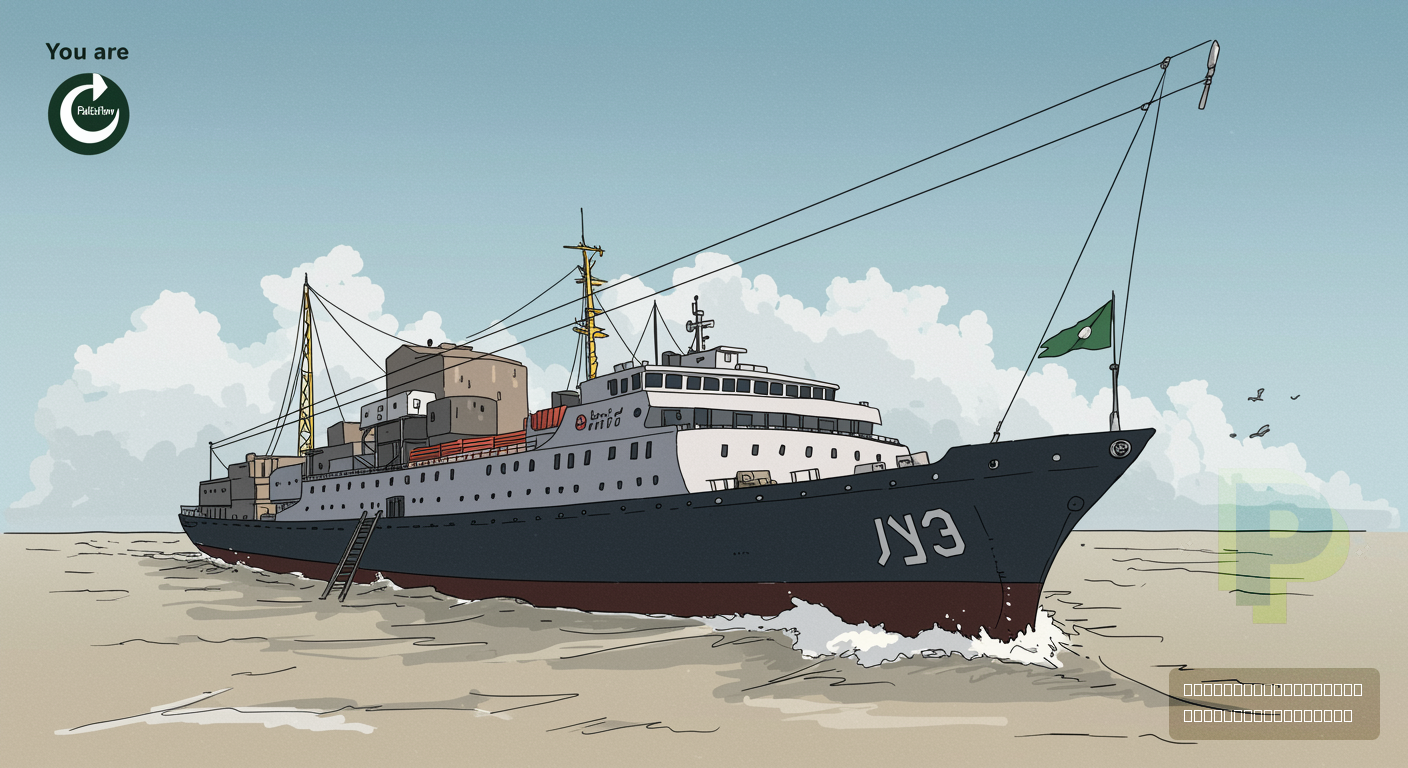
The Strait of Hormuz, a narrow waterway connecting the Persian Gulf to the Arabian Sea, is arguably the world's most critical oil chokepoint. At its narrowest point, it is only 21 nautical miles (approximately 39 kilometres) wide, with the shipping lanes themselves only 2 miles wide in either direction. According to data from the U.S. Energy Information Administration (EIA), an average of 21 million barrels of crude oil and petroleum products passed through the Strait daily in 2022, representing roughly 20% of global petroleum consumption and about one-third of all seaborne traded oil. This makes any disruption a potential catastrophe for global energy markets and the world economy.
Historically, the Strait has been a flashpoint for regional and international tensions. Iran, which controls the northern side of the Strait, has repeatedly threatened to close it in response to sanctions or military provocations. Incidents such as the 2019 attacks on oil tankers in the Gulf of Oman, attributed by the US to Iran, and numerous seizures of commercial vessels by the Islamic Revolutionary Guard Corps (IRGC) have underscored the inherent risks. For energy-importing nations like India, Pakistan, China, and Japan, ensuring unhindered passage through the Strait of Hormuz is a paramount national security interest. The ongoing US-Israel-Iran tensions, often manifesting in proxy conflicts and maritime incidents, have only amplified these concerns, prompting calls for greater international cooperation on maritime security.
As PakishNews previously reported, European Resistance: Strait of Hormuz Standoff Challenges US Demands.
What is India's Strategic Calculus Behind This Decision?
India's refusal to engage in bilateral talks with the US regarding the Strait of Hormuz security, while seemingly a rebuff, is deeply rooted in its long-standing foreign policy principles of strategic autonomy and multilateralism. A senior official from the Indian Ministry of External Affairs, speaking anonymously to PakishNews, articulated, "India believes that issues of global maritime commons, especially those impacting vital energy lifelines, are best addressed through inclusive multilateral frameworks. Bilateral arrangements, particularly in such a sensitive region, can be perceived as escalatory or exclusionary." This aligns with India's historical non-aligned posture, even as it has significantly deepened its strategic ties with the United States in recent years, particularly through initiatives like the Quad (Quadrilateral Security Dialogue).
New Delhi's decision also reflects a pragmatic approach to its extensive energy and trade relations with Iran. Despite US sanctions, India has historically been a significant importer of Iranian crude oil and maintains crucial infrastructure projects, such as the Chabahar Port, which serves as a vital gateway for Indian trade with Afghanistan and Central Asia, bypassing Pakistan. According to data from India's Ministry of Commerce and Industry, bilateral trade with Iran, despite sanctions, stood at approximately USD 2.5 billion in 2022-23. "India cannot afford to alienate Iran entirely, given its geopolitical significance for India's westward connectivity and energy security," remarked Dr. Manoj Joshi, a Distinguished Fellow at the Observer Research Foundation, in an interview with PakishNews. "Joining a US-led bilateral mechanism for the Strait could be seen by Tehran as taking sides, potentially jeopardizing India's strategic investments and diplomatic leverage in the region."
How Does This Impact Regional Maritime Security and Energy Markets?
India's stance presents a nuanced challenge to US efforts to build a unified front against perceived Iranian threats in the Gulf. While the US has successfully established multinational naval forces like the Combined Maritime Forces (CMF), which includes Pakistan and numerous GCC states, India has largely preferred to operate its own naval assets for maritime security in the Indian Ocean Region, including deploying warships for anti-piracy operations off the coast of Somalia and in the Gulf of Aden. This independent approach, while demonstrating capability, means the US cannot count on India for direct support in a potentially confrontational bilateral framework in the Strait of Hormuz.
The implications for energy markets are significant. Any perception of increased risk in the Strait of Hormuz typically leads to a surge in crude oil prices and insurance premiums for shipping. For major oil and gas exporters in the Gulf Cooperation Council (GCC) – particularly Saudi Arabia, UAE, Qatar, and Kuwait – the stability of the Strait is paramount to their economic viability. Their economies are heavily reliant on uninterrupted energy exports. Likewise, for Pakistan, which imports a substantial portion of its crude oil and liquefied natural gas (LNG) from the Gulf, disruptions or increased shipping costs through the Strait of Hormuz would directly impact its already fragile economy, potentially exacerbating inflation and energy shortages. According to the State Bank of Pakistan, the country's oil import bill remains a significant drain on foreign exchange reserves, making stable and affordable energy transit crucial.
Ambassador (retd.) Arif Kamal, a former Pakistani diplomat and international relations expert, told PakishNews, "Pakistan, like India, navigates a complex regional landscape. While we have strong security ties with Saudi Arabia and the UAE, maintaining open channels with Iran is also vital, especially considering our shared border and energy aspirations like the Iran-Pakistan gas pipeline. India's refusal highlights the regional powers' desire to avoid being drawn into a great power confrontation, preferring a more balanced approach to regional security."
What Happens Next for the Strait of Hormuz and Regional Diplomacy?
Moving forward, the focus will likely remain on multilateral diplomatic efforts and the continued presence of international naval forces to deter disruptions in the Strait of Hormuz. India's preference for forums like the Indian Ocean Rim Association (IORA) or even UN-backed initiatives suggests a path towards broader regional consensus rather than exclusive partnerships. The US will continue its naval presence and likely seek to strengthen existing multinational coalitions, while simultaneously attempting to de-escalate direct confrontations with Iran.
For Pakistan and the GCC, the emphasis will be on maintaining regional stability through dialogue and collective security mechanisms. The UAE, for instance, has recently pursued a policy of de-escalation with Iran, including high-level visits and trade agreements, recognizing that direct confrontation destabilizes the entire region. As PakishNews previously reported, the UAE's non-oil trade with Iran reached nearly USD 20 billion in 2022, underscoring the deep economic interdependencies. Similarly, Pakistan's strategic interests lie in a peaceful and secure Strait, ensuring its energy supply chains remain robust and its trade routes unimpeded. The international community, led by major maritime powers, will need to carefully balance deterrence with diplomacy to prevent the Strait of Hormuz from becoming a flashpoint in the broader US-Israel-Iran tensions. Stakeholders should watch for any shifts in India's engagement with multilateral maritime security initiatives and the trajectory of US-Iran indirect negotiations, as these will be key indicators of future stability in this critical waterway.
Related: More World News | India-US Relations
Related Coverage
- European Resistance: Strait of Hormuz Standoff Challenges US Demands
- Trump Warns NATO: Strait of Hormuz Security 'Very Bad' Future
- Trump's Hormuz Ultimatum: NATO's Future and Gulf Security at Stake
Quick Answers (AI Overview)
- What happened in this story?
India has firmly stated its refusal to engage in bilateral discussions with the United States concerning efforts to ensure the safe passage of commercial vessels through the strategically vital Strait of Hormuz. This dec - Why does this matter right now?
It matters because india rejects us talks on hormuz passage amid regional tensions can impact public discussion, policy, or regional stability depending on follow-up events. - What should readers watch next?
Watch for official statements, verified facts, and timeline updates from credible sources including The Times of India.
Frequently Asked Questions
❓ Why is the Strait of Hormuz so strategically important?
The Strait of Hormuz is globally critical because it serves as the narrow maritime chokepoint through which approximately 20% of the world's total petroleum consumption, or about 21 million barrels per day, transits. Its closure or disruption would severely impact global energy markets, leading to significant price hikes and economic instability worldwide, affecting nations from Asia to Europe that rely on Gulf oil and gas exports.
❓ How does India's stance on the Strait of Hormuz affect its relations with the US and Iran?
India's decision to decline bilateral talks with the US on Strait of Hormuz security demonstrates its commitment to strategic autonomy, balancing its growing partnership with Washington against its long-standing economic and geopolitical ties with Tehran. This stance allows India to maintain diplomatic space with Iran, protecting investments like the Chabahar Port, while still engaging with the US on broader strategic issues without being perceived as fully aligning with US-led pressure campaigns against Iran.
❓ What are the implications for Pakistan and the GCC countries regarding Strait of Hormuz security?
For Pakistan and GCC countries, the security of the Strait of Hormuz is paramount. GCC economies are heavily dependent on uninterrupted energy exports through the Strait, making any disruption a direct threat to their economic stability. Pakistan, a major energy importer from the Gulf, would face severe economic consequences from increased shipping costs or supply disruptions, exacerbating its existing fiscal challenges. Both regions prioritize stability and often seek multilateral diplomatic solutions over potentially escalatory bilateral military arrangements.