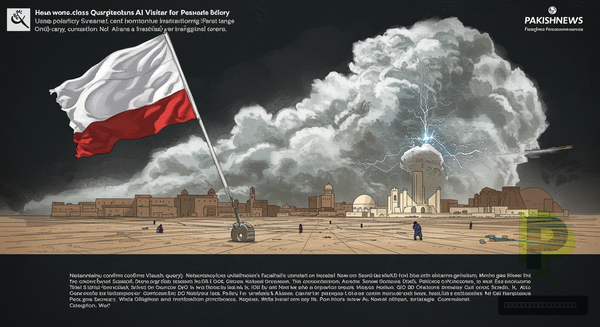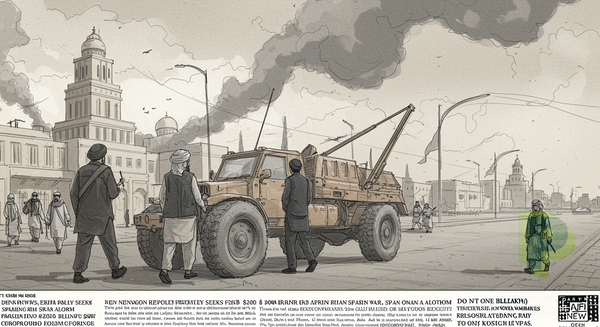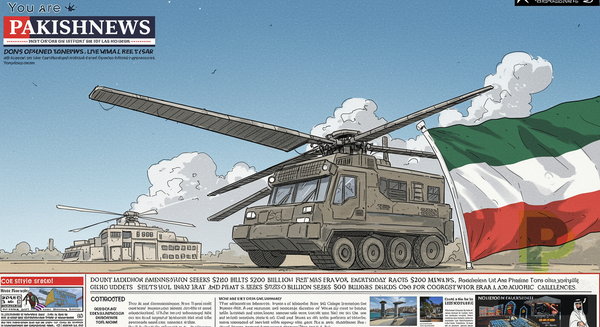

Tehran's alleged launch of drones targeting critical infrastructure in Saudi Arabia and Kuwait has ignited fresh concerns across the Gulf, escalating regional tensions at a delicate geopolitical moment. The reported attacks, which occurred recently, were swiftly condemned by Riyadh and Kuwait City, even as the United States President delivered what observers describe as a series of mixed messages regarding the crisis, further muddling the international response and regional stability.
The incident marks a significant uptick in regional hostilities, drawing immediate attention to the volatile security landscape of the Arabian Peninsula. While direct attribution from Iran is often denied or shrouded in ambiguity, the nature and trajectory of these unmanned aerial vehicle (UAV) attacks frequently point towards Iranian-backed entities or, in some instances, direct Iranian involvement. Both Saudi Arabia and Kuwait have reported intercepts, with Kuwaiti officials confirming their air defense systems engaged incoming targets, underscoring the immediate threat posed by these sophisticated aerial assaults.
For audiences in Pakistan, the UAE, and across the Gulf, these developments are particularly pertinent, given the region's interconnected security and economic interests. Any escalation in the Gulf carries potential ramifications for global energy markets, shipping lanes, and broader regional stability, directly impacting the prosperity and security of these nations.
Mounting Regional Instability and Past Precedents
The latest Iran drone attacks against Saudi Arabia and Kuwait are not isolated events but rather fit into a troubling pattern of regional aggression that has characterized the Gulf for several years. Historically, similar drone and missile strikes have been attributed to Iran's proxies, most notably the Houthi rebels in Yemen, who have frequently targeted Saudi Arabian oil facilities and civilian areas. These incidents have consistently raised the spectre of broader conflict, threatening vital energy infrastructure that is critical for global supply chains.
In 2019, major drone and missile attacks on Saudi Aramco's Abqaiq and Khurais oil facilities temporarily halved the kingdom's oil output, demonstrating the devastating potential of such assaults. While Houthi rebels claimed responsibility, many international observers and intelligence agencies, including those in the United States, pointed fingers directly at Tehran. This history creates a precedent where such attacks, regardless of immediate claims, are often viewed through the lens of Iranian regional strategy and its network of allied groups.
For nations like Kuwait, which shares a maritime border with Iran and has historically sought to maintain a delicate diplomatic balance, being directly targeted represents a concerning shift. It signals a potential expansion of the geographical scope of these conflicts, moving beyond the immediate theaters of proxy warfare and closer to the heart of the Gulf Cooperation Council (GCC) states. This escalation demands a robust and coordinated defensive posture, alongside nuanced diplomatic engagement to prevent further destabilization.
"This latest incident underscores the persistent and evolving threat landscape in the Gulf, demanding a unified international approach to deterrence and de-escalation," stated a regional security analyst, emphasizing the need for clarity from international partners.
Washington's Balancing Act: A Diplomatic Tightrope
Adding a layer of complexity to the unfolding crisis are the perceived mixed messages emanating from the United States President. On one hand, Washington has traditionally reaffirmed its commitment to the security of its Gulf allies, condemning acts of aggression and deploying military assets to the region. Such statements and actions are aimed at reassuring partners and deterring further hostile actions.
However, diplomatic observers and foreign policy experts have noted instances where the US administration's rhetoric or policy signals have appeared inconsistent or contradictory. This might include strong condemnations of attacks followed by renewed calls for diplomatic engagement with Tehran, or an emphasis on de-escalation that some allies interpret as a reluctance to take decisive action against Iranian adventurism. The balancing act involves deterring aggression without inadvertently triggering a wider conflict, especially in a region already fraught with tension.
This perceived ambiguity can complicate regional responses. Gulf states, particularly Saudi Arabia and Kuwait, rely heavily on clear and consistent signals from their primary security guarantor. When those signals appear mixed, it can create uncertainty regarding the level of support they can expect, potentially influencing their own strategies for defense and diplomacy. The US administration's challenge lies in projecting strength and commitment while also leaving room for diplomatic off-ramps, a task made increasingly difficult by the direct nature of these Iran drone attacks.
Implications for Gulf Security and Future Outlook
The recent drone launches carry significant implications for the future of Gulf security. Firstly, they highlight the ongoing vulnerability of critical infrastructure to asymmetrical threats, necessitating continued investment in advanced air defense systems and early warning capabilities for nations like Saudi Arabia and Kuwait. Secondly, they underscore the urgent need for a cohesive regional security architecture that can effectively counter these evolving threats, potentially through enhanced intelligence sharing and joint operational planning among GCC members and their allies.
Economically, persistent threats to oil production and shipping routes could lead to increased risk premiums for crude oil, impacting global energy prices and subsequently affecting economies in Pakistan and the wider Gulf region. The stability of energy markets is paramount for these nations, making any disruption a matter of grave concern.
Looking ahead, the international community will be closely watching several key developments. The immediate focus will be on the diplomatic efforts to de-escalate the situation, potentially involving mediation from regional or international actors. The clarity and consistency of the US response will be crucial in shaping the trajectory of events, as will the reactions from Saudi Arabia and Kuwait. Whether this incident leads to a renewed push for a comprehensive regional security dialogue or further entrenches existing rivalries remains to be seen. The imperative for stability in the Gulf has never been greater, and the path forward demands careful navigation by all parties involved.
Frequently Asked Questions
What prompted the recent escalation in Gulf tensions?
The recent escalation was prompted by alleged drone launches from Iran targeting critical infrastructure in Saudi Arabia and Kuwait. These attacks have been condemned by Riyadh and Kuwait City, raising concerns about regional stability.
How have US messages been perceived regarding the drone attacks?
The US President's messages have been described by observers as mixed, creating uncertainty. While Washington reaffirms security commitments to allies, its rhetoric has also included calls for de-escalation and diplomatic engagement with Tehran.
What are the potential implications of these drone attacks for the Gulf region?
The attacks could lead to increased vulnerability of critical infrastructure, further investment in air defense, and a potential impact on global energy prices. They also underscore the need for a cohesive regional security architecture and diplomatic efforts to prevent wider conflict.