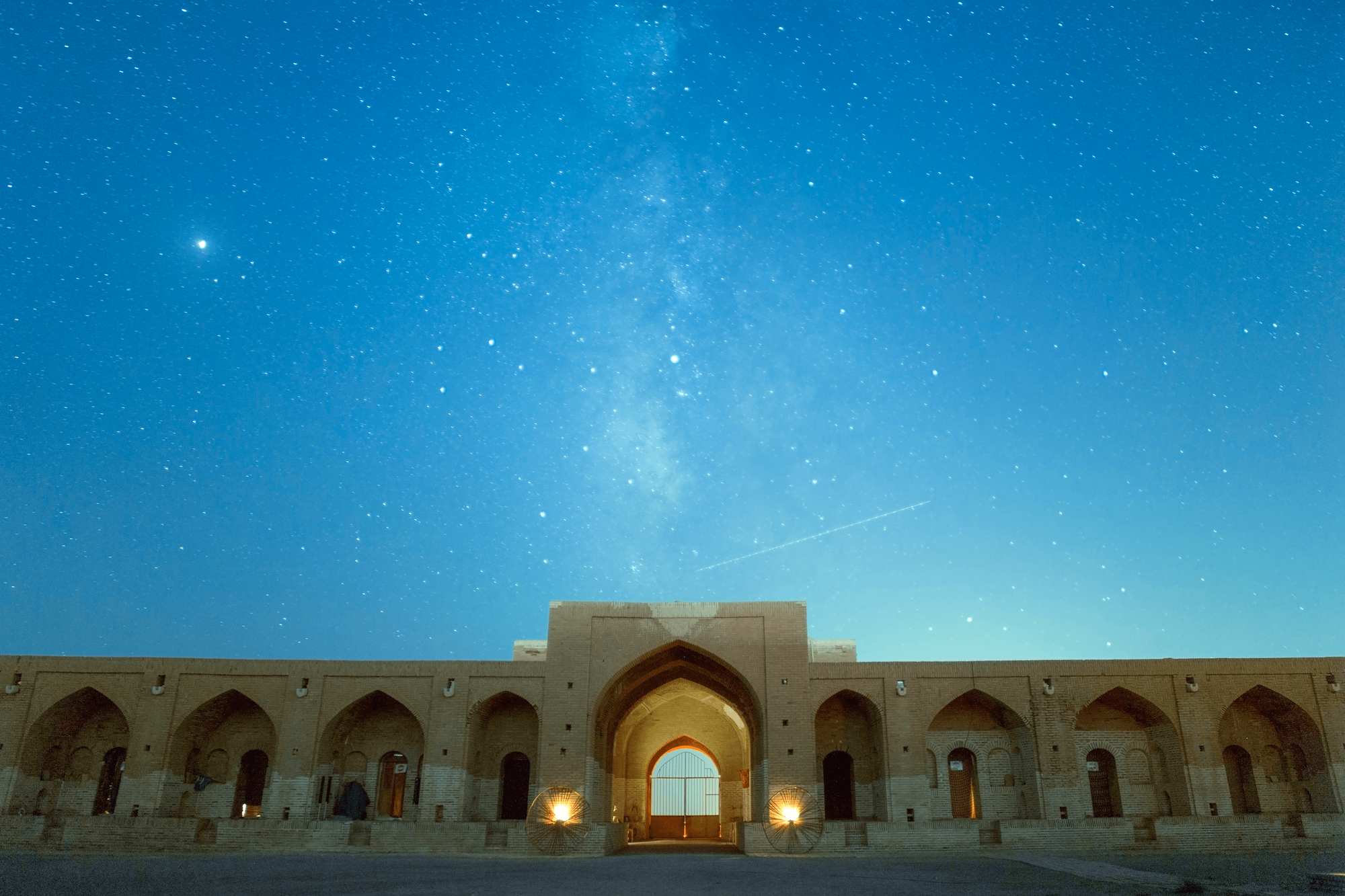
Image: Mostafameraji via Wikimedia Commons | CC BY-SA 4.0
The geopolitical chessboard of the Middle East is once again gripped by heightened anxieties as Iran issues explicit threats to critical energy infrastructure, intensifying regional instability and sending ripples of uncertainty across the global economy. This escalation, particularly concerning Iran energy infrastructure threats, poses a significant challenge to international oil supplies and maritime security, directly impacting the economic stability of the Gulf states and Pakistan. Updated March 12, 2026.
- Iran has issued explicit threats targeting regional energy infrastructure, primarily in response to ongoing Middle East conflicts.
- The Strait of Hormuz, a vital chokepoint for global oil and Liquefied Natural Gas (LNG) shipments, is central to these warnings.
- Global crude oil prices, exemplified by Brent futures reaching $90 a barrel in early March 2026, are experiencing significant volatility.
- Gulf Cooperation Council (GCC) states are bolstering maritime security and pursuing diplomatic de-escalation while diversifying their economies.
- Pakistan, heavily reliant on imported energy and remittances from the Gulf, faces amplified inflationary pressures and current account vulnerabilities.
Why Iran's Stance Matters for Global Energy?
Iran's recent warnings regarding its potential to disrupt energy flows are not unprecedented but carry amplified weight amidst a deeply volatile Middle East. Historically, Tehran has leveraged its strategic position, particularly its control over key chokepoints, as a means of political and economic deterrence. The most critical of these is the Strait of Hormuz, a narrow maritime passage between the Persian Gulf and the Gulf of Oman, through which approximately 20% of the world's total petroleum liquids and 25% of global LNG trade passed in 2023, according to data from the U.S. Energy Information Administration (EIA).
This strategic calculus is rooted in Iran's long-standing geopolitical doctrine, which views its energy leverage as a crucial counterweight to perceived external pressures and sanctions. The current regional instability, exacerbated by the ongoing conflict in Gaza, maritime attacks in the Red Sea attributed to Yemen's Houthi movement, and proxy engagements across Iraq and Syria, provides a potent backdrop for these threats. Senior Iranian Revolutionary Guard Corps (IRGC) commanders have, on multiple occasions since late 2025, reiterated their capacity and intent to respond robustly to any perceived aggression, often implicitly or explicitly referencing the country's ability to influence maritime traffic and energy infrastructure in the region, as reported by state media outlets.
As PakishNews previously reported, US Refueling Plane Crash in Iraq: A Regional Stability Test.
How Do Iran's Threats Impact World Markets?
The immediate and most palpable effect of Iran energy infrastructure threats is felt in global energy markets. As of early March 2026, Brent crude futures surged past $90 per barrel, a notable increase from the $82 average observed in late 2025. This volatility is driven by speculative trading and genuine concerns over supply disruptions, even in the absence of actual attacks. According to Dr. Omar Al-Ubaidli, Director of Research at the Bahrain Centre for Strategic, International and Energy Studies (Derasat), "The mere perception of risk in a region responsible for such a significant portion of global energy supply is enough to trigger market instability, irrespective of direct action. The uncertainty itself is a commodity."
Beyond crude oil, the potential for disruption extends to LNG shipments, a critical energy source for Europe and Asia. Insurance premiums for tankers operating in the Persian Gulf and Arabian Sea have reportedly climbed by 15-20% since December 2025, according to Lloyd's List Intelligence. This rise in operational costs for shipping translates into higher prices for consumers globally, fueling inflationary pressures already challenging major economies. The International Monetary Fund (IMF) warned in its January 2026 World Economic Outlook update that persistent geopolitical risks in the Middle East could add up to 0.5 percentage points to global inflation rates over the next year, potentially complicating efforts by central banks to manage interest rates and foster economic recovery.
Navigating the Geopolitical Storm: Impact on the Gulf and UAE
For the Gulf Cooperation Council (GCC) states, particularly Saudi Arabia, the UAE, and Qatar, Iran's threats represent a direct challenge to their economic lifeline and regional stability. These nations are major oil and gas exporters, with their prosperity intrinsically linked to the secure passage of energy resources through the Strait of Hormuz. The UAE, a global trade and logistics hub, is particularly sensitive to disruptions in maritime security. As PakishNews previously reported on the UAE's economic diversification drive, these threats underscore the urgency of reducing reliance on oil revenues and bolstering non-oil sectors, which contributed over 70% to its GDP in 2024, according to the UAE Ministry of Economy.
In response, GCC nations have intensified diplomatic efforts to de-escalate tensions and strengthen regional security cooperation. The UAE, for instance, has invested heavily in advanced maritime surveillance and defence capabilities, while also engaging in dialogue with both regional and international partners. "The UAE's strategy is multi-pronged: enhancing defence, fostering economic resilience through diversification, and pursuing pragmatic diplomacy to ensure stability," stated Dr. Abdulkhaleq Abdulla, a prominent Emirati political analyst. "Maintaining open lines of communication, even with adversaries, is paramount in preventing miscalculation." Saudi Arabia, too, has explored alternative export routes, such as the East-West Pipeline, to reduce its reliance on the Strait of Hormuz, though this does not fully mitigate the broader regional risks.
What Does Middle East Instability Mean for Pakistan?
Pakistan, a non-oil producing nation heavily dependent on imported energy, faces amplified economic headwinds from escalating Middle East tensions. The country imports approximately 85% of its crude oil requirements and a significant portion of its LNG, mainly from the Gulf region. A sustained increase in global oil prices, such as the recent Brent surge, directly translates into higher import bills, exacerbating Pakistan's already precarious current account deficit and fueling domestic inflation. According to data from the State Bank of Pakistan, a $10 increase in global oil prices typically adds an estimated $2.5 billion to Pakistan's annual import bill.
Furthermore, the economic stability of the Gulf is crucial for Pakistan's diaspora and its foreign exchange reserves. Remittances from overseas Pakistanis, a substantial portion of which originate from the GCC countries, reached a record $31.2 billion in fiscal year 2023-24, as reported by the State Bank of Pakistan. Any economic downturn or political instability in the Gulf could jeopardise these vital inflows, impacting household incomes and the country's external financing position. Pakistan's diplomatic approach involves a delicate balancing act, maintaining strong bilateral relations with both Iran and the GCC, while advocating for regional peace and stability. In a related development covered by PakishNews, Pakistan's deepening ties with Saudi Arabia and the UAE aim to secure investments and energy supply, highlighting the nation's strategic imperative.
Expert Analysis: Regional Perspectives on Escalation
Geopolitical analysts widely agree that Iran's threats, while serious, are often part of a broader signalling strategy. Dr. Fatima Khan, Senior Fellow at the Regional Studies Institute in Islamabad, noted, "Tehran's rhetoric typically serves as a deterrent, a reminder of its capacity to retaliate and inflict economic pain if its national security interests are perceived to be under direct threat. It's a high-stakes poker game, where the stakes are global energy security."
From an energy market perspective, the sustained uncertainty is the primary driver of concern. Mr. Khalid Abdullah, Chief Energy Economist at Gulf Analytics, explained, "Oil markets hate uncertainty. The premium being built into prices today isn't just about potential supply loss; it's about the fear of the unknown, the risk of miscalculation leading to a wider conflict that could cripple global shipping lanes and production facilities across the Gulf."
Regional policy experts emphasize the need for robust diplomatic frameworks. "The current situation demands intensified multilateral diplomacy, engaging all stakeholders, including the US, China, and European powers, to de-escalate tensions," commented Dr. Sami Al-Hajji, a former diplomat and Middle East affairs specialist based in Dubai. "The economic well-being of the entire region, and indeed the world, hinges on finding pathways to peaceful resolution, not further confrontation."
What Happens Next: Pathways to De-escalation or Further Conflict?
The immediate future hinges on diplomatic efforts and the restraint of all parties involved. International mediation, potentially spearheaded by the United Nations or major global powers, will be crucial in preventing further escalation. The Strait of Hormuz remains a flashpoint, and any direct interference with maritime traffic would likely trigger an immediate and robust international response, with severe economic consequences. Analysts suggest that while Iran has the capability to disrupt shipping, the long-term costs of such an action, including potential military confrontation and further international isolation, make it a high-risk strategy that Tehran would only pursue as a last resort.
Regionally, the emphasis will continue to be on bolstering defence capabilities while simultaneously pursuing de-escalation channels. The UAE and Saudi Arabia are likely to continue their strategic investments in energy diversification and alternative trade routes to mitigate future vulnerabilities. For Pakistan, the focus will be on securing long-term energy contracts, exploring renewable energy options, and maintaining robust diplomatic ties with key Gulf partners to ensure continued economic support and remittances. Stakeholders should closely monitor any direct engagements between US naval forces and Iranian vessels in the Gulf, as well as the progress of ongoing ceasefire talks related to the Gaza conflict, which could significantly influence the broader regional security landscape.
Related: More World News | Energy Security
Related Coverage
- US Refueling Plane Crash in Iraq: A Regional Stability Test
- Iran's Purported New Supreme Leader's Hormuz Threat: A Deep Dive into Regional Stability and Global…
- Gulf States Bolster Energy Security with Strategic Hormuz Alternatives
Frequently Asked Questions
❓ What is the Strait of Hormuz and why is it crucial for global energy?
The Strait of Hormuz is a narrow, strategically vital waterway connecting the Persian Gulf to the Gulf of Oman. It is crucial because approximately 20% of the world's total petroleum liquids and 25% of global Liquefied Natural Gas (LNG) trade pass through this chokepoint annually, making it indispensable for the global energy supply chain. Any disruption in the Strait can lead to significant oil price spikes and severe economic repercussions worldwide, as evidenced by Brent crude futures reaching $90 per barrel in early March 2026 amid regional tensions.
❓ How do rising oil prices specifically affect Pakistan's economy?
Rising oil prices severely impact Pakistan's economy due to its heavy reliance on imported energy, with roughly 85% of its crude oil needs met by imports. Higher global prices directly inflate the country's import bill, exacerbating its current account deficit and fueling domestic inflation, which stood at 23.1% year-on-year in February 2026. This also puts pressure on the Pakistani rupee and diverts crucial foreign exchange reserves away from other essential imports and debt servicing.
❓ What measures are Gulf countries taking to counter Iran's energy threats?
Gulf countries are implementing a multi-pronged approach to counter Iran's energy threats, including bolstering maritime security with advanced surveillance and defence systems, and pursuing active diplomatic engagement with regional and international partners to de-escalate tensions. Economically, nations like the UAE are accelerating diversification efforts to reduce reliance on oil revenues, with non-oil sectors contributing over 70% to its GDP in 2024. Saudi Arabia is also exploring alternative oil export routes, such as the East-West Pipeline, to bypass the Strait of Hormuz and enhance energy security.