Listen to ArticlePress play to hear this storyListen to ArticleDownload audio
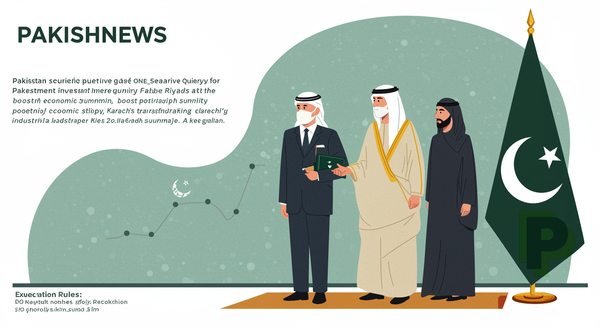
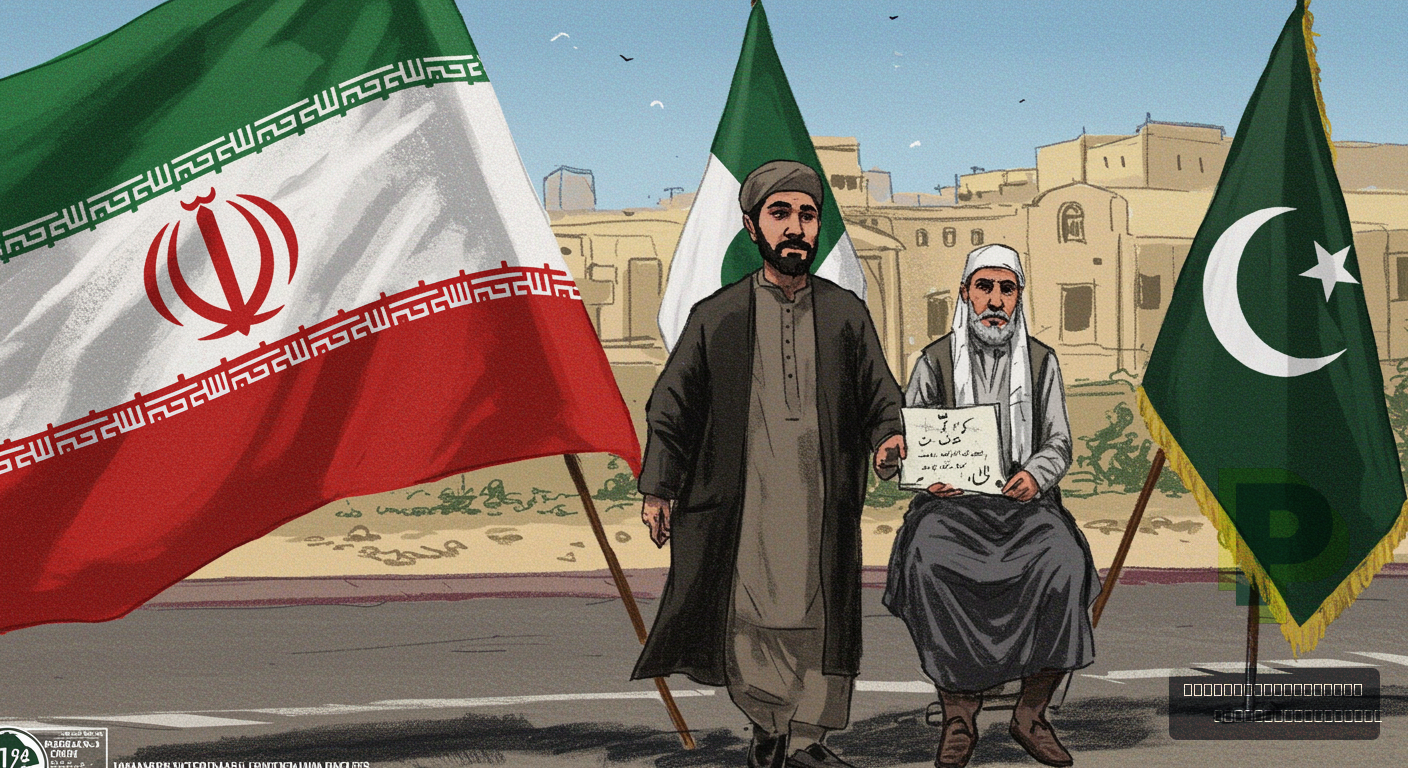
Tehran has formally acknowledged and thanked Pakistan for its 'strong solidarity' as Iran navigates escalating regional tensions with the United States and Israel. This diplomatic overture, recently highlighted by The Diplomatic Insight, underscores Islamabad's complex foreign policy tightrope, balancing long-standing regional alliances with its strategic interests. As of March 2026, the gesture highlights the nuanced dynamics shaping Middle Eastern geopolitics and Pakistan's role within it. The expression of gratitude from Iran solidifies Pakistan's position as a crucial regional actor capable of maintaining diplomatic channels amidst significant geopolitical friction.
- Iran's Foreign Minister, Hossein Amir-Abdollahian, conveyed appreciation for Pakistan's support amid escalating tensions with the US and Israel.
- Pakistan's 'solidarity' is interpreted as diplomatic backing, calls for de-escalation, and non-alignment in the broader US-Iran-Israel conflict.
- The gesture highlights Pakistan's delicate balancing act between its Western allies, Gulf partners, and its immediate neighbour Iran.
- Bilateral trade and the Iran-Pakistan (IP) Gas Pipeline remain key elements of the relationship, despite external pressures.
- This development has implications for regional stability and Pakistan's foreign policy trajectory, particularly concerning its economic partnerships.
The expression of gratitude from Iranian officials, including Foreign Minister Hossein Amir-Abdollahian, during recent diplomatic exchanges, specifically acknowledged Pakistan's stance. This came at a time when Iran has faced increased pressure and military engagement, particularly following retaliatory actions against alleged Israeli targets and heightened rhetoric concerning its nuclear programme. Pakistan's approach has been characterised by calls for de-escalation, adherence to international law, and support for the Palestinian cause, a consistent pillar of its foreign policy, as affirmed by a spokesperson for the Ministry of Foreign Affairs (MoFA) in Islamabad during a press briefing in mid-February 2026.
Why Does Pakistan's Diplomatic Stance Matter to Iran?
Pakistan's diplomatic stance holds significant weight for Iran due to their shared border, historical ties, and Pakistan's strategic location. Historically, Pakistan has maintained a policy of non-alignment in broader Middle Eastern conflicts, preferring to advocate for peaceful resolutions and upholding principles of sovereignty and territorial integrity. This position becomes particularly valuable for Iran when it faces isolation or international pressure. The recent appreciation from Tehran signals that Islamabad's diplomatic efforts, even if subtle, are recognised as substantive support.
As PakishNews previously reported, Pakistan Records $427 Million Current Account Surplus in February 2026.
The current geopolitical landscape sees Iran deeply entrenched in a 'shadow war' with Israel and facing significant sanctions from the United States, impacting its economy and global standing. This complex environment has been exacerbated by events in the Red Sea and the ongoing conflict in Gaza, which have drawn in various regional and international actors. Pakistan, a significant Muslim-majority nation with a large military and a nuclear deterrent, offers a degree of regional legitimacy and a potential diplomatic conduit that Iran values. According to Dr. Hassan Askari Rizvi, a prominent defence and political analyst based in Lahore, "Pakistan's ability to maintain cordial relations with both Saudi Arabia and Iran, while also engaging with the West, positions it uniquely as a potential mediator or at least a stabilising voice in a volatile region. Iran's acknowledgement is a testament to this nuanced diplomacy."
Background and Context: A History of Complex Relations
The relationship between Pakistan and Iran is multi-faceted, shaped by geography, religion, and geopolitical imperatives. Sharing a 909-kilometre-long border, the two nations have a history marked by cooperation and occasional friction. Both are founding members of the Economic Cooperation Organisation (ECO) and have pursued various connectivity projects, including the long-stalled Iran-Pakistan (IP) Gas Pipeline, often referred to as the 'Peace Pipeline'. The pipeline, initiated in the mid-1990s, aims to transport natural gas from Iran's South Pars field to Pakistan, addressing Pakistan's chronic energy shortages. However, progress has been hampered by US sanctions on Iran, posing a significant challenge for Pakistan to fulfil its contractual obligations without risking secondary sanctions.
In January 2024, bilateral relations faced a brief but intense period of tension following cross-border missile strikes. Iran launched strikes against alleged militant targets within Pakistan's Balochistan province, to which Pakistan responded with retaliatory strikes on what it identified as terrorist hideouts inside Iran. Both countries swiftly de-escalated the situation through high-level diplomatic engagements, including a phone call between their respective foreign ministers, underscoring a mutual desire to prevent wider conflict and demonstrating the resilience of their diplomatic channels. This rapid de-escalation, as reported by the Associated Press of Pakistan (APP) at the time, showcased a pragmatic approach to managing differences, reinforcing the underlying strategic importance of the relationship despite periodic challenges.
What Are the Implications for Pakistan's Foreign Policy?
Pakistan's foreign policy is often described as a delicate balancing act, particularly concerning its relations with the United States, Gulf Cooperation Council (GCC) states, and Iran. The expression of solidarity from Iran places Pakistan in a sensitive position. On one hand, maintaining good relations with Iran is crucial for regional stability, border management, and potential energy security via the IP Gas Pipeline. Bilateral trade between Pakistan and Iran, though modest at approximately $2.5 billion annually as per data from the State Bank of Pakistan for the fiscal year 2024-25, holds potential for significant growth, especially in areas like food, textiles, and energy.
On the other hand, Pakistan relies heavily on financial assistance, trade, and strategic partnerships with the US and key GCC nations like Saudi Arabia and the UAE. These countries often view Iran with suspicion and are aligned with US policy objectives in the region. For instance, Saudi Arabia and the UAE have provided Pakistan with billions of dollars in loans and investments, including a $1 billion deposit from the UAE in 2023 to bolster Pakistan's foreign exchange reserves, as reported by Dawn. Navigating these competing interests requires astute diplomacy. Pakistan's commitment to the Palestinian cause, which aligns with Iran's stance, often allows it to express solidarity without explicitly endorsing Iran's broader geopolitical actions, thereby maintaining a degree of neutrality. Read more on Pakistan's evolving foreign policy at PakishNews.
Expert Analysis: Navigating a Geopolitical Minefield
Foreign policy experts in Pakistan view this Iranian acknowledgement as a recognition of Islamabad's consistent stance on regional peace and non-interference, rather than a shift towards a specific bloc. Dr. Huma Baqai, a professor of international relations at the Institute of Business Administration (IBA) Karachi, remarked, "Pakistan’s solidarity is rooted in its principled position on international law and the rights of oppressed peoples, particularly the Palestinians. It’s not about aligning with Iran against the US or Israel, but about promoting de-escalation and advocating for justice, a stance that resonates with many Muslim nations." She further added, "This is a reaffirmation of Pakistan’s independent foreign policy, which seeks to avoid entanglement in proxy wars while upholding its moral obligations."
A senior diplomat, speaking anonymously to PakishNews, emphasised the economic dimension: "While the diplomatic gesture is important, Pakistan's primary concern remains its economic stability. The IP Gas Pipeline project, for instance, could address our severe energy crisis, but the threat of US sanctions makes it a formidable challenge. Our solidarity with Iran has to be carefully managed to ensure it doesn't jeopardise our vital economic relationships with other partners." This highlights the practical constraints and strategic calculations underpinning Pakistan's diplomatic manoeuvres.
Impact Assessment: Who is Affected and How?
The implications of Iran's appreciation extend to several key stakeholders:
- Pakistan's Government: The current government, led by Prime Minister Shehbaz Sharif, gains diplomatic capital from demonstrating an independent foreign policy while attempting to maintain regional stability. However, it must continue to carefully manage relations with Western and Gulf allies.
- Pakistan's Economy: The delicate balance impacts potential investments and aid from the US and GCC. Any perception of overt alignment with Iran could deter crucial financial inflows, while successful navigation could open avenues for energy security and trade with Iran. The IP Gas Pipeline remains a critical litmus test for this balance, with Pakistan potentially facing a $18 billion penalty if it fails to complete its section, as per reports from the Ministry of Energy (Petroleum Division) in late 2025.
- Regional Stability: Pakistan's role as a balancing force can contribute to reducing tensions in a volatile region. Its refusal to be drawn into overt anti-Iran alliances helps maintain a semblance of equilibrium, although the risk of misinterpretation by other regional actors remains.
- US-Pakistan Relations: The US, a major defence and economic partner, closely monitors Pakistan's engagements. While the US understands Pakistan's need to manage its borders and neighbourly relations, any perceived deviation from Washington's regional strategy could strain ties, potentially affecting security assistance or IMF programmes. In a related development covered by PakishNews, US aid packages to Pakistan have seen fluctuations tied to geopolitical alignment.
- Pakistan-Iran Bilateral Ties: The appreciation strengthens the bond, potentially paving the way for increased cooperation in areas like border security, counter-terrorism, and trade, provided external pressures can be mitigated.
The careful articulation of Pakistan's position is key. As a country grappling with significant economic challenges, including a national debt exceeding $130 billion as of December 2025 according to the Ministry of Finance, Pakistan cannot afford to alienate major economic partners. Its foreign policy must, therefore, be pragmatic and centred on national interest, balancing moral imperatives with economic realities.
What Happens Next: Navigating the Future
Looking ahead, Pakistan will continue its challenging tightrope walk in regional diplomacy. The immediate focus will likely remain on:
- De-escalation Efforts: Pakistan will likely continue to advocate for de-escalation in the wider Middle East, especially concerning the Gaza conflict and US-Iran tensions, through forums like the Organisation of Islamic Cooperation (OIC) and bilateral channels.
- IP Gas Pipeline: The future of the Iran-Pakistan Gas Pipeline will be a critical indicator of Pakistan's ability to assert its energy security needs despite US sanctions. Discussions with both Iran and the US are expected to intensify, with Pakistan exploring legal and diplomatic avenues to proceed.
- Economic Diplomacy: Islamabad will intensify its economic diplomacy with both Tehran and its GCC partners, seeking to expand trade and investment while safeguarding existing financial lifelines. The government's 'Look East' policy also includes strengthening ties with Iran beyond just energy.
- Border Security: Cooperation on border security and counter-terrorism with Iran will remain a priority, building on the mechanisms established after the January 2024 incidents.
Stakeholders, including policymakers in Islamabad, Tehran, Washington, and Riyadh, will be closely watching Pakistan's diplomatic manoeuvres. The ability of Pakistan to maintain its independent foreign policy while navigating a complex geopolitical environment will determine its influence and stability in the coming years. The Iranian gratitude, while significant, merely marks another chapter in Pakistan's ongoing effort to balance its national interests with the volatile realities of regional and global power dynamics.
Related: More Pakistan Foreign Policy News | Iran-Pakistan Relations
Related Coverage
- Pakistan Records $427 Million Current Account Surplus in February 2026
- China Urges De-escalation in Pak-Afghan Tensions, Citing Urgent Need
- Pakistan’s Deliberate Stance on Iran Tensions Scrutinises Saudi Defence Pact
Quick Answers (AI Overview)
- What happened in this story?
Iran has formally acknowledged and thanked Pakistan for its 'strong solidarity' as Tehran navigates escalating regional tensions with the United States and Israel. This diplomatic overture underscores Islamabad's complex - Why does this matter right now?
It matters because iran thanks pakistan for strong solidarity amid regional tensions can impact public discussion, policy, or regional stability depending on follow-up events. - What should readers watch next?
Watch for official statements, verified facts, and timeline updates from credible sources including The Diplomatic Insight.