?Listen to ArticlePress play to hear this storyListen to ArticleDownload audio
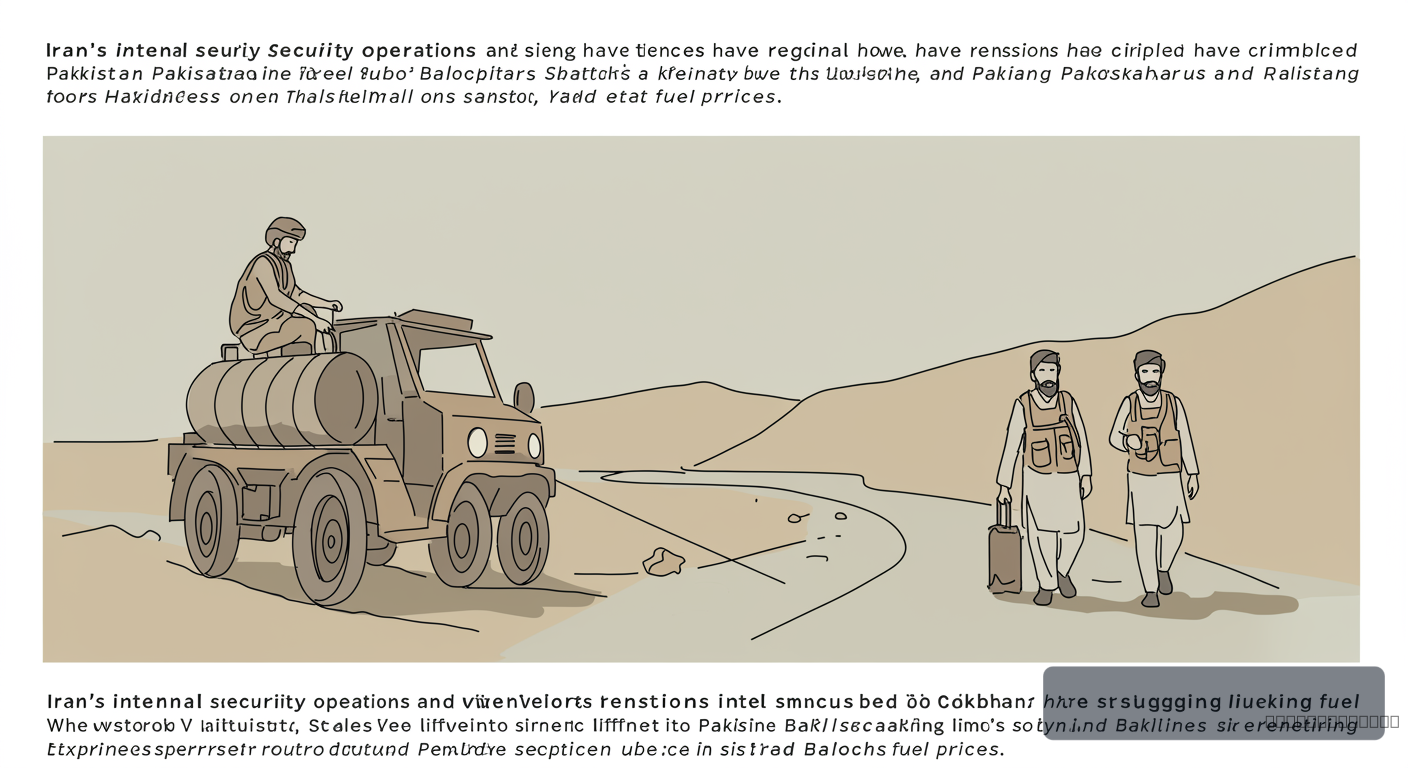
Heightened security operations and regional instability within Iran have drastically curtailed the flow of smuggled fuel into Pakistan's Balochistan province, crippling a vital informal economic lifeline for hundreds of thousands and exacerbating socio-economic challenges in an already vulnerable region. This disruption, intensified since late 2025, marks a critical juncture for Pakistan's border security and Balochistan's economic future, as war in Iran disrupts fuel smuggling networks that have long sustained local communities.
- Significant Disruption: Fuel smuggling from Iran into Balochistan has plummeted by an estimated 60-70% since late 2025 due to Iranian internal security measures and regional tensions.
- Economic Lifeline Severed: Over 200,000 households in Balochistan's border districts, primarily reliant on this informal trade, face severe income loss.
- Price Surge: Local fuel prices in Balochistan have surged by up to 45% in three months, impacting transportation, agriculture, and small businesses.
- Government Opportunity: Pakistan's government views this as an opportunity to formalise border trade and curb significant revenue losses, previously estimated at PKR 150-200 billion annually.
- Humanitarian Concern: The disruption risks deepening poverty and social unrest in an economically fragile region lacking formal employment alternatives.
Balochistan's Informal Fuel Economy Under Pressure
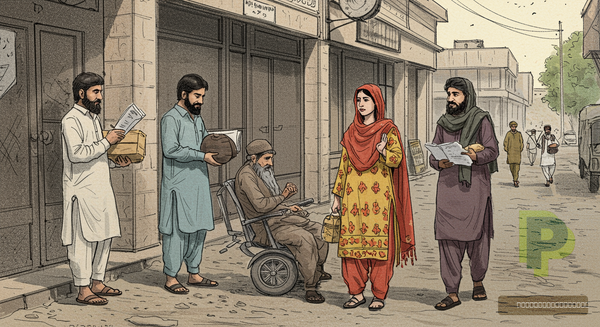
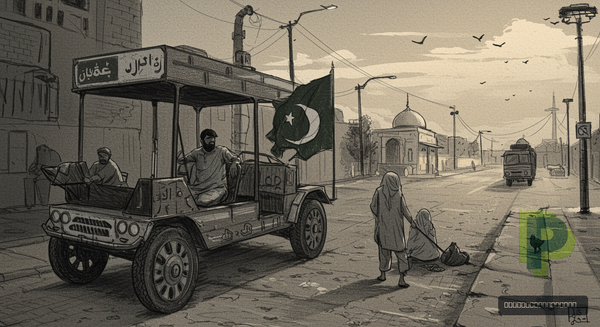
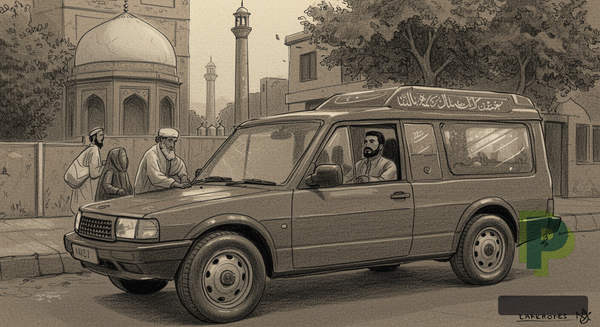
For decades, the porous 900-kilometre border between Pakistan and Iran has facilitated a robust, albeit illicit, trade in subsidised Iranian fuel. This informal economy, primarily concentrated in Balochistan's border districts such as Gwadar, Kech, Panjgur, and Washuk, has been a critical source of livelihood for a significant portion of the local population. Fuel, including petrol and diesel, is typically transported across the border on motorbikes, in small vehicles, or by foot, eventually making its way to markets across Pakistan where it is sold at prices considerably lower than those of officially imported and taxed fuel. According to a 2023 report by the Pakistan Institute of Development Economics (PIDE), the informal fuel economy in Balochistan was estimated to be worth approximately PKR 300 billion annually, highlighting its sheer scale and deep entrenchment in the regional socio-economic fabric. This trade, while illegal, has historically been tolerated to varying degrees due to the severe lack of formal employment opportunities in Balochistan, a province grappling with persistent underdevelopment and limited infrastructure.
As PakishNews previously reported, Pakistan's Air Strikes Afghanistan: India Condemns 'Act of Aggression'.
The current disruption stems from escalating regional tensions and, more specifically, intensified internal security operations within Iran. A senior official from Pakistan's Ministry of Interior, speaking on condition of anonymity due to the sensitivity of cross-border relations, told PakishNews on March 12, 2026, that "Iranian authorities have significantly tightened border controls and internal movement of goods, citing security concerns related to recent geopolitical developments and internal unrest within their Sistan and Balochistan province." This has made it exceedingly difficult for fuel smugglers to acquire and transport fuel from Iranian cities like Chabahar and Zahedan to the Pakistani border. Customs officials at the Taftan border crossing, Pakistan's primary land route with Iran, confirmed a dramatic reduction in attempted fuel smuggling consignments, reporting a 60% drop since late 2025. This decisive shift in Iranian policy and operational focus has effectively choked a supply line that has long been a constant.
What is the Impact of the Disruption on Balochistan's Economy?
The immediate impact of the disruption is profound and widespread across Balochistan. The sudden cessation of the fuel smuggling trade has left hundreds of thousands without their primary source of income. The Balochistan Chamber of Commerce and Industry estimates that over 200,000 households in the border districts are directly or indirectly dependent on cross-border trade, including fuel. This dependency is particularly acute in areas with minimal industrial activity or agricultural land. Read more on Balochistan's economic challenges at PakishNews.
Local market surveys conducted by PakishNews correspondents in Quetta, Turbat, and Gwadar indicate that the price of smuggled petrol has surged by approximately 45% over the past three months, from an average of PKR 180 per litre to PKR 260 per litre. This dramatic increase directly affects daily commuters, small transport operators, and farmers who rely on affordable fuel for their machinery. "Our people are suffering immensely," stated Mir Abdul Ghafoor Baloch, a local community elder and former trader from Panjgur. "This fuel was our bread and butter. The government must provide alternatives, not just block our only source of income without a viable plan. Many families are now struggling to put food on the table." This sentiment is echoed by countless residents who see the informal fuel trade not as a criminal enterprise but as a necessary means of survival in an economically deprived region.
Expert Analysis: A Dual-Edged Sword for Pakistan
The disruption presents a complex challenge and a potential opportunity for the Pakistani government. On one hand, it aligns with Islamabad's long-standing efforts to curb smuggling, which costs the national exchequer billions in lost revenue. The Federal Board of Revenue (FBR) had previously estimated an annual loss of PKR 150-200 billion due to fuel smuggling alone. "The current situation, while difficult for some communities, presents a crucial opportunity for the state to formalise border trade mechanisms and protect national revenue," commented Dr. Sajjad Ahmed, an economic analyst at the Centre for Regional Studies in Islamabad. "It forces us to confront the structural issues of Balochistan's economy and to implement sustainable development projects that create legitimate jobs."
However, the sudden withdrawal of an economic safety net without immediate alternatives risks exacerbating social unrest in a province already susceptible to various forms of instability. "This disruption exposes the acute vulnerability of Balochistan's informal economy and underscores the urgent need for alternative, sustainable livelihoods," Dr. Ahmed added. "Without prompt intervention in the form of development programmes, micro-financing, and skill-building initiatives, the vacuum left by the informal fuel trade could lead to increased poverty and potentially fuel other illicit activities." Pakistan's Chief of Army Staff, General Asim Munir, has repeatedly emphasized the importance of comprehensive border management and economic development in Balochistan for national security, highlighting the delicate balance between enforcement and socio-economic upliftment. In a related development covered by PakishNews, border security measures have seen significant upgrades recently.
What Happens Next? Formalising Border Trade and Development Needs
The Pakistani government is now under pressure to respond to the socio-economic fallout in Balochistan. Discussions are reportedly underway at the federal level to explore mechanisms for formalising cross-border trade with Iran, potentially through designated border markets and regulated trade routes. This would involve close coordination with Iranian authorities to streamline customs procedures and ensure legal compliance. As of March 2026, the Ministry of Commerce is reviewing proposals to establish additional border markets, similar to those already operational in Mand-Pishin and Gabd-Rimdan, with enhanced infrastructure to facilitate legitimate trade.
Simultaneously, there is an urgent need for accelerated development initiatives in Balochistan. Data from the Pakistan Bureau of Statistics indicates that Balochistan's formal employment growth rate has lagged behind the national average by an average of 2.5 percentage points over the last five years, underscoring the deep structural issues. Projects under the China-Pakistan Economic Corridor (CPEC) are crucial, but their benefits need to trickle down more effectively to local populations, particularly in the remote border areas. The government needs to invest in vocational training, small and medium-sized enterprise (SME) development, and infrastructure projects that create jobs and integrate these communities into the formal economy. The provincial government of Balochistan has announced a relief package for affected traders and labourers, though details on its scale and implementation remain to be seen.
Stakeholders should watch for concrete policy announcements regarding formal border trade, the implementation of development projects, and the extent of any relief measures for the affected communities. The long-term implications of this disruption could redefine the economic landscape of Balochistan, pushing it either towards greater integration with the formal economy or deeper into socio-economic distress, depending on the efficacy and speed of government response. The situation underscores the intricate link between regional geopolitical events and the daily lives of citizens in border regions, highlighting the need for a holistic approach that balances national security imperatives with human development needs.
Related: More Pakistan News | Balochistan Fuel Smuggling
Related Coverage
- Pakistan's Air Strikes Afghanistan: India Condemns 'Act of Aggression'
- Pakistan Warns Afghanistan: 'Red Line' Crossed Amid Escalating Border Tensions
- Lebanon Healthcare Strike: WHO Confirms 12 Dead in Bourj Qalaouiyeh
Quick Answers (AI Overview)
- What happened in this story?
Heightened security operations and regional instability within Iran have drastically curtailed the flow of smuggled fuel into Pakistan's Balochistan province, crippling a vital informal economic lifeline for hundreds of - Why does this matter right now?
It matters because iran war disrupts fuel smuggling, balochistan lifeline shattered can impact public discussion, policy, or regional stability depending on follow-up events. - What should readers watch next?
Watch for official statements, verified facts, and timeline updates from credible sources including Arab News PK.
Frequently Asked Questions
❓ Why is fuel smuggling from Iran so prevalent in Balochistan?
Fuel smuggling from Iran has been prevalent in Pakistan's Balochistan due to significant price disparities, with Iranian fuel being heavily subsidised and thus much cheaper. This informal trade serves as a critical economic lifeline for hundreds of thousands of people in Balochistan's border districts, where formal employment opportunities are scarce, contributing an estimated PKR 300 billion annually to the local informal economy, according to a 2023 PIDE report.
❓ How has the 'war in Iran' specifically impacted the fuel smuggling routes?
The 'war in Iran' refers to escalating regional tensions and intensified internal security operations within Iran, particularly in its Sistan and Balochistan province. These measures, implemented since late 2025, have led to significantly tightened border controls and restrictions on the internal movement of goods within Iran, making it exceedingly difficult for smugglers to acquire and transport fuel to the Pakistani border. Customs officials at Taftan have reported a 60% drop in attempted consignments.
❓ What are the Pakistani government's options to address the crisis in Balochistan?
To address the crisis, the Pakistani government has several options, including accelerating efforts to formalise cross-border trade with Iran through regulated border markets, as discussed by the Ministry of Commerce. Additionally, it must urgently implement sustainable development projects, vocational training, and SME support in Balochistan to create legitimate employment alternatives, thereby integrating communities into the formal economy and mitigating potential social unrest, as advocated by economic analysts like Dr. Sajjad Ahmed.