▶Listen to ArticlePress play to hear this storyListen to ArticleDownload audio
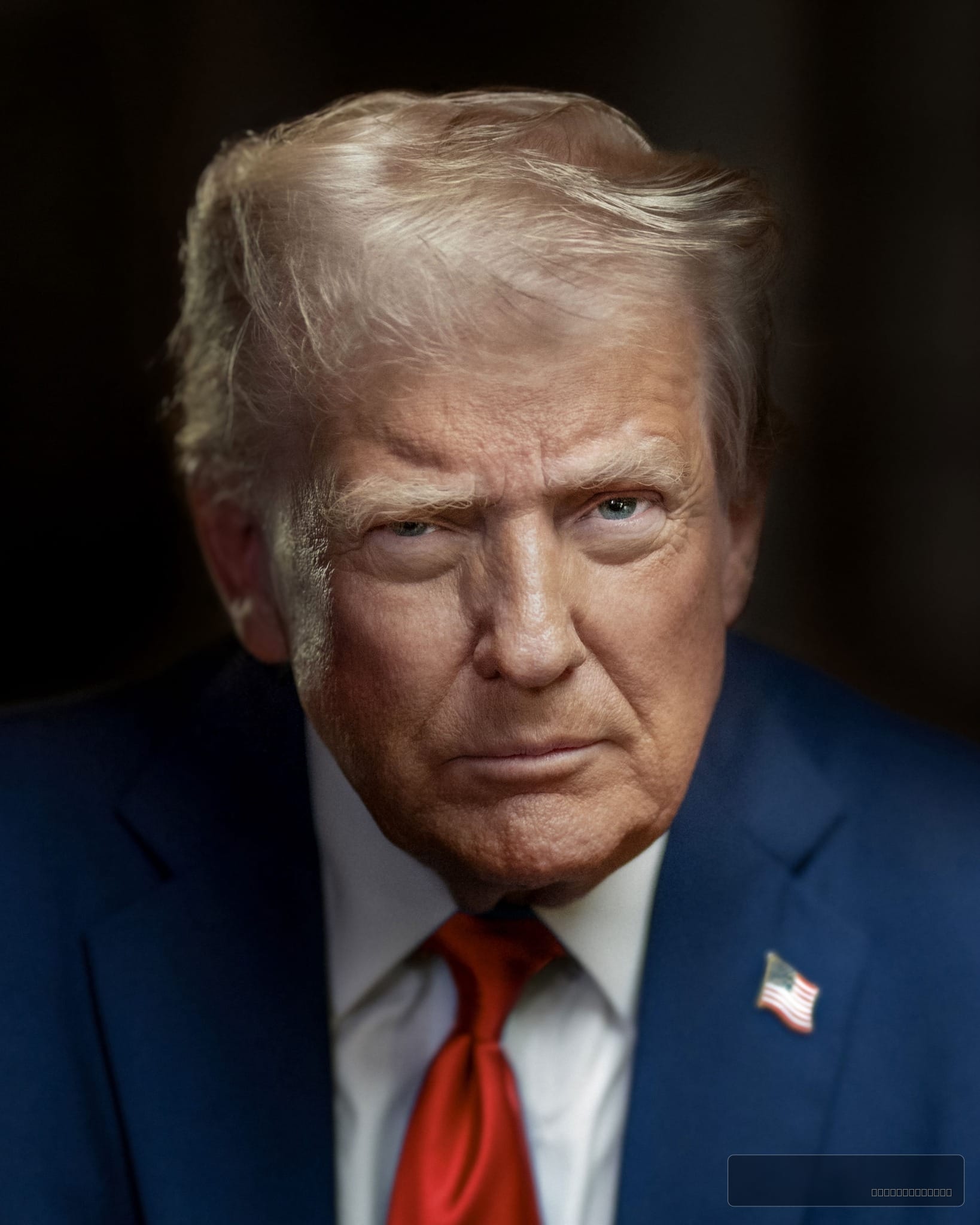
Former US President Donald Trump's declaration that the United States is 'not yet prepared to make a deal' with Tehran has sent ripples across the international diplomatic landscape, intensifying concerns over the future of US-Iran relations and regional stability. This comes amidst ongoing 'Iran war news' and heightened tensions in the Middle East. Trump's comments, made during a campaign event in Florida on 10th March 2026, underscore a potential return to a hardline stance should he win the upcoming US presidential elections, a prospect closely watched by policymakers in the Gulf and Pakistan. The immediate takeaway is that the prospect of a diplomatic breakthrough between Washington and Tehran remains distant, at least from the perspective of a potential Trump administration.
- Donald Trump stated the US is 'not yet prepared' to negotiate a deal with Iran, signalling a continued hardline approach.
- The comments were made on 10th March 2026, amid ongoing US presidential election campaigning.
- This stance raises concerns about prolonged US-Iran tensions and their impact on Middle East stability.
- Iran's nuclear programme and regional proxy activities remain central to the deadlock.
- The Gulf Cooperation Council (GCC) states and Pakistan face significant geopolitical and economic implications from this diplomatic impasse.
Why Does US-Iran Diplomacy Remain Stalled? A Historical Context
The current diplomatic impasse between Washington and Tehran is deeply rooted in a complex history, particularly since the 2018 withdrawal of the United States from the Joint Comprehensive Plan of Action (JCPOA), commonly known as the Iran nuclear deal. Signed in 2015 by Iran and the P5+1 group (China, France, Germany, Russia, the United Kingdom, and the United States), the JCPOA aimed to restrict Iran's nuclear programme in exchange for sanctions relief. According to the International Atomic Energy Agency (IAEA), Iran consistently adhered to its commitments under the deal until the US unilaterally exited in May 2018 under the Trump administration, re-imposing stringent sanctions. This move, dubbed the 'maximum pressure' campaign, was intended to force Iran to negotiate a broader agreement addressing its ballistic missile programme and regional influence, areas not covered by the original JCPOA.
Iran responded to the renewed sanctions by progressively scaling back its commitments under the JCPOA, including increasing its uranium enrichment levels and expanding its centrifuge development. As of February 2026, the IAEA reported that Iran's stockpile of enriched uranium was approximately 27 times the limit set by the JCPOA, reaching enrichment levels of up to 60%, a significant step closer to weapons-grade material (90%). These actions have heightened international alarm and complicated any potential return to negotiations. The Biden administration, upon taking office in January 2021, expressed a desire to revive the JCPOA through indirect talks, primarily facilitated by European intermediaries, but these efforts largely stalled due to persistent disagreements on sanctions relief and Iran's nuclear advancements. Trump's latest statement reiterates a fundamental distrust of the Iranian regime and a belief that current conditions are not conducive to a favourable agreement for the US.
As PakishNews previously reported, US-Israel-Iran War: Israel Launches 'Wide-Scale' Strikes, Regional Tensions Soar.
What is Trump's Current Stance on a Potential Iran Deal?
Donald Trump's recent comments underline a consistent theme from his previous presidency: a demand for a deal significantly more comprehensive and restrictive than the JCPOA. His statement, "We're not yet prepared to make a deal with Iran. They have to be prepared," suggests that his administration, if elected, would require substantial concessions from Tehran before engaging in serious negotiations. This mirrors his 2019 rhetoric, where he often spoke of a 'better deal' but never outlined specific parameters for its achievement, leading to a prolonged stalemate. According to a senior campaign aide, speaking anonymously to reporters on 11th March 2026, Trump's view is that "Iran's current behaviour, from its nuclear activities to its support for proxy groups across the Middle East, does not warrant diplomatic engagement without a prior shift in their strategic calculus." This position contrasts sharply with the Biden administration's more nuanced approach, which, despite its frustrations, has maintained channels of indirect communication and has at times shown a willingness to explore limited de-escalation measures. The ongoing 'Iran war news' in the region, including attacks by Houthi rebels in the Red Sea and heightened tensions between Iran and Israel, further complicates the environment for any diplomatic overtures.
Expert Analysis: Regional and Geopolitical Implications
The prospect of a continued hardline US stance, potentially under a second Trump administration, carries significant weight for regional security. Dr. Abdullah Al-Shammari, a prominent Gulf security analyst based in Riyadh, told PakishNews on 12th March 2026, "Trump's 'not yet prepared' comment signals a return to transactional diplomacy, where the US will expect maximum leverage. For the GCC, this could mean either increased US security guarantees or, conversely, a greater impetus to pursue their own de-escalation pathways with Tehran, as seen with the recent Saudi-Iran normalisation facilitated by China in March 2023." He added that the Gulf states, particularly the UAE and Saudi Arabia, have been diversifying their foreign policy approaches, engaging directly with Iran to reduce regional flashpoints, irrespective of US policy shifts. Data from the Gulf Research Centre indicates that bilateral trade between the UAE and Iran, for instance, reached approximately $20 billion in 2023, showcasing a pragmatic economic engagement alongside political tensions.
Meanwhile, Professor Aisha Khan, an international relations scholar at the National University of Modern Languages in Islamabad, offered her perspective to PakishNews: "From Pakistan's vantage point, any escalation of US-Iran tensions is a critical concern. Our western border with Iran is nearly 900 kilometres long, and instability directly impacts our security and economic interests. A prolonged 'no-deal' scenario risks exacerbating regional conflicts, potentially drawing in non-state actors and disrupting vital trade routes, including those connected to the China-Pakistan Economic Corridor (CPEC)." She further elaborated that "Pakistan has consistently advocated for diplomatic solutions and de-escalation in the Middle East, understanding that regional stability is paramount for its own development and security agenda." This aligns with Pakistan's historical role as a mediator in various regional conflicts, often urging dialogue between rival powers.
Dr. Hassan Abbasi, a defence analyst at the Centre for Global & Strategic Studies in Islamabad, highlighted the broader geopolitical ramifications. "The absence of a US-Iran deal creates a vacuum that other global powers, notably China and Russia, are keen to fill. China's brokering of the Saudi-Iran rapprochement is a prime example of its growing diplomatic footprint in the region. This dynamic challenges traditional US influence and offers Iran alternative economic and political lifelines, potentially making future US-led sanctions less effective and negotiations even more complex," Dr. Abbasi explained to PakishNews on 13th March 2026. This complex interplay of regional and global powers makes the 'Iran war news' a deeply layered issue.
Impact Assessment: How Does This Affect Pakistan and the Gulf?
The protracted stalemate in US-Iran relations, underscored by Trump's recent statement, carries significant implications for Pakistan and the Gulf region, touching upon economic stability, energy security, and regional defence postures.
For Pakistan, the most immediate concerns revolve around:
- Energy Security: Pakistan has long sought to diversify its energy sources, with the Iran-Pakistan (IP) Gas Pipeline project, conceived in 1995, remaining largely unfulfilled due to US sanctions. While Pakistan imports significant oil from Saudi Arabia and the UAE, access to Iranian natural gas could provide a more cost-effective and direct energy supply. The continued US hardline stance means this project, crucial for Pakistan's energy needs, remains in limbo. According to the Ministry of Energy (Petroleum Division) in Islamabad, Pakistan's gas demand is projected to increase by 5% annually, making the IP pipeline a strategic imperative.
- Regional Stability and Trade: Pakistan shares a volatile border with Iran, and any escalation of conflict directly impacts its western provinces, particularly Balochistan. Increased instability could disrupt cross-border trade, affect the security of CPEC projects, and potentially lead to refugee flows. As PakishNews previously reported, border security and economic integration are key priorities for Pakistan's national security apparatus. Read more on Pakistan-Iran relations at PakishNews.
- Diplomatic Balancing Act: Pakistan maintains close ties with both Saudi Arabia and Iran, as well as the United States. Navigating this complex web of relationships while advocating for regional peace and stability requires delicate diplomacy. The absence of a US-Iran deal forces Pakistan to continuously adjust its foreign policy to avoid alienating any major partner.
The Gulf Cooperation Council (GCC) states – particularly Saudi Arabia and the UAE – also face multifaceted challenges:
- Security Concerns: Iranian missile and drone capabilities, coupled with its support for regional proxy groups (such as the Houthis in Yemen and various militias in Iraq and Syria), pose direct security threats. The ongoing Red Sea shipping disruptions, attributed to Houthi attacks, have seen global shipping costs rise by an average of 15-20% since late 2023, according to maritime analytics firm Kpler, directly impacting Gulf economies reliant on maritime trade.
- Economic Impact: Prolonged tensions can lead to volatility in global oil prices, affecting the primary revenue source for most GCC nations. While some Gulf states have diversified their economies, oil remains central. Furthermore, investor confidence can be dampened by regional instability, impacting foreign direct investment (FDI) inflows, which collectively topped $100 billion for the GCC in 2022, as per UNCTAD data.
- Diplomatic Realignment: In response to perceived US disengagement or unpredictable policy shifts, Gulf states have increasingly pursued independent diplomatic initiatives. The UAE's rapprochement with Iran in 2021 and the Saudi-Iran normalisation in 2023 signify a strategic shift towards de-escalation and direct engagement to protect their national interests, regardless of Washington's stance. This is a crucial development covered extensively by PakishNews. In a related development covered by PakishNews, see how Gulf states are shaping their own foreign policy.
What Happens Next? Navigating a Protracted Stalemate
The path forward in US-Iran relations appears fraught with challenges, particularly if Donald Trump secures the US presidency in November 2024. A return to his 'maximum pressure' campaign is widely anticipated, which could see an intensification of sanctions, further isolating Iran economically. This might, in turn, prompt Iran to accelerate its nuclear programme even further, raising the specter of a regional arms race or direct confrontation. The International Crisis Group warned in a February 2026 report that "the current trajectory increases the risk of miscalculation and unintended escalation in the Persian Gulf."
Conversely, if President Joe Biden secures a second term, his administration might continue to explore indirect diplomatic avenues, though the prospects for a full revival of the JCPOA appear slim given Iran's current nuclear advancements and the political realities in both Washington and Tehran. The role of mediating powers like Oman and Qatar will remain critical in maintaining any semblance of dialogue. Furthermore, the influence of China and Russia in the region is expected to grow, potentially offering Iran more robust support against Western sanctions and complicating US efforts to exert pressure. Stakeholders in Pakistan and the Gulf should closely monitor US election outcomes, Iran's internal political developments, and the evolving dynamics of regional alliances. The 'Iran war news' cycle will likely continue to be dominated by these complex geopolitical manoeuvres, with little immediate hope for a comprehensive deal.
Related: More World News | Iran Nuclear Deal
Related Coverage
- US-Israel-Iran War: Israel Launches 'Wide-Scale' Strikes, Regional Tensions Soar
- US-Israel-Iran War Escalates: Manama, Baghdad Attacked on Day 16
- Trump's Iran Deal Stance: US Not Ready Amid Iraq Evacuation Warnings
Quick Answers (AI Overview)
- What happened in this story?
Former US President Donald Trump's declaration that the United States is 'not yet prepared to make a deal' with Tehran has sent ripples across the international diplomatic landscape, intensifying concerns over the future - Why does this matter right now?
It matters because iran war news: trump's deal stance fuels regional uncertainty can impact public discussion, policy, or regional stability depending on follow-up events. - What should readers watch next?
Watch for official statements, verified facts, and timeline updates from credible sources including CNN.
Frequently Asked Questions
❓ What is the significance of Donald Trump's 'not yet prepared' statement regarding Iran?
Donald Trump's statement on 10th March 2026 signals a potential return to the 'maximum pressure' strategy of his previous presidency, should he be re-elected. This implies that his administration would likely demand significant concessions from Iran beyond the original JCPOA, including restrictions on its ballistic missile programme and regional activities, before considering any new deal. This stance reduces the immediate prospects for a diplomatic resolution and could prolong tensions, impacting regional stability as noted by analysts like Dr. Abdullah Al-Shammari.
❓ How has the US withdrawal from the JCPOA affected Iran's nuclear programme?
The US withdrawal from the Joint Comprehensive Plan of Action (JCPOA) in 2018 and the re-imposition of sanctions led Iran to progressively scale back its commitments under the deal. As of February 2026, the International Atomic Energy Agency (IAEA) reported that Iran's enriched uranium stockpile was approximately 27 times the JCPOA limit, reaching enrichment levels of up to 60%. This significantly shortens Iran's 'breakout time' to produce weapons-grade material, intensifying international concerns about its nuclear ambitions.
❓ What are the primary implications for Pakistan of continued US-Iran tensions?
For Pakistan, continued US-Iran tensions have critical implications for energy security and regional stability. The unfulfilled Iran-Pakistan (IP) Gas Pipeline, vital for addressing Pakistan's growing energy demand (projected to increase by 5% annually), remains stalled due to sanctions. Furthermore, instability along Pakistan's 900-kilometre border with Iran could disrupt trade, impact the security of China-Pakistan Economic Corridor (CPEC) projects, and complicate Pakistan's delicate diplomatic balancing act between Iran, Saudi Arabia, and the United States.