Image via Wikipedia | CC BY-SA
TEHRAN, Iran – Ayatollah Mohammad Baqir al-Husseini, Iran's newly appointed Supreme Leader, has issued a stark warning, declaring that the Islamic Republic will maintain its strategic option of blocking the vital Strait of Hormuz if national interests are threatened. This declaration, made in his inaugural address to the Assembly of Experts in Tehran, has immediately sent tremors through global energy markets, with Brent Crude futures surging by over 7% to reach approximately $95 per barrel as of March 2026. The new Supreme Leader's assertive stance signals a potential escalation of geopolitical tensions, directly impacting global energy security and particularly affecting oil-importing nations like Pakistan and the energy-exporting Gulf Cooperation Council (GCC) states.
- Iran's new Supreme Leader, Ayatollah Mohammad Baqir al-Husseini, has vowed to maintain the option of blocking the Strait of Hormuz.
- Global oil prices reacted sharply, with Brent Crude futures rising by over 7% to $95 per barrel.
- The Strait of Hormuz is a critical chokepoint, through which nearly 20% of the world's total petroleum liquids and a significant portion of global liquefied natural gas (LNG) pass daily.
- This development raises concerns for global energy security, international shipping, and regional stability in the Gulf.
- Pakistan and GCC nations face distinct economic and security implications from this renewed threat.
Why is the Strait of Hormuz so Critically Important?
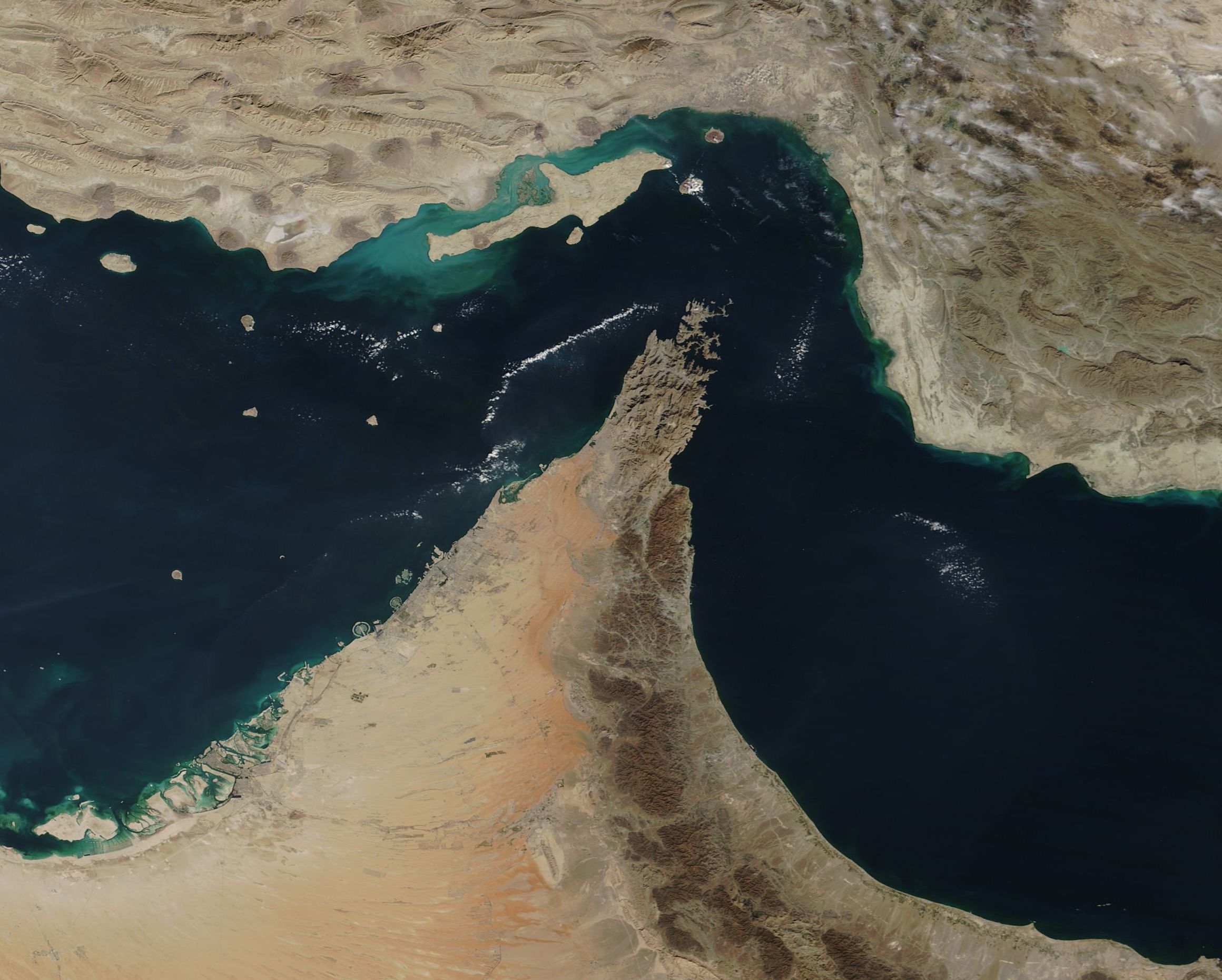
The Strait of Hormuz, a narrow waterway connecting the Persian Gulf with the Arabian Sea, is arguably the world's most critical oil chokepoint. At its narrowest point, it is only 21 nautical miles (39 kilometres) wide, with the shipping lanes for inbound and outbound traffic each just two miles wide. According to data from the U.S. Energy Information Administration (EIA), approximately 20.5 million barrels per day (bpd) of crude oil, condensates, and refined petroleum products transited the Strait in 2023, representing nearly 20% of the world's total petroleum liquids consumption. Furthermore, it is a crucial route for nearly 30% of global liquefied natural gas (LNG) shipments, primarily from Qatar, a major global supplier. Any disruption to this passage would have catastrophic implications for global energy supplies, leading to severe price volatility and economic instability worldwide.
Iran has historically leveraged the threat of closing the Strait as a strategic tool in response to international pressure, particularly sanctions targeting its oil exports or nuclear programme. Past instances, such as the period following the imposition of stringent U.S. sanctions in 2012 and again in 2019, saw similar rhetoric and even minor incidents involving tankers in the vicinity. The succession of Ayatollah al-Husseini, following the passing of the previous Supreme Leader, has been closely watched by international observers for indications of shifts in Iran's foreign policy and regional posture. His inaugural address, while largely reiterating established Iranian policy on defence and sovereignty, contained this explicit reference to the Strait, underscoring the continuity of a hardline stance on strategic leverage. Read more on Iran's political landscape at PakishNews.
As PakishNews previously reported, Oil Disruptions: Iran's Escalating Shipping Attacks Spark Global Alarm.
What are Regional and Global Reactions to Iran's Stance?
The immediate reaction from global capitals and energy markets has been one of heightened caution. Major oil importers, including China, India, Japan, and European Union nations, are closely monitoring the situation. For the GCC states – particularly Saudi Arabia, UAE, Qatar, and Kuwait – which collectively export millions of barrels of oil and gas through the Strait daily, this development is a direct security challenge. A senior official at the UAE Ministry of Energy and Infrastructure, speaking anonymously to PakishNews, stated, "While we respect the sovereignty of all nations, the freedom of navigation in international waters is non-negotiable. The UAE, in coordination with its allies, is committed to ensuring the security of shipping in the Gulf." This sentiment reflects a broader regional concern about the potential for miscalculation or accidental escalation.
Dr. Hassan Ali, a geopolitical analyst at the Institute of Strategic Studies Islamabad (ISSI), commented, "Ayatollah al-Husseini's statement is a clear reaffirmation of Iran's long-standing deterrence strategy. It's a message aimed at external powers, particularly the United States, that Iran retains significant leverage in any confrontation. However, the economic fallout from any actual disruption would be devastating for all parties, including Iran itself, which relies on these waterways for its own trade." He further elaborated, "For Pakistan, this translates into immediate concerns about energy import costs. Our economy, already grappling with inflation, cannot afford a sustained spike in global oil prices."
Adding another perspective, Ms. Fatima Al-Hajri, an energy security expert at the Gulf Research Centre in Dubai, highlighted the broader implications for international trade. "Beyond oil and gas, the Strait is a conduit for a vast array of goods. Increased insurance premiums for shipping, delays, and rerouting would significantly impact global supply chains, making everything from consumer goods to industrial components more expensive. This is not just an energy crisis waiting to happen, but a trade crisis."
How Does This Threat Impact Pakistan and the Gulf Region?
For Pakistan, an energy-deficient nation heavily reliant on imported oil and gas, the implications are severe. According to the State Bank of Pakistan's latest economic report, Pakistan's oil import bill stood at approximately $18 billion in fiscal year 2023-24, accounting for a substantial portion of its total import expenditure. A sustained increase in global oil prices, such as the current surge to $95 per barrel, would directly inflate this bill, exacerbating the country's current account deficit and putting immense pressure on the Pakistani Rupee. This could trigger a new wave of inflation, impacting fuel prices, transportation costs, and ultimately, the cost of essential goods for the average citizen. As PakishNews previously reported, energy security remains a top priority for Islamabad amidst global volatility.
The Gulf Cooperation Council (GCC) states, while major oil exporters, are also deeply affected. Their economies, though diversified, remain heavily dependent on hydrocarbon revenues. Secure and uninterrupted access to international shipping lanes is paramount for their economic stability. Any threat to the Strait of Hormuz not only impacts their export capacity but also raises security concerns for their national assets and infrastructure. Insurance premiums for vessels operating in the region have historically spiked during periods of heightened tension, increasing operational costs for oil companies and potentially deterring investment. Diplomatic efforts by GCC nations, often through multilateral forums like the Arab League and the United Nations, are expected to intensify to de-escalate tensions and ensure freedom of navigation.
Why does this matter? The stability of the Strait of Hormuz is not merely a regional issue; it is a linchpin of the global economy. Disruptions here directly impact energy prices, inflation, and trade balances across continents. For Pakistan, it's a direct threat to economic stability and the living standards of its citizens. For the GCC, it's a critical national security and economic imperative to maintain open and secure sea lanes for their primary exports.
What Happens Next?
The immediate aftermath of Ayatollah al-Husseini's statement will likely involve a flurry of diplomatic activity. International bodies, including the United Nations Security Council, may convene to discuss the implications for maritime security. Key global powers, particularly the United States and its allies, are expected to reiterate their commitment to freedom of navigation and potentially increase their naval presence in the region, as observed in previous periods of tension. However, any overt military response carries significant risks of escalation, which all parties are keen to avoid.
For Pakistan, the government will be closely monitoring global oil prices and exploring options to mitigate the impact on its economy. This could include renewed efforts to diversify energy sources, accelerate the development of indigenous energy projects, and engage in diplomatic outreach to regional powers to promote de-escalation. For the GCC, the focus will remain on bolstering regional defence capabilities, strengthening alliances, and pursuing diplomatic channels to ensure stability. The coming weeks will be crucial in determining whether this rhetoric translates into concrete actions or if diplomatic efforts can successfully de-escalate the situation and restore confidence in the security of the Strait of Hormuz. Stakeholders should watch for any further statements from Tehran, naval movements in the Gulf, and the responses from major international players.
Related: More World News | Energy Security
Related Coverage
- Oil Disruptions: Iran's Escalating Shipping Attacks Spark Global Alarm
- Qatar-Hamas Tension Escalates Over Iran Attacks Stance
- MSIG Asia Boosts Leadership Amidst Dynamic Regional Shifts
Frequently Asked Questions
❓ What is the strategic significance of the Strait of Hormuz?
The Strait of Hormuz is the world's most vital oil chokepoint, through which approximately 20.5 million barrels per day of petroleum liquids and 30% of global liquefied natural gas (LNG) transited in 2023, according to the U.S. Energy Information Administration (EIA). Its closure would severely disrupt global energy supplies, impacting economies worldwide and driving significant price increases. It is also a key artery for international trade beyond hydrocarbons.
❓ How would a Hormuz blockade specifically affect Pakistan's economy?
A blockade of the Strait of Hormuz would critically impact Pakistan's economy by drastically increasing its oil import bill, which was approximately $18 billion in fiscal year 2023-24 according to the State Bank of Pakistan. This surge in energy costs would exacerbate inflation, strain the national current account deficit, and further devalue the Pakistani Rupee, leading to higher prices for fuel, transportation, and essential goods across the country.
❓ What measures do Gulf Cooperation Council (GCC) countries take to ensure maritime security in the region?
GCC countries, including the UAE and Saudi Arabia, actively engage in multilateral defence cooperation and maintain robust naval capabilities to safeguard maritime security in the Gulf. They also participate in international maritime coalitions, such as the U.S.-led Combined Maritime Forces, to patrol critical shipping lanes and deter threats, in addition to pursuing diplomatic efforts through regional and international forums to de-escalate tensions and uphold freedom of navigation.