Listen to ArticlePress play to hear this storyListen to ArticleDownload audio
Jollibee Foods Corporation (JFC) has announced record-breaking global sales for its fourth quarter, driven by an impressive surge in its coffee and tea segment. This robust performance signals a strategic shift in the fast-food giant's global expansion, raising pertinent questions about its potential ripple effects across the highly competitive food and beverage (F&B) landscape in the Gulf Cooperation Council (GCC) states and Pakistan.
- Jollibee Foods Corporation reported a significant 16.9% increase in system-wide sales for Q4 2025, reaching an estimated PHP 105 billion (approximately USD 1.8 billion).
- The coffee and tea segment emerged as a key growth driver, with its global sales contributing an estimated 20% to the overall Q4 revenue, up from 12% in the previous year.
- This strategic pivot towards beverages reflects evolving consumer preferences and higher profit margins compared to traditional fast-food offerings.
- JFC's aggressive global expansion plans include opening 600 new stores in 2026, with a significant focus on North America, Europe, and key markets in Asia and the Middle East.
- The success of Jollibee's diversified portfolio poses both opportunities and challenges for established F&B players and emerging brands in the dynamic Gulf and Pakistani markets.
This record performance by Jollibee Foods Corporation, particularly its burgeoning coffee and tea division, underscores a pivotal shift in global fast-food strategies that carries significant implications for consumer markets and investment flows in the Gulf and Pakistan.
Background: Jollibee's Global Ascent and the F&B Evolution
Jollibee, often dubbed the 'McDonald's of the Philippines,' has steadily transformed from a local favourite into a formidable global player. Founded in 1978, the company has expanded its footprint across 17 countries, operating over 6,800 stores globally under various brands, including its flagship Jollibee, Chowking, Greenwich, Red Ribbon, Mang Inasal, Burger King Philippines, and Highlands Coffee. Its expansion strategy has historically focused on markets with significant Filipino diaspora, such as the United States, Canada, and the Middle East, where the brand enjoys strong cultural affinity. However, recent moves indicate a broader ambition to appeal to diverse palates and capture new market segments.
As PakishNews previously reported, Cuban President Vows ‘Impregnable Resistance’ to US Control, But How Might This….
The global food and beverage industry has witnessed a dramatic shift in consumer preferences over the past decade. There's a growing demand for convenience, value, and diversified menus that extend beyond traditional burgers and fried chicken. The coffee and tea segment, in particular, has seen exponential growth, driven by urbanisation, changing work cultures, and the rise of a 'cafe culture' that blends socialising with quick service. This trend is especially pronounced in emerging economies and the Middle East, where coffee consumption has become a significant lifestyle indicator and a rapidly expanding market, as highlighted by a 2024 report from Euromonitor International, which projected a 7.5% compound annual growth rate for the regional coffee market through 2028.
Jollibee's Record Q4 Performance: A Closer Look at Beverage Prowess
According to a detailed report by Retail News Asia, Jollibee Foods Corporation (JFC) concluded the fourth quarter of 2025 with unprecedented financial results. The company's system-wide sales, a key metric encompassing sales from all company-owned and franchised stores, surged by an impressive 16.9% year-on-year, reaching an estimated PHP 105 billion (approximately USD 1.8 billion). This robust growth significantly exceeded analyst expectations, which had projected a 12-14% increase for the quarter.
The standout performer within JFC's diverse portfolio was undoubtedly its coffee and tea segment. Data from JFC's official investor relations report, as cited by Retail News Asia, indicates that global sales from coffee and tea products contributed an estimated 20% to the overall Q4 revenue, a substantial leap from approximately 12% in the corresponding quarter of 2024. This segment, primarily spearheaded by its Vietnamese-originated brand, Highlands Coffee, and integrated beverage offerings across its other brands, demonstrated a remarkable 45% year-on-year growth. Such figures underscore a successful strategic pivot by JFC to capitalise on the high-margin, rapidly expanding beverage market, moving beyond its traditional fast-food strongholds.
Why does this matter? Jollibee's deliberate expansion into the coffee and tea sector represents a calculated move to diversify revenue streams and enhance profitability. Beverages typically carry higher profit margins than food items, and their integration into existing fast-food chains allows for increased average transaction values and greater customer loyalty through repeat visits. This strategy not only strengthens JFC's financial resilience but also positions it to compete more effectively in markets where coffee culture is deeply ingrained or rapidly developing, such as the Middle East and parts of South Asia.
Expert Analysis: Strategic Diversification and Market Dynamics
Industry experts view Jollibee's Q4 results as a testament to effective strategic diversification. Mr. Omar Al-Hashmi, a Senior F&B Market Analyst at Dubai-based Zenith Consulting Group, told PakishNews, "Jollibee's impressive Q4 performance, particularly the growth in its coffee and tea segment, highlights a shrewd understanding of evolving consumer demands. In markets like the UAE and Saudi Arabia, where consumers are increasingly sophisticated and health-conscious, a diversified menu with strong beverage offerings is no longer a luxury but a necessity for sustained growth. This move allows Jollibee to capture a larger share of the wallet and appeal to a broader demographic beyond its traditional base."
Echoing this sentiment, Dr. Aisha Khan, an Associate Professor of Economics at the Lahore University of Management Sciences (LUMS), commented to PakishNews on the broader economic implications. "The success of a major player like Jollibee in diversifying into higher-margin segments like coffee and tea sends a clear signal across the global fast-food industry. It indicates a mature market strategy where growth isn't just about opening more identical stores, but about adapting to local tastes and global trends. For economies like Pakistan, this means that foreign investors are looking for avenues beyond the most basic offerings, seeking opportunities in value-added and lifestyle-oriented segments within the F&B sector."
Furthermore, Ms. Sarah Jenkins, an F&B Investment Strategist at London-based Global Market Insights, highlighted the competitive pressure. "Jollibee's aggressive push into coffee and tea is a direct challenge to established coffee chains and local cafes. They are leveraging their existing infrastructure and brand recognition to enter a high-growth sector. This will intensify competition, potentially driving innovation and consolidation in the market, especially in regions with a burgeoning cafe culture like the GCC."
Impact Assessment: The Gulf's Dynamic F&B Landscape
The implications of Jollibee's strategic success in beverages are significant for the Gulf region. The UAE, Saudi Arabia, and other GCC states boast some of the world's most vibrant and competitive F&B markets, characterised by a high disposable income, a large expatriate population, and a strong culture of dining out. The coffee market, in particular, has boomed in recent years, with global chains like Starbucks, Tim Hortons, and Costa Coffee having a strong presence, alongside a proliferation of local artisanal cafes. A 2023 report by KPMG on the GCC F&B sector noted that the region's coffee market alone was valued at approximately USD 2.5 billion, projected to grow by 9% annually.
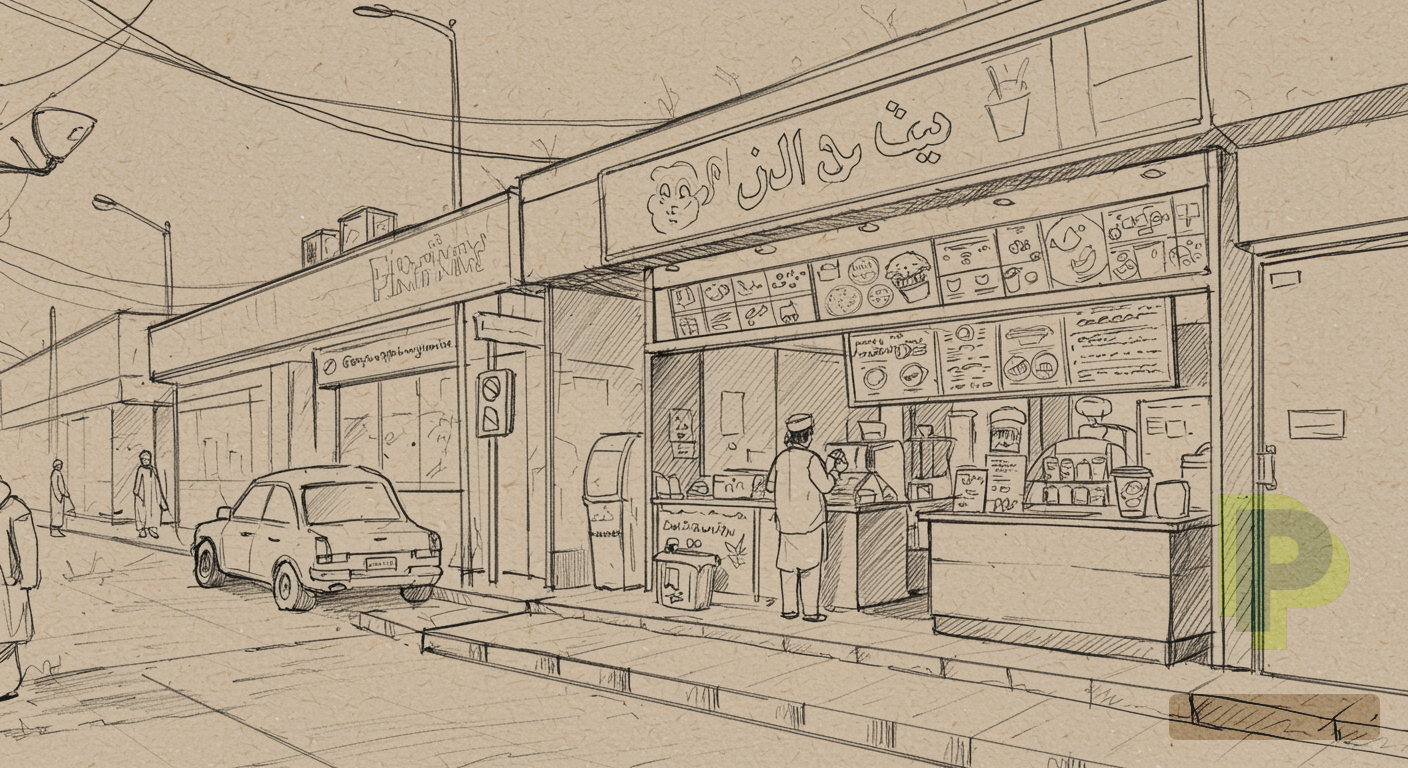
Jollibee already has a substantial presence in the GCC, with numerous outlets in the UAE, Saudi Arabia, Kuwait, and Qatar, primarily catering to the large Filipino expatriate community. However, its enhanced focus on coffee and tea could enable it to expand its appeal beyond this demographic, attracting a broader customer base of Arabs, South Asians, and Western expatriates who are accustomed to cafe culture. This diversification allows Jollibee to compete directly with mid-tier coffee shops, offering a value proposition that combines fast-food convenience with quality beverage options. This move could potentially disrupt the market, forcing existing players to innovate their offerings and pricing strategies to retain their market share. For consumers, it means more choice and potentially more competitive pricing in the rapidly expanding coffee and tea segment.
What Does Jollibee's Coffee Success Mean for Pakistan's F&B Market?
The success of Jollibee's coffee and tea segment globally, and its strategic implications for the Gulf, have direct relevance for Pakistan's rapidly evolving food and beverage sector. While Jollibee's physical presence in Pakistan is currently limited, its strategic moves provide a blueprint for other international players and offer insights into market trends that could shape future investment decisions. Pakistan, with its massive youth demographic—over 60% of its population is under 30—presents an enormous, untapped market for modern F&B concepts. The 'cafe culture' has been steadily gaining traction in major urban centres like Karachi, Lahore, and Islamabad, driven by increasing urbanisation, rising disposable incomes among the middle class, and the pervasive influence of social media.
Data from the Pakistan Bureau of Statistics indicates that the F&B sector has shown consistent growth, averaging 5-7% annually over the last five years, despite economic challenges. The coffee market, though nascent compared to tea, is experiencing a surge, particularly among younger consumers who frequent modern cafes for socialising and work. This growing demand creates significant opportunities for both international brands looking to enter or expand in Pakistan and for local entrepreneurs. Jollibee's global strategy, emphasising diversified offerings, suggests that any future expansion into Pakistan would likely include a strong focus on a comprehensive beverage menu, not just its traditional fast-food items.
This development could bring several benefits to Pakistan. Firstly, increased foreign direct investment (FDI) into the F&B sector would lead to job creation, both directly in new outlets and indirectly in the supply chain (e.g., local sourcing of ingredients, logistics). Secondly, it would elevate service standards and introduce new culinary trends, pushing local businesses to innovate and become more competitive. Furthermore, the presence of major international brands often helps in skill development within the hospitality sector, through training programmes and exposure to global best practices. As of March 2026, several international F&B chains are reportedly conducting feasibility studies for expansion into Pakistan, a trend that Jollibee's success could further accelerate.
What Happens Next? Stakeholders Watch for Strategic Shifts
Looking ahead, Jollibee Foods Corporation has announced ambitious plans to open approximately 600 new stores across its various brands in 2026, with a significant portion earmarked for North America, Europe, and key markets in Asia and the Middle East. This aggressive expansion, coupled with its proven success in the coffee and tea segment, suggests a continued focus on diversified offerings tailored to regional preferences.
Policymakers in the Gulf and Pakistan will be closely monitoring these developments. For the UAE and Saudi Arabia, the question will be how existing local and international coffee chains respond to this intensified competition. Will it spur innovation, lead to price wars, or encourage consolidation? For Pakistan, where the F&B market is still developing its full potential, the entry or expanded presence of global giants like Jollibee, especially with a strong beverage play, could signal a new wave of foreign investment and a rapid evolution of consumer tastes. Local entrepreneurs and existing F&B businesses in Pakistan should view this as a call to enhance their own offerings, focus on quality, and understand the nuances of a market increasingly influenced by global trends and diversified menus.
The strategic shift by Jollibee underscores a broader trend in the global fast-food industry: mere expansion is no longer enough; diversification and adaptation to local and emerging lifestyle trends, particularly in high-margin segments like coffee and tea, are paramount for sustainable growth. As PakishNews previously reported on the evolving F&B landscape in the UAE, the region remains a hotspot for innovation and competition, a trend further amplified by Jollibee's latest success. Read more on Pakistan's economic outlook at PakishNews for a deeper understanding of investment potential.
Related: More World News | Food & Beverage Industry
Related Coverage
- Cuban President Vows ‘Impregnable Resistance’ to US Control, But How Might This Impact Gulf Energy…
- Middle East Tensions Soar After Israeli Strike Kills Iranian Commander, but what does this mean for…
- Iran Vows ‘Decisive’ Retaliation for Israeli Strike, But How Will This Escalate Regional Tensions…
Archive Discovery
- How To Extra Make Money Working From Home
- "Embrace Change: How Small Steps Lead to Big Life Transformations"
- A Skin Cream That’s Proven to Work: Your Secret to Flawless Skin
Quick Answers (AI Overview)
- What happened in this story?
Jollibee Foods Corporation (JFC) has announced record-breaking global sales for its fourth quarter, driven by an impressive surge in its coffee and tea segment. This robust performance signals a strategic shift in the fa - Why does this matter right now?
It matters because jollibee global sales soar in q4, but what does its coffee success mean for the gulf's competitive f&b market? can impact public discussion, policy, or regional stability depending on follow-up events. - What should readers watch next?
Watch for official statements, verified facts, and timeline updates from credible sources including Retail News Asia.
Frequently Asked Questions
What is the core update in this story?
Jollibee Foods Corporation (JFC) has announced record-breaking global sales for its fourth quarter, driven by an impressive surge in its coffee and tea segment. This robust performance signals a strategic shift in the fast-food giant's global expansion, raising pertinent questions about its potential ripple effects acr
Why does this matter right now?
This matters because the development can influence public debate, policy direction, and the wider regional situation.
What should readers monitor next?
Follow official statements, verified facts, and timeline updates from reliable sources.