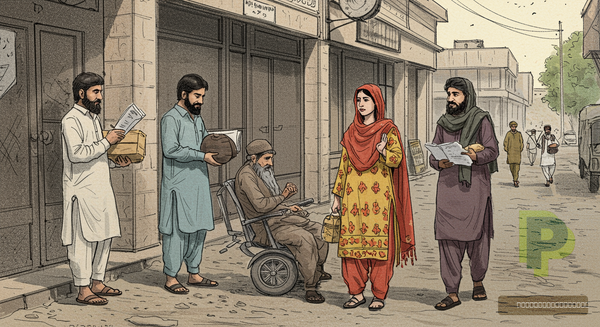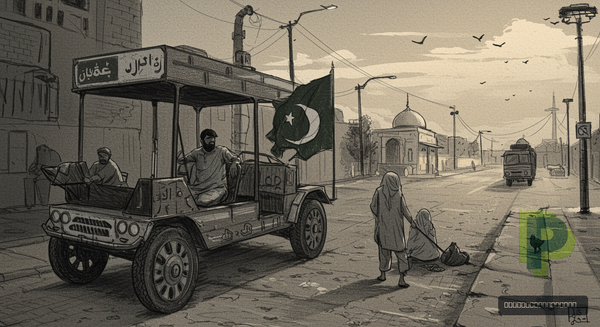

Journalism to Monsterism. How to Reduce the Side Effects of Propaganda and Fake News Culture in Pakistan. In recent years, Pakistan has become one of the most social media-addicted countries in the world, driven by the unrestrained use of social media and a troubling rise in propaganda and fake news. This phenomenon poses a serious threat to the fabric of society, undermining trust in legitimate news sources and creating divisions among the populace. Unfortunately, in the past, government-sponsored institutions were established under the guise of teaching journalism, where propaganda was taught, and the art of turning lies into truth was perfected. These institutions, supported by the funding of previous governments, have created a generation of so-called journalists who perpetuate misinformation. Despite the current government's efforts and the collaboration of various thinkers, there remains a significant inability to formulate a counter-narrative against these propaganda heirs and their monstrous practices. To mitigate the adverse effects of this culture, several strategies can be implemented:
- Media Literacy Education:
Enhancing media literacy among the public is crucial. Educational institutions should incorporate media literacy programs into their curricula, teaching students how to critically evaluate sources, identify biases, and discern credible information from misinformation.
- Strengthening Journalistic Standards:
Media organizations must uphold high journalistic standards by ensuring that their reporting is based on thorough research and fact-checking. Establishing independent regulatory bodies can help monitor media practices and hold outlets accountable for spreading false information.
- Promoting Responsible Social Media Use:
Social media platforms should take a proactive role in combating fake news. They can implement algorithms to detect and flag misleading content while promoting verified news sources. Users must also be encouraged to think critically before sharing information online.
- Community Engagement:
Engaging communities in discussions about the impact of fake news can foster a culture of skepticism towards unverified information. Community workshops and seminars can provide a platform for individuals to share experiences and learn about the dangers of propaganda.
- Government Regulation:
While freedom of expression is vital, there is a need for sensible regulations that address the spread of fake news without infringing on rights. The government can introduce laws that penalize the deliberate spread of misinformation, thereby discouraging such practices. It is more necessary than ever for all dignified individuals who love Pakistan and are trusted by the people to come together and counter the false propaganda propagated by these monsters. A united front is essential to reclaim the narrative and restore faith in credible journalism. In conclusion, reducing the side effects of propaganda and fake news in Pakistan requires a collective effort from individuals, educational institutions, media organizations, and the government. By fostering a culture of critical thinking and responsible information sharing, we can build a more informed society and combat the harmful influence of misinformation.