Listen to ArticlePress play to hear this storyListen to ArticleDownload audio
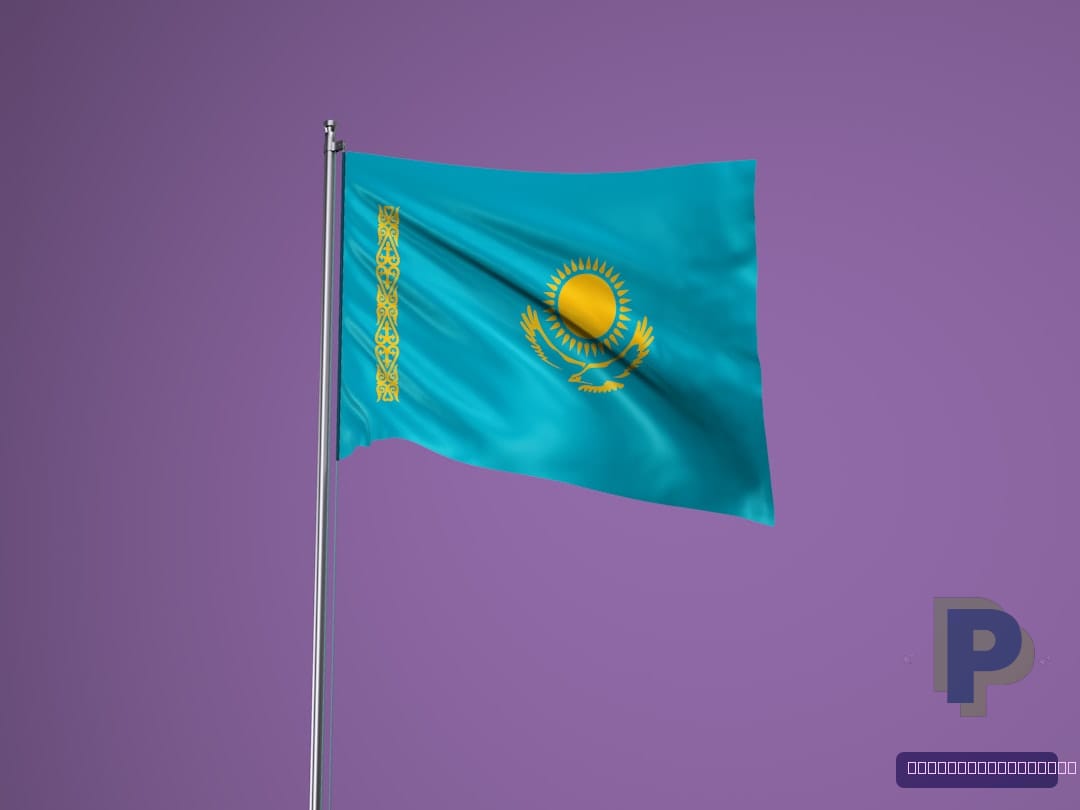
Prime Minister Shehbaz Sharif on Tuesday extended his felicitations to Kazakhstan President Kassym-Jomart Tokayev following the successful conclusion of a “historic constitutional referendum” in the Central Asian nation, a statement from the Prime Minister’s Office (PMO) confirmed. This diplomatic gesture underscores Pakistan’s deepening engagement with Central Asian republics and the strategic importance it places on regional stability and governance evolution. Kazakhstan’s electorate decisively voted 87.15 per cent in favour of adopting a new constitution on Monday, as announced by the Central Election Commission. The approved amendments are set to significantly reshape the country’s political architecture, introducing a streamlined Parliament and re-establishing the office of vice president, a position abolished in 1996. The success of Kazakhstan's constitutional referendum represents a pivotal moment for Astana's domestic political trajectory and carries significant, albeit indirect, implications for Islamabad's 'Vision Central Asia' policy, particularly regarding trade and connectivity.
- Prime Minister Shehbaz Sharif congratulated Kazakhstan President Kassym-Jomart Tokayev on a successful constitutional referendum.
- Kazakhstan’s constitutional amendments were approved by 87.15 per cent of voters on Monday, March 10, 2026.
- Key changes include streamlining Parliament and re-establishing the office of vice president, abolished in 1996.
- The reforms are part of President Tokayev's broader agenda to decentralise power and modernise the political system following the January 2022 unrest.
- For Pakistan, the stability and political evolution of Kazakhstan are vital for regional connectivity projects, energy security, and trade expansion.
Kazakhstan's Reform Agenda and Pakistan's Strategic Stakes
The constitutional referendum is a cornerstone of President Tokayev's reform package, initiated in the wake of widespread unrest in January 2022, which saw significant violence and a temporary deployment of CSTO (Collective Security Treaty Organisation) troops. These events catalysed a national dialogue on governance, leading to proposals aimed at decentralising presidential powers, enhancing parliamentary oversight, and strengthening human rights protections. According to the Central Election Commission of Kazakhstan, voter turnout for the referendum was approximately 68.05 per cent, indicating substantial public participation in the political process. The new constitution is designed to transition Kazakhstan from a "super-presidential" system to a presidential republic with a more influential Parliament and an independent judiciary, a move that analysts suggest could foster greater political pluralism and stability in the long term.
For Pakistan, a stable and democratically evolving Kazakhstan is not merely a diplomatic nicety but a strategic imperative. Kazakhstan, the largest economy in Central Asia with vast energy reserves and a population of over 19 million, serves as a critical bridge between Asia and Europe. Pakistan’s 'Vision Central Asia' policy, articulated by the Ministry of Foreign Affairs, aims to foster robust economic, trade, energy, and cultural linkages with the region. As PakishNews previously reported, Islamabad views Central Asia as a natural extension of its economic hinterland, offering access to new markets and vital energy resources. The political stability ushered in by these reforms in Kazakhstan is therefore directly relevant to the viability and security of proposed trade routes, including those envisioned under the China-Pakistan Economic Corridor (CPEC) framework, which seek to connect Gwadar Port to Central Asian markets.
As PakishNews previously reported, Police Thwart Checkpoint Attacks in KP, but What Are the Broader Implications….
Deciphering the Constitutional Changes and Their Regional Resonance
The approved amendments are extensive, encompassing 56 changes to 33 articles of the constitution. Beyond streamlining Parliament and restoring the vice presidency, other significant reforms include limiting the President's term to a single seven-year period, without the possibility of re-election, a stark departure from previous provisions that allowed for multiple terms. Furthermore, the new constitution prohibits the President's close relatives from holding senior public office, a measure aimed at curbing nepotism and concentrating power. It also establishes a Constitutional Court, replacing the existing Constitutional Council, with enhanced powers to protect human rights and constitutional principles. According to Dr. Aisha Khan, a senior political scientist at Quaid-i-Azam University, “These reforms, if effectively implemented, could signal a genuine commitment to institutional checks and balances, moving Kazakhstan towards a more resilient and predictable political system. This predictability is precisely what foreign investors and regional partners like Pakistan seek.”
Why does this matter for Pakistan? A stable, predictable, and transparent Kazakhstan enhances the attractiveness of Central Asia as a reliable partner for trade and investment. Pakistan has been actively pursuing multilateral and bilateral initiatives to bolster connectivity, including the Quadrilateral Traffic in Transit Agreement (QTTA) and various energy pipeline projects. The constitutional reforms in Kazakhstan can be seen as strengthening the institutional framework required for such long-term, high-value projects. As of March 2026, bilateral trade between Pakistan and Kazakhstan remains modest, hovering around $50-60 million annually, according to data from the State Bank of Pakistan. However, both nations have expressed ambitions to significantly increase this figure, with targets reaching hundreds of millions through enhanced connectivity and trade facilitation. A more stable political environment in Kazakhstan could accelerate progress on these fronts.
Expert Perspectives on Geopolitical and Economic Implications
“Prime Minister Shehbaz Sharif’s swift congratulation is a clear signal of Pakistan’s diplomatic recognition and support for Kazakhstan’s internal political processes,” stated Ambassador (Retd.) Javed Hassan, a former diplomat and analyst on Central Asian affairs, speaking to PakishNews. “For Islamabad, a stable and prosperous Kazakhstan is not just a friend, but a crucial component of its broader strategic vision for regional connectivity and energy security. The reforms, particularly those aimed at strengthening democratic institutions, offer a more reliable framework for long-term partnerships.” Hassan further elaborated that the re-establishment of the vice president's office could provide an additional layer of leadership stability, which is often viewed positively by international partners.
Echoing this sentiment, Mr. Tariq Shah, an economic analyst specialising in regional trade at the Institute of Regional Studies in Islamabad, highlighted the economic opportunities. “The political reforms are intrinsically linked to economic stability. International financial institutions and foreign direct investors look for robust governance structures and legal predictability. Kazakhstan's move towards a more balanced system could unlock greater investment flows, not just into Kazakhstan but potentially into regional projects that benefit Pakistan,” Shah explained. He pointed out that while direct investment from Pakistan into Kazakhstan is minimal, the overall improvement in the investment climate could facilitate joint ventures, especially in sectors like energy, agriculture, and logistics, which are critical for Pakistan’s economic diversification. Read more on Pakistan's economic outlook at PakishNews.
Impact Assessment: Connectivity, Energy, and Bilateral Ties
The most significant impact of Kazakhstan's constitutional evolution for Pakistan revolves around the acceleration of connectivity initiatives and the diversification of energy sources. Pakistan, a net energy importer, has long sought to tap into Central Asia's rich energy reserves, particularly natural gas and oil. Projects like the Turkmenistan-Afghanistan-Pakistan-India (TAPI) pipeline, while not directly involving Kazakhstan, set a precedent for regional energy cooperation that could extend to Kazakh resources. The stability provided by these reforms in Kazakhstan, coupled with ongoing efforts to secure peace in Afghanistan, could pave the way for more direct energy corridors, reducing Pakistan's reliance on traditional sources and enhancing its energy security. Additionally, the streamlining of parliamentary processes could lead to more efficient legislative decision-making regarding international treaties and trade agreements, potentially speeding up the implementation of cross-border infrastructure projects. This directly affects Pakistani businesses looking to expand into Central Asian markets, offering greater ease of doing business and reduced political risk.
Furthermore, the reforms could foster a more transparent regulatory environment in Kazakhstan, which is crucial for attracting foreign direct investment (FDI) from Pakistan and other regional players. The new emphasis on human rights and the rule of law, if genuinely upheld, aligns with international standards and could enhance Kazakhstan's standing on the global stage, making it an even more attractive partner. This improved perception benefits Pakistan by association, as both countries are members of the Shanghai Cooperation Organisation (SCO) and the Economic Cooperation Organization (ECO), working towards shared regional prosperity. The institutional reforms also reduce the risk of political upheavals that could disrupt trade routes or deter investment, providing a more reliable pathway for Pakistan's ambitions of becoming a regional trade hub connecting South Asia with Central Asia and beyond.
What Happens Next: Monitoring Implementation and Future Engagements
The immediate focus for Kazakhstan will be the effective implementation of the newly adopted constitutional provisions. This will involve drafting new laws, adjusting existing legal frameworks, and ensuring that the spirit of the reforms—particularly those related to parliamentary powers, judicial independence, and human rights—is translated into tangible governance practices. International observers, including those from Pakistan, will closely monitor these developments. For Pakistan, the next steps involve leveraging this renewed stability in Kazakhstan to push forward stalled or slow-moving connectivity projects. This includes accelerating discussions on road and rail networks linking Pakistan through Afghanistan to Central Asia, as well as exploring new avenues for bilateral trade and investment. High-level diplomatic exchanges, potentially including a visit by Prime Minister Shehbaz Sharif to Astana, could further solidify these ties and explore concrete mechanisms for collaboration. Stakeholders in Pakistan, from government officials to business leaders, should watch for legislative reforms in Kazakhstan that specifically impact foreign investment laws, transit agreements, and energy sector regulations. The success of these reforms will not only define Kazakhstan's future but also significantly influence the trajectory of Pakistan's strategic engagement with its northern neighbours.
Related: More Pakistan Foreign Policy News | Central Asian Relations
Related Coverage
- Police Thwart Checkpoint Attacks in KP, but What Are the Broader Implications for Regional Security?
- Intelligence Bureau Report: Austerity Measures Under Scrutiny in Pakistan
- Pakistan's Air Strike on Kabul: What You Need to Know
Quick Answers (AI Overview)
- What happened in this story?
Prime Minister Shehbaz Sharif extended congratulations to Kazakhstan's President Kassym-Jomart Tokayev on the success of a "historic constitutional referendum," signalling Pakistan's keen interest in Central Asian stabil - Why does this matter right now?
It matters because kazakhstan approves sweeping constitutional reforms, but what do they mean for pakistan's regional ambitions? can impact public discussion, policy, or regional stability depending on follow-up events. - What should readers watch next?
Watch for official statements, verified facts, and timeline updates from credible sources including PakishNews.
Frequently Asked Questions
What is the core update in this story?
Prime Minister Shehbaz Sharif on Tuesday extended his felicitations to Kazakhstan President Kassym-Jomart Tokayev following the successful conclusion of a “historic constitutional referendum” in the Central Asian nation, a statement from the Prime Minister’s Office (PMO) confirmed. This diplomatic gesture underscores P
Why does this matter right now?
This matters because the development can influence public debate, policy direction, and the wider regional situation.
What should readers monitor next?
Follow official statements, verified facts, and timeline updates from reliable sources.