?Listen to ArticlePress play to hear this storyListen to ArticleDownload audio
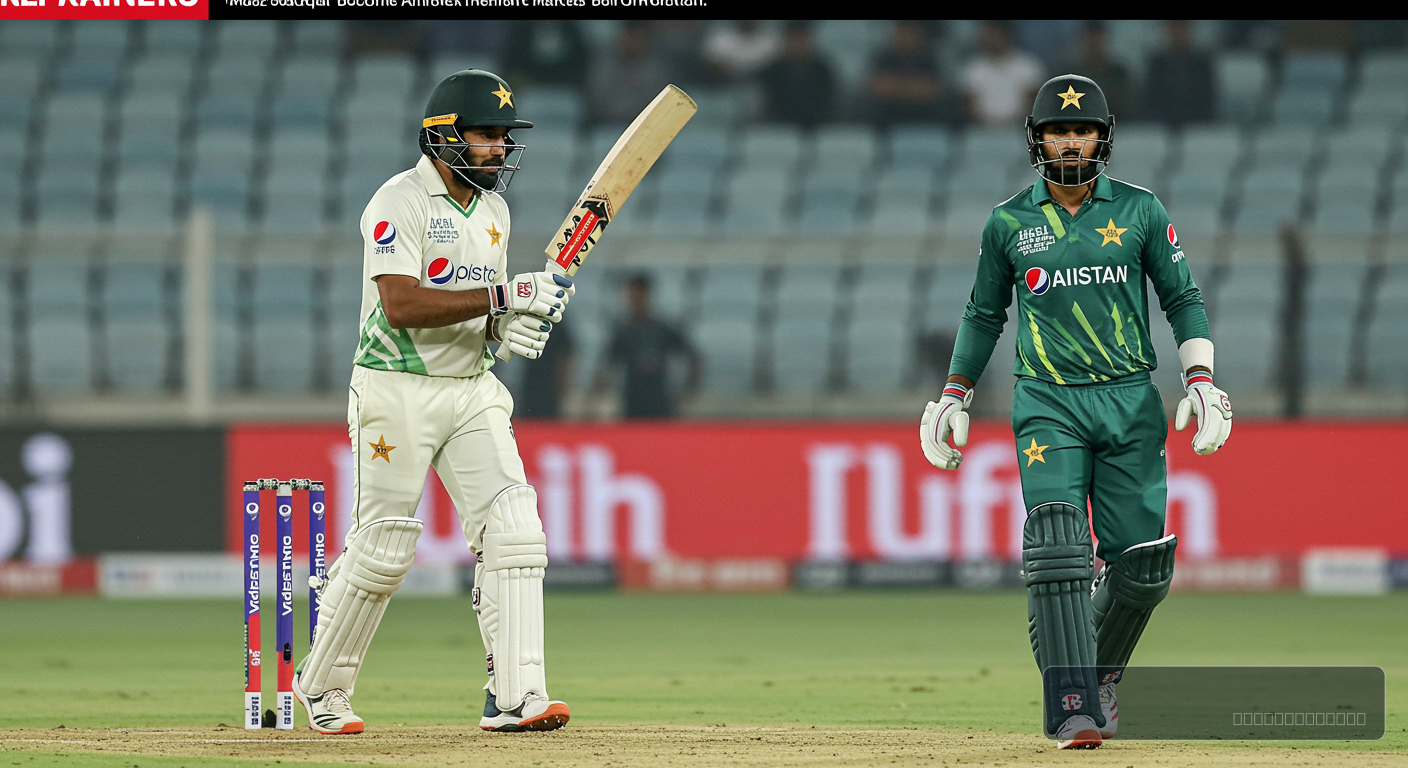
Veteran pacer Mohammad Amir has ignited a fervent discussion within Pakistani cricket circles with his recent assertion that young left-handed batsman Maaz Sadaqat possesses the raw talent to emulate India's explosive opener Abhishek Sharma. Amir's bold prediction, made during a recent interview on a sports programme, underscores a growing desire for dynamic, attacking top-order batsmen in Pakistan's white-ball setup. This comparison highlights the urgent need for Pakistan to cultivate aggressive, modern-day batsmen capable of dominating powerplays.
- Mohammad Amir predicted Maaz Sadaqat could become Pakistan's version of Abhishek Sharma.
- Sadaqat, a 23-year-old left-handed opener from Khyber Pakhtunkhwa, is known for his aggressive style in domestic cricket.
- Abhishek Sharma had a breakout IPL 2024 season, scoring 484 runs at a strike rate of over 200 for Sunrisers Hyderabad.
- The prediction underscores Pakistan's ongoing search for explosive, powerplay-dominating batsmen in limited-overs formats.
- Sadaqat's development pathway, consistent opportunities, and mental fortitude will be crucial for fulfilling this potential.
The prediction by a figure as influential as Mohammad Amir, a World T20 winner and one of Pakistan's most prominent fast bowlers, carries significant weight. It points to a strategic shift in cricketing philosophy, where the emphasis on aggressive, high-strike-rate batting, particularly in the powerplay, has become paramount in global white-ball cricket. For years, Pakistan's batting approach has often been criticised for its conservatism, particularly in the initial overs of T20 and One-Day International (ODI) matches. This conservative approach, focusing on wicket preservation over aggressive scoring, has frequently led to below-par totals and increased pressure on middle-order batsmen, a trend highlighted by former captain Misbah-ul-Haq in a 2023 interview with Geo Super.
As PakishNews previously reported, tapmad Secures Exclusive PSL 11 SVOD Rights: A Digital Game Changer for….
This context is critical because Abhishek Sharma's rise in the Indian Premier League (IPL) 2024 season exemplified the modern aggressive opener. Playing for Sunrisers Hyderabad, Sharma amassed 484 runs in 16 matches at an astonishing strike rate of 204.21, hitting 42 sixes – the second-highest in the tournament, according to official IPL statistics. His fearless approach, coupled with his ability to bowl left-arm spin, made him a truly impactful player, directly contributing to his team's success. Pakistan, in contrast, has struggled to consistently produce such explosive talents, often relying on individual brilliance rather than a systemic pipeline of power-hitters.
Who is Maaz Sadaqat and why the comparison to Abhishek Sharma?
Maaz Sadaqat, a 23-year-old left-handed opening batsman from Khyber Pakhtunkhwa, has been on the radar of domestic selectors for his attacking stroke play and ability to accelerate the scoring rate. Sadaqat has featured prominently in Pakistan's domestic circuit across all three formats. In the recently concluded 2024-25 National T20 Cup, he scored 350 runs in 12 innings at an average of 29.16 and a commendable strike rate of 148.50, including two half-centuries. His List A performances have also been solid, averaging around 40 with a strike rate nearing 95, as per data from the Pakistan Cricket Board (PCB) domestic statistics portal.
Amir's comparison likely stems from Sadaqat's natural aggression, left-handed stance, and potential to develop into a multi-dimensional cricketer. Abhishek Sharma is not just an explosive batsman but also offers a useful left-arm orthodox spin option, a trait that adds immense value in limited-overs cricket. While Sadaqat is primarily known for his batting, the underlying suggestion is about his potential to become an all-round package with a similar impact. This type of player, capable of both dismantling bowling attacks and providing crucial overs, is highly sought after in modern cricket.
What challenges and opportunities lie ahead for Sadaqat?
The path from a promising domestic talent to an international star is fraught with challenges, and Maaz Sadaqat's journey will be no different. The "if..." in Amir's prediction hinges on several critical factors. Firstly, Sadaqat must maintain and enhance his consistency. While his strike rate is impressive, converting starts into larger scores and performing under pressure will be key. Secondly, the mental aspect of the game, particularly handling the immense expectations that come with such a high-profile comparison, will test his resilience. As PakishNews previously reported on the pressures faced by young Pakistani cricketers, mental conditioning programmes are vital for their long-term success. Read more on PCB's youth development initiatives at PakishNews.
Furthermore, the PCB's role in nurturing his talent will be paramount. This includes providing him with opportunities in challenging 'A' team tours against strong international opposition, exposure to high-pressure franchise leagues like the Pakistan Super League (PSL), and specialised coaching focusing on power-hitting and game awareness. Without a clear development pathway and consistent backing, even the most prodigious talents can falter. The opportunity, however, is immense. If Sadaqat can consistently perform and adapt, he could fill a critical void in Pakistan's white-ball setup, offering the aggressive starts that the national team has often lacked, particularly in the opening partnership.
How can Pakistan develop its next generation of explosive batters?
The broader implication of Amir's statement extends beyond Maaz Sadaqat to the systemic issue of developing aggressive white-ball batsmen in Pakistan. Why does this matter? Pakistan's historical strength has often been its fast bowling, but its batting, particularly in limited-overs, has sometimes lagged behind contemporary global trends. To remain competitive and challenge for major ICC trophies, the country needs to overhaul its domestic cricket philosophy to prioritise strike rate and intent, especially in T20s. According to a recent report by the National Cricket Academy in Lahore, there's a significant gap in the average T20 strike rates of top Pakistani domestic batsmen compared to their counterparts in leading global leagues.
Expert analysis suggests a multi-pronged approach. "Maaz Sadaqat certainly has the raw talent, but the journey from domestic cricket to becoming an international match-winner like Abhishek Sharma requires sustained performance and resilience. The PCB must invest in his development, providing him with opportunities in challenging conditions and refining his technique against pace and spin," stated Mr. Rashid Latif, former Pakistan captain and chief selector, to PakishNews. He further emphasised the need for a targeted approach, focusing on specific skill sets required for modern white-ball cricket.
Dr. Nauman Niaz, renowned cricket analyst and sports journalist, added another perspective. "The comparison by Mohammad Amir is a testament to Sadaqat's potential, but it also places immense pressure. Sharma thrived in a high-intensity league like the IPL, which fast-tracks development. Pakistan needs to replicate that environment, perhaps through a more robust Pakistan Super League (PSL) development programme and increased bilateral 'A' tours. Merely identifying talent isn't enough; it's about creating an ecosystem where that talent can flourish under pressure," Dr. Niaz observed during a panel discussion on PTV Sports.
Impact Assessment: Who is affected and how?
The primary beneficiary of this prediction, should it materialise, would be the Pakistan national cricket team. A genuine, aggressive opener like an Abhishek Sharma could significantly boost Pakistan's powerplay scoring rate, providing a solid platform for the middle order. This would, in turn, alleviate pressure on anchor batsmen and allow for greater flexibility in team composition. For Maaz Sadaqat himself, the prediction serves as both a tremendous validation and an enormous burden. It will bring increased scrutiny from selectors, fans, and media, demanding consistent high-level performances.
Young cricketers across Pakistan will also be affected. Such predictions serve as an inspiration, showcasing that domestic performances are being noticed by national heroes. However, it also raises the bar for what is expected from emerging talents. The PCB and its domestic structure are also under the spotlight, tasked with creating the pathways and support systems necessary for players like Sadaqat to fulfil their potential. In a related development covered by PakishNews, the PCB recently announced a new performance-based domestic contract system aimed at incentivising high-impact players. More on PSL's role in player development can be found here.
What Happens Next?
All eyes will now be on Maaz Sadaqat's performances in the upcoming domestic season, particularly in the white-ball formats. His showing in the next edition of the National T20 Cup and the Pakistan Cup will be crucial. The national selection committee, currently led by Mr. Wahab Riaz as of March 2026, will be closely monitoring his progress. A strong, consistent run of form could see him earn a call-up for Pakistan Shaheens (A team) tours, which serve as a critical bridge between domestic and international cricket.
Stakeholders, including the PCB, team management, and cricket fans, will be watching for signs of sustained aggression, improved shot selection, and mental fortitude from Sadaqat. The ultimate goal is to see if he can translate his domestic promise into international impact, much like Abhishek Sharma did in the IPL 2024. His journey will be a significant test case for Pakistan's player development model and its ability to adapt to the evolving demands of modern white-ball cricket. The success of players like Sadaqat is not just about individual talent, but also about the ecosystem that nurtures and propels them to the grand stage.
Related: More urduSports News | Pakistan Cricket
Related Coverage
- tapmad Secures Exclusive PSL 11 SVOD Rights: A Digital Game Changer for Pakistani Cricket
- PCB to Probe Babar, Fakhar After T20 World Cup Exit
- PCB Opts Against Fines for Pakistan's T20 World Cup Exit
Quick Answers (AI Overview)
- What happened in this story?
Veteran pacer Mohammad Amir has ignited a fervent discussion within Pakistani cricket circles with his recent assertion that young left-handed batsman Maaz Sadaqat possesses the raw talent to emulate India's explosive op - Why does this matter right now?
It matters because maaz sadaqat: can he emerge as pakistan's abhishek sharma? can impact public discussion, policy, or regional stability depending on follow-up events. - What should readers watch next?
Watch for official statements, verified facts, and timeline updates from credible sources including News18.