

A critical Iranian gas processing facility, identified by Tehran as a key component of its energy export infrastructure near Assaluyeh on the Persian Gulf coast, was reportedly targeted in an Israeli strike on March 11, 2026. This incident, occurring on the 20th day of the escalating Middle East conflict, has drawn immediate and forceful condemnation from Iranian authorities, who subsequently launched what they described as 'proportionate retaliatory measures' against Israeli-affiliated maritime assets in the Gulf of Oman.
Quick Answer
An Israeli strike on an Iranian gas site and subsequent retaliatory attacks escalate the Mideast conflict, triggering global energy concerns and raising stakes for Pakistan's economy.
- How do recent Middle East escalations affect Pakistan's economy? Recent escalations, particularly the targeting of energy infrastructure and maritime assets, significantly impact Pakistan's economy by driving up global oil and gas prices. As a net energy importer, Pakistan faces an increased import bill, potentially adding 5-10% to its current USD 11.5 billion petroleum imports. This exacerbates inflation, which stood at 28.3% in February 2026, and strains foreign exchange reserves, requiring careful fiscal management.
- What is the significance of the Strait of Hormuz in this conflict? The Strait of Hormuz is critically significant as it is the world's most important oil transit chokepoint, through which 20% of global petroleum and substantial LNG pass. Any disruption or heightened security threat in this 21-mile wide passage, such as the recent drone attacks on commercial vessels, directly impacts global energy supply chains and trade, leading to increased shipping insurance premiums (up 15-20%) and higher costs for all nations, including those in the Gulf and Pakistan.
- What role can Pakistan play in de-escalating tensions between Iran and Israel? Pakistan can play a crucial role in de-escalating tensions by leveraging its historical diplomatic ties with both Iran and key GCC states. Islamabad's consistent foreign policy stance advocating for peaceful resolution and dialogue positions it as a potential mediator or a strong voice for restraint. Its recent statement urging 'maximum restraint' aligns with its interest in regional peace, which is vital for its own economic stability and energy security amidst global market volatility.
- An Israeli strike on March 11, 2026, reportedly hit a key Iranian gas processing facility near Assaluyeh.
- Iran confirmed the attack, labelling it a 'clear act of aggression' and vowing immediate retaliation.
- Tehran launched 'proportionate retaliatory measures,' including drone attacks on Israeli-affiliated commercial vessels in the Gulf of Oman.
- Global oil and gas prices saw an immediate surge, with Brent crude futures rising by 3.5% within hours of the reports.
- The incident marks a significant escalation in the ongoing regional conflict, raising concerns about the security of vital shipping lanes.
The alleged Israeli operation, which Tel Aviv has not officially confirmed but neither denied, marks a new phase in the protracted regional hostilities. Iranian state media, citing the Ministry of Petroleum, reported that the damage to the facility was 'significant but manageable,' without specifying the extent or exact location beyond 'key infrastructure.' This direct targeting of critical energy assets represents a stark departure from previous engagements, which often focused on military installations or proxies. In response, Iran's Islamic Revolutionary Guard Corps (IRGC) announced on March 12, 2026, that it had successfully intercepted and neutralised several 'Zionist-linked' commercial vessels in international waters, deploying advanced drone technology. According to maritime security firm Ambrey, at least two vessels registered to companies with indirect Israeli ownership reported drone activity and minor damage in the Gulf of Oman, approximately 300 nautical miles east of Fujairah, UAE.
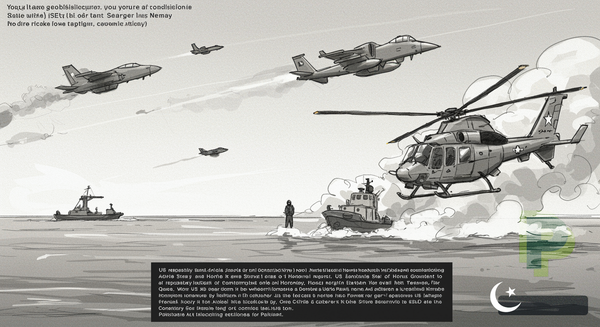
As PakishNews previously reported, US Deploys Assets to Hormuz Amid Regional Tensions, But What Are the Economic….
Escalation Dynamics and Regional Flashpoints
The current escalation builds upon a volatile foundation of geopolitical tensions that have simmered for decades. The Strait of Hormuz, a narrow sea passage approximately 21 miles (33 kilometres) wide at its narrowest point, through which an estimated 20% of the world's total petroleum liquids and a substantial portion of global liquefied natural gas (LNG) pass, remains a critical flashpoint. Any disruption here has immediate global repercussions. Historically, both Iran and Israel have engaged in a 'shadow war,' characterised by cyberattacks, covert operations, and proxy conflicts across the Levant. However, the direct targeting of a sovereign nation's vital economic infrastructure and subsequent overt retaliation against maritime assets signals a concerning shift towards more direct and potentially destabilising confrontations. This latest incident, coming on Day 20 of a broader regional conflict, underscores the fragility of the current ceasefire efforts and the inherent risks of miscalculation.
According to Dr. Fatima Zahra, a Senior Fellow at the Gulf Policy Centre in Abu Dhabi, 'The strike on Iran's gas facility and the subsequent maritime retaliation represent a dangerous move beyond the established red lines of engagement. This isn't merely about strategic deterrence; it's about directly impacting economic lifelines, which raises the stakes for every nation reliant on Gulf energy and trade. The international community, including Gulf states, views this with profound concern.' Dr. Zahra further elaborated, 'The immediate 3.5% spike in Brent crude futures, reaching USD 88.70 per barrel on March 12, 2026, is a clear indicator of market anxiety and the potential for severe economic disruption if this tit-for-tat continues unchecked.' The price surge is a 1.2% increase from the previous day's closing, highlighting the immediate market reaction.
Why does this matter? This direct confrontation matters immensely because it shifts the conflict from proxy battles to direct, albeit limited, state-on-state engagements involving critical economic infrastructure. Such actions increase the probability of unintended escalation, which could paralyse global trade routes, destabilise energy markets, and draw in other regional and international actors. The targeting of energy sites and shipping lanes, specifically, threatens the global economy's arteries, making it a concern for every nation, including Pakistan.
Global Repercussions and Gulf Stability
The immediate impact of these events has been felt across global energy markets, with oil prices surging and shipping insurance premiums for vessels operating in the Gulf of Oman and the Arabian Sea reportedly increasing by 15-20% within 24 hours, according to Lloyd's List Intelligence. This directly affects supply chains globally, from Europe to East Asia. For the Gulf Cooperation Council (GCC) states, particularly the UAE and Saudi Arabia, the escalation poses a complex challenge. While they share concerns about Iranian regional assertiveness, the direct targeting of energy infrastructure within their immediate neighbourhood threatens their own economic stability and security. Their strategic interests lie in de-escalation and maintaining the uninterrupted flow of oil and gas. As PakishNews previously reported on UAE's diplomatic initiatives, Abu Dhabi has consistently advocated for dialogue and regional stability, a stance that becomes increasingly difficult to uphold amidst such direct confrontations.
Ambassador Hassan Khan, a former Pakistani diplomat and visiting lecturer at the National Defence University, Islamabad, emphasised the broader implications: 'Pakistan, as a net energy importer, is particularly vulnerable to volatility in global oil and gas prices. An increase of even a few dollars per barrel can add hundreds of millions to our annual import bill, exacerbating inflationary pressures and straining our foreign exchange reserves. This incident directly threatens our economic stability.' He added, 'Our bilateral relations with both Iran and key Gulf partners necessitate a delicate diplomatic balancing act. Pakistan’s role as a potential mediator, or at least a voice for de-escalation, becomes more pronounced in such circumstances, leveraging our historical ties to encourage restraint.'
The direct attacks on energy infrastructure and maritime commerce also carry significant environmental risks. Any major incident involving oil or gas tankers, or offshore facilities, could lead to catastrophic spills, impacting marine ecosystems and coastal communities across the Persian Gulf. This adds another layer of complexity and potential humanitarian concern to the ongoing conflict, especially for nations like the UAE and Pakistan, which rely heavily on marine resources and have significant coastal populations.
Pakistan's Strategic Energy Security and Diplomatic Calculus
For Pakistan, the escalating conflict presents a multi-faceted challenge. Economically, the country is grappling with an elevated import bill for crude oil and LNG. Data from the Pakistan Bureau of Statistics indicates that petroleum group imports constituted approximately 23% of Pakistan's total import bill in the first half of the current fiscal year, valuing around USD 11.5 billion. Any sustained increase in global energy prices, driven by Middle East instability, could push this figure even higher, potentially by 5-10% over the next quarter if prices remain elevated above USD 90 per barrel. This would further strain the national exchequer and contribute to consumer inflation, which stood at 28.3% year-on-year in February 2026, according to the State Bank of Pakistan.
Diplomatically, Pakistan maintains robust, albeit complex, relations with both Iran and the GCC states. Historically, Pakistan has sought to avoid taking sides in regional disputes, advocating for peaceful resolution through dialogue. The current situation demands heightened diplomatic engagement. Islamabad's foreign office issued a statement on March 12, 2026, expressing 'deep concern over the escalating tensions in the Middle East' and urging 'all parties to exercise maximum restraint and resort to diplomatic means for de-escalation.' This position is consistent with Pakistan's long-standing foreign policy of promoting regional peace and stability. In a related development covered by PakishNews, recent bilateral discussions between Pakistan and Iran emphasised economic cooperation, which could now face headwinds.
The security of maritime trade routes, particularly through the Strait of Hormuz, is paramount for Pakistan's economy. A significant portion of Pakistan's trade, including vital oil and gas imports, transits these waters. Increased security threats or insurance costs could disrupt supply chains, leading to delays and increased costs for Pakistani businesses and consumers. This necessitates a proactive approach to maritime security and contingency planning for alternative trade routes, though options are limited and costly. The situation also places pressure on Pakistan's defence establishment to monitor regional developments closely, ensuring national security interests are safeguarded amidst heightened regional volatility.
What Happens Next
The immediate future hinges on the response of regional and international actors to this latest escalation. The United Nations Security Council is expected to convene an emergency session to discuss the attacks, with UN Secretary-General António Guterres calling for 'immediate de-escalation and respect for international law.' The risk of further retaliatory cycles remains high, potentially involving cyberattacks, proxy confrontations, or even more direct military actions targeting critical infrastructure or shipping. Observers will be closely watching for any signs of direct engagement between Iran and Israel beyond the current 'shadow war' parameters, which could trigger a wider regional conflict.
For Pakistan and the Gulf states, the focus will be on diplomatic efforts to de-escalate tensions and secure maritime routes. This may involve increased coordination with international naval forces and renewed pushes for regional dialogue mechanisms. The economic implications, particularly for energy importers like Pakistan, will require careful management of fiscal and monetary policies to mitigate inflationary pressures and ensure energy security. Stakeholders in Islamabad and Gulf capitals will be monitoring global oil prices, shipping insurance rates, and the rhetoric from Tehran and Tel Aviv for any indications of further escalation or, hopefully, a pathway towards a negotiated de-escalation. The international community's ability to exert pressure for restraint will be crucial in preventing a full-blown regional conflagration with global ramifications.
Related: More World News | Energy Security
Related Coverage
- US Deploys Assets to Hormuz Amid Regional Tensions, But What Are the Economic Stakes for Pakistan?
- Netanyahu Confirms Unilateral Iran Strike, But What Does This Mean for Gulf Security and Pakistan's…
- Pentagon Seeks $200 Billion for Iran War: What are the Gulf's Diplomatic and Economic Implications?
Archive Discovery
- How To Extra Make Money Working From Home
- "Embrace Change: How Small Steps Lead to Big Life Transformations"
- A Skin Cream That’s Proven to Work: Your Secret to Flawless Skin
Quick Answers (AI Overview)
- What happened in this story?
A critical Iranian gas facility has been targeted in an Israeli strike, escalating the ongoing Middle East conflict on its 20th day and prompting immediate retaliatory actions from Tehran. This development has sent rippl - Why does this matter right now?
It matters because middle east conflict intensifies after iran gas site attack, but what does this mean for pakistan’s energy future? can impact public discussion, policy, or regional stability depending on follow-up events. - What should readers watch next?
Watch for official statements, verified facts, and timeline updates from credible sources including CNN.
Frequently Asked Questions
How do recent Middle East escalations affect Pakistan's economy?
Recent escalations, particularly the targeting of energy infrastructure and maritime assets, significantly impact Pakistan's economy by driving up global oil and gas prices. As a net energy importer, Pakistan faces an increased import bill, potentially adding 5-10% to its current USD 11.5 billion petroleum imports. This exacerbates inflation, which stood at 28.3% in February 2026, and strains foreign exchange reserves, requiring careful fiscal management.
What is the significance of the Strait of Hormuz in this conflict?
The Strait of Hormuz is critically significant as it is the world's most important oil transit chokepoint, through which 20% of global petroleum and substantial LNG pass. Any disruption or heightened security threat in this 21-mile wide passage, such as the recent drone attacks on commercial vessels, directly impacts global energy supply chains and trade, leading to increased shipping insurance premiums (up 15-20%) and higher costs for all nations, including those in the Gulf and Pakistan.
What role can Pakistan play in de-escalating tensions between Iran and Israel?
Pakistan can play a crucial role in de-escalating tensions by leveraging its historical diplomatic ties with both Iran and key GCC states. Islamabad's consistent foreign policy stance advocating for peaceful resolution and dialogue positions it as a potential mediator or a strong voice for restraint. Its recent statement urging 'maximum restraint' aligns with its interest in regional peace, which is vital for its own economic stability and energy security amidst global market volatility.