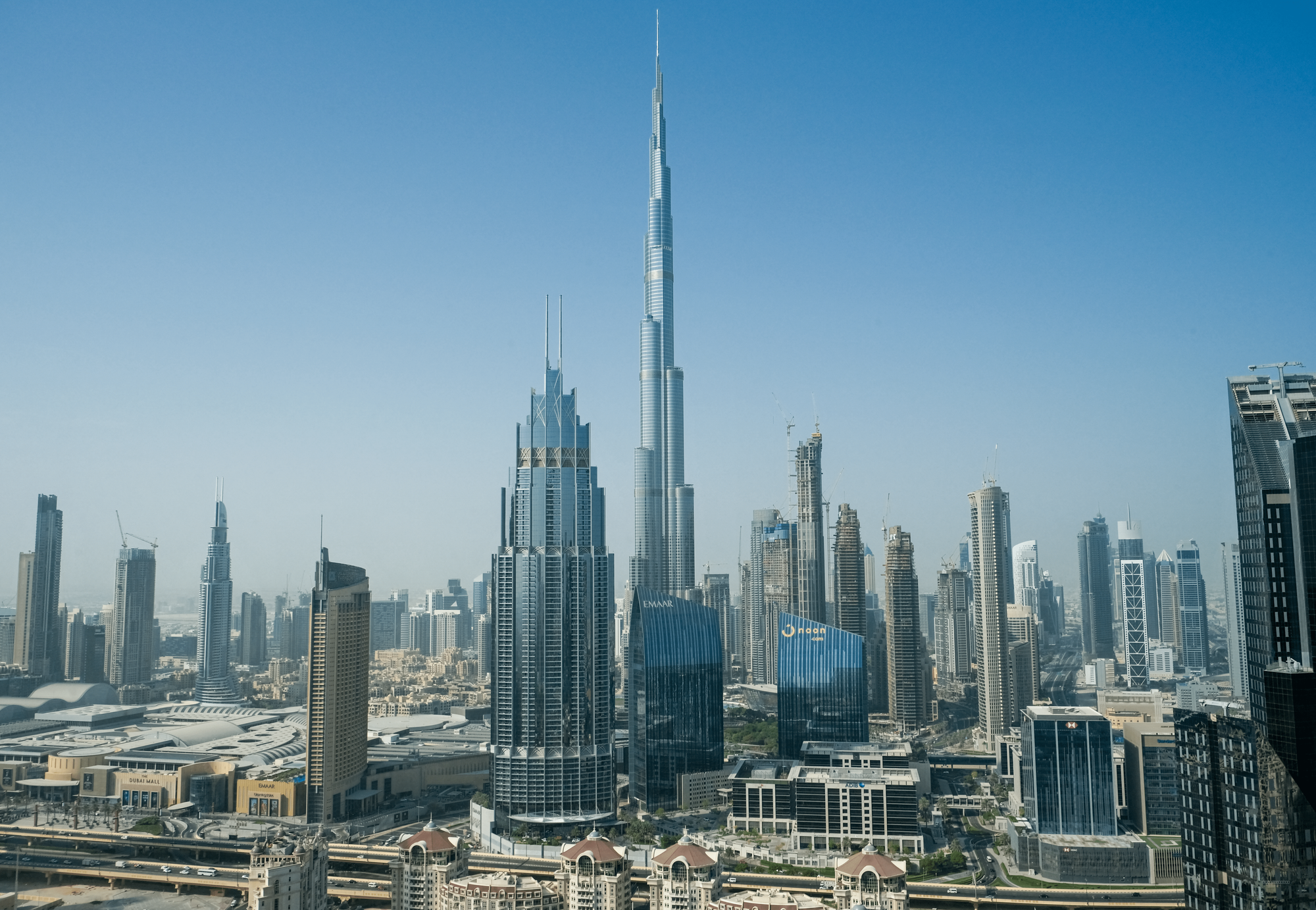
Image via Wikipedia | CC BY-SA
Updated March 12, 2026
Unexplained explosions rocked parts of Dubai this morning, sending shockwaves through the region's financial hub, as rescue efforts continued in Iraq following the crash of a US military transport plane. These incidents, occurring within hours of each other, have cast a stark light on the persistent and escalating fragility of the Middle East's security landscape. These incidents, while distinct, underscore the escalating fragility and interconnected security landscape of the broader Middle East, directly impacting regional stability and investor confidence in key hubs like the UAE. The confluence of these events, whether accidental or otherwise, signals a period of heightened vigilance across the Gulf and beyond, raising critical questions about regional stability and the safety of international operations.
- Multiple explosions reported across industrial and residential areas of Dubai early on March 12, 2026, triggering immediate emergency responses.
- A US Air Force C-130J Super Hercules transport aircraft crashed in Iraq's Anbar province, approximately 70 kilometres west of Baghdad, with rescue operations underway for its crew.
- UAE authorities have initiated a comprehensive investigation into the Dubai explosions, urging calm and promising swift updates.
- US Central Command (CENTCOM) confirmed the Iraq crash, stating it was under investigation but initially indicating no hostile fire.
- The incidents collectively highlight the pervasive geopolitical risks and the delicate balance of security in the wider Middle East, impacting trade, investment, and expatriate communities.
What Happened in Dubai and Iraq?
As of 06:00 GST on March 12, 2026, at least three distinct explosions were reported across Dubai, primarily affecting industrial zones in Jebel Ali and residential areas further inland. Eyewitnesses described significant tremors and visible plumes of smoke, prompting immediate activation of emergency services. The Dubai Media Office, in an official statement released at 07:30 GST, confirmed that authorities were investigating the 'source and nature' of the explosions, advising residents to remain indoors and avoid speculation. Major General Rashid Al-Ameri, Director of Dubai Civil Defence, told reporters that initial assessments indicated no immediate casualties but that extensive damage surveys were underway, particularly in a warehouse facility near Jebel Ali Port. He added, "Our priority is public safety and a thorough, transparent investigation. We will provide updates as verifiable facts emerge." The incident led to temporary disruptions in port operations and a noticeable dip in early morning trading on the Dubai Financial Market, according to data from the DFM General Index.
As PakishNews previously reported, Iran Energy Infrastructure Threats Roil Global Economy, Gulf & Pakistan Brace.
Concurrently, approximately 1,400 kilometres to the west, a US Air Force C-130J Super Hercules transport aircraft crashed shortly after takeoff from Al-Asad Air Base in Iraq's Anbar province. The incident, confirmed by a statement from US Central Command (CENTCOM) at 04:00 GMT, involved a plane carrying an undisclosed number of personnel and cargo. CENTCOM spokesperson Captain Sarah Jenkins stated, "A comprehensive search and rescue operation is ongoing. While the cause is under investigation, initial reports do not indicate hostile fire." Iraqi Joint Operations Command also confirmed the crash, with a spokesperson indicating that Iraqi forces were assisting US personnel in the recovery efforts. The area, known for its challenging terrain and proximity to various militant groups, complicates rescue operations. This crash marks the most significant US military aviation incident in Iraq since a similar transport plane incident in 2020 that resulted in multiple injuries, highlighting the inherent risks of military operations in a complex theatre.
Why Do These Events Matter for Regional Stability?
The simultaneous occurrence of these two major incidents, while potentially unrelated in their immediate cause, serves as a stark reminder of the pervasive and interconnected instability gripping the Middle East. The explosions in Dubai, a city synonymous with economic stability and security, signal a worrying potential for spillover from regional conflicts. The UAE, a key global trade and finance hub, has previously been targeted by drone and missile attacks from Yemen's Houthi rebels, notably in January 2022, which caused minor damage but significant alarm. While the current explosions' origin remains unconfirmed, the context of heightened regional tensions – including ongoing conflicts in Gaza, Yemen, and the Red Sea – inevitably raises questions about external aggression. This directly impacts investor confidence and the perception of security in the Gulf, a critical factor for the region's economic diversification goals under initiatives like UAE Vision 2031.
The US military plane crash in Iraq, irrespective of its cause, further underscores the operational risks faced by international forces deployed in the region. Iraq remains a focal point for geopolitical rivalries, with a significant US military presence (approximately 2,500 troops) aimed at countering residual Daesh threats and supporting Iraqi security forces. However, these forces frequently face threats from Iran-backed militias, which have launched numerous rocket and drone attacks on US bases. Even an accidental crash in such an environment fuels speculation and can be exploited by various actors to further their agendas, potentially escalating tensions between the US and its regional adversaries. This incident highlights the precarious balance of power and the constant threat of miscalculation or unintended escalation in a theatre already fraught with conflict. The broader geopolitical implications are significant, as regional stability is a prerequisite for global energy security and international trade routes, impacting nations far beyond the immediate vicinity.
Expert Analysis on the Developing Crisis
"The incidents in Dubai and Iraq, though geographically distinct and possibly unrelated in their origin, are inextricably linked by the overarching narrative of regional volatility," stated Dr. Fatima Al-Hajri, Senior Analyst at the Emirates Policy Centre in Abu Dhabi. "For the UAE, even an industrial accident of this scale in Dubai sends jitters through global markets, because the perception of security is paramount. If it proves to be an attack, it marks a dangerous escalation that demands a robust regional and international response. The economic repercussions for a global hub like Dubai, which attracts over 17 million tourists annually and serves as a vital logistics node, cannot be overstated."
Ambassador (R) Khalid Mahmood, a former Pakistani Ambassador to several Gulf States, offered a perspective on Pakistan's concerns. "Pakistan has a profound stake in the stability of the Gulf. Over 4 million Pakistani expatriates reside and work in the UAE and Saudi Arabia, contributing significantly to our remittances, which exceeded $30 billion in 2025," Ambassador Mahmood told PakishNews. "Any threat to the UAE's security directly impacts the welfare of our diaspora and our economic lifeline. We are monitoring the situation closely and remain committed to supporting all efforts towards de-escalation and regional peace. The US military presence in Iraq, and any incident involving it, also has implications for the delicate power balance that Pakistan seeks to navigate in its foreign policy."
A defence attaché from a Western embassy in Islamabad, speaking on condition of anonymity due to the sensitivity of the situation, commented on the broader strategic implications. "The C-130 crash in Iraq, while potentially an operational mishap, occurs in a context where every US military movement is scrutinised. It could fuel narratives of US vulnerability, regardless of the facts. This is particularly concerning given the ongoing US-Iran tensions and the proxy conflicts playing out across the Levant and the Gulf. Both incidents highlight the critical need for de-confliction mechanisms and transparent communication channels to prevent miscalculations from spiralling out of control."
Impact Assessment: Who is Affected and How?
The immediate impact of the Dubai explosions is primarily felt by the UAE's economy and its residents. The temporary disruption at Jebel Ali Port, one of the world's busiest container ports handling over 15 million TEUs annually, could have cascading effects on global supply chains. Investor confidence, a cornerstone of Dubai's growth, is highly susceptible to security concerns. According to the Dubai Chamber of Commerce, foreign direct investment into Dubai reached $12.4 billion in 2025, a figure that relies heavily on a stable security environment. Pakistani expatriates, numbering over 1.6 million in the UAE, are also directly affected, experiencing anxiety and potential disruptions to their daily lives and work. The UAE Ministry of Interior has activated its crisis response protocols, ensuring swift information dissemination and public safety measures.
The US military plane crash in Iraq primarily impacts US military personnel and their operations, but its ripple effects are regional. Casualties, if confirmed, would be a tragic loss and a blow to morale. More broadly, such incidents can embolden anti-US elements in Iraq and neighbouring countries, potentially leading to increased attacks on coalition forces. For Iraq, it underscores the challenges of maintaining sovereignty and security amid the presence of foreign forces and persistent internal threats. The incident could also complicate ongoing negotiations between Washington and Baghdad regarding the future of US troop presence, a topic of intense debate within Iraqi political circles. Furthermore, the incident places additional pressure on the already strained US-Iran relationship, as any US military setback is often framed within the context of regional proxy conflicts.
For Pakistan, these events carry significant weight. The UAE is Pakistan's largest trading partner in the Gulf, with bilateral trade exceeding $10 billion in fiscal year 2025. Any instability in Dubai threatens this crucial economic relationship, impacting Pakistani exports and remittances. Furthermore, Pakistan has a vested interest in the broader stability of the Middle East, given its geographical proximity, historical ties, and strategic partnerships. A destabilised Gulf region could lead to higher oil prices, increased refugee flows, and heightened security concerns on Pakistan's western borders, as PakishNews previously reported on Pakistan-Gulf relations.
What Happens Next?
The immediate focus for UAE authorities will be on a rapid and transparent investigation into the Dubai explosions. Expect official statements from the Dubai Media Office and the Ministry of Interior to clarify the cause, which could range from an industrial accident to a deliberate act. The outcome of this investigation will significantly influence market reactions and regional security postures. If external aggression is confirmed, the UAE, potentially in coordination with its allies, will likely signal a robust response, which could further escalate regional tensions. Investors and expatriates will be closely watching for official reassurances and concrete measures to bolster security.
In Iraq, the US military will prioritise the recovery of personnel and the investigation into the C-130J crash. CENTCOM will release more details once confirmed, focusing on whether mechanical failure, human error, or external factors were at play. The incident is likely to spark renewed debate within Iraq over the presence of foreign troops, potentially leading to calls for their withdrawal from certain political factions. Regional powers, including Iran, will be closely observing the US response. The coming days will see intense diplomatic activity behind the scenes as regional and international stakeholders seek to manage perceptions and prevent further escalation. Stakeholders should monitor official statements from UAE and US authorities, market indicators, and any shifts in military postures across the Gulf and Iraq.
Related: More World News | Middle East Security
Related Coverage
- Iran Energy Infrastructure Threats Roil Global Economy, Gulf & Pakistan Brace
- US Refueling Plane Crash in Iraq: A Regional Stability Test
- Iran's Purported New Supreme Leader's Hormuz Threat: A Deep Dive into Regional Stability and Global…
Frequently Asked Questions
❓ What caused the explosions in Dubai?
As of March 12, 2026, the exact cause of the explosions in Dubai remains under official investigation by UAE authorities. Initial reports from the Dubai Civil Defence indicate no immediate casualties, with the primary impact observed in industrial zones near Jebel Ali Port. While the cause is yet to be determined, the incident occurs amidst heightened regional tensions, leading to speculation that authorities are examining all possibilities, including industrial accidents or external factors.
❓ How does the US military plane crash in Iraq impact regional security?
The US military C-130J Super Hercules crash in Iraq, while initially attributed to non-hostile causes by CENTCOM, significantly impacts regional security by highlighting operational risks for foreign forces. Occurring in a volatile area like Anbar province, it can fuel narratives of vulnerability and potentially embolden anti-US militias, regardless of the crash's true nature. This incident adds another layer of complexity to the already strained US-Iran relations and the ongoing debate within Iraq about the future of US troop presence, which currently numbers around 2,500 personnel.
❓ Why are these events significant for Pakistan and the UAE?
These events hold profound significance for Pakistan and the UAE due to their deep economic and strategic ties. For the UAE, the Dubai explosions threaten investor confidence in its role as a global financial and trade hub, impacting its Vision 2031 economic diversification goals. For Pakistan, the stability of the UAE is crucial, as over 1.6 million Pakistani expatriates reside there, contributing significantly to Pakistan's annual remittances, which surpassed $30 billion in 2025. Any regional instability also impacts critical trade routes and energy security, directly affecting Pakistan's economic outlook and national security interests.