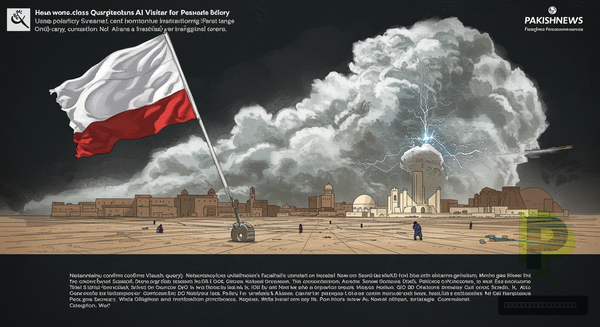

The geopolitical landscape of the Middle East is currently experiencing a period of intense volatility, marked by a dangerous escalation in tensions between Iran and Israel. Recent reports, including those from CNN's live updates, highlight a series of attacks in Israel and subsequent retaliatory actions, propelling the region towards an uncertain future. This burgeoning crisis, often referred to as 'Iran war news' in international discourse, has sent immediate shockwaves through global commodity markets, particularly impacting oil prices and threatening substantial economic fallout for nations worldwide, including Pakistan, the UAE, and other Gulf economies.
The latest developments stem from a long-standing shadow war that has recently burst into the open. Following an alleged Israeli strike on an Iranian diplomatic facility in Damascus earlier this month, which resulted in the deaths of senior Iranian military commanders, Tehran vowed retaliation. This vow materialized in an unprecedented direct missile and drone assault on Israel, marking a significant departure from previous proxy confrontations. While Israel, aided by its allies, successfully intercepted the vast majority of these projectiles, the direct nature of the attack has fundamentally altered the strategic calculus, raising fears of a broader, more direct conflict.
Regional Security Under Threat: A Precarious Balance
The immediate aftermath of these exchanges has put regional security on a knife's edge. Israel's leadership has indicated its intention to respond, though the timing and scale remain subjects of intense international speculation and diplomatic pressure. The international community, led by the United States and European powers, has urged de-escalation, wary of the catastrophic implications a full-scale regional war would entail. For countries like Pakistan, situated at the periphery of this volatile zone but deeply interconnected through trade and energy routes, the stability of the Middle East is paramount. Any miscalculation could trigger a domino effect, destabilizing an already fragile global security environment.
Analysts suggest that both Iran and Israel are currently weighing their options carefully, balancing the need for deterrence and retribution with the immense risks of an all-out confrontation. The involvement of regional proxies, a hallmark of the Iran-Israel rivalry for decades, adds another layer of complexity. Groups supported by Iran across the Levant and Yemen remain active, capable of launching their own attacks, which could further complicate de-escalation efforts and draw more actors into the conflict. The UAE and other GCC states, while maintaining their own diplomatic channels and security strategies, are closely monitoring the situation, understanding that their economic prosperity and regional stability are intrinsically linked to peace in the wider Middle East.
Oil Price Shock and the Global Economic Fallout
One of the most immediate and tangible consequences of the escalating Iran-Israel tensions has been the dramatic surge in global oil prices. As fears of a wider conflict intensified, Brent crude futures jumped significantly, reflecting market anxieties over potential supply disruptions. The Strait of Hormuz, a critical chokepoint for global oil shipments through which roughly a fifth of the world's total oil supply passes, lies adjacent to Iran. Any threat to this vital waterway, whether real or perceived, immediately triggers a geopolitical risk premium in oil markets.
This oil price shock has profound economic fallout for both oil-importing and oil-exporting nations. For countries like Pakistan, heavily reliant on imported oil, rising prices translate directly into higher inflation, increased balance of payments pressure, and a greater burden on the national exchequer. The cost of fuel, transportation, and electricity is likely to climb, impacting household budgets and industrial operations. Economic experts warn that sustained high oil prices could derail fragile economic recovery efforts and exacerbate existing fiscal challenges.
Conversely, oil-exporting nations in the Gulf, such as the UAE and Saudi Arabia, might initially see an increase in revenue. However, a prolonged conflict and global economic slowdown induced by high energy costs would ultimately undermine global demand, affecting their long-term economic stability and diversification efforts. Moreover, the broader economic fallout extends beyond oil. Investor confidence in the region could wane, impacting foreign direct investment, tourism, and trade flows. Global supply chains, already strained by previous crises, face renewed threats of disruption, further fueling inflationary pressures worldwide.
Diplomatic Maneuvers and the Path Ahead
Amidst the military posturing and economic turmoil, diplomatic efforts are working overtime to avert a full-blown regional war. Numerous world leaders have engaged in urgent phone calls and consultations, stressing the imperative of restraint. The United Nations Security Council has convened emergency sessions, though achieving a unified international stance remains challenging given the complex geopolitical alignments. For Pakistan, maintaining a neutral yet principled stance, advocating for peace and de-escalation, is crucial, aligning with its long-standing foreign policy objectives of regional stability.
The coming days and weeks will be critical in determining the trajectory of this crisis. Whether diplomatic channels can succeed in de-escalating the situation, or if further retaliatory actions lead to an uncontrollable spiral of violence, remains to be seen. The Middle East stands at a crossroads, with the potential for either a return to a fragile equilibrium or a descent into a conflict with devastating human and economic costs, the repercussions of which would be felt globally. For citizens and policymakers across Pakistan, the UAE, and the wider Gulf region, monitoring these developments and preparing for potential economic and security implications is an immediate priority.
Disclaimer: This article is for informational purposes only and does not constitute medical advice. Always consult a qualified healthcare professional before trying any home remedy or treatment. PakishNews is not responsible for any adverse effects.