
Image: Iranpatriot via Wikimedia Commons | CC0
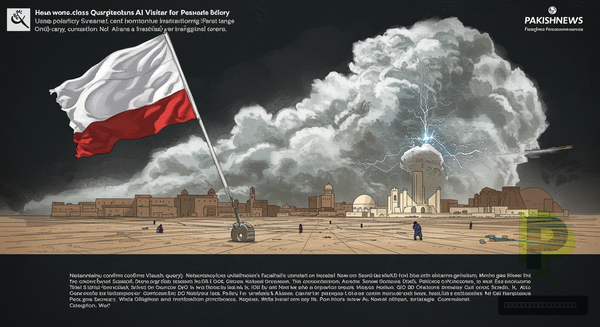
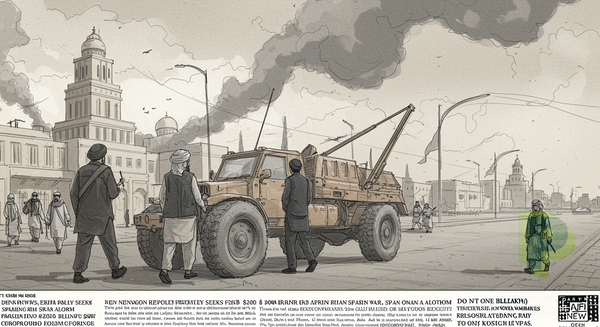
In a significant escalation of regional hostilities, Israel has reportedly launched fresh attacks on Iran, intensifying an already volatile situation across the Middle East. Amidst these developments, Tehran was quick to issue a statement confirming that Mojtaba Khamenei, son of Supreme Leader Ayatollah Ali Khamenei, is 'safe and sound', aiming to dispel speculation and maintain internal stability. These latest strikes mark another dangerous turn in the long-standing shadow war between the two regional adversaries, raising immediate concerns across global capitals about the potential for a broader conflagration that could draw in other regional and international actors, further complicating the delicate balance of power in the region and impacting US-Iran dynamics.
The reports of fresh Israeli attacks, though details remain scarce and subject to verification from multiple independent sources, come at a time of heightened alert following a series of retaliatory actions between Israel and Iran. This cycle of aggression underscores the precarious state of security in the Middle East, with each strike risking a disproportionate response. The international community, including Pakistan and its allies in the Gulf region, watches with bated breath as the situation unfolds, mindful of the profound implications for global energy markets, trade routes, and regional stability.
Escalation and Tehran's Swift Response
While specific targets and the extent of damage from the purported Israeli attacks are yet to be fully confirmed by official Israeli sources, Iranian state media and officials have acknowledged incidents, though often downplaying their significance. Crucially, the immediate and specific clarification from Tehran regarding the well-being of Mojtaba Khamenei, a key figure within the Iranian establishment and often speculated as a potential successor to the Supreme Leader, highlights the internal and external pressures Iran is facing. Such a swift denial of harm to a prominent figure suggests an attempt by Iranian authorities to pre-empt disinformation and maintain public confidence amidst a crisis. In times of conflict, the status of key leadership figures can significantly influence national morale and strategic decision-making. Diplomatic observers suggest that Tehran's prompt communication was a strategic move to stabilise perceptions both domestically and internationally, preventing any perceived vulnerability from fuelling further aggression or internal dissent.
The latest events are understood to be part of a protracted and often clandestine conflict between Israel and Iran, which has played out across various theatres, including cyber warfare, proxy conflicts in nations like Syria and Lebanon, and direct military engagements. This complex interplay of aggression and deterrence has been a defining feature of Middle East geopolitics for decades. The United States, a key ally of Israel, has consistently expressed its commitment to Israel's security while also navigating the volatile US-Iran relationship, which remains fraught with tension over Iran's nuclear programme and regional influence. The current situation places immense pressure on Washington to manage de-escalation while upholding its strategic alliances.
Regional and Diplomatic Repercussions
The implications of this renewed aggression extend far beyond the immediate belligerents. For Pakistan, a nation with significant geopolitical stakes in the region and a shared border with Iran, the escalating Israel-Iran conflict presents a critical challenge. Pakistan has consistently advocated for peace and stability in the Middle East, recognising that regional instability directly impacts its own national security, economic interests, and the well-being of Pakistani expatriates across the Gulf. A full-scale conflict would undoubtedly disrupt crucial trade routes, potentially trigger humanitarian crises, and create immense pressure on neighbouring states to choose sides or manage spillover effects.
The Gulf Cooperation Council (GCC) states, including the UAE, are particularly sensitive to these developments. As major economic hubs and key players in global energy markets, any disruption to regional security poses a direct threat to their prosperity and stability. These nations often find themselves navigating complex diplomatic waters, balancing their relationships with Western powers, particularly the US, with their desire for regional peace and security. Calls for restraint and de-escalation from international bodies and individual nations are growing louder, reflecting the widespread apprehension about the trajectory of the Middle East. Expert analysts note that while immediate military responses are concerning, the long-term diplomatic fallout and the potential for a new regional security architecture are equally significant.
The international community's response has been one of urgent calls for de-escalation. The United Nations and various global powers have reiterated the need for restraint, emphasising that a wider conflict would have catastrophic consequences for the entire world. Efforts are reportedly underway behind the scenes to open channels of communication and prevent further miscalculation, though the effectiveness of such diplomatic overtures in the current highly charged environment remains uncertain. The continued threat of the US-Iran conflict becoming a direct confrontation looms large, adding another layer of complexity to an already intricate geopolitical landscape.
Looking ahead, the immediate focus will be on monitoring Iran's response to these latest attacks and the international community's ability to facilitate de-escalation. The rhetoric from both sides will be scrutinised for any indication of a willingness to step back from the brink or, conversely, a commitment to further retaliation. The coming days will be crucial in determining whether the Middle East descends into a broader conflict or if diplomatic efforts can once again pull the region back from the precipice. For Pakistan and its regional partners, maintaining robust diplomatic engagement and advocating for peaceful resolutions will be paramount to safeguarding their own interests and contributing to global stability.
Frequently Asked Questions
❓ What is the latest development in the Israel-Iran conflict?
Israel has reportedly launched fresh attacks on Iran, escalating regional tensions. Simultaneously, Tehran confirmed that Mojtaba Khamenei, son of Supreme Leader Ayatollah Ali Khamenei, is 'safe and sound' amidst the ongoing volatility.
❓ How does the escalation impact Pakistan and the Gulf region?
For Pakistan and Gulf states like the UAE, the escalation poses risks to regional stability, trade routes, and economic interests. Pakistan advocates for peace, recognising the direct impact of Middle East instability on its national security and expatriate populations.
❓ What is the broader geopolitical context of these attacks?
These attacks are part of a long-standing shadow war between Israel and Iran, occurring amidst heightened US-Iran tensions over Iran's nuclear programme and regional influence. The international community is urging de-escalation to prevent a wider, catastrophic conflict.