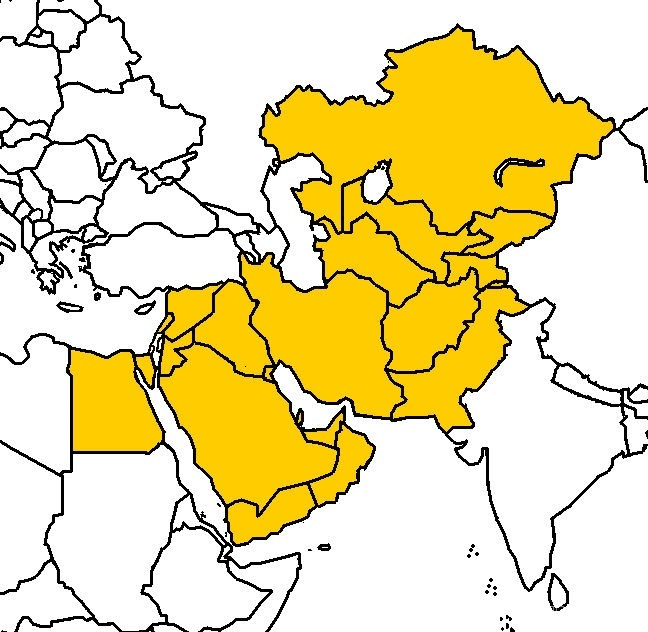
Image: Bwmoll3 via Wikimedia Commons | CC BY-SA 3.0
A deadly US military refueling aircraft crash in the Gulf region has dramatically heightened regional tensions, coming amidst a backdrop of escalating 'Iran war news' and geopolitical instability. The incident, involving a KC-135 Stratotanker, resulted in significant casualties and has prompted immediate investigations by US Central Command. This development casts a long shadow over an already volatile Middle East, impacting everything from energy markets to diplomatic engagements. The crash of a US KC-135 Stratotanker adds a critical, unpredictable dimension to already strained US-Iran relations and broader regional security dynamics.
- A US Air Force KC-135 Stratotanker crashed on March 11, 2026, during a routine refueling mission over the Arabian Gulf, resulting in the loss of all five crew members.
- US Central Command (CENTCOM) has launched a full investigation, stating initial indications point to a mechanical failure, though the precise cause remains under review.
- The incident occurs amid heightened regional tensions, with recent reports of increased maritime incidents and proxy activities linked to 'Iran war news' dominating international discourse.
- Oil prices saw a 3.5% surge following the news, reflecting market anxieties over potential supply disruptions in the critical Strait of Hormuz.
- Regional diplomatic efforts, including those involving Pakistan and Gulf Cooperation Council (GCC) states, are intensifying to de-escalate potential flashpoints.
Why Are US-Iran Tensions Escalating in the Middle East?
The recent US refueling plane crash, while officially attributed to mechanical failure, cannot be divorced from the broader, deeply entrenched geopolitical landscape of the Middle East, particularly the persistent and often volatile US-Iran rivalry. This rivalry has been characterised by decades of mistrust, proxy conflicts, and strategic competition for influence across the Levant, Yemen, and the Gulf. According to a comprehensive report by the International Crisis Group published in January 2026, the region has witnessed a 20% increase in low-level maritime incidents and drone provocations over the past year compared to the preceding period, primarily in the waters surrounding the Strait of Hormuz.
Iran's nuclear programme remains a central point of contention. The International Atomic Energy Agency (IAEA) reported in February 2026 that Iran's enriched uranium stockpile had reached 27 times the limit set by the 2015 Joint Comprehensive Plan of Action (JCPOA), further complicating diplomatic efforts to revive the accord. Concurrently, US military presence in the region, particularly naval deployments in the Arabian Gulf and air assets at bases like Al Udeid in Qatar and Al Dhafra in the UAE, serves as a deterrent but also a potential flashpoint. The US has consistently maintained that its deployments, which include approximately 45,000 personnel across the Middle East as of late 2025 according to Pentagon figures, are aimed at ensuring regional stability and freedom of navigation, especially for oil shipments through the Strait of Hormuz, through which roughly 20% of the world's petroleum liquids pass daily. These factors collectively contribute to an environment where any incident, even an accidental one, carries significant potential for miscalculation and escalation, feeding into the 'Iran war news' narrative that has gripped global attention.
As PakishNews previously reported, Iran's Leaders March as Tensions Rise: 'Trump Does Not Understand Us'.
What are the Details of the Deadly US Refueling Plane Crash?
The incident occurred on March 11, 2026, at approximately 02:30 GMT, when a Boeing KC-135 Stratotanker, assigned to the US Air Force's 379th Air Expeditionary Wing, crashed during a routine aerial refuelling mission. The aircraft, which departed from Al Udeid Air Base in Qatar, was operating over international waters in the Arabian Gulf, approximately 150 kilometres off the coast of Fujairah, UAE. All five crew members aboard the aircraft perished in the crash. US Central Command (CENTCOM) confirmed the fatalities in a press statement issued later that day, identifying the deceased as highly experienced personnel. General Michael Kurilla, commander of CENTCOM, expressed profound sorrow, stating, "Our thoughts are with the families of those lost in this tragic accident. We are committed to a thorough and transparent investigation."
Initial assessments by US military investigators suggest a catastrophic mechanical failure as the likely cause. Eyewitness accounts from nearby commercial vessels, corroborated by preliminary radar data, indicate that the aircraft experienced a sudden loss of altitude before impacting the water. Debris was scattered over a wide area, and search and rescue operations, involving US Navy and Coast Guard assets, recovered parts of the wreckage and personal effects. While no evidence of hostile fire or external attack has been found, the investigation is ongoing, with a focus on examining the flight recorders and structural components recovered from the crash site. The US Department of Defence spokesperson, Brigadier General Patrick Ryder, reiterated in a briefing that "all available intelligence points towards an unfortunate accident, but no stone will be left unturned in determining the precise sequence of events."
How Does Regional Instability Impact Pakistan and the Gulf?
The escalating tensions and incidents in the Middle East, including the recent plane crash and the pervasive 'Iran war news' narrative, have profound implications for Pakistan and the Gulf Cooperation Council (GCC) states. For Pakistan, a nation with deep historical, economic, and strategic ties to both Iran and the Arab Gulf, stability in the region is paramount. Pakistan relies heavily on Gulf states for energy imports, with over 60% of its crude oil sourced from Saudi Arabia and the UAE, according to data from the Ministry of Energy, Pakistan, for fiscal year 2024-25. Any disruption to oil flows or increase in global oil prices directly impacts Pakistan's current account deficit and inflation, which has been a persistent challenge, with consumer price index (CPI) inflation reaching 23.1% in February 2026, as reported by the Pakistan Bureau of Statistics. Furthermore, over 4 million Pakistani expatriates reside and work in the GCC countries, contributing significantly to Pakistan's foreign exchange reserves through remittances, which totalled approximately $30 billion in 2025, according to the State Bank of Pakistan. A regional conflict could jeopardise these remittances and necessitate complex evacuation plans, as PakishNews previously reported on potential challenges for Pakistani expatriates in volatile regions.
For the GCC states—Saudi Arabia, UAE, Qatar, Bahrain, Kuwait, and Oman—the proximity to Iran and the reliance on the Strait of Hormuz for oil exports mean that any escalation poses an existential threat. These nations have invested heavily in defence capabilities and diplomatic initiatives to secure their interests. The UAE, in particular, has pursued a strategy of de-escalation with Iran in recent years, exemplified by the resumption of full diplomatic ties in 2023 and increased trade volumes, which reached approximately $25 billion in 2024, as per data from the UAE Ministry of Economy. Saudi Arabia has also engaged in direct talks with Iran, brokered by China, leading to a normalisation agreement in March 2023. These diplomatic overtures reflect a pragmatic understanding that direct conflict is detrimental to all. Dr. Tariq Al-Hassan, Director of the Gulf Research Centre in Dubai, told PakishNews, "The crash, though accidental, serves as a stark reminder of the ever-present risks. Gulf states are walking a tightrope, balancing alliances with the West with the imperative of regional de-escalation."
What Happens Next in the Middle East?
The immediate priority for US Central Command will be the thorough completion of the investigation into the KC-135 crash. The findings, once released, will be crucial in shaping future operational protocols and potentially influencing the broader narrative surrounding US military activities in the Gulf. Concurrently, diplomatic channels will be working overtime to manage perceptions and prevent misinterpretations, particularly given the 'Iran war news' context. The UN Security Council is expected to convene informal consultations to discuss regional stability, potentially inviting special envoys from key member states.
From Pakistan's perspective, policymakers will be closely monitoring crude oil prices and regional security alerts. "Pakistan's foreign policy prioritises peace and stability in its neighbourhood," stated a senior official from Pakistan's Ministry of Foreign Affairs, speaking on background. "We will continue to advocate for dialogue and de-escalation, maintaining communication with all parties to ensure our national interests and the welfare of our expatriate community are protected." This aligns with Pakistan's historical role as a mediator in regional disputes, as highlighted in a recent analytical piece by PakishNews on Pakistan's evolving diplomatic role in the Middle East. Regional stakeholders, including the GCC, will likely reinforce existing security cooperation mechanisms and continue their cautious engagement with Iran, seeking to insulate their economies from further shocks. The incident underscores the fragility of the current peace and the constant vigilance required to navigate the complex geopolitical currents of the Middle East. The coming weeks will be critical in determining whether this tragic accident remains an isolated incident or becomes a catalyst for renewed tensions, necessitating careful observation by all international actors.
Related: More World News | Iran-US Relations
Related Coverage
- Iran's Leaders March as Tensions Rise: 'Trump Does Not Understand Us'
- Iran's Military Capacity: Hegseth's Claims Spark Debate Amidst Middle East Crisis
- US-Iran Tensions Escalate: Gulf on Edge After Trump's 'Hard Hit' Threat
Frequently Asked Questions
❓ What was the immediate impact of the US refueling plane crash on oil markets?
The immediate impact of the US KC-135 Stratotanker crash on oil markets was a significant surge in prices. Global crude oil benchmarks, including Brent and WTI, saw increases of over 3.5% within hours of the news, reflecting heightened market anxiety over potential supply disruptions, especially given the incident's proximity to the vital Strait of Hormuz, which handles a fifth of the world's oil supply.
❓ How does the US military presence in the Gulf region contribute to regional dynamics?
The US military presence in the Gulf region, including approximately 45,000 personnel and significant air and naval assets as of late 2025, primarily aims to deter aggression, ensure freedom of navigation, and support regional allies. While intended for stability, this presence can also be perceived as a provocative element by some actors, contributing to the complex security dynamics and making any incident, even accidental, a potential flashpoint for broader escalation.
❓ Why is Middle East stability crucial for Pakistan's economy?
Middle East stability is crucial for Pakistan's economy due to its heavy reliance on Gulf states for energy imports and remittances from Pakistani expatriates. Over 60% of Pakistan's crude oil comes from the Gulf, and remittances, totalling approximately $30 billion in 2025, are a vital source of foreign exchange. Any conflict or significant instability could disrupt energy supplies, increase prices, and jeopardise the livelihoods of millions of overseas Pakistanis, severely impacting the national economy.