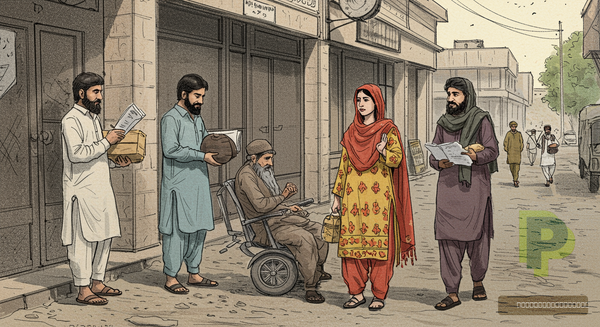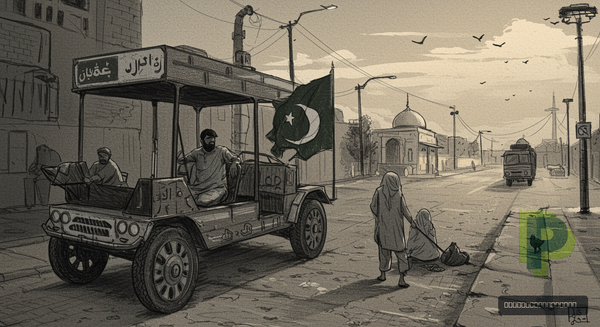

ISLAMABAD, Pakistan – In a stark assessment by regional analysts and observers, the escalating conflict in the Middle East is no longer a distant geopolitical phenomenon but has, in tangible terms, reached Pakistan, manifesting across its economic, security, and diplomatic landscapes. What began as localized skirmishes has broadened into a complex web of regional tensions, with Islamabad now navigating a treacherous terrain of rising oil prices, disrupted trade routes, and heightened border sensitivities.
For months, the international community has watched with bated breath as the Middle East grappled with renewed hostilities, particularly following the conflict in Gaza and its subsequent spillover effects across the Red Sea, Yemen, Syria, and Iraq. Pakistan, a nation with deep historical, cultural, and economic ties to the region, initially sought to maintain a careful diplomatic balance. However, the sheer scale and interconnectedness of the current crises have made it increasingly difficult to remain insulated from the fallout, forcing policymakers to confront the immediate and long-term implications for the country’s stability and prosperity.
The core challenge for Pakistan lies in its delicate geopolitical positioning. Bordering Iran, a central player in the regional dynamics, and maintaining crucial economic and strategic partnerships with Gulf Cooperation Council (GCC) states and Western powers, Pakistan is inherently vulnerable to the ripple effects of any major regional upheaval. The recent exchange of fire along the Pakistan-Iran border, while quickly de-escalated through diplomatic channels, served as a potent and alarming reminder of how quickly external tensions can manifest on Pakistan's own soil, underscoring the urgent need for strategic foresight and robust diplomatic engagement.
Economic Headwinds and Geopolitical Pressures
The most immediate and palpable impact of the Middle East war on Pakistan is economic. Global energy markets have been particularly volatile, with oil prices experiencing significant fluctuations driven by supply concerns and geopolitical risks in the Strait of Hormuz and the Red Sea. For an import-dependent economy like Pakistan's, rising oil prices translate directly into an increased import bill, exacerbating inflationary pressures and placing further strain on its already precarious foreign exchange reserves. This directly impacts the cost of living for ordinary citizens and complicates the government's efforts towards economic stabilization.
Beyond energy, disruptions to global shipping lanes, particularly in the Red Sea, have led to increased freight costs and extended delivery times. Pakistani businesses, reliant on these routes for both imports of raw materials and exports of finished goods, face higher operational costs and reduced competitiveness. This impacts various sectors, from textiles and agriculture to manufacturing, potentially hindering Pakistan's export growth ambitions and contributing to supply chain inefficiencies.
Diplomatically, Pakistan faces the complex task of balancing its relationships with key regional players. Its long-standing strategic alignment with Saudi Arabia and the UAE, coupled with its historical ties to Iran, necessitates a nuanced approach. Any perception of taking sides in a deeply polarized regional conflict could jeopardize vital economic assistance, investment, or diplomatic support. Analysts suggest that Islamabad's foreign policy establishment is working overtime to maintain channels of communication with all parties, advocating for de-escalation and peaceful resolution, while simultaneously safeguarding its national interests. The nation's role within the Organization of Islamic Cooperation (OIC) also becomes critical, as it seeks to foster unity and common ground amidst divergent regional stances.
Security Implications and Regional Stability
The security ramifications of the Middle East conflict for Pakistan are multifaceted and deeply concerning. The recent border incident with Iran highlighted the vulnerability of Pakistan's western frontier to regional instability. While both nations swiftly moved to de-escalate, the episode underscored the inherent dangers of spillover from broader Middle Eastern tensions. Such incidents demand enhanced vigilance, robust border management, and sophisticated intelligence sharing mechanisms to prevent future flare-ups.
Furthermore, there are concerns about the potential for regional instability to embolden or provide operational space for extremist and militant groups within or near Pakistan's borders. Historically, periods of heightened regional conflict have sometimes been exploited by non-state actors seeking to advance their agendas. Pakistan's security forces remain on high alert, working to counter any attempts to destabilize the country or exploit the prevailing regional flux. The imperative for internal peace and stability is paramount, as any external conflict could divert resources and attention from ongoing counter-terrorism efforts.
Regional security experts have also pointed to the potential for increased radicalization or sectarian tensions, though Pakistani authorities are rigorously implementing measures to prevent any such internal strife. The government's policy of strict political neutrality and zero tolerance for sectarian incitement remains crucial in maintaining social cohesion amidst external pressures. The overarching aim is to ensure that the Middle East war does not contribute to internal fragilities.
Pakistan's Strategic Response and Way Forward
In response to these complex challenges, Pakistan's leadership has consistently emphasized a policy of non-interference, de-escalation, and adherence to international law. Official statements reiterate calls for a peaceful resolution of all disputes through dialogue and diplomacy. The focus remains squarely on strengthening Pakistan's own economic resilience and ensuring national security.
Islamabad is keenly aware that its own stability is intrinsically linked to regional peace. As such, it is likely to continue leveraging its diplomatic weight in various international forums to advocate for restraint and a cessation of hostilities. Engaging with key allies and partners, including China and other friendly nations, will be crucial in navigating these turbulent times, seeking support for its economic recovery efforts and bolstering its strategic autonomy.
The path forward for Pakistan involves a delicate balancing act: safeguarding its economic interests, ensuring the security of its borders and citizens, and maintaining its principled stance on regional and international affairs. The nation's ability to weather this storm will depend on its diplomatic dexterity, economic fortitude, and the continued vigilance of its security apparatus. As the Middle East continues to simmer, Pakistan remains on high alert, bracing for further impacts while striving to carve out a path of stability and progress amidst regional turmoil.