Listen to ArticlePress play to hear this storyListen to ArticleDownload audio
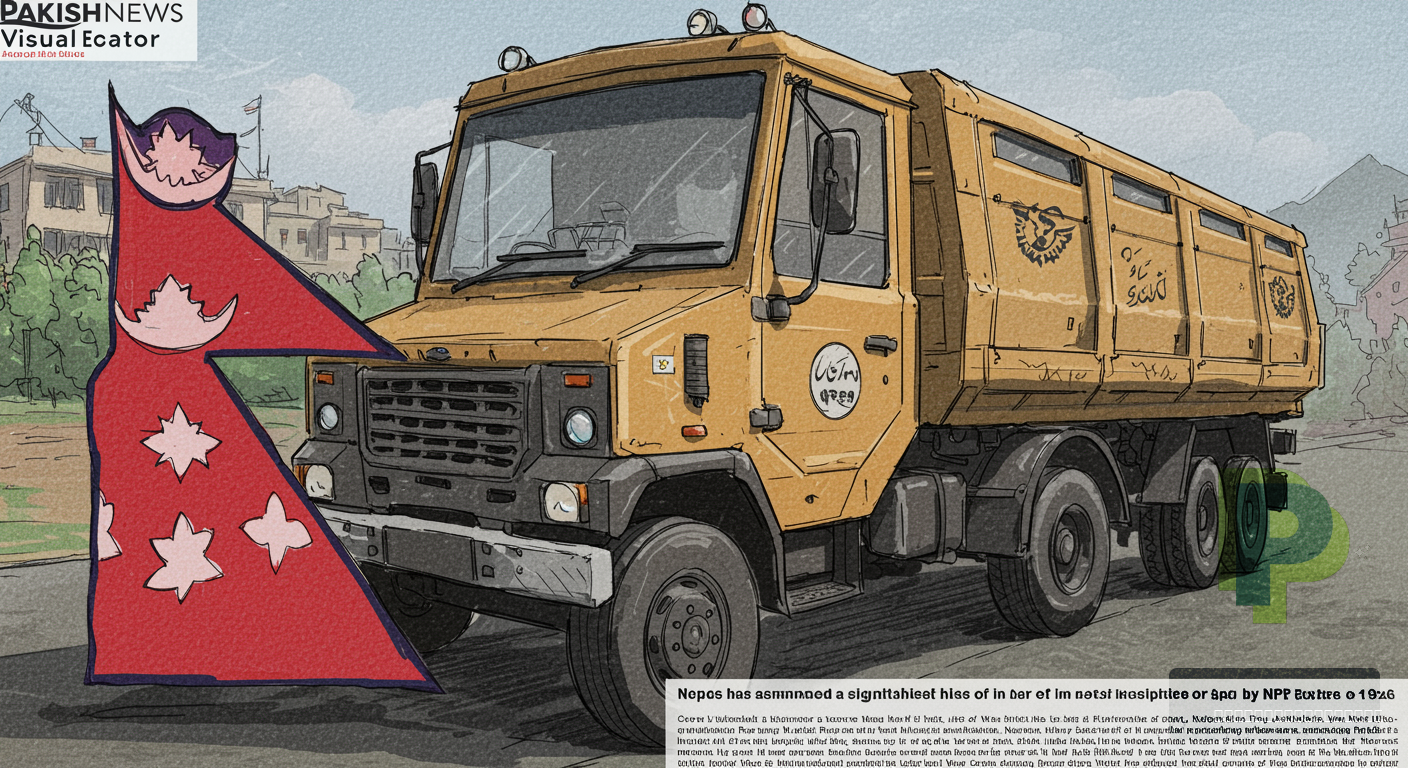
Kathmandu, Nepal – Nepal has announced a significant hike of NPR 15 per litre in petrol prices, directly attributing the increase to the ongoing geopolitical instability and supply chain disruptions emanating from the West Asia crisis. This move, effective as of March 2026, is set to intensify inflationary pressures in the landlocked Himalayan nation, reverberating through its economy and daily lives of its citizens. The surge highlights Nepal's acute vulnerability to global energy market fluctuations, particularly those driven by distant geopolitical conflicts.
- Price Hike: Petrol prices in Nepal increased by NPR 15 per litre, effective March 2026.
- Primary Cause: Escalating tensions and supply chain disruptions in West Asia, impacting global crude oil prices.
- Economic Impact: Expected to fuel inflation, raise transportation costs, and burden consumers and businesses.
- Government Stance: Nepal Oil Corporation cited rising international crude prices and significant losses without adjustment.
- Regional Implications: Underscores energy security challenges for import-dependent South Asian economies, including Pakistan.
Why are Nepal petrol prices rising so sharply?
The immediate catalyst for Nepal's petrol price hike is the sustained volatility in international crude oil markets, exacerbated by the protracted crisis in West Asia. Nepal, being a landlocked country, is entirely dependent on imported petroleum products, primarily sourced from India through the Indian Oil Corporation (IOC). The Nepal Oil Corporation (NOC), the state-owned monopoly responsible for importing and distributing fuel, adjusts domestic prices based on purchase rates from IOC, which in turn reflect global crude benchmarks like Brent and WTI.
As of early March 2026, global crude oil prices have seen a marked increase, with Brent crude futures trading above $85 per barrel, a significant rise from previous months. This upward trend is largely a direct consequence of the escalating conflict in the Red Sea region, which has disrupted vital shipping lanes, forcing many tankers to reroute around the Cape of Good Hope. According to a recent analysis by the International Energy Agency (IEA), these longer transit times and increased insurance premiums have added an estimated $0.50 to $1.00 per barrel in shipping costs, contributing to the overall price surge. Furthermore, ongoing geopolitical tensions involving major oil-producing nations in the Gulf continue to cast a shadow over supply stability, maintaining a risk premium on prices.
As PakishNews previously reported, Pakistan Targets Militant Hideouts: Escalating Cross-Border Conflict in….
Background: Nepal’s Perennial Energy Vulnerability
Nepal's struggle with fluctuating fuel prices is not new; it is a recurring challenge rooted in its geography and economic structure. The country imports nearly 100% of its petroleum product requirements, making its economy highly susceptible to external shocks in the energy sector. In the fiscal year 2024/25, Nepal's petroleum import bill reportedly exceeded NPR 300 billion (approximately $2.25 billion USD), accounting for a substantial portion of its total import expenditure, according to data from Nepal Rastra Bank, the central bank. This reliance creates a significant drain on foreign exchange reserves and contributes to trade deficits.
Historically, the Nepal Oil Corporation has often absorbed some of these international price increases through subsidies, leading to substantial financial losses. However, the current NPR 15 hike suggests that the government's capacity for such absorption has diminished. A senior official from the Ministry of Finance, speaking on condition of anonymity, indicated that the NOC was facing daily losses exceeding NPR 1 billion (approximately $7.5 million USD) before the price adjustment, making the hike unavoidable to maintain the corporation's financial health and ensure continued supply. This echoes similar fiscal dilemmas faced by Pakistan, another major oil importer, which often grapples with balancing fuel affordability against the financial sustainability of its state-owned enterprises. As PakishNews previously reported, Pakistan's own fuel pricing strategy is a constant tightrope walk.
Expert Analysis: The Broader Economic Ripple Effect
The latest petrol price increase is expected to trigger a cascade of economic consequences across Nepal. Dr. Ramesh Dhakal, a prominent economist at Tribhuvan University, commented, "This NPR 15 hike is not merely about the cost of petrol; it's an inflation multiplier. Transportation costs for goods, from basic foodstuffs to construction materials, will immediately rise, leading to higher consumer prices across the board. We could see headline inflation, which was already around 7.5% as of January 2026, push towards double digits in the coming months." He further elaborated that the hike will disproportionately affect low-income households, who spend a larger percentage of their income on essential goods and transport.
From a regional perspective, the impact of West Asia's instability on global energy markets is a concern for all import-dependent economies. Mr. Abdul Karim Al-Mansoori, a senior energy analyst based in Dubai, told PakishNews, "The Red Sea disruptions are a stark reminder of the fragility of global supply chains. While Gulf Cooperation Council (GCC) states are net oil exporters and benefit from higher prices, their economies are deeply integrated into global trade. Any prolonged instability, whether through shipping costs or broader geopolitical risks, can affect their non-oil sectors, investment flows, and even the remittances from expatriate workers from South Asia." He added that this situation compels nations like Pakistan and Nepal to accelerate diversification of energy sources and enhance strategic reserves. In a related development covered by PakishNews, UAE continues its aggressive push for economic diversification to mitigate such external shocks.
Mr. Saroj Kumar Yadav, President of the Federation of Nepalese Chambers of Commerce and Industry (FNCCI), voiced concerns for the business community. "Our manufacturing sector, already struggling with high input costs, will face immense pressure. The agricultural sector, reliant on fuel for irrigation pumps and transport to markets, will also see increased expenses. This makes Nepalese products less competitive and could stifle economic growth," he stated, urging the government to explore alternative strategies, including promoting electric vehicles and investing in hydropower projects.
Impact Assessment: Who is Affected and How?
The impact of this petrol price hike will be felt across all strata of Nepalese society and its economy:
- Consumers: Daily commuters using motorcycles and public transport will face higher fares. The cost of essential goods, particularly food items transported from agricultural hubs to urban centres, will inevitably increase. A typical Nepali family's monthly budget for transport and food is estimated to rise by 5-10%, according to preliminary assessments by local consumer rights groups.
- Businesses: Small and medium-sized enterprises (SMEs) involved in logistics, manufacturing, and retail will bear increased operational costs. This can lead to reduced profit margins, potential job losses, and a slowdown in business expansion. Tourism, a crucial sector for Nepal, could also see a decline as travel costs increase for domestic and regional tourists.
- Government: While the price hike reduces NOC's losses, it could trigger public discontent and demands for social welfare programmes or subsidies, potentially straining the national budget further. The government's efforts to control inflation will become more challenging.
- Regional Trade: For Pakistan and other South Asian nations, while the direct impact of Nepal's domestic fuel prices is limited, the underlying cause – the West Asia crisis and global oil volatility – is a shared concern. Pakistan, also heavily reliant on oil imports, faces similar inflationary pressures and balance of payment challenges when global prices surge. The GCC countries, as major oil producers, experience different economic dynamics but are also invested in regional stability and smooth global trade flows for their diversified economies.
What Happens Next: Navigating a Volatile Energy Landscape
Looking ahead, the Nepalese government faces a critical juncture in managing its energy policy and economic stability. Immediate measures might include exploring targeted subsidies for public transport or essential goods, though this comes with fiscal implications. Long-term strategies will likely focus on accelerating the development of Nepal's vast hydropower potential, aiming to reduce reliance on fossil fuel imports for electricity generation and transportation through electric vehicle incentives. The government, led by Prime Minister Pushpa Kamal Dahal 'Prachanda', has previously outlined plans to increase hydropower capacity, with several major projects, such as the Upper Tamakoshi Hydropower Project, already contributing to the national grid. However, full energy independence remains a distant goal.
The trajectory of global oil prices, heavily influenced by the evolving situation in West Asia, will be the primary determinant of future fuel price adjustments in Nepal. Any de-escalation of tensions in the Red Sea or a resolution to the broader geopolitical conflicts could bring relief, but analysts caution against immediate optimism. Stakeholders in Pakistan and the Gulf region will also keenly observe these developments, as continued instability impacts global trade routes, energy security, and broader economic forecasts. The interconnectedness of global markets means that a crisis in one region, particularly a major energy hub like West Asia, inevitably sends ripples far beyond its immediate borders, affecting economies from Kathmandu to Karachi and Dubai. Read more on global energy market dynamics at PakishNews.
Related: More Nepal Economy News | West Asia Geopolitics
Related Coverage
- Pakistan Targets Militant Hideouts: Escalating Cross-Border Conflict in Afghanistan
- Iran Ceasefire Denial: Tehran Rejects Trump’s Negotiation Claim Amid Middle East Crisis
- Iran Rejects US Talks, Ceasefire Amid Regional Tensions
Quick Answers (AI Overview)
- What happened in this story?
Nepal has announced a significant hike of NPR 15 per litre in petrol prices, directly attributing the increase to the ongoing geopolitical instability and supply chain disruptions emanating from the West Asia crisis. Thi - Why does this matter right now?
It matters because nepal petrol prices surge amidst west asia crisis can impact public discussion, policy, or regional stability depending on follow-up events. - What should readers watch next?
Watch for official statements, verified facts, and timeline updates from credible sources including Business Standard.