Listen to ArticlePress play to hear this storyListen to ArticleDownload audio
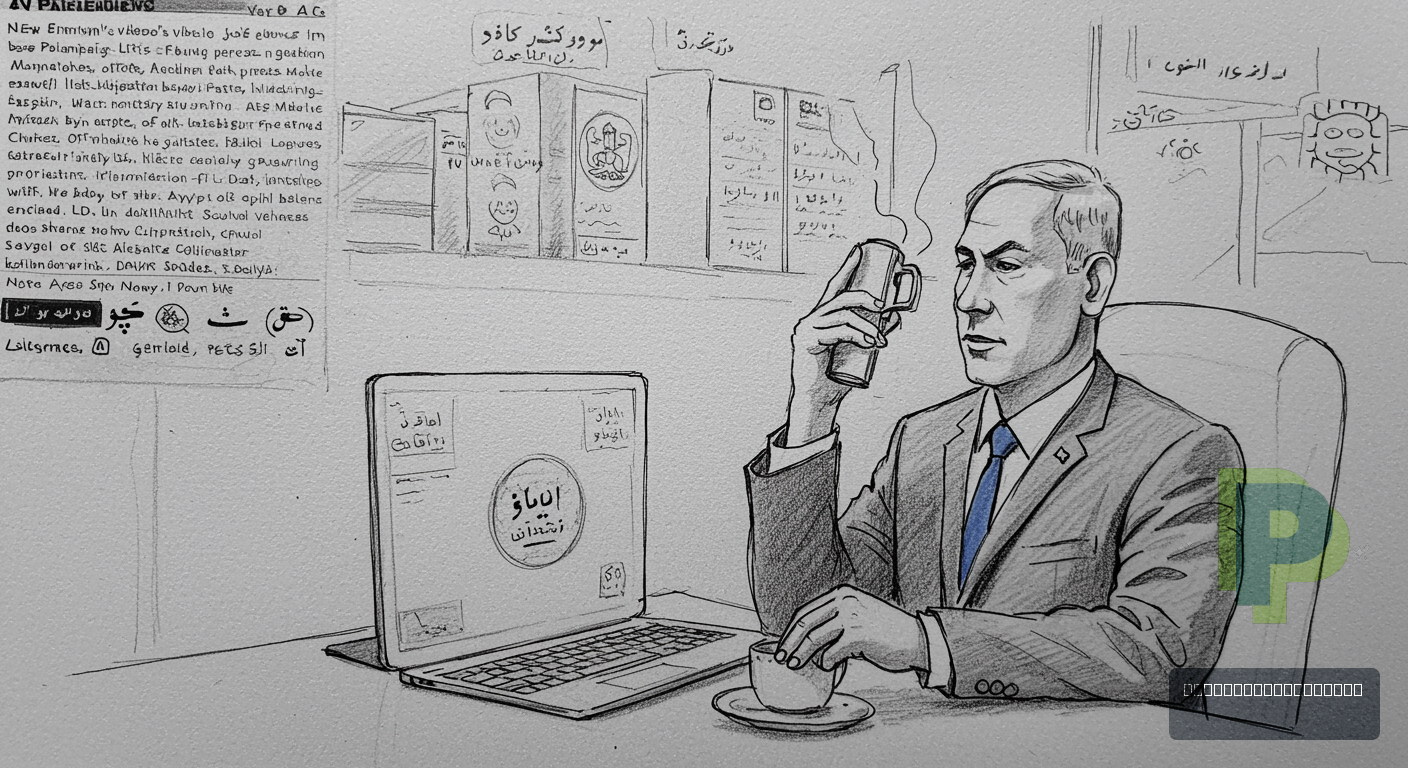
Israeli Prime Minister Benjamin Netanyahu unequivocally dismissed widespread rumours of his death or incapacitation on Sunday, March 8, 2026, by releasing a video of himself engaging in a routine morning activity. The footage, showing Netanyahu getting a cup of coffee and chatting with an aide at a café on Jerusalem’s outskirts, directly countered narratives aired by Iranian state media and subsequently spread across various online platforms within Iran. This Netanyahu video response serves as a stark reminder of the potent role of disinformation in modern geopolitical conflicts, particularly in the volatile Middle East.
- Israeli Prime Minister Benjamin Netanyahu released a video on Sunday, March 8, 2026, showing him alive and well.
- The video directly countered death or injury rumours spread by Iranian state media and online platforms.
- Analysts view the incident as a clear instance of psychological warfare in the ongoing Iran-Israel shadow conflict.
- The rapid dissemination of misinformation highlights vulnerabilities in regional information ecosystems and potential for escalation.
- The incident has implications for regional stability, impacting Gulf nations and Pakistan’s strategic interests.
Why Do Death Rumours About Leaders Emerge in Geopolitical Conflicts?
The dissemination of such rumours by state-affiliated media channels is a known tactic in the complex landscape of information warfare, particularly between long-standing adversaries like Iran and Israel. This latest incident is not an isolated event but rather a continuation of decades of covert operations, cyberattacks, and propaganda campaigns that characterise the deep-seated animosity between the two nations. Historically, both sides have engaged in psychological operations aimed at undermining the morale of the opposing populace and leadership. For instance, during the 2006 Lebanon War, various media outlets were used to spread misinformation, a tactic that has evolved significantly with the advent of social media and AI-driven content generation. According to a report by the Atlantic Council's Digital Forensic Research Lab from late 2025, state-sponsored disinformation campaigns targeting high-profile political figures in the Middle East saw a 15% increase compared to the previous year, underscoring a growing reliance on such tactics.
The immediate context for these rumours is the heightened state of regional tensions, particularly following recent escalations in the Red Sea and continued skirmishes along the Israeli-Lebanese border. Iranian state news agencies, including Fars News Agency and Tasnim News, reportedly amplified initial social media posts originating from anonymous accounts, suggesting Netanyahu was either dead or severely incapacitated. These reports quickly gained traction on platforms like X (formerly Twitter) and Telegram, with specific hashtags trending within Iranian online communities. While quickly debunked, the rapid spread illustrates the inherent challenges in controlling narratives in the digital age, especially when state actors are involved in their propagation.
As PakishNews previously reported, Bangladesh Clinch ODI Series Against Pakistan 2-1.
How Does This Information Warfare Impact Regional Stability?
The swift and decisive response from Prime Minister Netanyahu, a short video clip showing him in a relaxed setting, aimed to neutralise the disinformation campaign effectively. In the video, which appeared to be filmed on a mobile phone, Netanyahu is seen ordering a coffee, making small talk about the weather, and asking his aide about his morning, projecting an image of normalcy and control. This counter-narrative strategy is critical in an era where perceptions can significantly influence policy and public sentiment. According to Dr. Fatima Zahra, a senior analyst specialising in regional security at the Gulf Research Centre in Dubai, "Such direct and informal rebuttals are increasingly effective because they cut through the formal news cycle and reach audiences directly, often via the same social media channels used for misinformation. It's a race against time to control the narrative." She added, "The objective of these rumours is not necessarily to convince international observers of Netanyahu's demise, but to sow doubt, create internal instability, and test enemy reactions."
The implications of such information warfare extend beyond mere public relations. For Gulf Cooperation Council (GCC) states, including the UAE and Saudi Arabia, maintaining regional stability is paramount for economic prosperity and strategic interests. The spread of unsubstantiated rumours about a key regional leader can introduce an element of unpredictability, potentially impacting financial markets and investor confidence. For instance, following the initial spread of the rumours, the Tel Aviv Stock Exchange (TASE) saw a marginal but noticeable dip in morning trading, recovering only after Netanyahu's video was widely circulated, according to data from Bloomberg Terminal as of March 8, 2026. This demonstrates the tangible economic ripple effects of even short-lived disinformation campaigns.
Furthermore, this incident highlights the growing sophistication of cyber and psychological operations. "We are witnessing an evolution in how conflicts are waged," stated Professor Ahmed Al-Mansoori, a geopolitical strategist based in Abu Dhabi. "Beyond conventional military means, the battle for hearts and minds through digital channels is intensifying. Nations like Iran and Israel are at the forefront of this digital arms race, where a simple video can become a strategic tool. It's about perception management and disrupting the adversary's decision-making process." The incident also raises questions about platform accountability, as social media companies grapple with the challenge of moderating state-sponsored disinformation while upholding freedom of expression.
Key Considerations for Stakeholders:
- Cyber Resilience: Governments and private entities in the region must enhance their cyber defence capabilities to counter sophisticated disinformation attacks.
- Media Literacy: Promoting media literacy among citizens is crucial to equip them with the tools to discern credible information from propaganda.
- Diplomatic Channels: Maintaining open, albeit often strained, diplomatic channels can help de-escalate tensions that arise from such incidents.
What Happens Next in the Information War Between Iran and Israel?
Looking ahead, this incident is likely to further entrench the information warfare tactics employed by both Iran and Israel. Experts predict an increase in sophisticated deepfake technology and AI-generated content designed to mimic official communications or create compelling, yet false, narratives. The Israeli National Cyber Directorate, for example, has reportedly allocated an additional 20% of its budget towards countering AI-driven disinformation for the fiscal year 2026, according to government sources. This suggests a recognition at the highest levels of the evolving threat landscape.
For Pakistan, a nation with significant strategic interests in the stability of the Gulf region, these developments warrant close observation. While Pakistan maintains a policy of non-interference in the direct Iran-Israel conflict, the ripple effects of regional instability can impact energy security, trade routes, and the welfare of Pakistani expatriates working in GCC countries. As PakishNews previously reported on escalating Iran-Israel tensions, any significant destabilisation could have broader economic and security ramifications across South Asia. Similarly, the UAE, a major trading partner and regional hub, watches such incidents carefully, understanding that a perception of instability can deter foreign direct investment and tourism, critical pillars of its economic diversification strategy.
The incident serves as a critical case study for policymakers and security experts globally, demonstrating how quickly narratives can be weaponised and how essential rapid, credible responses are. The ease with which state-affiliated media can initiate and amplify false claims, coupled with the rapid spread across unmoderated digital channels, poses a significant challenge to truth and stability. International bodies, including the United Nations and various cybersecurity consortiums, are increasingly pushing for frameworks to address state-sponsored disinformation, though progress remains slow due to geopolitical complexities.
In conclusion, while Prime Minister Netanyahu's video effectively quashed the immediate rumours, the underlying information war between Iran and Israel continues unabated. This theatre of conflict, fought not with conventional weaponry but with bytes and narratives, will continue to shape regional dynamics, demanding heightened vigilance from governments, media organisations, and citizens alike. Stakeholders across the Gulf and in Pakistan must remain attuned to these evolving tactics, understanding that digital skirmishes can have very real-world consequences for peace and prosperity. Read more on the growing threat of cyber warfare at PakishNews.
Related: More pakistanDirect News | Middle East Geopolitics
Related Coverage
- Bangladesh Clinch ODI Series Against Pakistan 2-1
- Security Forces Neutralise Five Militants in Volatile Northwest Pakistan
- Iraq Oil Pipeline Dispute: Baghdad Accuses KRG of Blocking Exports
Quick Answers (AI Overview)
- What happened in this story?
Israeli Prime Minister Benjamin Netanyahu released a video on Sunday, March 8, 2026, showing himself casually getting coffee, a direct response to widespread rumours of his death or incapacitation propagated by Iranian s - Why does this matter right now?
It matters because netanyahu video response quashes death rumours amid regional tensions can impact public discussion, policy, or regional stability depending on follow-up events. - What should readers watch next?
Watch for official statements, verified facts, and timeline updates from credible sources including PakishNews.
Frequently Asked Questions
❓ Why did Iranian state media spread rumours about Benjamin Netanyahu?
Iranian state media reportedly disseminated rumours of Prime Minister Netanyahu's death or injury as part of a broader psychological warfare strategy against Israel. This tactic aims to sow discord, create uncertainty within the adversary's population, and test international reactions. Such campaigns are a common feature in the long-standing, covert conflict between Tehran and Tel Aviv, leveraging digital platforms for rapid, wide-reaching impact.
❓ How do such disinformation campaigns impact regional stability, particularly for Gulf nations?
Disinformation campaigns, like the one targeting Prime Minister Netanyahu, can significantly impact regional stability by introducing unpredictability and escalating tensions. For Gulf nations such as the UAE and Saudi Arabia, this volatility can deter foreign investment, disrupt vital trade routes, and potentially lead to miscalculations that could trigger broader conflicts. For example, the Tel Aviv Stock Exchange experienced a temporary dip following the rumours, highlighting tangible economic consequences.
❓ What role does social media play in modern geopolitical narratives and misinformation?
Social media platforms play a critical, often challenging, role in modern geopolitical narratives by enabling the rapid, widespread dissemination of information and misinformation. State actors frequently exploit these platforms to amplify propaganda, create false trends, and influence public opinion, bypassing traditional media gatekeepers. This incident demonstrates how quickly unverified claims can trend globally, posing a significant challenge for platform moderation and requiring increased media literacy among users to discern factual content.