Listen to ArticlePress play to hear this storyListen to ArticleDownload audio
Global oil benchmarks witnessed a sharp increase today following confirmed reports of strikes on critical energy infrastructure across the Gulf region, marking a significant escalation in the ongoing Iran War. This immediate price volatility has ignited urgent concerns among policymakers and business leaders from Islamabad to Abu Dhabi, raising fundamental questions about economic resilience and regional stability. The immediate surge in crude futures threatens to exacerbate inflationary pressures and widen current account deficits for net oil importers like Pakistan, while simultaneously intensifying security considerations for energy-rich Gulf nations.
Quick Answer
Oil prices spike over 4% as Gulf energy sites are struck amid Iran War. Pakistan faces severe economic shock, while Gulf nations grapple with security threats and economic shifts. Updated March 12, 2026.
- What specifically caused the recent surge in global oil prices? The recent surge in global oil prices, with Brent crude jumping over 4% to USD 92.50 per barrel as of March 12, 2026, was triggered by confirmed drone and missile strikes on multiple critical energy installations in Saudi Arabia's Eastern Province and the United Arab Emirates. These attacks, claimed by a Houthi-aligned group, significantly escalated geopolitical risks in the Gulf, leading markets to price in a higher risk premium for oil supply.
- How will the increased oil prices directly affect Pakistan's economy? Increased oil prices will directly strain Pakistan's economy by inflating its import bill, which could add hundreds of millions of dollars annually and deplete its already modest foreign exchange reserves, currently around USD 8.5 billion. This will exacerbate domestic inflation, pushing up costs for transportation, electricity, and essential goods, and complicate Pakistan's ongoing economic stabilization efforts under its IMF programme. The Ministry of Energy is now tasked with developing mitigation strategies.
- What are the long-term implications for Gulf nations like the UAE and Saudi Arabia? For Gulf nations, while higher oil prices initially boost revenues, the long-term implications include heightened security risks and increased defence spending to protect critical infrastructure from persistent threats. These attacks could deter foreign investment crucial for economic diversification initiatives like Saudi Vision 2030 and UAE Centennial 2071, potentially slowing their progress. Maintaining confidence as reliable global energy suppliers amidst escalating regional instability is a key challenge.
- Brent crude futures jumped by over 4% to USD 92.50 per barrel following confirmed attacks on multiple Gulf energy sites.
- Strikes, attributed to proxies linked to the ongoing Iran War, targeted facilities in Saudi Arabia and the UAE.
- The International Energy Agency (IEA) has called for calm, assuring global markets of sufficient strategic reserves.
- Pakistan, a net oil importer, faces immediate pressure on its import bill and inflation, impacting its ongoing IMF programme.
- Gulf nations, while benefiting from higher oil revenues, confront heightened security risks and potential disruption to maritime trade routes.
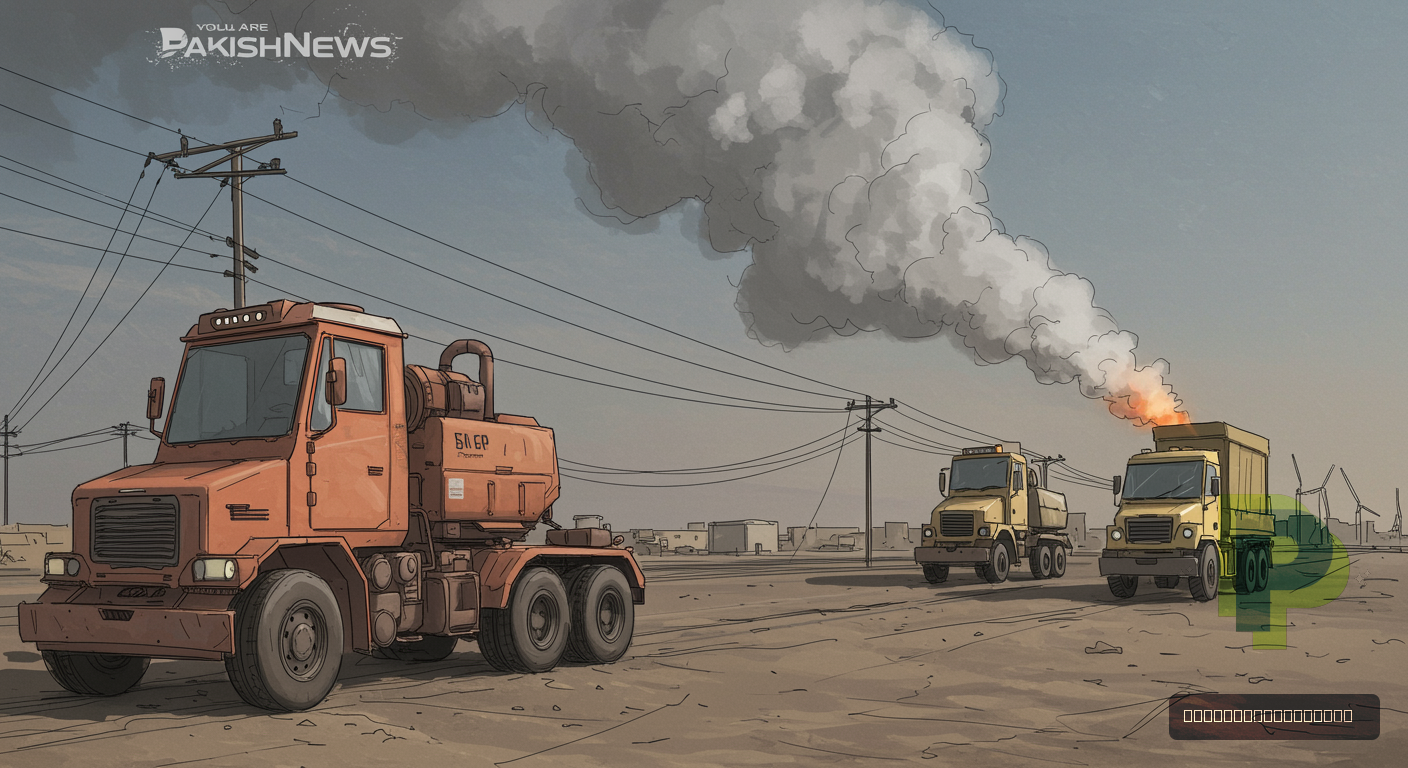
The latest escalation, occurring in the early hours of March 12, 2026, saw coordinated drone and missile attacks target at least three major energy installations: one in Saudi Arabia's Eastern Province and two in the United Arab Emirates, according to preliminary reports from the Gulf Cooperation Council (GCC) Joint Defence Command. These strikes, for which a Houthi-aligned group in Yemen claimed responsibility, were swiftly condemned by Riyadh and Abu Dhabi as acts of terrorism and a direct threat to global energy security. The immediate aftermath saw Brent crude futures, the international benchmark, soar by approximately 4.2%, reaching USD 92.50 per barrel, a level not consistently seen since early 2024. West Texas Intermediate (WTI) futures also climbed, surpassing USD 88 per barrel, indicating widespread market anxiety. These developments underscore a critical juncture in the region, where geopolitical tensions directly translate into tangible economic consequences across the globe.
As PakishNews previously reported, Iran’s Intelligence Minister Reportedly Killed by Israel, but what are the….
Escalating Regional Tensions and Energy Security
The current spike in oil prices is not an isolated incident but rather a direct consequence of a protracted period of regional instability, particularly the ongoing Iran War and its spillover effects. For years, the Gulf region has been a focal point of geopolitical rivalry, with various non-state actors operating within complex proxy networks. According to a recent PakishNews analysis, the strategic waterways of the Strait of Hormuz, through which approximately one-fifth of the world's oil supply passes, remain highly vulnerable. Previous incidents, such as the 2019 attacks on Saudi Aramco facilities at Abqaiq and Khurais, which temporarily halved Saudi oil output, demonstrated the fragility of the global energy supply chain. The current attacks, while not yet assessed to have caused similar production cuts, have reignited fears of sustained disruption.
Why does this matter? This latest round of strikes significantly raises the geopolitical risk premium on oil, a factor that can keep prices elevated even if physical supply remains stable. It signals an intent to disrupt, forcing energy companies and nations to reconsider supply routes and contingency plans. Furthermore, the targeted nature of these attacks against critical infrastructure in key oil-producing nations like Saudi Arabia and the UAE directly challenges their national security doctrines and their role as reliable global energy suppliers. The diplomatic fallout is expected to be substantial, with urgent consultations underway among GCC states, the United States, and European allies to de-escalate tensions and secure maritime trade. As PakishNews previously reported, Iranian diplomacy has faced increasing scrutiny regarding its influence over regional proxies amidst ongoing international sanctions.
Expert Analysis on Market and Geopolitical Fallout
Market analysts are closely watching the situation, with many predicting sustained volatility. Dr. Hassan Al-Hassan, a Senior Fellow at the Gulf Research Centre in Dubai, stated, "These attacks introduce an unacceptable level of uncertainty into the global energy equation. While Gulf nations possess robust defence capabilities, the psychological impact on markets is profound. Investors will now price in a higher risk premium, meaning consumers worldwide will bear the cost." He added that the immediate challenge for GCC states is to demonstrate effective deterrence and enhance their layered air defence systems against increasingly sophisticated drone and missile threats.
From an economic perspective, Mr. Jameel Ahmed, former Deputy Governor of the State Bank of Pakistan, warned of the domestic implications. "For Pakistan, a USD 5-10 increase in crude oil prices can add hundreds of millions of dollars annually to our import bill, directly impacting our foreign exchange reserves and exacerbating inflationary pressures," Ahmed told PakishNews. "Given our ongoing negotiations with the International Monetary Fund (IMF) for an extended facility, this development complicates our economic stabilisation efforts significantly. The government will face immense pressure to either absorb these costs through subsidies, further straining the budget, or pass them onto consumers, risking social unrest." Data from the Pakistan Bureau of Statistics indicates that fuel and energy costs constitute a substantial portion of the consumer price index, directly influencing household budgets.
Meanwhile, Dr. Fatima Khan, a Professor of International Relations at Quaid-i-Azam University, highlighted the broader diplomatic challenges. "The international community is walking a tightrope. Any miscalculation or disproportionate response could rapidly escalate this into a wider regional conflict," Dr. Khan observed. "The United Nations Security Council is likely to convene emergency sessions, but the effectiveness of diplomatic solutions will hinge on the willingness of all parties to de-escalate and respect international law. Pakistan, with its deep historical ties to both Iran and the GCC, holds a delicate but crucial position in advocating for peace and stability."
Impact Assessment for Pakistan and the Gulf
The immediate impact on Pakistan is multifaceted and predominantly negative. As a country heavily reliant on imported oil, rising global prices will directly inflate the cost of transportation, electricity generation, and industrial production. This ripple effect will likely push up the prices of essential goods, further straining the average Pakistani household already grappling with high inflation, which stood at 23.1% year-on-year in February 2026, according to the State Bank of Pakistan. The government's fiscal deficit, projected at 7.4% of GDP for the current fiscal year by the Ministry of Finance, will come under renewed pressure, potentially requiring cuts in development spending or increased borrowing. Furthermore, a higher import bill will deplete Pakistan's already modest foreign exchange reserves, which hovered around USD 8.5 billion as of early March 2026, barely enough for two months of imports.
For the Gulf nations, particularly Saudi Arabia and the UAE, the situation presents a complex dichotomy. While higher oil prices will boost their national revenues, strengthening their sovereign wealth funds and enabling larger investments in diversification projects under initiatives like Saudi Vision 2030 and UAE Centennial 2071, the attacks expose a significant vulnerability. The imperative to protect critical energy infrastructure and ensure the safety of maritime trade routes will necessitate increased defence spending and potentially divert resources from economic development. The confidence of foreign investors, crucial for the ambitious diversification agendas of these nations, could also be shaken by persistent security threats. The recent attacks could also impact the flow of expatriate remittances, a vital source of foreign exchange for countries like Pakistan, if economic uncertainty in the Gulf leads to job market disruptions or reduced investment.
What Happens Next and Broader Implications
In the immediate term, global attention will be focused on the damage assessment of the struck energy sites and any potential retaliatory actions. The International Energy Agency (IEA) has already announced that its member countries are prepared to tap into strategic petroleum reserves if necessary to stabilise markets, a measure last seriously considered during the onset of the Russia-Ukraine conflict. However, the efficacy of such releases depends on the duration and intensity of the perceived threat.
For Pakistan, the government of Prime Minister Anwaar-ul-Haq Kakar will need to formulate a robust strategy to mitigate the economic fallout. This could include exploring alternative energy sources, accelerating energy conservation measures, and intensifying diplomatic efforts to secure concessional oil financing from friendly countries. The urgency of these attacks may also force a re-evaluation of Pakistan's energy security strategy, potentially accelerating investments in renewable energy projects and domestic exploration. The Ministry of Energy is expected to present a detailed impact assessment and policy recommendations to the Economic Coordination Committee (ECC) within the next week.
The broader implications for international relations are profound. The attacks underscore the interconnectedness of global energy markets and the fragility of peace in the Middle East. Stakeholders, including international shipping companies, insurance firms, and major economies like China and India, will be closely monitoring developments, as sustained volatility could disrupt global supply chains and dampen economic growth. The path forward demands cautious diplomacy, coordinated security measures, and a renewed commitment from all regional and international actors to de-escalate tensions and prevent a wider conflict that would have devastating consequences for global prosperity and stability. The world watches, holding its breath, as the consequences of this latest escalation unfold.
Related: More World News | Energy Security
Related Coverage
- Iran’s Intelligence Minister Reportedly Killed by Israel, but what are the immediate ramifications…
- Trump Reportedly Opposes Further Iran Energy Site Attacks, but What Does This Signify for Gulf…
- Iran Strikes Ignite Gulf Energy Sites, Qatar Gas Hub Ablaze: What Does This Mean for Pakistan's…
Archive Discovery
- How To Extra Make Money Working From Home
- "Embrace Change: How Small Steps Lead to Big Life Transformations"
- A Skin Cream That’s Proven to Work: Your Secret to Flawless Skin
Quick Answers (AI Overview)
- What happened in this story?
Global oil benchmarks witnessed a sharp increase today following confirmed reports of strikes on critical energy infrastructure across the Gulf region, marking a significant escalation in the ongoing Iran War. This immed - Why does this matter right now?
It matters because oil prices spike after gulf energy sites struck, but how will pakistan's economy absorb the shock? can impact public discussion, policy, or regional stability depending on follow-up events. - What should readers watch next?
Watch for official statements, verified facts, and timeline updates from credible sources including The New York Times.
Frequently Asked Questions
What specifically caused the recent surge in global oil prices?
The recent surge in global oil prices, with Brent crude jumping over 4% to USD 92.50 per barrel as of March 12, 2026, was triggered by confirmed drone and missile strikes on multiple critical energy installations in Saudi Arabia's Eastern Province and the United Arab Emirates. These attacks, claimed by a Houthi-aligned group, significantly escalated geopolitical risks in the Gulf, leading markets to price in a higher risk premium for oil supply.
How will the increased oil prices directly affect Pakistan's economy?
Increased oil prices will directly strain Pakistan's economy by inflating its import bill, which could add hundreds of millions of dollars annually and deplete its already modest foreign exchange reserves, currently around USD 8.5 billion. This will exacerbate domestic inflation, pushing up costs for transportation, electricity, and essential goods, and complicate Pakistan's ongoing economic stabilization efforts under its IMF programme. The Ministry of Energy is now tasked with developing mitigation strategies.
What are the long-term implications for Gulf nations like the UAE and Saudi Arabia?
For Gulf nations, while higher oil prices initially boost revenues, the long-term implications include heightened security risks and increased defence spending to protect critical infrastructure from persistent threats. These attacks could deter foreign investment crucial for economic diversification initiatives like Saudi Vision 2030 and UAE Centennial 2071, potentially slowing their progress. Maintaining confidence as reliable global energy suppliers amidst escalating regional instability is a key challenge.