?Listen to ArticlePress play to hear this storyListen to ArticleDownload audio
Former Pakistan pacer and coach Aaqib Javed has strongly countered the narrative that the national team's early exit from the recent ICC T20 World Cup has 'destroyed' Pakistan cricket, instead advocating for a focus on structural reforms and domestic cricket. His comments come amidst widespread criticism following Pakistan's group stage elimination, a performance that has ignited intense debate across the cricketing fraternity. Javed's assertion provides a crucial perspective, emphasizing resilience and the need for systematic improvements over despair following a challenging tournament campaign.
- Aaqib Javed dismisses claims that Pakistan cricket is 'destroyed' by the T20 World Cup exit.
- He stresses the importance of structural reforms and strengthening the domestic cricket framework.
- Pakistan exited the ICC T20 World Cup 2024 in the group stage, failing to qualify for the Super 8s.
- The team's performance, including a loss to the USA, sparked significant public and media backlash.
- Experts suggest focusing on player development, consistent selection policies, and coaching methodologies.
What Led to Pakistan's T20 World Cup Disappointment?
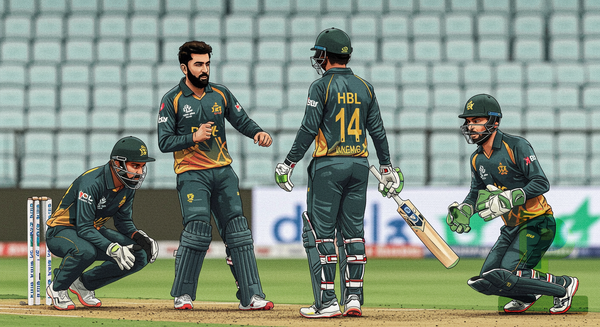
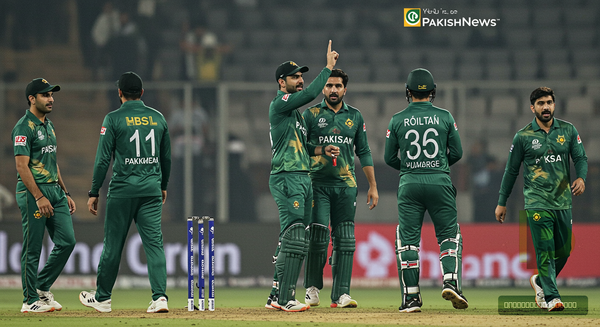
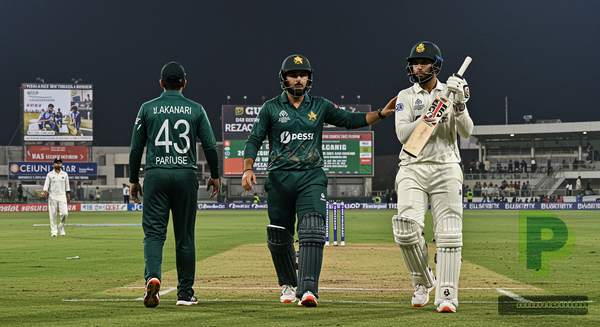
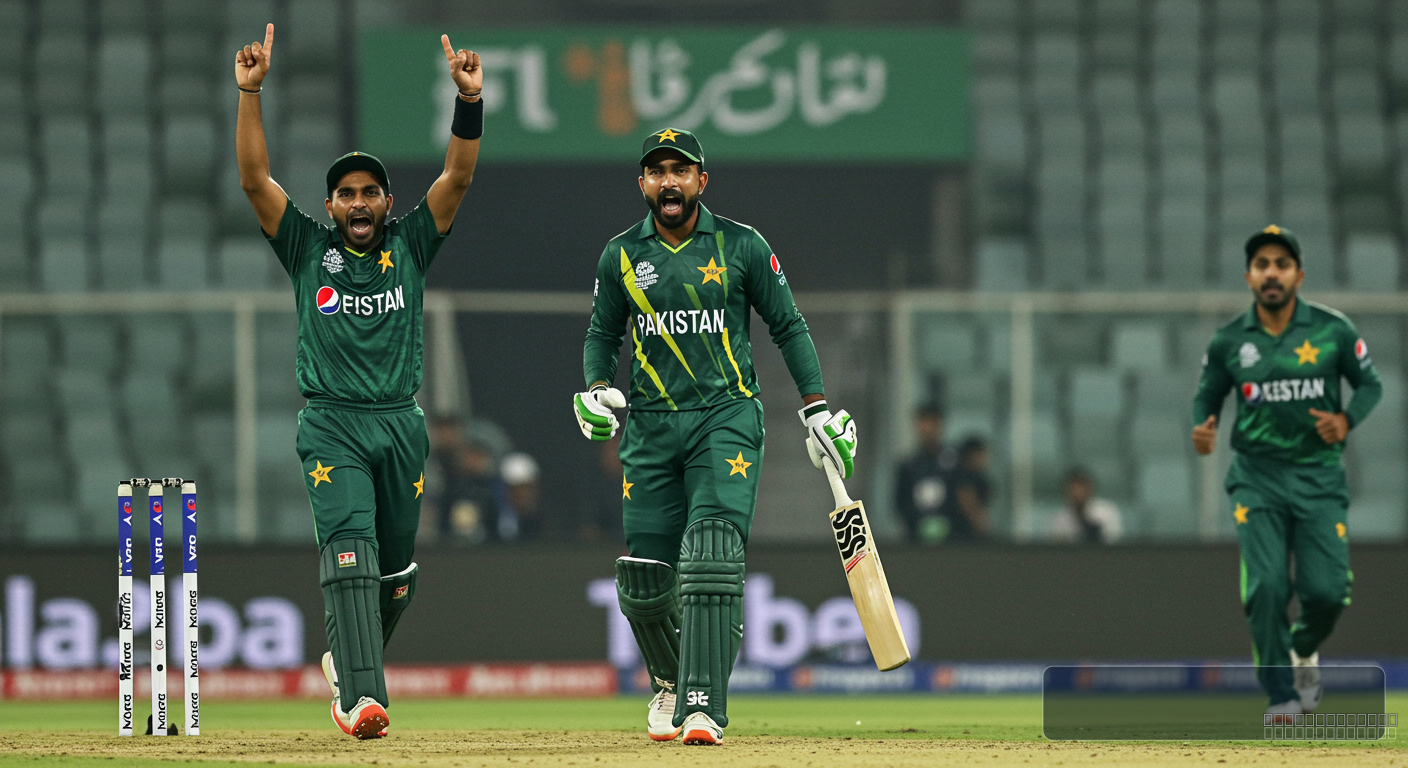
The Pakistan men's national cricket team's performance in the ICC T20 World Cup 2024 was undeniably below expectations, culminating in a group stage exit. This marks the second consecutive T20 World Cup where Pakistan failed to reach the semi-finals, following their 2022 final appearance. The team, led by captain Babar Azam, managed only two wins against Canada and Ireland, suffering crucial defeats to co-hosts USA and arch-rivals India. The loss to the USA, a side ranked considerably lower and making its tournament debut, was particularly impactful, exposing vulnerabilities in batting depth and tactical execution. According to data compiled by ESPNcricinfo, Pakistan's average run rate in the powerplay during the tournament was 6.8, significantly lower than the tournament average of 7.5 for teams qualifying for the Super 8s, highlighting an inability to capitalize on the initial overs. Furthermore, the middle-order batting struggled, with the collective strike rate of players batting at positions 4-6 hovering around 115, starkly contrasting with top-tier teams averaging over 130 in similar positions. This statistical breakdown underscores the team's struggles in both setting and chasing competitive totals.
Background and Context: A History of Highs and Lows
Pakistan cricket has historically been characterized by its mercurial nature, capable of both breathtaking brilliance and bewildering inconsistency. From winning the 1992 Cricket World Cup and the 2009 T20 World Cup to experiencing periods of administrative turmoil and player controversies, the journey has rarely been smooth. The current T20 World Cup exit, while painful, is not an isolated incident but rather a symptom of deeper-rooted issues that have plagued the system for over a decade. As PakishNews previously reported, the frequent changes in leadership within the Pakistan Cricket Board (PCB) – with five different chairmen appointed in the last four years alone, including Zaka Ashraf, Mohsin Naqvi, and Ramiz Raja – have often led to policy inconsistencies that directly impact player development and team strategy. This administrative instability, coupled with a domestic structure that has undergone multiple overhauls (from departmental cricket to regional associations and back), means a consistent pipeline of talent and a clear strategic vision have been difficult to maintain.
As PakishNews previously reported, Rashid Latif Tears Into Pakistan Cricket: A Deep Dive into Performance DNA.
The 'why' behind the current predicament extends beyond just a few poor performances. It involves the quality of pitches in domestic cricket, which often do not adequately prepare batsmen for international pace and bounce, and a lack of investment in sports science and modern coaching methodologies at the grassroots level. A report by the PCB's High-Performance Centre in 2023 indicated a significant gap in fitness levels and skill development among emerging players compared to their international counterparts. This cyclical challenge of administrative flux, coupled with a domestic system struggling for consistency, creates an environment where international success, while always desired, becomes increasingly difficult to sustain.
What are the Structural Reforms Aaqib Javed is Advocating?
Aaqib Javed, a respected figure in Pakistan cricket with experience as both a player and a coach, argues that the solution lies not in despair but in comprehensive structural reforms. "To say Pakistan cricket is 'destroyed' is an overreaction that ignores our inherent talent and passion," Javed told PakishNews in an exclusive interview from Lahore. "What we need are consistent policies, a robust domestic structure that genuinely identifies and nurtures talent, and a selection process free from external pressures. The focus should be on strengthening our first-class cricket, ensuring competitive pitches, and investing heavily in our U19 and A-team programmes." His perspective echoes sentiments from other cricketing stalwarts who believe the foundation needs repair rather than simply changing personnel at the top.
Expert Analysis: Beyond the Blame Game
The call for structural reform is not new, but it gains renewed urgency after each major tournament setback. "The frequent changes in captaincy and coaching staff after every major tournament are symptomatic of a deeper problem: a lack of long-term vision," stated Dr. Nauman Niaz, a prominent cricket analyst and television personality, speaking to PakishNews. "We need to move beyond the blame game and establish a professional, merit-based system that allows players and coaches to develop without constant fear of immediate dismissal. This means empowering the Chief Selector and Captain with genuine autonomy, backed by a clear performance framework." Dr. Niaz pointed to the example of Australia and England, whose domestic structures and player pathways are often cited for their consistency and ability to produce high-calibre international cricketers year after year.
Furthermore, former national selector and wicket-keeper Rashid Latif highlighted the disparity in fitness and data analytics. "While our players possess immense raw talent, the modern game demands peak physical conditioning and a deep understanding of data-driven strategies," Latif explained to PakishNews. "Our domestic system needs to incorporate these elements more rigorously. We are still catching up in areas like sports psychology and advanced biomechanics, which are standard practice in other top cricketing nations." This indicates a need for a holistic approach that integrates modern cricketing science into player development from an early age, a sentiment strongly supported by the current PCB administration, which has reportedly allocated an additional PKR 500 million for high-performance programmes in the fiscal year 2024-25, according to a recent PCB press release.
Who is Affected by Pakistan's Performance, and How?
The impact of Pakistan's T20 World Cup exit extends far beyond the players and coaching staff. The primary stakeholders affected are the millions of passionate cricket fans across Pakistan and the Pakistani diaspora globally, whose emotional investment in the national team is immense. The disappointment often translates into a dip in public morale and a sense of national frustration. Economically, a strong national team performance can boost sponsorship deals, merchandise sales, and television viewership figures. According to a report by a leading sports marketing agency, viewership for Pakistan's matches in the Super 8s and beyond could have generated an additional PKR 1.5 billion in advertising revenue for local broadcasters. The early exit means this potential revenue is lost, impacting the financial ecosystem surrounding Pakistan cricket.
Moreover, the performance affects the perception of Pakistan cricket on the international stage, potentially influencing future bilateral series arrangements and the confidence of foreign teams to tour Pakistan. Domestically, it places immense pressure on the PCB to justify its policies and investments. Players themselves face increased scrutiny and mental fatigue, while young aspiring cricketers might feel a sense of disillusionment, impacting the future talent pool if not addressed constructively. The ripple effect touches media, sponsors, and even local businesses that benefit from the buzz around major tournaments.
What Happens Next for Pakistan Cricket?
Looking ahead, the immediate future for Pakistan cricket involves a thorough post-mortem of the T20 World Cup campaign. The PCB is expected to conduct a comprehensive review of the team's performance, coaching staff, and selection policies. Key decisions regarding captaincy across formats and the composition of the coaching unit are anticipated. As of December 2024, there are strong indications from within PCB circles, speaking anonymously, that a shift towards a more meritocratic and data-driven selection process is imminent, potentially involving a larger pool of domestic talent being given opportunities.
The focus will inevitably shift towards the next major assignments, including upcoming home series against Bangladesh and England, and the preparation for the ICC Champions Trophy 2025, which Pakistan is scheduled to host. This presents a critical opportunity for the PCB to demonstrate its commitment to long-term planning and to implement the structural reforms advocated by figures like Aaqib Javed. The success of these reforms will hinge on consistency in leadership, transparent decision-making, and a sustained investment in domestic cricket infrastructure and player welfare. Stakeholders should watch for concrete policy announcements from the PCB and the emergence of new talent from the domestic circuit as indicators of genuine progress.
Related: More Cricket News | T20 World Cup Analysis
Related Coverage
- Rashid Latif Tears Into Pakistan Cricket: A Deep Dive into Performance DNA
- Maaz Sadaqat: Can He Emerge as Pakistan's Abhishek Sharma?
- tapmad Secures Exclusive PSL 11 SVOD Rights: A Digital Game Changer for Pakistani Cricket
Quick Answers (AI Overview)
- What happened in this story?
Former Pakistan pacer and coach Aaqib Javed has strongly countered the narrative that the national team's early exit from the recent ICC T20 World Cup has 'destroyed' Pakistan cricket, instead advocating for a focus on s - Why does this matter right now?
It matters because pakistan cricket not destroyed: aaqib javed on t20 world cup exit can impact public discussion, policy, or regional stability depending on follow-up events. - What should readers watch next?
Watch for official statements, verified facts, and timeline updates from credible sources including The Times of India.
Frequently Asked Questions
❓ What specific challenges did Pakistan face in the T20 World Cup 2024?
Pakistan's primary challenges in the T20 World Cup 2024 included a low powerplay run rate of 6.8, significantly below the Super 8 average of 7.5, and a struggling middle-order with a collective strike rate of around 115. These issues, highlighted by losses to the USA and India, indicated difficulties in accelerating scoring and maintaining momentum. Furthermore, inconsistent selection policies and perceived tactical rigidity contributed to the team's early exit, as observed by numerous cricket analysts.
❓ How can Pakistan strengthen its domestic cricket structure?
Strengthening Pakistan's domestic cricket structure requires consistent administrative policies, investment in quality pitches, and robust U19 and A-team programmes, as advocated by Aaqib Javed. A 2023 PCB report noted gaps in fitness and skill development, suggesting the need for integrating modern sports science, data analytics, and sports psychology at the grassroots level. This holistic approach is crucial for producing a consistent pipeline of international-ready talent.
❓ What is the long-term vision for Pakistan cricket following this setback?
The long-term vision for Pakistan cricket post-T20 World Cup exit focuses on comprehensive structural reforms and a shift towards meritocratic, data-driven selection. With the PCB reportedly allocating an additional PKR 500 million for high-performance programmes in 2024-25, the aim is to foster a stable environment for player development and coaching. The upcoming ICC Champions Trophy 2025, hosted by Pakistan, will be a crucial test for these new strategies and administrative consistency.