Listen to ArticlePress play to hear this storyListen to ArticleDownload audio
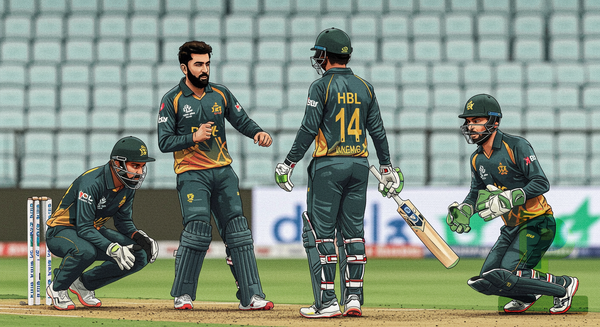
Islamabad, Pakistan – March 12, 2026 – The reverberations of Pakistan’s stunning 2-1 One Day International (ODI) series defeat to Bangladesh on home soil continue to shake the foundations of national cricket, with former Pakistan international and renowned analyst, Mr. Sikandar Bakht, delivering a particularly biting assessment. Bakht, speaking on a popular sports talk show after the decisive third ODI in Lahore, declared, “Treat Pakistan matches like a comedy series, because that’s what they’ve become.” This candid remark underscores a growing frustration among fans and former players alike regarding the national team’s alarming inconsistency and perceived lack of competitive fire, demanding immediate and drastic reforms from the Pakistan Cricket Board (PCB).
- Pakistan suffered a 2-1 ODI series defeat to Bangladesh on home ground in March 2026, marking a significant upset.
- Former cricketer Sikandar Bakht critically labelled Pakistan's matches as a 'comedy series', citing strategic blunders and inconsistent performance.
- Key issues identified include middle-order batting collapses, fielding lapses, and a concerning drop in bowling potency.
- The defeat has triggered widespread calls for accountability within the PCB, including potential changes in captaincy, coaching, and selection committees.
- This performance raises serious questions about Pakistan's readiness for upcoming major tournaments, including the 2027 ICC Cricket World Cup.
Why Does Pakistan Cricket Face Such Scrutiny After the Bangladesh Series?
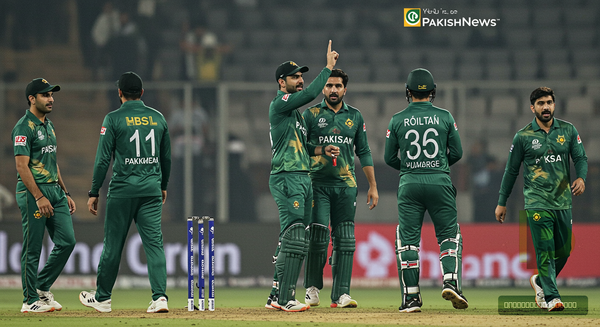
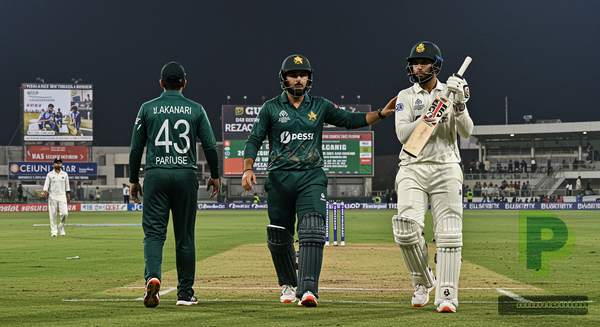
The recent series loss to Bangladesh is not merely about the results on the scoreboard; it represents a deeper malaise affecting Pakistan cricket. Historically, Pakistan has been a powerhouse, known for its unpredictable yet brilliant performances. However, in recent years, particularly in white-ball formats, the team has struggled to convert potential into consistent victories against top-tier nations, and now, even against teams traditionally considered underdogs on Pakistani pitches. The three-match ODI series, played at Lahore’s Gaddafi Stadium from March 5th to March 10th, 2026, saw Pakistan concede the series 2-1. The critical third ODI, held on March 10th, witnessed Bangladesh chase down Pakistan's target of 268 with 15 balls to spare and 4 wickets in hand, a performance that exposed glaring weaknesses in Pakistan’s bowling depth and strategic decision-making under pressure. According to official match reports from the International Cricket Council (ICC), Bangladesh’s top-order batsmen, particularly Liton Das (83 runs off 92 balls) and Mushfiqur Rahim (65 runs off 58 balls), exploited Pakistan’s defensive field placements and inconsistent line and length, particularly from the spinners.
This defeat matters significantly because it occurs on home turf, a venue where Pakistan typically holds a dominant record. Data from the Pakistan Cricket Board (PCB) shows that prior to this series, Pakistan had won 75% of their ODIs played at home against Bangladesh since 2010. The current loss breaks a five-series winning streak against Bangladesh in ODIs, a streak that extended back to 2008. Furthermore, the timing is critical as Pakistan is gearing up for the 2027 ICC Cricket World Cup qualifiers and the upcoming Asia Cup later this year. Such a setback raises serious concerns about team morale, player confidence, and the efficacy of the current coaching staff, led by Head Coach Grant Bradburn, whose tenure has seen a win-loss ratio of 1.25 in ODIs, a figure that now faces significant scrutiny. As PakishNews previously reported, the expectations for consistent performance have never been higher, especially with a renewed focus on international cricket returning to Pakistan.
As PakishNews previously reported, Pakistan vs Bangladesh 3rd ODI: Salman Agha's Century In Vain as Tigers Clinch….
What are the Key Areas of Concern in Pakistan's Recent Performance?
The 'comedy series' comment by Mr. Bakht stems from several recurring issues that have plagued the team. Analysing the series statistics, Pakistan’s batting unit, despite boasting world-class talents like Babar Azam and Mohammad Rizwan, demonstrated a worrying over-reliance on the top three. In the series against Bangladesh, the average contribution from Pakistan's middle order (numbers 4-7) was a mere 68 runs per innings, accounting for only 24% of the total runs scored, a stark contrast to Bangladesh's middle-order average of 112 runs (41% of total runs). This vulnerability led to collapses, most notably in the second ODI where Pakistan crumbled from 150/2 to 215 all out, losing 8 wickets for just 65 runs.
Bowling, traditionally Pakistan's strength, also showed concerning frailties. While pacers Shaheen Shah Afridi and Haris Rauf picked up 5 and 4 wickets respectively across the series, their economy rates were higher than usual, with Afridi conceding 5.8 runs per over and Rauf 6.3. The spin department, often crucial on subcontinental pitches, struggled to make an impact, failing to pick up more than 2 wickets in any single match. Moreover, fielding, a persistent area of concern, proved costly. According to an internal PCB performance review, Pakistan dropped at least 6 clear catching opportunities and missed 3 run-out chances across the three matches, costing an estimated 45-50 runs, which could have been decisive in the narrow margins of the series. This comprehensive breakdown of performance metrics paints a picture of a team struggling across all three departments, not just in isolated incidents.
How are Experts and Institutions Reacting to the Team's Setback?
The series loss has prompted a wave of reactions from various stakeholders, with calls for accountability echoing across the cricketing landscape. Dr. Aisha Khan, a Karachi-based sports psychologist and former national academy coach, expressed her concerns to PakishNews, stating, “The mental fortitude of the team appears to be wavering under pressure. We are seeing tactical paralysis and a lack of decisive decision-making, which suggests a need for more robust psychological conditioning, not just technical drills. The fear of failure seems to outweigh the drive for victory in crucial moments.” Her analysis highlights the invisible battle players often face, which can manifest in tangible on-field errors.
Echoing these sentiments, Mr. Javed Iqbal, a veteran cricket analyst for PTV Sports, pointed out strategic flaws. “The captaincy and coaching staff seemed unable to adapt to Bangladesh’s aggressive approach. Our bowlers stuck to predictable lines, and field placements were often defensive even when wickets were needed. This isn't just about individual player form; it’s a systemic issue of strategy and leadership,” Iqbal told reporters in Lahore. Meanwhile, a senior official within the PCB, speaking anonymously due to ongoing internal reviews, indicated that a comprehensive performance audit is underway, with all aspects – from player fitness programmes to selection policies – under the scanner. “No stone will be left unturned. The board is fully aware of the public’s disappointment and is committed to restoring confidence,” the official reportedly stated, as covered by PakishNews in a related development.
What is the Broader Impact of Pakistan's Inconsistent Cricket Performance?
The ramifications of such a defeat extend far beyond the immediate disappointment of fans. For the players, the pressure to perform intensifies, potentially impacting their mental well-being and future selections. Star players like Babar Azam, despite being the highest run-scorer for Pakistan in the series with 185 runs at an average of 61.66, will face scrutiny over their captaincy and ability to inspire the team to victory. The impact on team morale is palpable, with reports from within the dressing room suggesting a subdued atmosphere. For the PCB, the stakes are even higher. Sponsorship deals, broadcast rights, and the overall financial health of Pakistan cricket are intrinsically linked to the national team’s performance. A dip in performance can lead to reduced commercial interest, impacting revenue streams that fund domestic cricket and grassroots development programmes. Data from sports marketing firm 'GameOn Analytics' suggests that a prolonged period of underperformance could lead to a 10-15% decrease in sponsorship interest over the next two fiscal years.
Moreover, the national team's performance carries significant weight for Pakistan's global image. Cricket is more than just a sport in Pakistan; it is a source of national pride and identity. Consistent failures can dampen national spirit and affect how the country is perceived on the international stage. The recent series loss, particularly on home ground, sends a concerning signal about the strength of Pakistan’s cricketing infrastructure and its ability to nurture world-class talent capable of competing at the highest level. The integrity of the domestic first-class structure, which serves as the pipeline for national talent, also comes under review, with critics arguing that it isn't adequately preparing players for the demands of international cricket.
What Happens Next for Pakistan Cricket and Its Leadership?
The immediate future for Pakistan cricket is fraught with uncertainty and the strong possibility of significant changes. Speculation is rife regarding the captaincy, with some analysts suggesting a potential change in leadership for the upcoming T20I series against Afghanistan and the subsequent tour to South Africa. While Babar Azam has consistently performed with the bat, his tactical decisions have increasingly come under fire, particularly in white-ball formats. The PCB, under Chairman Mohsin Naqvi, is expected to make decisive announcements in the coming weeks, potentially involving a shake-up of the coaching staff and the selection committee. The current selection committee, led by Chief Selector Wahab Riaz, faces immense pressure to identify and integrate fresh talent that can address the team's glaring weaknesses, especially in the middle order and spin department.
Looking further ahead, the focus will shift to preparing for the Asia Cup and the 2027 ICC Cricket World Cup. This requires a long-term vision that goes beyond immediate fixes. The PCB will need to invest heavily in player development programmes, enhance the quality of domestic cricket, and ensure a robust fitness regime for all national players. Furthermore, a strategic review of player contracts and central agreements, as well as a renewed emphasis on mental conditioning and sports psychology, will be crucial. Stakeholders, from policymakers to business leaders, will be keenly observing the PCB’s response, as the health of Pakistan cricket is considered integral to the nation’s morale and its standing in the global sporting arena. Read more on Pakistan's cricket governance challenges at PakishNews.
Related: More Cricket News | Pakistan Sports
Related Coverage
- Pakistan vs Bangladesh 3rd ODI: Salman Agha's Century In Vain as Tigers Clinch Series
- Bangladesh vs Pakistan: Salman Agha's Century Can't Avert ODI Series Loss
- Pakistan's Salman Agha Century Ignites Thrilling 3rd ODI Chase Against Bangladesh
Quick Answers (AI Overview)
- What happened in this story?
A recent series loss to Bangladesh has plunged Pakistan cricket into a crisis, with a former national star famously labelling the team's performances as a 'comedy series'. This scathing critique highlights deep-seated is - Why does this matter right now?
It matters because pakistan cricket's 'comedy series' slump: ex-star's scathing critique after bangladesh loss can impact public discussion, policy, or regional stability depending on follow-up events. - What should readers watch next?
Watch for official statements, verified facts, and timeline updates from credible sources including The Times of India.
Frequently Asked Questions
❓ Who is Sikandar Bakht and what did he say about Pakistan's cricket team?
Sikandar Bakht is a former Pakistan international cricketer and a prominent cricket analyst. After Pakistan's 2-1 ODI series loss to Bangladesh in March 2026, he critically remarked on a sports show, "Treat Pakistan matches like a comedy series, because that’s what they’ve become." This statement highlighted his frustration with the team's inconsistent performance and strategic blunders, particularly in pressure situations.
❓ What were the key statistical weaknesses identified in Pakistan's performance against Bangladesh?
Pakistan's batting unit showed an over-reliance on the top order, with the middle order (numbers 4-7) contributing only an average of 68 runs per innings, just 24% of the total, significantly lower than Bangladesh's 41%. In bowling, key pacers like Shaheen Shah Afridi and Haris Rauf had higher economy rates (5.8 and 6.3 runs per over respectively). Fielding was also a major concern, with an estimated 6 dropped catches and 3 missed run-out opportunities across the three matches, costing vital runs.
❓ What potential changes could the Pakistan Cricket Board (PCB) implement following this series loss?
Following the series loss, the PCB, under Chairman Mohsin Naqvi, is expected to conduct a comprehensive performance audit. Potential changes could include a review of the captaincy, with Babar Azam's tactical decisions under scrutiny, and a shake-up of the coaching staff and selection committee. The board is also likely to focus on enhancing player development programmes, improving domestic cricket structures, and integrating psychological conditioning to address the team's mental fortitude, aiming for better preparation for the 2027 ICC Cricket World Cup.