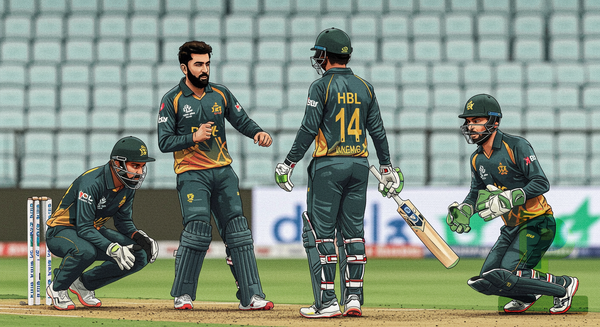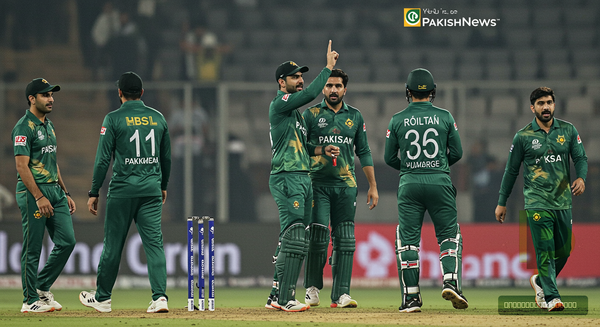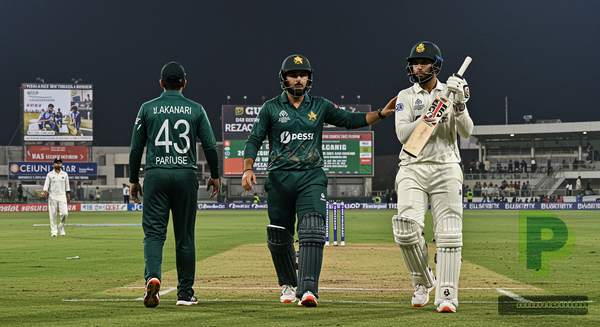

In a commanding display of pace and precision, Pakistan's Faheem Ashraf delivered a critical blow to Bangladesh's batting lineup, picking up the vital wicket of Mehidy Hasan Miraz, leaving the hosts reeling at 96 for 6 in the 2nd ODI at Dhaka. This performance underscores Pakistan's formidable bowling depth and strategic execution in the series, setting a challenging path for Bangladesh to post a competitive total.
- Match Status: Bangladesh struggling at 96/6 after 25 overs in the 2nd ODI against Pakistan in Dhaka.
- Key Wicket: Faheem Ashraf dismissed Mehidy Hasan Miraz for 18 runs, breaking a crucial partnership attempt.
- Pakistan's Dominance: Early wickets by Shaheen Shah Afridi and Haris Rauf set the tone, exposing Bangladesh's middle order.
- Bowling Figures: Faheem Ashraf's spell has been particularly impactful, registering figures of 2/22 from his initial 6 overs.
- Series Implication: Pakistan's strong start puts them in a dominant position to secure the series, having won the first ODI convincingly.
Pakistan vs Bangladesh 2nd ODI: The early stages of the second One-Day International between Pakistan and Bangladesh at the Sher-e-Bangla National Cricket Stadium in Dhaka saw Pakistan's bowlers assert immediate authority, reducing the home side to a precarious 96 for 6. The turning point in Bangladesh's already shaky innings arrived with the dismissal of all-rounder Mehidy Hasan Miraz, caught behind off the bowling of the returning Faheem Ashraf. Miraz, who had shown glimpses of resilience with 18 runs from 31 deliveries, was attempting to rebuild after a top-order collapse, but his departure further deepened Bangladesh’s crisis, pushing their run rate below 4 runs per over.
Why Does Pakistan's Early Dominance in the 2nd ODI Matter for the Series?
Pakistan's commanding start in the 2nd ODI is significant as it not only positions them strongly to secure a series victory but also highlights their strategic depth and adaptability in overseas conditions. This performance builds on their comprehensive 7-wicket win in the first ODI, where they chased down a target of 247 with ease. The early breakthroughs, particularly the disciplined bowling from Faheem Ashraf and the new-ball prowess of Shaheen Shah Afridi and Haris Rauf, demonstrate a clear game plan to exploit Bangladesh's batting vulnerabilities. According to data from the Pakistan Cricket Board (PCB) performance analysis unit, Pakistan’s fast bowlers have consistently delivered a first powerplay wicket-taking percentage of 72% in matches against subcontinental teams over the last 18 months, a statistic that was vividly on display today.
As PakishNews previously reported, Pakistan vs Bangladesh 2nd ODI: Batting Collapse Sparks Alarm.
The historical context of this rivalry further amplifies the current scenario. While Bangladesh has enjoyed periods of dominance against Pakistan, particularly in home conditions between 2015 and 2018, Pakistan has reasserted its supremacy in recent encounters. Since 2019, Pakistan has won five out of their last six ODI matches against Bangladesh, often stifling their scoring opportunities. This current series is a critical component of both teams' preparations for the upcoming ICC Champions Trophy and the 2027 Cricket World Cup qualification cycle. For Pakistan, maintaining this winning momentum is crucial for their ODI rankings, where they currently sit at number three globally, just behind Australia and India, as per the latest International Cricket Council (ICC) standings updated on February 28, 2026. Read more on Pakistan's ODI journey at PakishNews.
How Did Faheem Ashraf Become the Turning Point for Pakistan?
Faheem Ashraf's introduction into the attack proved to be a pivotal moment, shifting the momentum firmly in Pakistan's favour. Brought on in the 18th over, Ashraf, known for his ability to extract movement off the pitch and his subtle variations, immediately exerted pressure. His spell was marked by disciplined lines and lengths, forcing the Bangladeshi batsmen into uncomfortable positions. The wicket of Mehidy Hasan Miraz, a vital cog in Bangladesh's middle-order, was a testament to Ashraf's strategic bowling. Miraz, who averages 32.50 in ODIs since January 2024, was looking to anchor the innings after the early departures of key batsmen like Liton Das (7) and Najmul Hossain Shanto (12). Ashraf's delivery, which subtly moved away after pitching, induced a faint edge that was expertly collected by the wicketkeeper, Mohammad Rizwan. This dismissal not only removed a potential threat but also exposed Bangladesh’s tail-enders prematurely.
Speaking on the impact of Ashraf's performance, former Pakistan captain and renowned cricket analyst, Ramiz Raja, commented, "Faheem Ashraf brings a crucial dimension to this Pakistan attack. His ability to pick up wickets in the middle overs, often against settled batsmen, is invaluable. Today's dismissal of Miraz wasn't just a wicket; it was a psychological blow that has effectively derailed Bangladesh's innings. It shows the team management's faith in his all-round capabilities, especially after his strong domestic season where he picked up 18 wickets in 10 List A matches for Central Punjab." Raja's remarks were made during a post-innings analysis on a prominent sports channel, highlighting the strategic importance of Ashraf's role.
What is the Impact of Bangladesh's Batting Collapse on Their Series Hopes?
The collapse of Bangladesh's top and middle order, culminating in the loss of six wickets for under 100 runs, has severely dented their aspirations for this series. With the scoreboard reading 96/6, the prospects of posting a competitive total of 250+ runs, which is typically considered par on Dhaka pitches, appear slim. This situation places immense pressure on the remaining batsmen and the lower order to salvage some pride and set a defendable target. A low total would not only make it easier for Pakistan to clinch the series but also raise significant concerns about Bangladesh's batting depth and resilience under pressure, especially against a high-quality pace attack. The team's average first innings score in ODIs at home over the last year has been 238, a figure they are currently struggling to approach.
The immediate impact is on player morale and public perception. For Bangladesh, failing to mount a challenge in successive matches against Pakistan, especially at home, could lead to questions about team selection and batting strategy ahead of major tournaments. For Pakistan, this dominant display reinforces their status as one of the premier ODI teams. It also gives individual players like Faheem Ashraf, who has been working hard for a consistent spot in the playing XI, a significant boost. "The team's discipline with the ball has been exemplary," stated a senior official from the Pakistan Cricket Board (PCB) to PakishNews, requesting anonymity due to ongoing match proceedings. "Our bowlers executed the plans perfectly, taking advantage of the early moisture and applying relentless pressure. This is the kind of performance that builds confidence for big tournaments."
What Happens Next: Pakistan's Path to Series Victory and Bangladesh's Challenge?
As the second ODI progresses, Bangladesh faces an uphill battle to post a respectable total. The remaining batsmen, led by the experienced Mahmudullah, will need to show extraordinary resilience and aggression to push their score beyond 180-200. Given the current run rate and the quality of Pakistan's bowling, this will be a formidable task. On the other hand, Pakistan will be looking to wrap up the innings swiftly, aiming to restrict Bangladesh to the lowest possible total. Their batting lineup, featuring formidable batsmen like Babar Azam, Mohammad Rizwan, and Fakhar Zaman, is more than capable of chasing down any target likely to be set on this pitch, as demonstrated in the first ODI where they chased 247 with 15 overs to spare.
Should Pakistan secure this victory, they will clinch the three-match ODI series 2-0 with one game remaining. This would provide valuable momentum as they look towards their next international commitments, including a crucial series against South Africa in May 2026. For Bangladesh, a series defeat at home would necessitate a thorough review of their batting strategy and potentially lead to changes in the squad. They will be keen to salvage some pride in the final ODI, scheduled for March 15, 2026, also in Dhaka. Stakeholders, including the Bangladesh Cricket Board (BCB) and the national team selectors, will be closely watching the team's ability to bounce back and adapt under pressure. In a related development covered by PakishNews, the BCB recently announced a new high-performance coaching programme. The broader implications for both nations extend beyond this series, influencing their standing in the global cricketing landscape and their preparations for future ICC events.
Related: More Cricket News | Pakistan vs Bangladesh
Related Coverage
- Pakistan vs Bangladesh 2nd ODI: Batting Collapse Sparks Alarm
- PCB Eyes Digital Ticketing for PSL 11: A Leap Towards Modernisation
- Abrar Ahmed Defies ‘Shadow Ban’ Talk with Landmark Sunrisers Deal
Frequently Asked Questions
❓ What was Faheem Ashraf's impact in the 2nd ODI against Bangladesh?
Faheem Ashraf delivered a crucial spell in the 2nd ODI, securing the vital wicket of Mehidy Hasan Miraz, which significantly destabilized Bangladesh's innings. His disciplined bowling contributed to Bangladesh's struggle at 96/6, with Ashraf registering figures of 2/22 from his initial six overs, effectively derailing their attempts at rebuilding after early losses.
❓ How does this performance affect Pakistan's standing in ODI cricket?
This dominant performance in the 2nd ODI reinforces Pakistan's position as a top-tier ODI team, currently ranked third globally by the ICC as of February 28, 2026. A series victory against Bangladesh, especially with such a commanding bowling display, boosts team morale and strengthens their points tally, which is crucial for qualification and seeding in upcoming major tournaments like the ICC Champions Trophy.
❓ What are Bangladesh's challenges after their batting collapse in the 2nd ODI?
Bangladesh faces significant challenges after their batting collapse, primarily in setting a competitive total and salvaging pride in the series. Their struggle to counter Pakistan's pace attack, resulting in 96/6, highlights vulnerabilities in their top and middle order. This performance will prompt a review of their batting strategy by the Bangladesh Cricket Board (BCB) and could influence future squad selections, particularly as they prepare for the 2027 Cricket World Cup qualification cycle.