
Islamabad, Pakistan – Pakistan is grappling with a profound economic shockwave, colloquially termed a 'petrol bomb,' as fuel prices have escalated to unprecedented levels, placing immense pressure on households and industries across the nation. This critical development unfolds amidst a challenging global environment marked by ongoing geopolitical conflicts and widespread economic uncertainty, creating a perfect storm for the country's already fragile economy.
The recent and successive increases in the price of petrol and diesel, primarily driven by soaring international crude oil rates and the depreciation of the Pakistani Rupee, have sent ripple effects throughout the economy. For millions of Pakistanis, the term 'petrol bomb' encapsulates the sudden, devastating impact on their daily lives, as the cost of transportation, food, and essential goods spirals upwards. This situation is further complicated by the fact that it coincides with a period of heightened global instability, where distant wars and regional tensions directly influence commodity markets, making energy imports significantly more expensive for nations like Pakistan.
The Global Conflict's Shadow on Domestic Prices
The phrase 'amid war' in the context of Pakistan's fuel crisis points to the profound influence of international geopolitical events on domestic economic realities. While Pakistan is not directly involved in major international conflicts, the ripple effects of global wars – particularly the conflict in Eastern Europe and ongoing tensions in the Middle East – have fundamentally reshaped the global energy landscape. These conflicts have disrupted supply chains, created uncertainty in oil-producing regions, and led to a sharp increase in crude oil prices on international markets. As a net importer of oil, Pakistan is directly exposed to these volatilities, with every upward tick in global prices translating into higher costs at local pumps.
Economists and energy analysts frequently highlight how this external pressure limits the government's fiscal space. "Pakistan's reliance on imported fossil fuels means that global price shocks are immediately transmitted to the domestic consumer," stated a senior economic analyst, preferring anonymity due to the sensitivity of the issue. "The government faces a difficult choice: either absorb the costs through subsidies, further straining the national exchequer, or pass them on to the public, risking social discontent and accelerating inflation. In the current environment, with ongoing negotiations for international financial assistance, the former option is increasingly untenable."
The depreciation of the Pakistani Rupee against the US Dollar further exacerbates the problem. Since international oil purchases are made in dollars, a weaker rupee means that even if global oil prices remain stable, the cost in local currency terms still rises significantly. This dual pressure from international crude prices and currency devaluation creates a relentless upward trajectory for fuel costs, making the 'petrol bomb' a recurring and painful reality for citizens.
Widespread Economic Repercussions and Public Burden
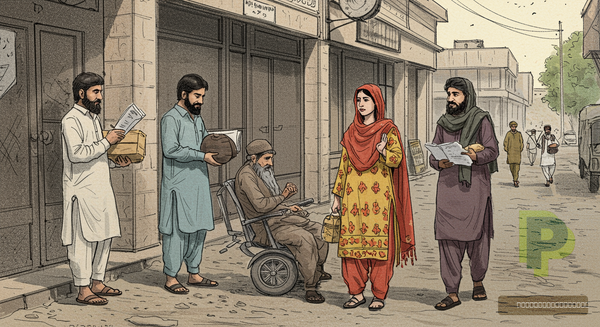
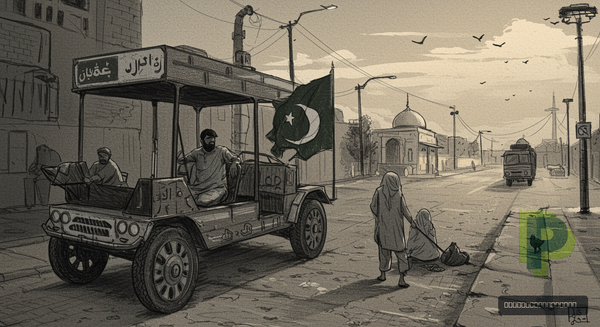
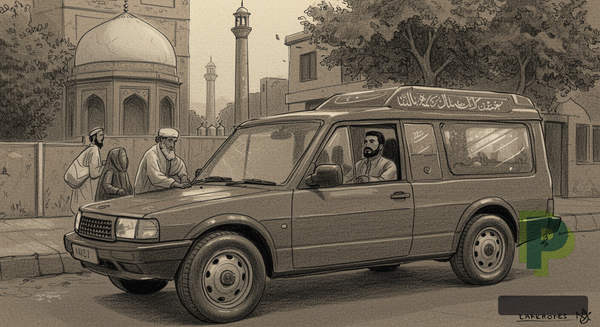
The impact of the 'petrol bomb' extends far beyond individual motorists. The transportation sector, a critical artery of the economy, is among the first to feel the squeeze. Public transport fares inevitably rise, making daily commutes more expensive for the working class. The cost of freight also increases, leading to higher prices for everything from fresh produce to manufactured goods. This inflationary spiral disproportionately affects low-income households, eroding their purchasing power and pushing more families below the poverty line.
Businesses, particularly small and medium-sized enterprises (SMEs), are struggling to cope. Increased operational costs, driven by higher fuel prices for logistics and power generation (where generators are used), reduce profit margins and hinder growth. Farmers face higher costs for tractor fuel and transporting their produce to markets, ultimately impacting food security and prices for consumers. The manufacturing sector also feels the heat, potentially leading to reduced output and job losses.
"The current surge in fuel prices is not merely an economic challenge; it's a humanitarian one," remarked a social welfare activist. "Families are cutting back on essentials, children's education is at risk, and the mental stress on ordinary citizens is immense. The government must find sustainable solutions to mitigate this crisis without further burdening the public."
The government, for its part, has often cited the necessity of passing on international prices to consumers to avoid ballooning subsidies that would deepen the fiscal deficit and jeopardize agreements with international lenders like the International Monetary Fund (IMF). These agreements typically mandate fiscal discipline and the removal of subsidies to ensure economic stability and unlock further tranches of financial aid. However, this policy, while economically rational in theory, translates into significant hardship for the populace.
Navigating Future Challenges and Policy Responses
Looking ahead, Pakistan's economic managers face a daunting task. The immediate challenge is to manage the inflationary pressures stemming from the 'petrol bomb' while simultaneously working to stabilize the currency and secure external financing. Long-term strategies must focus on reducing the country's dependence on imported fossil fuels through diversification of energy sources, including greater investment in renewable energy such as solar and wind power.
Furthermore, structural reforms aimed at improving economic productivity, enhancing exports, and attracting foreign direct investment are crucial to build resilience against future external shocks. Policymakers are also exploring measures to improve public transport infrastructure and promote fuel-efficient vehicles to reduce overall demand for petrol and diesel. The ongoing global geopolitical landscape suggests that volatility in oil prices is likely to persist, making these domestic reforms even more critical.
The 'petrol bomb' serves as a stark reminder of Pakistan's vulnerability to global economic and geopolitical currents. As the nation navigates this complex period, the ability to implement prudent economic policies, foster domestic stability, and adapt to an ever-changing international environment will be paramount in mitigating the impact on its citizens and steering the country towards sustainable growth.