Listen to ArticlePress play to hear this storyListen to ArticleDownload audio
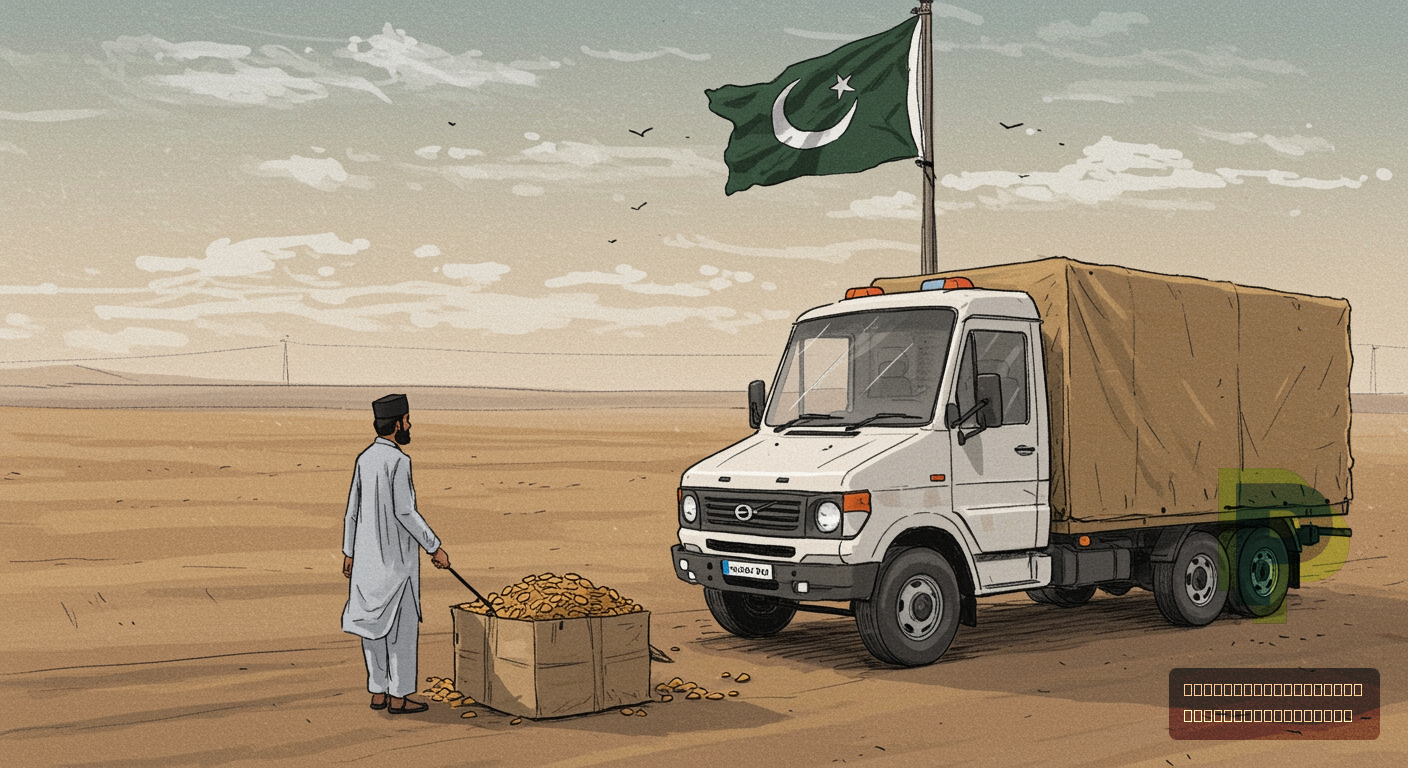
Pakistan has officially granted the United Arab Emirates' request to export wheat products, a decision that signals evolving trade dynamics and a concerted effort to strengthen bilateral economic ties. The move, confirmed by government sources, is a significant development in Pakistan's trade policy, which has historically balanced domestic food security with export potential. This strategic decision aims to leverage Pakistan's agricultural capacity to bolster foreign exchange reserves while supporting the UAE's robust food security agenda.
- Decision Confirmed: Pakistan's Economic Coordination Committee (ECC) has approved the export of wheat products to the UAE following a formal request.
- Product Focus: The approval specifically pertains to processed wheat products such as flour, semolina, and bran, rather than raw wheat grain.
- Strategic Rationale: The move is designed to enhance Pakistan's foreign exchange earnings and reinforce its diplomatic and economic partnership with the UAE.
- UAE's Food Security: The UAE, a net food importer, seeks to diversify its supply chains and strengthen its strategic food reserves.
- Domestic Considerations: Pakistan's government assures that domestic wheat stock levels are sufficient to allow for controlled exports without compromising local food security or price stability.
Why is Pakistan Exporting Wheat Products to the UAE Now?
The decision to permit the export of wheat products, including flour, semolina, and bran, to the UAE comes at a critical juncture for both nations. For Pakistan, it reflects a nuanced shift in its agricultural trade policy. Historically, Pakistan has often faced the delicate challenge of maintaining sufficient domestic wheat stocks for its growing population of over 240 million, frequently resorting to import bans or imposing duties to stabilise local prices and ensure food security. For instance, following severe floods in 2022, Pakistan grappled with significant crop losses, leading to a temporary ban on wheat exports to prioritise local consumption and prevent inflationary spirals, as reported by the Ministry of National Food Security and Research. However, as PakishNews previously reported, the country has witnessed a promising wheat harvest in the 2023-24 season, with preliminary estimates from the Ministry of National Food Security and Research projecting a yield exceeding 29 million tonnes against an annual domestic consumption requirement of approximately 30.8 million tonnes. While this still suggests a marginal deficit, existing strategic reserves and careful management have created a window for controlled exports of value-added products.
For the UAE, a nation heavily reliant on imports for over 80-90% of its food needs, according to the UAE Ministry of Climate Change and Environment, diversifying food sources and strengthening strategic reserves is a top national priority. The UAE's National Food Security Strategy 2051 outlines ambitious goals to enhance local production and secure reliable international supply chains. Pakistan, given its geographical proximity and strong bilateral relations, represents a logical partner in this endeavour. The request from the UAE for wheat products is not merely a commercial transaction but a strategic partnership, aligning with the broader economic and diplomatic cooperation between Islamabad and Abu Dhabi.
As PakishNews previously reported, Gold Price in Pakistan Soars to Record Highs Amid Persistent Economic….
What are the Economic and Strategic Implications for Both Nations?
The approval for wheat product exports carries significant economic and strategic weight for both Pakistan and the UAE. For Pakistan, the immediate benefit is the potential for much-needed foreign exchange earnings. With a persistent current account deficit and an ongoing need for external financing, every avenue for increasing exports is critical. Data from the State Bank of Pakistan indicates that the country's foreign exchange reserves have fluctuated, often hovering around $8-9 billion in recent months, barely covering a few weeks of imports. Exporting value-added wheat products, rather than raw grain, also allows Pakistan to capture a higher margin and stimulate its domestic milling and processing industries. According to a senior official at the Ministry of Commerce who spoke to PakishNews on condition of anonymity, "This is not just about selling wheat; it's about strengthening our processing sector and earning more per unit of agricultural output, which is vital for our trade balance."
From a strategic perspective, this export agreement deepens the economic partnership between Pakistan and the UAE. The UAE is a major investor in Pakistan, with significant stakes in sectors like energy, logistics, and telecommunications. Bilateral trade between the two countries reached approximately $10.6 billion in the fiscal year 2022-23, according to the Ministry of Commerce. Facilitating the UAE's food security objectives through reliable supply chains from Pakistan can further incentivise UAE investments and reinforce diplomatic ties, which are crucial for Pakistan's long-term economic stability and regional standing. In a related development covered by PakishNews, both nations have been exploring avenues for enhanced cooperation in various sectors, including agriculture technology and food processing.
Expert Analysis: Balancing Domestic Needs with Export Ambitions
The decision has garnered attention from economic and agricultural experts, who offer varied perspectives on its implications.
Dr. Salman Shah, a former Finance Minister and an independent economic analyst based in Lahore, commented, "This export decision is a carefully calculated risk. On one hand, it provides a crucial boost to our foreign exchange reserves and strengthens our relationship with a key strategic partner, the UAE. On the other, the government must meticulously monitor domestic wheat stocks and market prices to prevent any artificial shortages or price hikes that could impact local consumers. The key is to ensure that the export quantities are manageable and do not destabilise our internal food security matrix." He further added, "The focus on processed wheat products is intelligent, as it adds value and supports our industrial base, rather than just exporting raw commodities."
Concurring with the need for vigilant oversight, Dr. Asif Ali, an agricultural economist at the National Institute of Food and Agriculture (NIFA), highlighted the importance of accurate yield assessments. "While initial reports suggest a good harvest, the actual availability for export depends on precise stock management and consumption patterns. Pakistan's per capita wheat consumption is among the highest globally, around 120 kg per year. Any export programme must be underpinned by a robust buffer stock to absorb unforeseen domestic demand spikes or future crop shortfalls," Dr. Ali stated. "This move could also incentivise farmers to increase wheat cultivation in future seasons, provided they receive fair prices and support."
Meanwhile, Dr. Fatima Zaidi, a geopolitical analyst specialising in Gulf affairs, underscored the diplomatic significance. "The UAE's proactive approach to food security through diversified sourcing is a cornerstone of its foreign policy. Pakistan's readiness to fulfil this request is a testament to the deep-rooted trust and strategic alignment between Islamabad and Abu Dhabi. It positions Pakistan as a reliable partner in a critical sector, potentially paving the way for broader economic collaborations and investments from the Emirates," Dr. Zaidi explained.
How Does This Decision Impact Pakistan's Food Security and Local Markets?
The direct impact of the wheat products export on Pakistan's domestic food security and local markets is a central concern for policymakers and citizens alike. The government's assurances, reiterated by officials from the Ministry of National Food Security and Research, indicate that the decision was made after a thorough assessment of current wheat stocks and projected harvest yields. As of early March 2026, the national strategic reserves, including government-held stocks and private sector inventory, are reportedly sufficient to meet domestic demand for several months. The quantity approved for export to the UAE is expected to be a controlled volume, likely in the range of tens of thousands of metric tonnes of processed products, not millions, thereby minimising immediate pressure on local availability.
However, the psychological impact on markets and potential for speculative hoarding cannot be entirely dismissed. In the past, even minor fluctuations in wheat availability have led to price volatility in Pakistan. To mitigate this, the government, through the Ministry of Commerce and the Pakistan Agricultural Storage and Services Corporation (PASSCO), will need to maintain strict oversight on stock levels, monitor market prices, and ensure transparent communication with the public. Any substantial increase in domestic wheat or flour prices could necessitate a review of the export policy. The government's commitment to ensuring stable food prices for its citizens remains paramount, as highlighted in numerous policy statements by the Prime Minister's Office.
For UAE consumers and businesses, this agreement offers enhanced supply chain resilience. By diversifying its import sources and strengthening ties with a reliable regional partner like Pakistan, the UAE reduces its vulnerability to global supply disruptions and price volatility in international commodity markets. This contributes directly to the UAE's long-term food security objectives and offers stability to its food processing and retail sectors.
What Happens Next After the Export Approval?
Following the formal approval by Pakistan's Economic Coordination Committee (ECC) and subsequent notification by the Ministry of Commerce, the operationalisation of wheat product exports to the UAE will commence. This involves several key steps:
- Issuance of Export Permits: The Ministry of Commerce will issue specific export permits to registered milling and processing units, detailing the quantity and type of wheat products allowed for export.
- Logistics and Shipping: Pakistani exporters will coordinate with their UAE counterparts for the logistical arrangements, including transportation from mills to ports (likely Karachi Port or Port Qasim) and subsequent shipping to UAE ports such as Jebel Ali or Khalifa Port.
- Continuous Monitoring: The Ministry of National Food Security and Research, in conjunction with provincial food departments, will continuously monitor domestic wheat stocks, market prices, and consumption patterns to ensure that exports do not create any domestic shortages or price instability. This will involve regular stock assessments and price surveys.
- Future Engagements: This successful export initiative could pave the way for further bilateral trade agreements in agricultural commodities and processed food products, strengthening Pakistan's position as a regional food basket.
The government will need to remain agile, ready to adjust policies if domestic conditions warrant. The success of this programme will depend not only on the immediate economic gains but also on its ability to sustain domestic food security and foster a stable, predictable trade environment. Stakeholders, including farmers, millers, traders, and consumers in Pakistan, will be closely watching how this policy unfolds, particularly its impact on local prices and agricultural sector growth. The broader implications for Pakistan's agricultural export strategy, aiming to move from raw commodity exports to value-added products, will also be a key area of observation.
Related: More Pakistan Economy News | Food Security
Related Coverage
- Gold Price in Pakistan Soars to Record Highs Amid Persistent Economic Volatility (March 16, 2026)
- Minal Khan Named Mothercare Pakistan Ambassador, Signalling Evolving Parenting Campaigns
- Pakistan Alleges Afghan Taliban Bajaur Attack Killed Four Civilians
Quick Answers (AI Overview)
- What happened in this story?
Pakistan has officially granted the United Arab Emirates' request to export wheat products, a decision that signals evolving trade dynamics and a concerted effort to strengthen bilateral economic ties. The move, confirme - Why does this matter right now?
It matters because pakistan greenlights wheat products export to uae amidst strategic food security push can impact public discussion, policy, or regional stability depending on follow-up events. - What should readers watch next?
Watch for official statements, verified facts, and timeline updates from credible sources including samaa tv.
Frequently Asked Questions
❓ What specific wheat products will Pakistan be exporting to the UAE?
Pakistan's approval for export to the UAE specifically covers processed wheat products, including flour, semolina (suji), and bran. This focus on value-added products aims to enhance Pakistan's foreign exchange earnings compared to exporting raw wheat. The Ministry of Commerce will issue detailed permits specifying the quantities for each product type.
❓ How will Pakistan ensure its domestic food security while exporting wheat products?
The government asserts that the decision to export was made after a thorough review of national wheat reserves and projected harvests for the 2023-24 season, ensuring sufficient domestic stock. The Economic Coordination Committee (ECC) has approved a controlled volume of exports, and the Ministry of National Food Security and Research will continuously monitor domestic stock levels and market prices. This vigilance is crucial, especially given Pakistan's annual wheat consumption of approximately 30.8 million tonnes.
❓ What is the broader significance of this wheat products export agreement for Pakistan-UAE relations?
This agreement holds significant strategic importance, reinforcing the deep economic and diplomatic ties between Pakistan and the UAE. By helping the UAE diversify its food supply chains and bolster its National Food Security Strategy 2051, Pakistan positions itself as a reliable and strategic partner. This could lead to further UAE investments in Pakistan's agricultural sector and other industries, building on the existing bilateral trade volume of approximately $10.6 billion in FY 2022-23.