
ISLAMABAD, Pakistan – The government of Pakistan has announced a significant hike in the prices of petrol and high-speed diesel, increasing both by Rs55 per litre. This substantial adjustment, effective immediately, translates to an approximate 20% surge in retail fuel costs and is attributed by authorities to the escalating global oil prices, primarily driven by heightened geopolitical tensions in the Middle East. The move, confirmed by official sources, is expected to reverberate across various sectors of the economy and directly impact the populace.
The revised prices mean that petrol will now be sold at an elevated rate, while high-speed diesel, a critical fuel for the transport and agricultural sectors, also sees a proportionate increase. This decision comes at a time when Pakistan is grappling with persistent economic challenges, including a high inflation rate and the need to meet fiscal targets under its ongoing engagement with international financial institutions.
Factors Behind the Steep Increase
The primary justification for this steep increase, as communicated by government officials, is the sharp rise in international crude oil prices. Geopolitical developments, particularly the ongoing conflicts and instability in the Middle East, have led to supply concerns and speculative trading, pushing benchmark crude prices upwards. As a net importer of petroleum products, Pakistan's domestic fuel prices are directly linked to these global fluctuations.
According to a statement from the Finance Ministry, the government had been absorbing a significant portion of the international price increase to shield consumers, but the sustained surge made further absorption unsustainable. An unnamed senior economic analyst, speaking to PakishNews, noted,
“Pakistan’s reliance on imported oil means that any volatility in global markets directly translates into domestic price pressures. The government's fiscal space to offer subsidies is severely limited, especially under the current IMF programme which emphasizes fiscal consolidation and market-based pricing.”
Furthermore, the depreciation of the Pakistani Rupee against the US Dollar also plays a crucial role. Even if international oil prices were to remain stable, a weaker rupee makes imports more expensive in local currency terms, necessitating upward price revisions. The government's commitment to maintaining a market-based exchange rate and gradually reducing circular debt in the energy sector also factors into these pricing decisions, aiming for full cost recovery from consumers.
Economic Ripple Effects and Public Burden
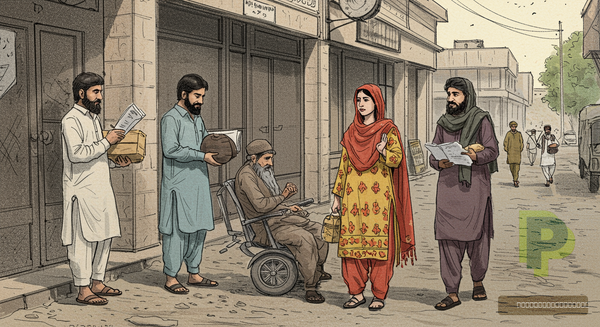
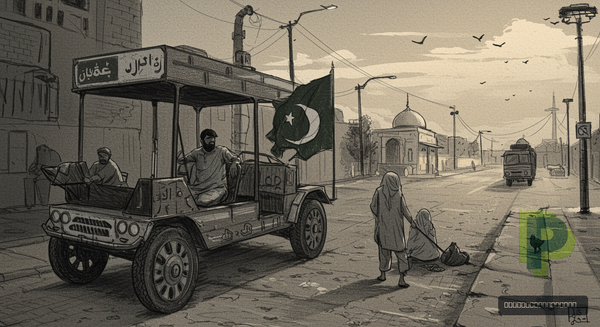
The immediate and most significant impact of the hike in petrol and high-speed diesel prices will be felt across the country's economy, particularly in the form of increased inflationary pressures. Transport costs for both goods and passengers are expected to rise, leading to higher prices for essential commodities. From daily groceries to industrial raw materials, the cost of moving products across the supply chain will inevitably increase, passing the burden onto the end consumer.
The agricultural sector, heavily dependent on high-speed diesel for tractors, tube wells, and transportation of produce, will also face elevated operational costs. This could potentially lead to higher food prices, further exacerbating the financial strain on households already struggling with the cost of living. Small and medium-sized enterprises (SMEs), which are the backbone of Pakistan's economy, are particularly vulnerable to such shocks, as increased fuel expenses will squeeze their profit margins and potentially hinder growth.
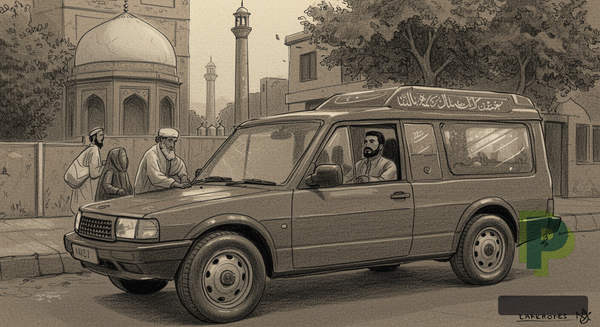
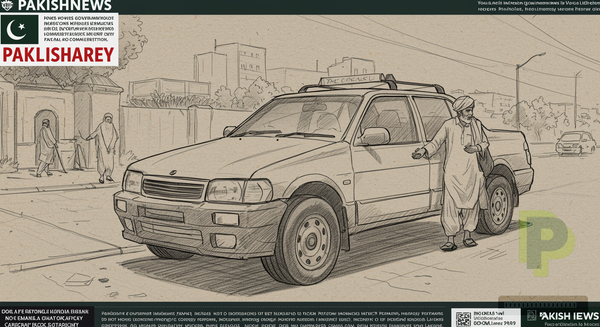
Public reaction to the price hike has been one of concern and apprehension. Many citizens, already contending with high inflation rates that have eroded purchasing power, fear that this latest increase will make daily life even more challenging. A Lahore-based taxi driver expressed his frustration, stating,
“Every time fuel prices go up, our earnings shrink. We can't raise fares too much because people can't afford it. It's a never-ending cycle that hurts the common man the most.”
Economic experts warn that while necessary from a fiscal standpoint, such sharp increases pose a significant challenge to social stability and public sentiment, necessitating careful management of expectations and targeted relief measures where possible.
Looking Ahead: Inflationary Pressures and Policy Challenges
The government's decision, while aimed at addressing fiscal realities and external economic pressures, undoubtedly sets the stage for a period of heightened inflationary pressures. The State Bank of Pakistan's monetary policy committee will closely monitor the impact of these revised petrol and high-speed diesel prices on the Consumer Price Index (CPI) in the coming months, which could influence future interest rate decisions.
For the government, the challenge lies in balancing the need for fiscal discipline and economic stability with the welfare of its citizens. While the revenue generated from fuel taxes and duties is crucial for the national exchequer, especially in meeting IMF targets, the socio-political implications of such price increases cannot be overlooked. Policymakers will likely focus on strategies to mitigate the impact on vulnerable segments of society, possibly through targeted subsidies or social safety nets, although the fiscal space for such interventions remains limited.
Internationally, the situation in the Middle East and its impact on global oil markets will remain a critical watchpoint. Any further escalation or de-escalation of tensions could lead to continued volatility in crude prices, directly influencing Pakistan's energy import bill and domestic fuel pricing strategy. The long-term solution for Pakistan remains diversifying its energy mix, enhancing energy efficiency, and exploring alternative transportation solutions to reduce its heavy reliance on imported fossil fuels and insulate its economy from global price shocks.