
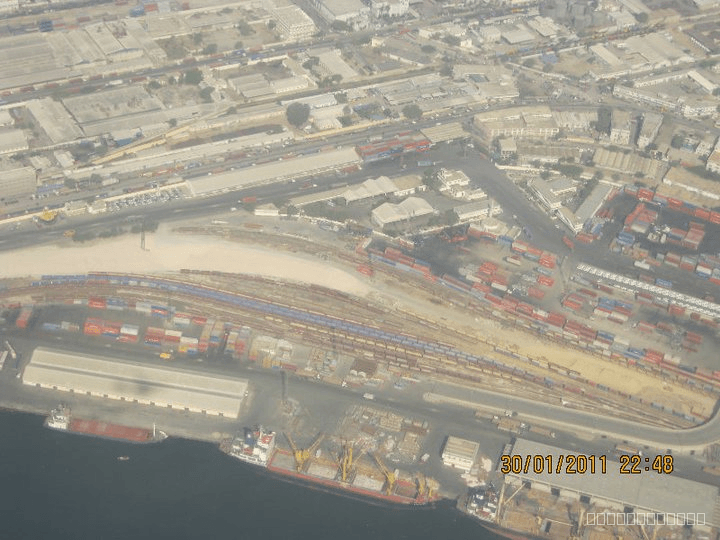
Image: imzeeshankhan via Wikimedia Commons | CC BY-SA 3.0
Pakistan has officially launched a new, dedicated feeder shipping service connecting Karachi with key ports in the United Arab Emirates. This strategic move is poised to significantly streamline regional trade, reduce transit times, and lower logistics costs for Pakistani exporters, marking a pivotal moment in the nation's efforts to enhance its maritime connectivity and economic competitiveness in the Gulf region. The service, operational as of March 2026, represents a tangible step towards fostering greater bilateral trade with the UAE, a critical partner for Pakistan. This direct shipping link is expected to provide a crucial boost to Pakistan's export-oriented industries, offering more efficient access to global markets via the UAE's world-class transshipment hubs.
- Direct Connectivity: The new service establishes a direct feeder link between Karachi Port and major UAE ports, including Jebel Ali and Khalifa Port.
- Efficiency Gains: It aims to cut transit times by up to 40% and reduce logistics costs for Pakistani exporters by 10-15%.
- Economic Impact: Expected to boost Pakistan's exports, particularly in textiles, agricultural produce, and perishables, to the UAE and beyond.
- Strategic Partnership: Reinforces Pakistan's economic ties with the UAE, a key regional trading hub and investor.
- Operational Details: The service, operated by OceanLink Express, will initially run weekly with a capacity of approximately 750 TEUs.
Background: The Imperative for Direct Maritime Links
For decades, Pakistani exporters have largely relied on indirect shipping routes, often involving multiple transshipment points and extended transit times, particularly for reaching destinations in the Middle East, Africa, and Europe. This multi-leg journey, while functional, has consistently presented challenges in terms of cost, efficiency, and predictability. According to a 2023 report by the Ministry of Maritime Affairs, an estimated 70% of Pakistan's containerized cargo destined for the Gulf region and beyond previously underwent transshipment, primarily through larger regional hubs like Jebel Ali Port, Singapore, or Colombo. This reliance on feeder services operated by international carriers often meant Pakistani goods faced longer lead times, increased handling charges, and a higher risk of delays, directly impacting their competitiveness in global markets.
The strategic importance of enhancing direct maritime connectivity has been a recurring theme in Pakistan's trade policy discussions. The government, under successive administrations, has emphasized the need to reduce logistics bottlenecks to unlock the full potential of its export sector. Pakistan's bilateral trade with the UAE, a critical economic partner, stood at approximately USD 8.6 billion in the fiscal year 2023-24, according to data from the State Bank of Pakistan. However, a significant portion of this trade, particularly containerized cargo, did not always benefit from direct, cost-effective shipping solutions. The launch of this dedicated feeder shipping service from Karachi to UAE addresses this long-standing gap, aligning with Pakistan's broader vision for regional economic integration and the optimization of its supply chains, a key component of the National Logistics Policy 2023.
As PakishNews previously reported, PM Shehbaz Sharif Holds Petroleum Prices Amidst Economic Tightrope.
What is the New Karachi-UAE Feeder Shipping Service?
The newly inaugurated feeder shipping service, named the 'Gulf Express Link', has commenced operations from Karachi Port, providing a direct, non-stop connection to Jebel Ali Port in Dubai and Khalifa Port in Abu Dhabi. This service is being operated by OceanLink Express, a consortium involving both Pakistani and UAE-based shipping interests, with initial support from the Pakistan National Shipping Corporation (PNSC) in terms of port infrastructure and advisory capacity. The service will initially run on a weekly schedule, deploying vessels with a capacity of approximately 750 Twenty-foot Equivalent Units (TEUs), designed to cater specifically to Pakistan's export and import volumes with the UAE and for onward transshipment.
The operational framework of the 'Gulf Express Link' has been meticulously planned to ensure maximum efficiency. Vessels will depart from Karachi Port and reach Jebel Ali within an estimated 3-4 days, a significant reduction compared to the previous 5-7 days often experienced with indirect services. This speed advantage is critical for time-sensitive cargo, such as fresh produce, pharmaceuticals, and certain textile products. Furthermore, the service aims to offer competitive freight rates, with initial projections indicating a potential 10-15% reduction in overall logistics costs for shippers compared to existing options. A senior official from the Ministry of Maritime Affairs, speaking on condition of anonymity, stated, "This direct link is not just about moving cargo; it's about moving Pakistan's economy forward by making our exports more competitive on the global stage."
Why is This Direct Route Crucial for Pakistan's Exports?
The direct feeder service is crucial for Pakistan's exports primarily because it tackles the twin challenges of cost and time-to-market. Historically, Pakistani exporters have faced a disadvantage due to higher logistics costs and longer delivery schedules compared to regional competitors. For instance, the textile industry, a cornerstone of Pakistan's exports, frequently deals with tight deadlines and demands for quick replenishment cycles. According to data from the Trade Development Authority of Pakistan (TDAP), textiles accounted for over 60% of Pakistan's total exports in FY2023-24, valued at approximately USD 16.5 billion. Faster transit times mean textile manufacturers can respond more swiftly to international buyer demands, reduce inventory holding costs, and enhance their overall supply chain agility.
Moreover, the service is expected to significantly benefit the export of agricultural products and perishables. Pakistan is a major exporter of mangoes, citrus fruits, and other fresh produce, which require rapid and efficient transportation to maintain quality and shelf life. The reduced transit time to UAE ports, coupled with improved handling protocols facilitated by a dedicated service, will ensure that Pakistani agricultural goods arrive in better condition, commanding higher prices and expanding market access. This directly translates into better returns for farmers and agribusinesses, contributing to rural economic development. The previous reliance on longer routes often led to spoilage or reduced quality, diminishing the value of these vital exports.
Expert Analysis on the Service's Potential
The launch of the 'Gulf Express Link' has been met with optimism by industry experts and government officials alike. Mr. Syed Faisal Ali Subzwari, the Federal Minister for Maritime Affairs, emphasized the strategic implications during a recent press briefing in Karachi. "This direct feeder service is a game-changer for Pakistan's trade landscape. It underscores our commitment to enhancing maritime connectivity and integrating our economy more deeply into regional and global supply chains. We anticipate a significant uplift in our export volumes to the UAE and, by extension, to over 60 countries that utilize the UAE as a transshipment hub," he stated, highlighting the multiplier effect of improved connectivity. As PakishNews previously reported, strengthening trade ties with the UAE is a key foreign policy objective for Islamabad.
Mr. Irfan Iqbal Sheikh, former President of the Federation of Pakistan Chambers of Commerce & Industry (FPCCI), lauded the initiative, stating, "Our business community has long advocated for such direct links. This service will not only reduce the cost of doing business but also inject much-needed predictability into our export logistics. It provides a competitive edge, especially for our SMEs who often struggle with the complexities and costs of international shipping. We expect to see a tangible increase in trade volumes, particularly for goods that demand quick delivery and efficient handling." He further suggested that the FPCCI would work with the Ministry of Commerce to identify specific sectors that could immediately leverage this new route.
Dr. Huma Baqai, a prominent economic and geopolitical analyst, offered a broader perspective. "This direct feeder service is more than just a logistical upgrade; it's a statement of intent. It signifies Pakistan's proactive approach to carving out its niche in regional trade networks, rather than passively relying on existing global routes. In an era of increasing supply chain vulnerabilities and geopolitical shifts, building robust, direct links with strategic partners like the UAE enhances Pakistan's economic resilience and reduces its dependence on potentially volatile transit points. This also complements the broader vision of the China-Pakistan Economic Corridor (CPEC) by strengthening Pakistan's role as a regional trade conduit," she explained during an interview with PakishNews.
Impact Assessment: Who Benefits and How?
The beneficiaries of this new feeder service are manifold, ranging from individual exporters and importers to the broader national economy. Exporters of goods such as textiles, apparel, leather products, surgical instruments, sports goods, and fresh agricultural produce will experience direct benefits through reduced freight costs and faster delivery times. This makes their products more attractive and competitive in the international market. Importers will also benefit from more efficient inbound logistics, potentially leading to lower costs for raw materials and components, which can then be passed on to consumers or reinvested into business growth. Data from the Pakistan Bureau of Statistics indicates that import costs are a significant factor in domestic inflation, and any reduction can have a positive ripple effect.
The logistics and shipping sectors within Pakistan are also poised for growth. The increased demand for efficient port operations, warehousing, and inland transportation will stimulate investment and job creation. Karachi Port, already a bustling hub, will see enhanced activity, solidifying its position as a vital gateway for Pakistan's international trade. Furthermore, the service contributes to Pakistan's foreign exchange earnings by facilitating smoother export operations and potentially attracting foreign direct investment in logistics infrastructure. The improved trade efficiency is expected to contribute an additional 0.1-0.2% to Pakistan's GDP growth annually, according to preliminary estimates from the Ministry of Finance's Economic Advisor Wing, assuming sustained operational efficiency and market uptake.
What Happens Next? Forward-Looking Analysis
The successful launch of the Karachi-UAE feeder service is likely to be the first of several such initiatives aimed at enhancing Pakistan's maritime trade links. The Ministry of Maritime Affairs has indicated plans to explore similar direct services to other key regional markets, including Saudi Arabia and Oman, contingent on the performance and uptake of the current route. The government is also expected to focus on further modernizing port infrastructure at Karachi and Port Qasim to accommodate increased traffic and ensure seamless operations. This includes investments in advanced cargo handling equipment and digitalizing port processes to further reduce turnaround times.
Stakeholders will be closely monitoring several key metrics over the coming months: the consistency of vessel schedules, the actual cost savings achieved by exporters, and the overall increase in trade volumes between Pakistan and the UAE. The long-term success of this initiative will also depend on robust coordination between government agencies, shipping lines, and the business community to address any operational challenges promptly. Furthermore, the government may consider offering incentives or subsidies to encourage greater utilization of the direct service, particularly for nascent export sectors. This ongoing commitment is crucial for transforming Pakistan into a more integrated and competitive player in global trade. Read more on maritime trade developments at PakishNews.
In conclusion, the launch of the new feeder shipping service from Karachi to the UAE is a significant step towards modernizing Pakistan's trade logistics and boosting its export competitiveness. By offering a direct, efficient, and cost-effective maritime link, Pakistan aims to unlock new opportunities for its industries, strengthen its economic ties with the UAE, and enhance its strategic position within regional and global supply chains. This initiative reflects a concerted effort to move beyond traditional trade bottlenecks and build a more resilient and prosperous economic future for the nation.
Related: More Pakistan News | UAE Trade
Related Coverage
- PM Shehbaz Sharif Holds Petroleum Prices Amidst Economic Tightrope
- PM Shehbaz Halts Fuel Price Hike Amid Global Surge
- PAK vs BAN: Salman Ali Agha Run-Out Controversy Grips 2nd ODI
Frequently Asked Questions
❓ What specific benefits does the new feeder service offer Pakistani exporters?
The new 'Gulf Express Link' feeder service offers Pakistani exporters significant benefits by reducing transit times to UAE ports by up to 40% (from 5-7 days to 3-4 days) and cutting overall logistics costs by an estimated 10-15%. This enhanced efficiency is particularly crucial for time-sensitive goods like fresh produce and textiles, improving their competitiveness in international markets and potentially increasing export volumes by stimulating demand from the UAE, a hub for over 60 countries.
❓ How will this service impact Pakistan's bilateral trade with the UAE?
This direct feeder service is expected to substantially boost Pakistan's bilateral trade with the UAE, which currently stands at approximately USD 8.6 billion annually (FY2023-24). By making trade more efficient and affordable, it encourages greater volumes of goods to flow between the two nations, strengthening economic ties. The streamlined logistics could lead to an increase in both export and import activities, supporting the broader economic partnership and potentially attracting further investment in Pakistan's logistics infrastructure from UAE entities.
❓ What are the long-term strategic implications of this direct shipping link for Pakistan?
The long-term strategic implications of the direct Karachi-UAE shipping link extend beyond immediate trade benefits, positioning Pakistan as a more integrated and resilient player in regional supply chains. It reduces reliance on third-country transshipment, enhancing Pakistan's economic sovereignty and competitiveness. This initiative also aligns with the broader goals of the China-Pakistan Economic Corridor (CPEC) by strengthening Pakistan's maritime infrastructure and its role as a regional trade conduit, potentially paving the way for similar direct services to other Gulf and African markets, as indicated by the Ministry of Maritime Affairs.