
Image: Satcreak via Wikimedia Commons | CC BY-SA 4.0
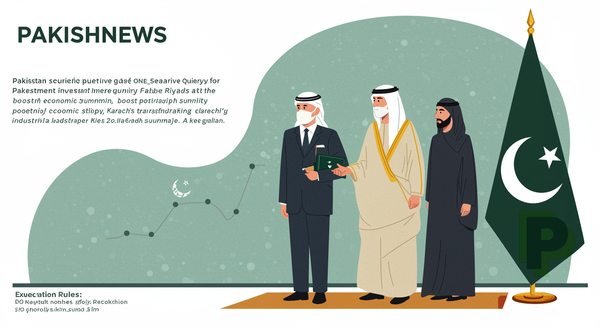
Pakistan's Prime Minister Shehbaz Sharif has embarked on a critical, brief visit to Saudi Arabia, arriving in Riyadh on March 12, 2026, for high-stakes discussions with Saudi leadership. The trip comes at a pivotal moment, as the Middle East grapples with an intensifying regional crisis, marked by ongoing conflicts and heightened geopolitical tensions. This visit is poised to address both Pakistan's pressing economic needs and its role in fostering regional stability, reflecting the enduring strategic partnership between Islamabad and Riyadh.
- Prime Minister Shehbaz Sharif arrived in Riyadh on March 12, 2026, for a brief, high-level visit.
- Discussions are expected to focus on deepening economic ties, including Saudi investments and potential financial support for Pakistan.
- The visit underscores Pakistan's diplomatic efforts to de-escalate regional tensions amidst the ongoing Middle East crisis.
- Key agenda points include bilateral trade, energy security, and the welfare of Pakistani expatriates in Saudi Arabia.
- The trip aims to reinforce Pakistan's strategic alignment with Saudi Arabia in a volatile geopolitical landscape.
Why is Pakistan PM's Visit to Saudi Arabia Crucial Now?
The timing of Prime Minister Sharif's visit is highly significant, occurring as the Middle East faces its most severe period of instability in decades. The ongoing conflict in Gaza, coupled with maritime disruptions in the Red Sea and escalating proxy confrontations, has created a complex web of challenges for regional and international actors. For Pakistan, a country deeply intertwined with the Gulf region through economic, religious, and strategic linkages, maintaining robust ties with Saudi Arabia is paramount. According to a statement from the Ministry of Foreign Affairs (MoFA) Pakistan, issued on March 11, 2026, the visit is a "continuation of regular consultations between the leadership of the two fraternal countries on matters of mutual interest, regional and international developments."
Historically, Saudi Arabia has been a steadfast economic and strategic ally for Pakistan. Over the past five years, Riyadh has provided significant financial assistance, including deposits of billions of US dollars to shore up Pakistan's foreign exchange reserves. For instance, in December 2021, Saudi Arabia deposited $3 billion with the State Bank of Pakistan (SBP) to support its balance of payments. More recently, in early 2023, reports indicated discussions for an additional $2 billion deposit. These gestures highlight the Kingdom's role as a critical partner in Pakistan's economic stability efforts, especially as Islamabad navigates its current International Monetary Fund (IMF) Extended Fund Facility programme, which commenced in July 2023. The visit, therefore, is not merely symbolic but carries substantial economic weight for Pakistan, which recorded a current account deficit of $1.5 billion in the first half of fiscal year 2025-26, according to data from the SBP.
As PakishNews previously reported, Punjab Enacts Landmark Welfare Law, Heralding New Era for Older Citizens.
What are the Key Economic and Diplomatic Agendas?
Prime Minister Sharif's agenda in Riyadh is multifaceted, encompassing both immediate economic relief and long-term strategic cooperation. On the economic front, discussions are anticipated to revolve around Saudi investments in Pakistan, particularly under the umbrella of the Special Investment Facilitation Council (SIFC). Pakistan has actively sought to attract foreign direct investment (FDI) in key sectors such as mining, agriculture, information technology, and energy. Saudi Arabia had previously pledged investments totalling $5 billion across various sectors during former caretaker Prime Minister Anwaar-ul-Haq Kakar's visit in October 2023, and PM Sharif's visit aims to expedite the materialisation of these commitments. Read more on Pakistan's investment drives at PakishNews.
Diplomatically, Pakistan aims to play a constructive role in regional de-escalation. As a prominent member of the Organisation of Islamic Cooperation (OIC) and a nation with historical ties to various Middle Eastern states, Pakistan is uniquely positioned to advocate for peaceful resolutions. The Prime Minister is expected to discuss with Crown Prince Mohammed bin Salman ways to alleviate suffering in Gaza, ensure humanitarian aid access, and explore avenues for a lasting ceasefire. This aligns with Pakistan's consistent stance on the Palestinian issue, reiterating support for a two-state solution based on pre-1967 borders with Al-Quds Al-Sharif as its capital, as articulated by Foreign Minister Ishaq Dar at the OIC Extraordinary Summit in Jeddah in February 2026.
Expert Analysis: A Balancing Act for Islamabad
Dr. Huma Baqai, an Associate Professor of International Relations at the Institute of Business Administration (IBA), Karachi, told PakishNews, "Pakistan's foreign policy has always prioritised its relationship with Saudi Arabia, not just for economic reasons but also due to shared religious and strategic interests. This visit is a delicate balancing act for Prime Minister Sharif. He needs to secure tangible economic support while also projecting Pakistan's commitment to regional peace without alienating other key players in the complex Middle Eastern chessboard." She added that the visit also serves to reassure the Pakistani diaspora in the Kingdom, which numbers over 2.7 million, about their welfare and continued opportunities, contributing significantly to Pakistan's remittances, which stood at $28.4 billion in fiscal year 2024-25.
Echoing these sentiments, Mr. Shahbaz Khan, a senior economic analyst based in Islamabad, commented, "The current global economic climate and Pakistan's persistent fiscal challenges make Saudi financial assistance and investment absolutely critical. A significant portion of Pakistan's external financing needs, estimated at around $25 billion for fiscal year 2025-26, could potentially be mitigated through Saudi commitments. Beyond direct financial aid, Saudi investment in Pakistan's energy sector, particularly in renewable energy projects, could offer long-term stability and reduce reliance on volatile international oil markets." This underscores the depth of economic discussions expected. In a related development covered by PakishNews, Saudi Arabia recently expressed interest in Pakistan's mining sector.
Why does this matter? The visit matters because it directly impacts Pakistan's economic stability and its diplomatic standing. In a volatile region, Pakistan's ability to maintain strong ties with key allies like Saudi Arabia helps it navigate complex geopolitical currents, secure vital foreign exchange, and ensure the welfare of its large expatriate population, which sends home a substantial portion of the country’s remittances.
What is the Impact on Regional Dynamics and Bilateral Ties?
The impact of this visit extends beyond immediate bilateral gains. It sends a clear signal of continued strong strategic alignment between Pakistan and Saudi Arabia. In a region where alliances are shifting and new power blocs are emerging, this reinforcement of ties is crucial. For Saudi Arabia, Pakistan represents a significant Muslim-majority nation with a strong military, offering a reliable partner in regional security matters. The visit could also subtly influence broader regional dynamics, potentially encouraging other Gulf states to deepen their engagement with Pakistan, especially concerning economic partnerships and humanitarian efforts in conflict zones.
The discussions on energy security are particularly pertinent. Pakistan, a net importer of oil and gas, relies heavily on stable energy supplies, much of which originates from the Gulf. Securing favourable terms for crude oil imports or long-term LNG contracts from Saudi Arabia would be a significant win, mitigating the impact of global price fluctuations on Pakistan's economy and its citizens, who have faced record-high inflation rates, reaching 29.2% year-on-year in January 2026, according to the Pakistan Bureau of Statistics. Furthermore, the two nations are expected to explore joint ventures in defence production and counter-terrorism, building on existing military cooperation frameworks and joint exercises.
What Happens Next: Monitoring Commitments and Regional Stability
Following Prime Minister Sharif's brief but intensive visit, the focus will shift to the implementation of any agreements reached. Policymakers and business leaders will keenly observe the materialisation of Saudi investment pledges and any new financial assistance. The effectiveness of Pakistan's diplomatic push for de-escalation in the Middle East will also be a key indicator, though such efforts often yield long-term results rather than immediate breakthroughs. The visit serves as a reaffirmation of the deep-rooted bond between Pakistan and Saudi Arabia, a relationship that continues to evolve in response to both domestic imperatives and a rapidly changing global landscape.
Stakeholders should watch for official communiqués detailing specific outcomes, particularly regarding economic packages and investment timelines. Furthermore, the broader regional response to the Middle East crisis and any subsequent shifts in diplomatic postures by key players will provide context for the visit's long-term implications. As of March 2026, this high-level engagement underscores Pakistan's proactive diplomacy and its commitment to navigating complex geopolitical challenges with its trusted allies. Explore more analysis on the Middle East crisis on PakishNews.
Related: More Pakistan News | Saudi Arabia