
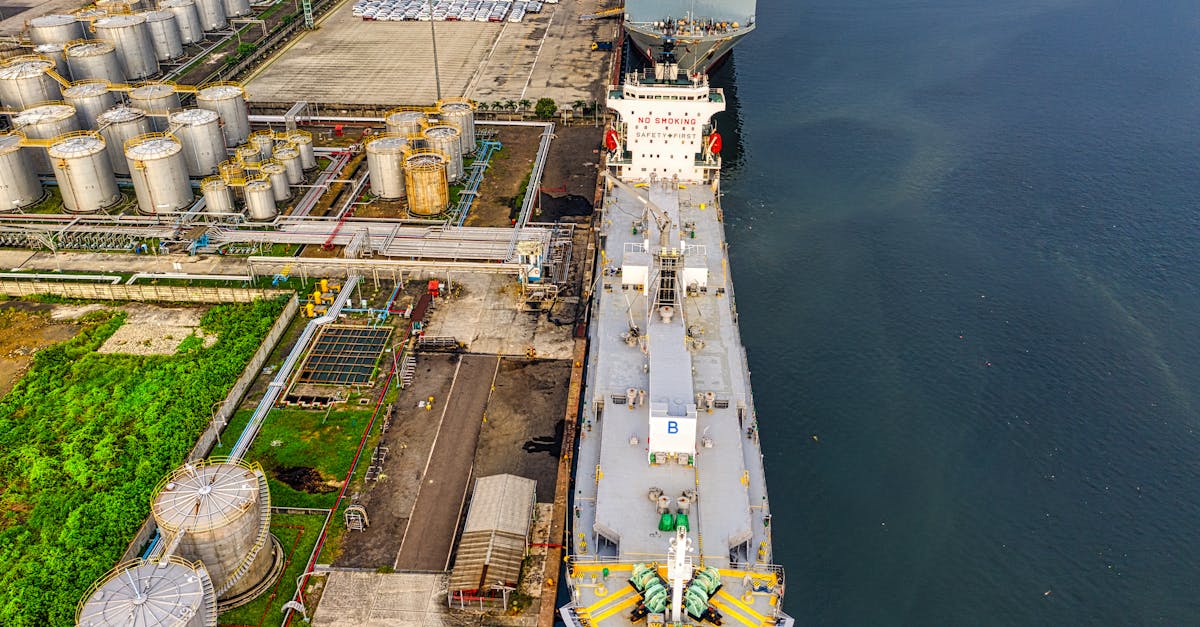
ISLAMABAD – Pakistan today confirmed the impending arrival of three significant oil shipments, a critical development aimed at bolstering the nation's energy reserves amidst the escalating Middle East crisis. These crucial Pakistan oil shipments, vital for sustaining the country's economic activities and ensuring an uninterrupted power supply, are expected to dock at local ports, providing a timely boost to the national energy matrix.
The announcement comes at a challenging time for global energy markets, which have been severely impacted by geopolitical tensions and disruptions in key shipping routes, particularly in the Red Sea. For an import-dependent economy like Pakistan, securing a consistent supply of crude oil and refined petroleum products is paramount to maintaining economic stability and mitigating inflationary pressures.
A senior official from the Ministry of Energy, speaking on condition of anonymity, emphasized the government's proactive measures to navigate the volatile international energy landscape.
"Ensuring an uninterrupted energy supply remains a top national priority, especially given the current global uncertainties," the official stated. "The timely arrival of these three oil shipments reflects our strategic planning and robust engagement with international suppliers to safeguard Pakistan's energy security."
The official added that these consignments include both crude oil for local refineries and refined products to meet immediate consumption demands across various sectors.
Navigating Global Volatility and Supply Chain Disruptions
The Middle East crisis has reverberated across global supply chains, leading to increased shipping costs, longer transit times, and heightened insurance premiums for vessels traversing critical maritime passages. The Red Sea, a vital artery for East-West trade, has witnessed significant disruptions, compelling many shipping companies to reroute vessels around the Cape of Good Hope. This extended journey adds weeks to delivery schedules and substantially inflates freight charges, directly impacting the landed cost of imported commodities, including oil.
For Pakistan, a nation that relies heavily on imported oil to fuel its transportation, industrial, and power generation sectors, these global developments pose a significant challenge. The government has been actively engaged in diversifying its oil import sources and optimizing logistics to minimize the impact of these disruptions. The confirmation of these Pakistan oil shipments underscores the country's resilience in securing essential resources despite complex international dynamics.
Energy sector analysts commend the government's efforts in managing the supply chain effectively.
"In an environment marked by such high unpredictability, the arrival of these significant oil consignments is a testament to the government's foresight and persistent negotiations," remarked Dr. Asif Mehmood, an independent energy consultant based in Karachi. "It helps to stabilize domestic prices and ensures that industries and consumers do not face immediate shortages, which could otherwise trigger widespread economic distress."
Bolstering Domestic Energy Security and Economic Stability
Pakistan's energy mix is predominantly thermal, with oil and gas accounting for a substantial portion of its primary energy supply. Therefore, maintaining strategic oil reserves and ensuring a continuous flow of imports are critical for national energy security. The arrival of these three Pakistan oil shipments will contribute significantly to the country's strategic petroleum reserves, offering a buffer against future price volatility and supply shocks.
Economically, a stable supply of oil is crucial for managing inflation. Fluctuations in international oil prices directly impact the cost of fuel, electricity generation, and transportation, which in turn affect the prices of essential goods and services. By securing these shipments, the government aims to shield consumers and industries from the full brunt of global price hikes, thereby contributing to broader economic stability.
The petroleum division, under the Ministry of Energy, has been working closely with state-owned enterprises like Pakistan State Oil (PSO) and private importers to streamline the procurement process and ensure efficient offloading at ports such as Karachi Port and Port Qasim. These ports are equipped to handle large crude oil tankers and product carriers, playing a pivotal role in the nation's energy logistics.
Strategic Planning and Future Outlook
While the immediate relief provided by these shipments is significant, Pakistan's long-term energy strategy involves a multi-pronged approach. This includes enhancing domestic oil and gas exploration, investing in renewable energy projects, and improving energy efficiency across all sectors. The government is also exploring new avenues for energy cooperation with friendly countries to further diversify its import portfolio and reduce reliance on a single region.
The ongoing Middle East crisis serves as a stark reminder of the vulnerabilities inherent in global energy supply chains and reinforces the urgency for nations to build robust and diversified energy security frameworks. Pakistan's proactive steps in securing these vital oil shipments demonstrate its commitment to navigating these complex challenges while safeguarding its national interests.
As the geopolitical landscape continues to evolve, the government remains vigilant, constantly monitoring international developments and adjusting its energy procurement strategies accordingly. The arrival of these shipments today is a testament to Pakistan's sustained efforts to ensure energy resilience and support its economic growth trajectory amidst global uncertainties.