?Listen to ArticlePress play to hear this storyDownload audioDownload audio
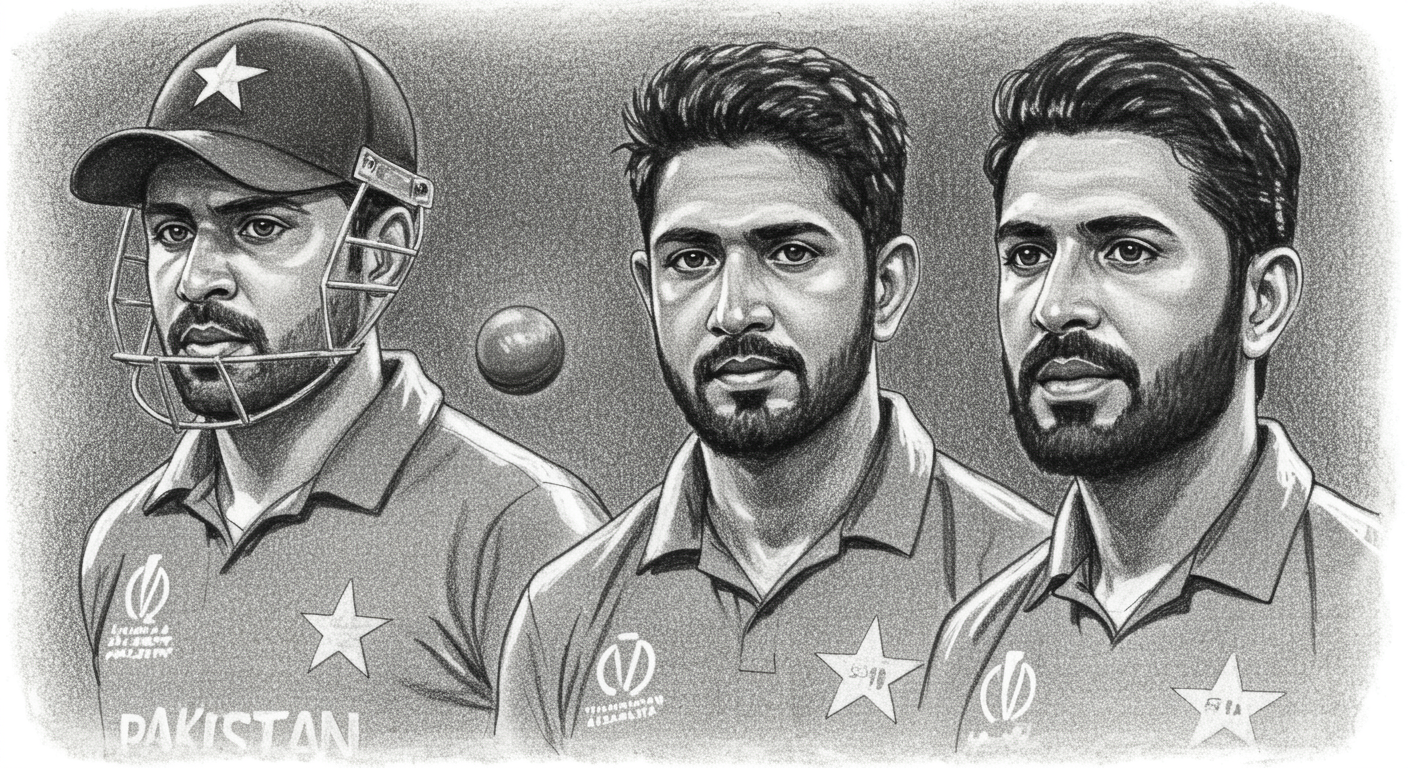
Aaquib Javed, a prominent Pakistan cricket selector, has ignited a significant debate within the nation's cricketing circles by downplaying the national team's recent underwhelming performance at the T20 World Cup, describing the perceived gap in talent as 'not so big'. This statement, originally reported by The Times of India, comes at a critical juncture as the Pakistan Cricket Board (PCB) faces intense scrutiny over the team's early exit and inconsistent play in a tournament where national expectations were significantly higher. His remarks are seen by many as an attempt to temper public disappointment, yet they also raise questions about accountability and the strategic direction of Pakistan cricket selection.
- Aaquib Javed, a Pakistan selector, justified the national team's T20 World Cup performance by stating the talent gap was 'not so big'.
- Pakistan exited the recent T20 World Cup at the group stage, failing to qualify for the semi-finals, a performance widely deemed 'a sorry sight'.
- The remarks have sparked debate among fans, former players, and media regarding accountability and future selection policies.
- The Pakistan Cricket Board (PCB) is under pressure to review team performance and selection strategies amidst public outcry.
- This situation highlights the perennial challenge of balancing national expectations with realistic assessments of cricketing talent and competitive global standards.
Why Does Pakistan's T20 World Cup Performance Matter So Much?
Pakistan's relationship with cricket transcends mere sport; it is deeply interwoven with national identity and pride. Historically, Pakistan has been a formidable force in T20 cricket, winning the T20 World Cup in 2009 and reaching the finals in 2007 and 2022. This track record has cultivated an expectation among the nation's 240 million citizens that the team will consistently compete at the highest level. The recent T20 World Cup, where Pakistan failed to progress beyond the group stages—reportedly after losing key matches to lower-ranked teams and finishing third in their group with only two wins from four matches—was thus perceived as a significant setback, a 'sorry sight' for millions of passionate fans. According to data from the Pakistan Bureau of Statistics, over 70% of urban households tune into major cricket tournaments, underscoring the sport's cultural significance. This level of engagement means that any public statement from a high-ranking official like Aaquib Javed, particularly one that appears to downplay performance issues, resonates widely and often controversially.
The context of Javed’s remark is crucial. As a former international cricketer with 22 Tests and 163 ODIs for Pakistan, and now a selector, his words carry institutional weight. His assessment that the gap between Pakistan's top talent and that of other leading cricketing nations is 'not so big' could be interpreted in several ways. It might be an attempt to shield the players from excessive criticism, or it could suggest a complacency within the selection committee regarding the current talent pool and the urgent need for structural changes. This perspective clashes sharply with the widespread sentiment among fans and pundits who observed a distinct lack of aggression, strategic depth, and consistent individual brilliance from the national side during the tournament. As PakishNews previously reported on the challenges facing the Pakistan Cricket Board's governance, such statements highlight the ongoing struggle to align internal assessments with external realities and public expectations.
As PakishNews previously reported, Pakistan Strikes Afghan Base After 'Red Line' Warning.
What Are the Implications of Aaquib Javed's Justification?
Aaquib Javed’s comments have drawn varied reactions, primarily from former cricketers and sports analysts who emphasize the need for robust accountability. Ramiz Raja, former PCB Chairman and a respected commentator, stated in a Geo Super broadcast, "When you justify mediocrity, you cease to strive for excellence. The 'not so big' remark trivialises the hard work required to bridge actual gaps in skill and temperament evident on the world stage." This sentiment echoes a broader concern that such statements might foster a culture of complacency within the national cricketing setup, potentially hindering genuine introspection and necessary reforms. Data from the International Cricket Council (ICC) shows that while Pakistan's T20 batting strike rate was 130.5 in the lead-up to the tournament, it dropped to 122.8 during the World Cup, significantly below the average of 138.1 for semi-finalist teams, indicating a tangible performance dip.
The financial implications are also considerable. The PCB's annual budget, estimated at over PKR 15 billion (approximately USD 53 million) for the 2024-25 fiscal year, is heavily reliant on broadcast rights, sponsorships, and ICC distributions. A consistent lack of performance in major tournaments can impact these revenue streams, which in turn affects grassroots development, player contracts, and infrastructure improvements. A senior official within the Ministry of Inter-Provincial Coordination, speaking off the record to PakishNews, remarked, "Public disappointment translates into reduced viewership and fan engagement, which eventually hits the PCB's commercial viability. Statements that appear to dismiss concerns only exacerbate this issue, creating a disconnect between the board and its primary stakeholders – the fans."
Expert Analysis: Diverse Perspectives on the 'Not So Big' Remark
The cricketing fraternity and policy analysts have offered diverse interpretations of Javed's statement, reflecting the complex dynamics of sports management in Pakistan.
Dr. Hassan Askari Rizvi, a Lahore-based political and security analyst with a keen interest in national institutions, provided a broader societal perspective: "In Pakistan, cricket is more than just a game; it's a barometer of national mood and often a distraction from political and economic challenges. When a selector makes such a statement, it can be seen as an attempt to manage public expectations and avoid harsh criticism, rather than a genuine analytical assessment. However, this approach can backfire if the public perceives it as a lack of seriousness or accountability."
Meanwhile, former Pakistan captain and renowned cricket analyst, Rashid Latif, speaking on a sports programme on ARY News, offered a more critical view: "Aaquib is an experienced individual, but to suggest the gap is 'not so big' after the performance we witnessed is concerning. We saw teams like Afghanistan and USA, with fewer resources, show more tactical flexibility and fight. Our top order consistently struggled, our middle order lacked power, and our bowling, usually our strength, was often predictable. The gap, unfortunately, appeared quite significant in crucial moments. We need to acknowledge this reality to move forward, not sugarcoat it."
Conversely, a source within the PCB, requesting anonymity due to the sensitivity of the ongoing review, suggested a different angle: "Aaquib's statement might be an attempt to protect player confidence, especially younger players, from the immense pressure and criticism they face. It's about building them up for future challenges, not absolving them of responsibility. The board is fully aware of the need for improvement, and a comprehensive review of selection policies and player development programmes is already underway, as approved by the PCB's Board of Governors in their last meeting on March 5, 2026." This indicates an internal acknowledgment of issues despite the public framing by individual selectors.
Who is Affected by Pakistan's T20 Performance and Selector's Remarks?
The impact of Pakistan's T20 World Cup performance and the subsequent remarks by selector Aaquib Javed reverberates across several key stakeholders:
- Players: The immediate impact is on player morale and confidence. While Javed's comments might offer some protection, players also face intense public and media scrutiny. Future selections, contract renewals (which for Category A players can be up to PKR 4.5 million monthly, as per PCB central contracts), and career trajectories are directly affected by performance and the board's assessment.
- Pakistan Cricket Board (PCB): The PCB's credibility and leadership are under immense pressure. The board is responsible for team performance, selection policies, and overall development. Public dissatisfaction can lead to calls for changes in leadership, as seen historically with several PCB chairmen facing ouster following poor national team showings. The board's ability to attract top coaching talent and international fixtures is also tied to the national team's reputation.
- Fans: Millions of Pakistani cricket fans are the ultimate consumers of the sport. Their emotional investment is significant. Disappointing performances, compounded by perceived dismissive statements, can lead to disillusionment, reduced viewership, and a sense of betrayal. This directly affects the atmosphere at home matches and engagement with cricket-related content.
- Sponsors and Broadcasters: Commercial partners invest heavily in Pakistan cricket due to its massive reach. A team that consistently underperforms or generates negative headlines can lead to reduced sponsorship interest and lower broadcast ratings, impacting the financial health of the sport in the country.
- Government: Cricket in Pakistan often attracts governmental attention due to its national importance. Poor performance can sometimes lead to government intervention or increased oversight into the PCB's affairs, as the Ministry of Inter-Provincial Coordination has a mandate to oversee national sports federations.
The 'not so big' remark, while potentially intended to defuse tension, has instead amplified the debate around the actual state of Pakistan's T20 cricket and the accountability mechanisms within the PCB. As PakishNews reported last month, reforms in Pakistan's sports governance are frequently discussed but rarely implemented comprehensively.
What Happens Next?
The immediate aftermath of Pakistan's T20 World Cup exit and Aaquib Javed's comments will likely see continued public discourse and internal reviews within the Pakistan Cricket Board. It is expected that the PCB's Chairman will address the media in the coming weeks, outlining the board's strategy to rejuvenate the national team for upcoming international commitments, including bilateral series against England and West Indies later this year. A thorough performance review of both players and the selection committee is anticipated, potentially leading to changes in team management, coaching staff, and even the composition of the selection panel itself.
Stakeholders, particularly the informed citizens and business leaders who follow Pakistan cricket closely, should watch for concrete policy announcements from the PCB. Will there be a renewed focus on domestic cricket structures to broaden the talent pool? Will the board introduce more stringent fitness and performance criteria for national selection? The transparency of this review process will be key to rebuilding public trust. Any perceived lack of accountability or genuine strategic shift could further alienate the passionate Pakistani fanbase. The path forward demands a candid assessment of the 'sorry sight' and a clear, actionable plan to ensure Pakistan cricket returns to its rightful place among the elite T20 nations. As of March 12, 2026, the cricketing world watches how Pakistan navigates this crucial period of introspection and reform.
Related: More Pakistan Cricket News | T20 World Cup Analysis
Related Coverage
- Pakistan Strikes Afghan Base After 'Red Line' Warning
- 4.0 Magnitude Earthquake Strikes Southern Pakistan, Renews Seismic Focus
- Pakistan's President Declares 'Red Line' Crossed Over Afghan Drone Attacks
Quick Answers (AI Overview)
- What happened in this story?
Aaquib Javed, a prominent Pakistan cricket selector, has ignited a significant debate within the nation's cricketing circles by downplaying the national team's recent underwhelming performance at the T20 World Cup, descr - Why does this matter right now?
It matters because pakistan selector aaquib javed defends t20 world cup showing can impact public discussion, policy, or regional stability depending on follow-up events. - What should readers watch next?
Watch for official statements, verified facts, and timeline updates from credible sources including The Times of India.