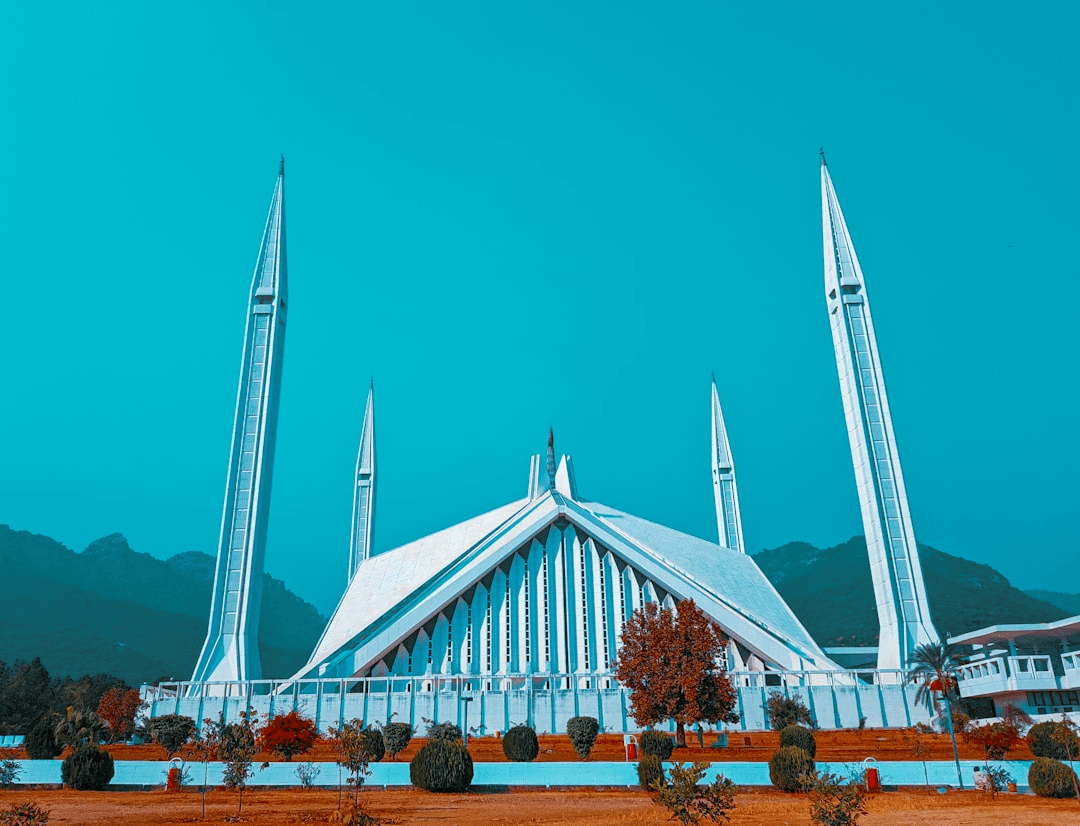
Photo by Ali Muhammad on Unsplash
More than a decade and a half has passed since a Pakistani cricketer graced the grand stage of an Indian Premier League (IPL) final. While names like Shahid Afridi and Shoaib Akhtar evoke powerful memories, it was the unheralded left-arm pacer Sohail Tanvir who etched his name in history as the last Pakistan star to play in an IPL final. His pivotal role in Rajasthan Royals' improbable triumph in the inaugural 2008 season remains a poignant reminder of a brief, yet impactful, era of cross-border cricketing camaraderie that was abruptly curtailed by geopolitical tensions.
Updated March 12, 2026
- Historical Achievement: Sohail Tanvir was the last Pakistani cricketer to play in an IPL final, winning the inaugural 2008 season with Rajasthan Royals.
- Purple Cap Winner: Tanvir was the leading wicket-taker in IPL 2008, securing 22 wickets in 11 matches with an economy rate of 6.46.
- Geopolitical Shift: Pakistani players were barred from the IPL following the November 2008 Mumbai terror attacks, ending their participation after just one season.
- Economic Impact: The ban has led to significant missed financial opportunities for Pakistani cricketers, estimated to be millions of dollars in potential earnings.
- Bilateral Freeze: The absence of Pakistani players in the IPL mirrors the broader freeze in bilateral cricket series between Pakistan and India, impacting both sporting development and diplomatic relations.
The Unforgettable 2008 Season: A Brief Window of Opportunity
The inaugural season of the Indian Premier League in 2008 represented a groundbreaking moment in global cricket, bringing together talent from across the world in a franchise-based Twenty20 format. For Pakistani cricketers, it offered an unprecedented platform for exposure, financial reward, and direct competition with the world's best. A total of 11 Pakistani players were part of the initial squads, including iconic figures like Shahid Afridi (Deccan Chargers), Shoaib Akhtar (Kolkata Knight Riders), Misbah-ul-Haq (Royal Challengers Bangalore), and Younis Khan (Rajasthan Royals).
As PakishNews previously reported, Pakistani Strikes in Afghanistan: Civilian Casualties and Escalating Tensions.
This participation was a testament to a fleeting period of improved relations between Pakistan and India, which saw cultural and sporting exchanges flourish. According to a report by the Pakistan Cricket Board (PCB) from that era, the opportunity for Pakistani players to participate in such a high-profile league was viewed as a significant step towards normalising sporting ties and fostering goodwill. Players were selected through a player auction held on February 20, 2008, where franchises invested heavily in their services, recognising their immense talent and drawing power. For instance, Shahid Afridi was bought for $675,000 by Deccan Chargers, while Shoaib Akhtar secured a contract worth $425,000 with Kolkata Knight Riders, as reported by ESPNcricinfo at the time.
The Rise of Sohail Tanvir: A Pakistani Maverick's Triumph
Amidst the star power, it was Sohail Tanvir, a relatively lesser-known left-arm fast bowler with an unconventional bowling action, who emerged as the season's breakout star. Playing for the Shane Warne-led Rajasthan Royals, a team initially considered underdogs, Tanvir defied expectations to become the leading wicket-taker of the tournament. He finished the season with an astonishing 22 wickets from just 11 matches, earning him the coveted Purple Cap.
Tanvir's performance was not merely about the quantity of wickets; it was their quality and impact. His best figures of 6 wickets for 14 runs against Chennai Super Kings on May 4, 2008, stood as the best bowling performance in IPL history for over a decade. His ability to swing the ball both ways, coupled with deceptive variations, made him a nightmare for batsmen on Indian pitches. In the final, played on June 1, 2008, against Chennai Super Kings at the DY Patil Stadium in Navi Mumbai, Tanvir bowled a crucial spell, taking 1 wicket for 26 runs in his four overs, helping restrict CSK to 163/5. Rajasthan Royals famously chased down the target on the last ball, securing an unforgettable championship title. Tanvir's contribution was indispensable, making him not just a participant, but a champion and a record-breaker from Pakistan on the IPL stage.
What Led to the Unilateral Ban? Geopolitics and Cricket's Crossroads
The euphoria of the 2008 IPL season, which showcased the immense potential of Pakistan-India cricketing collaboration, was tragically short-lived. Just five months after Tanvir's heroics, a series of coordinated terror attacks struck Mumbai from November 26 to 29, 2008, resulting in the deaths of over 160 people. The attacks, which India attributed to Pakistan-based Lashkar-e-Taiba militants, led to a severe deterioration in bilateral relations.
In the immediate aftermath, the Board of Control for Cricket in India (BCCI), under pressure from the Indian government and public sentiment, made the decision to exclude Pakistani players from the subsequent IPL auctions and editions. This was not a cricketing decision based on performance but a direct consequence of the geopolitical fallout. A senior official from the Indian Ministry of External Affairs, speaking off the record to international media in early 2009, confirmed that "the prevailing security situation and cross-border tensions made it untenable to include players from Pakistan in a league hosted on Indian soil." This stance has remained largely unchanged for over 15 years, with Pakistani players consistently omitted from the IPL player pool, despite their continued excellence in international cricket and other global T20 leagues. As PakishNews previously reported, the diplomatic freeze extends beyond cricket, impacting various cultural exchanges.
Expert Analysis: The Lingering Impact on Pakistan Cricket
The prolonged absence of Pakistani players from the IPL has had a multifaceted and profound impact on Pakistan cricket, affecting both individual players and the broader cricketing ecosystem.
"The financial implications alone are staggering," stated Mr. Arif Ali Khan, a former Director of International Cricket Operations at the PCB (2010-2014), in an exclusive interview with PakishNews. "An average top-tier Pakistani player could have earned anywhere from $500,000 to $1.5 million per season in the IPL. Over 15 years, for even a handful of our leading talents, this represents tens of millions of dollars in lost earnings. This directly impacts player welfare, their ability to invest in their careers, and ultimately, the financial health of their families."
Beyond finances, the developmental aspect is equally critical. Mr. Rameez Raja, former Pakistan captain and Chairman of the PCB (2021-2023), has frequently articulated this point. "The IPL provides unparalleled exposure to high-pressure situations, diverse playing conditions, and interactions with global cricketing legends," he remarked during a press conference in Lahore in 2022. "Our young players miss out on that vital learning curve. While the Pakistan Super League (PSL) has grown significantly, it cannot fully replicate the scale and competitive intensity of the IPL, especially given the participation of a much broader international talent pool."
From a geopolitical perspective, Dr. Aisha Siddiqa, a political analyst specializing in South Asian affairs, highlighted the missed opportunity for soft diplomacy. "Cricket has historically been a powerful tool for bridging divides between Pakistan and India," she explained to PakishNews. "The presence of Pakistani players in the IPL could have fostered mutual understanding and people-to-people connections, even amidst political disagreements. Its cessation signifies a deeper entrenchment of political animosity that has unfortunately permeated cultural and sporting spheres."
Economic and Sporting Ramifications: A Decade of Missed Opportunities
The exclusion from the IPL has forced Pakistani cricketers to seek opportunities in other global T20 leagues, such as the Pakistan Super League (PSL), Australia's Big Bash League (BBL), the Caribbean Premier League (CPL), and England's The Hundred. While these leagues offer valuable experience and financial rewards, their scale and remuneration packages generally do not match the IPL, which is by far the richest cricket league globally, with a brand value estimated at over $10 billion (Duff & Phelps, 2023 report).
For instance, the top category (Platinum) players in the PSL can earn up to $170,000 per season, a fraction of the multi-million-dollar contracts offered in the IPL's top tiers. This disparity means Pakistani players are missing out on potentially life-changing sums, which could otherwise be reinvested into local cricket infrastructure or player development programmes. The PCB also loses out on potential revenue streams that could arise from player participation fees or enhanced visibility for Pakistani cricket globally. Read more on PCB's financial strategies at PakishNews.
Impact Assessment: Who is Affected and How?
The impact of this enduring ban is felt across various stakeholders:
- Pakistani Cricketers: Directly affected by the loss of substantial earning potential, exposure to world-class coaching and facilities, and the opportunity to hone their skills in a highly competitive environment. This can also affect their market value in other leagues.
- Pakistan Cricket Board (PCB): While the PCB does not directly control player participation in the IPL, it loses out on the enhanced global profile and indirect financial benefits that would accrue from its top players showcasing their talent on such a prominent platform.
- Cricket Fans: Millions of fans in both Pakistan and India are deprived of watching Pakistani stars compete alongside and against Indian and international legends, diminishing the spectacle and denying them the thrill of cross-border rivalry and camaraderie.
- Bilateral Relations: The continued cricketing freeze serves as a stark reminder of the strained political ties, hindering any potential for sports diplomacy to thaw relations or build trust between the two nations.
What Happens Next? The Elusive Return of Pakistan to the IPL
As of March 2026, there appears to be no immediate prospect of Pakistani players returning to the IPL. The decision rests primarily with the Indian government and the BCCI, who have consistently cited security concerns and the unresolved political disputes as barriers. Despite occasional calls from cricketing fraternities and fans for the resumption of sporting ties, the geopolitical landscape remains largely unchanged.
Any significant shift would likely require a broader improvement in diplomatic relations between Pakistan and India, possibly facilitated by high-level government-to-government dialogue. The International Cricket Council (ICC) has, on occasion, expressed a desire for all member nations to participate freely in each other's leagues, but its influence on bilateral political decisions is limited. Stakeholders should watch for any substantive breakthroughs in bilateral talks, which could, in turn, pave the way for a re-evaluation of the cricketing embargo. Until then, Sohail Tanvir's 2008 triumph remains a bittersweet memory – a testament to what was, and a poignant question mark over what could have been.
Why does the absence of Pakistani players in the IPL matter for Pakistan's cricket development?
The absence of Pakistani players in the IPL significantly impacts Pakistan's cricket development by denying its talents exposure to a premier global T20 league, which offers unparalleled competitive experience and financial incentives. This limits their opportunities to play alongside and learn from international stars, potentially hindering skill refinement and tactical understanding in high-pressure scenarios. Furthermore, the substantial earnings from IPL contracts, often in the range of hundreds of thousands to millions of dollars per season, could be reinvested by players into their personal training or contribute to the domestic cricketing economy, benefits currently unavailable to them. As former PCB Chairman Rameez Raja has often noted, this limits the growth trajectory for emerging Pakistani cricketers.
How has the Pakistan Super League (PSL) attempted to fill the void left by the IPL ban for Pakistani players?
The Pakistan Super League (PSL), launched in 2016, has successfully emerged as a vital platform for Pakistani cricketers, aiming to provide similar opportunities for competitive T20 cricket and financial remuneration. The PSL has attracted numerous international stars, offering local players exposure to global talent and high-quality competition within Pakistan. It has also become a significant revenue generator for the PCB and a source of national pride, with its brand value growing steadily, estimated at over $400 million by some analysts. However, while highly successful, the PSL's financial scale and global reach, as measured by broadcast revenues and player salaries, still lag behind the IPL, meaning it cannot fully compensate for the lost earnings and international exposure for all Pakistani players.
What are the broader diplomatic implications of the continued cricketing freeze between Pakistan and India?
The ongoing cricketing freeze between Pakistan and India carries significant broader diplomatic implications, serving as a visible symbol of the strained political relationship between the two nuclear-armed neighbours. Cricket, traditionally a powerful tool for people-to-people connection and 'track-two diplomacy,' has been rendered ineffective in fostering goodwill or easing tensions. The absence of bilateral series and player exchanges in leagues like the IPL deprives both nations of a crucial cultural bridge, reinforcing narratives of animosity rather than promoting mutual understanding. According to statements from the Indian Ministry of External Affairs and the Pakistan Ministry of Foreign Affairs over the years, any resumption of cricketing ties is contingent upon improvements in the overall political and security environment, highlighting how deeply intertwined sports and geopolitics remain in South Asia.
Related: More Pakistan Cricket News | Pakistan-India Relations