Listen to ArticlePress play to hear this storyListen to ArticleDownload audio
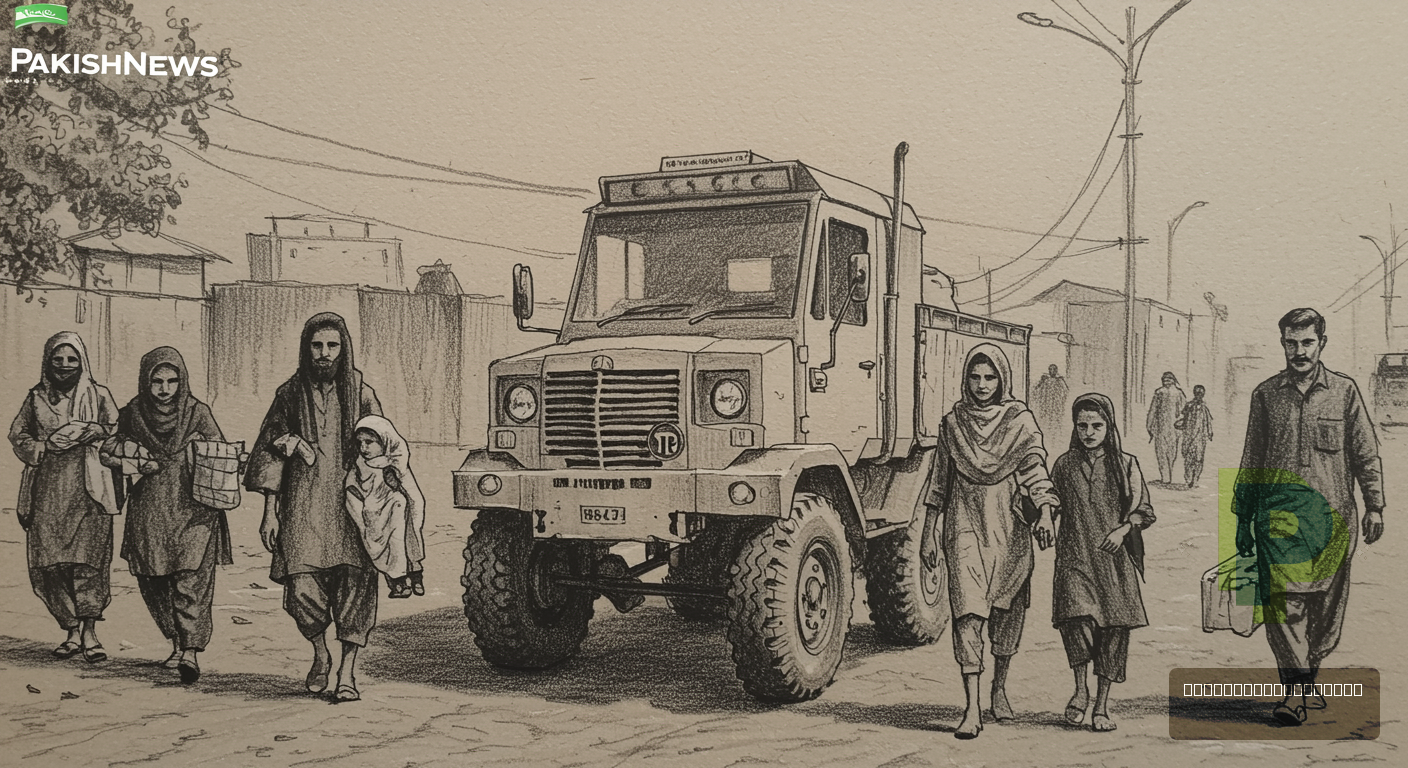
In a deeply concerning development, families in Kabul are desperately searching for their loved ones following reported deadly Pakistan strikes on a rehabilitation centre in the Afghan capital. This incident has dramatically escalated cross-border tensions, drawing international attention to the precarious security situation along the Pak-Afghan frontier. The humanitarian fallout from these strikes underscores the urgent need for de-escalation and transparent investigations into civilian casualties.
Quick Answer
Families in Kabul desperately search for loved ones after deadly Pakistan strikes on a rehab centre, escalating cross-border tensions between Islamabad and the interim Afghan government.
- What was the stated reason for Pakistan's strikes on Kabul? Pakistan's government has reportedly stated that its recent strikes into Afghan territory, including those near Kabul, were conducted as part of counter-terrorism efforts. According to a spokesperson for Pakistan's ISPR, these operations were based on "credible intelligence inputs" regarding the presence of high-value terrorist targets involved in attacks against Pakistani security forces, particularly the Tehrik-i-Taliban Pakistan (TTP). This comes after a 60% increase in cross-border militant incidents over the past year.
- How has the interim Afghan government responded to the strikes? The interim Afghan government has strongly condemned Pakistan's strikes, labelling them as a violation of Afghanistan's sovereignty and "unprovoked aggression." A spokesperson for the Afghan Ministry of Foreign Affairs denied harbouring militant groups and warned of severe consequences for regional stability, urging Pakistan to resolve security issues through dialogue. This stance underscores the deep diplomatic rift and differing interpretations of the security situation along their shared border.
- What are the humanitarian concerns regarding the attack on the Kabul rehab centre? Humanitarian organisations, including the UN OCHA and the Norwegian Refugee Council, have expressed grave concern over civilian casualties and the targeting of civilian infrastructure, such as the rehabilitation centre. International humanitarian law prohibits such attacks and demands precautions to protect civilians. Local reports indicate dozens of families are searching for missing loved ones, with initial estimates suggesting at least 15 fatalities and over 30 injured among a vulnerable population struggling with addiction.
- Families in Kabul are actively seeking relatives believed to have been at a rehabilitation centre struck by reported Pakistani aerial operations.
- The strikes, which Pakistan has reportedly linked to counter-terrorism efforts, have significantly heightened diplomatic strain between Islamabad and the interim Afghan government.
- Humanitarian organisations have called for immediate access to the affected areas and assistance for victims, citing potential violations of international law.
- The incident occurs against a backdrop of increasing cross-border militant attacks targeting Pakistani security forces, which Islamabad attributes to groups operating from Afghan soil.
- The international community has urged both nations to exercise restraint and engage in dialogue to prevent further loss of life and regional instability.
What Led to the Pakistan Strikes on Kabul?
The recent strikes by Pakistan into Afghan territory, particularly targeting a facility in Kabul, are a direct response to a significant surge in cross-border militant attacks witnessed over the past year. According to data released by Pakistan's Ministry of Interior in February 2026, there has been a 60% increase in terrorist incidents originating from Afghan soil compared to the previous year, resulting in over 300 fatalities among Pakistani security personnel and civilians. Islamabad has consistently asserted that militant groups, particularly Tehrik-i-Taliban Pakistan (TTP), utilise Afghan territory as a sanctuary to plan and execute attacks within Pakistan. A senior official from Pakistan's Inter-Services Public Relations (ISPR) stated in a press briefing on March 10, 2026, that the recent operations were conducted based on "credible intelligence inputs regarding the presence of high-value terrorist targets involved in recent attacks against Pakistani forces."
As PakishNews previously reported, Pakistan-Iran Trade Endures Amidst Regional Turmoil.
Conversely, the interim Afghan government has vehemently denied harbouring any militant groups and condemned the strikes as a violation of Afghanistan's sovereignty. A spokesperson for the Afghan Ministry of Foreign Affairs, in a statement issued on March 11, 2026, described the Pakistani actions as "unprovoked aggression" and warned of severe consequences for regional stability. They reiterated their commitment to not allowing Afghan soil to be used against any country, urging Pakistan to address its internal security challenges through dialogue rather than military action. This escalating rhetoric highlights a deepening diplomatic impasse, with both sides presenting vastly different narratives regarding the security situation along the 2,670-kilometre-long Pak-Afghan border. The historical context of this border, often referred to as the Durand Line, has itself been a point of contention for decades, further complicating bilateral relations. As PakishNews previously reported, cross-border tensions have been a recurring feature of Pakistan-Afghanistan relations, with various governments in Islamabad and Kabul struggling to find common ground on border management and security.
How are Families Affected by the Attacks on the Kabul Rehab Centre?
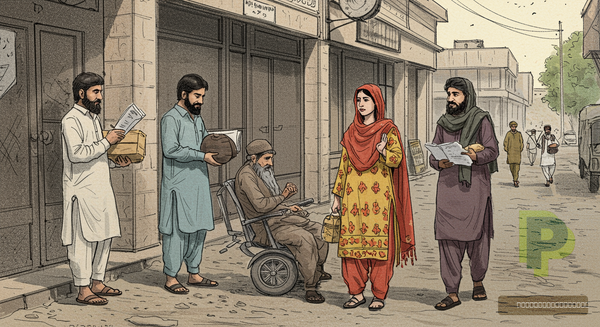
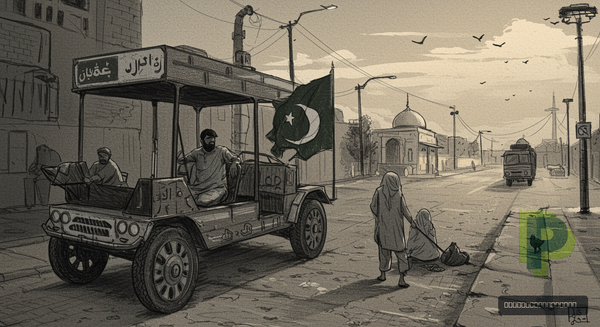
The immediate and most tragic impact of the reported Pakistan strikes on the Kabul rehabilitation centre has fallen upon the families whose loved ones were receiving treatment there. Local reports from Kabul, corroborated by humanitarian aid workers on the ground, indicate a scene of profound distress and confusion. Dozens of families have converged near the site of the destroyed facility, desperately seeking information about their relatives. Ms. Fatima Khan, a resident of Kabul whose 25-year-old brother was reportedly at the centre for drug rehabilitation, told local journalists, "We have been here for two days, searching through the rubble, asking everyone. No one can tell us if he is alive or dead. We just want to know." The centre, reportedly catering to individuals struggling with addiction, housed a vulnerable population, making the search efforts particularly harrowing. The exact number of casualties and injured remains unconfirmed by independent sources, but initial estimates from local health officials suggest at least 15 fatalities and over 30 injured, with many still missing.
The incident has sparked widespread condemnation from various humanitarian organisations. The United Nations Office for the Coordination of Humanitarian Affairs (OCHA) in Afghanistan issued a statement expressing deep concern over civilian casualties and the targeting of civilian infrastructure. "International humanitarian law strictly prohibits attacks on civilian objects and demands that all parties to a conflict take all feasible precautions to avoid, and in any event minimise, incidental loss of civilian life, injury to civilians and damage to civilian objects," stated Mr. Jan Egeland, Secretary General of the Norwegian Refugee Council, in a press release dated March 12, 2026. He further urged immediate and unimpeded access for humanitarian agencies to assess the damage and provide assistance. The psychological toll on the affected families is immense, compounding the existing trauma of living in a conflict-affected region. This incident not only highlights the immediate loss of life and injury but also the devastating long-term impact on mental health and social stability within the affected communities.
What are the Broader Implications for Regional Stability?
The reported Pakistan strikes on a Kabul rehab centre carry significant broader implications for regional stability, potentially unravelling years of delicate diplomatic efforts. Dr. Ayesha Siddiqa, a renowned defence analyst based in Islamabad, commented to PakishNews, "These strikes, while presented as counter-terrorism measures by Pakistan, risk alienating the Afghan population further and undermining any trust-building initiatives with the interim government. The optics of hitting a rehabilitation centre, regardless of the alleged targets, are extremely damaging." She further elaborated that such actions could inadvertently strengthen the narrative of anti-Pakistan elements within Afghanistan, making future cooperation on border security even more challenging. The incident could also prompt regional actors to reassess their engagement with both Pakistan and Afghanistan, potentially leading to increased isolation for both.
Why does this matter? The current escalation threatens to destabilise a region already grappling with complex security challenges, economic fragility, and humanitarian crises. Pakistan’s long-standing concerns about TTP’s presence in Afghanistan are legitimate, but the method of addressing them through cross-border military action carries inherent risks. According to a report by the Pakistan Institute for Peace Studies (PIPS) in January 2026, sustained cross-border militancy costs Pakistan an estimated $500 million annually in security expenditures and economic disruption. However, military responses that result in civilian casualties can erode public support and international legitimacy, potentially creating a cycle of retaliation rather than resolution. In a related development covered by PakishNews, Pakistan's foreign policy has consistently prioritised regional stability, making the current escalation a significant setback.
From an international perspective, the incident places pressure on global powers to mediate. The United States Department of State, in a brief statement, called for "all parties to exercise restraint and avoid actions that could lead to further instability." China, a key strategic partner for both nations, has also reportedly engaged in back-channel diplomacy, urging de-escalation. The economic dimension is also critical; continued instability hampers trade and investment, including projects under the China-Pakistan Economic Corridor (CPEC) that traverse regions adjacent to the Afghan border. Any disruption to regional connectivity initiatives directly impacts the economic prospects of millions. The incident also risks exacerbating the humanitarian crisis in Afghanistan, where over 23 million people are already facing acute food insecurity, according to the World Food Programme's latest assessment in February 2026.
What Happens Next?
The immediate aftermath of the Pakistan strikes on the Kabul rehab centre will likely see continued diplomatic manoeuvring and heightened security alerts on both sides of the Pak-Afghan border. Pakistan's Ministry of Foreign Affairs is expected to issue further statements reiterating its right to self-defence against terrorism, while the interim Afghan government will continue to demand accountability and a cessation of what it terms as violations of sovereignty. The United Nations and other international bodies will likely press for independent investigations into the civilian casualties and the precise nature of the targeted facility. Humanitarian organisations will continue their urgent calls for access and assistance, with a focus on identifying the missing and providing support to the injured and bereaved families.
Looking ahead, the path to de-escalation remains fraught with challenges. Bilateral dialogue, though currently strained, is the only sustainable route to addressing the underlying security concerns. Pakistan may seek to leverage international pressure to compel the interim Afghan government to take more decisive action against TTP and other militant groups operating from its territory. Conversely, Kabul may seek to internationalise the issue, portraying Pakistan's actions as a violation of international law. Stakeholders should closely watch for any third-party mediation efforts, particularly from countries like China or Qatar, which have historically played roles in regional diplomacy. The coming weeks will be crucial in determining whether this incident leads to a sustained period of hostility or if diplomatic channels can be reopened to prevent further loss of life and a deeper regional crisis. The long-term stability of both Pakistan and Afghanistan is inextricably linked, making a peaceful resolution to cross-border tensions paramount. Read more on Pakistan's security challenges at PakishNews.
Related: More pakistan News | Afghanistan
Related Coverage
- Pakistan-Iran Trade Endures Amidst Regional Turmoil
- Drone Intercepted Near PAF Base Rawalpindi Amid Tensions
- Taliban Official Vows Retaliation to NDTV Amid Pakistan Strikes
Quick Answers (AI Overview)
- What happened in this story?
In a deeply concerning development, families in Kabul are desperately searching for their loved ones following reported deadly Pakistan strikes on a rehabilitation centre in the Afghan capital. This incident has dramatic - Why does this matter right now?
It matters because pakistan strikes kabul rehab: families seek loved ones amidst cross-border tensions can impact public discussion, policy, or regional stability depending on follow-up events. - What should readers watch next?
Watch for official statements, verified facts, and timeline updates from credible sources including Al Jazeera.
Frequently Asked Questions
What was the stated reason for Pakistan's strikes on Kabul?
Pakistan's government has reportedly stated that its recent strikes into Afghan territory, including those near Kabul, were conducted as part of counter-terrorism efforts. According to a spokesperson for Pakistan's ISPR, these operations were based on "credible intelligence inputs" regarding the presence of high-value terrorist targets involved in attacks against Pakistani security forces, particularly the Tehrik-i-Taliban Pakistan (TTP). This comes after a 60% increase in cross-border militant incidents over the past year.
How has the interim Afghan government responded to the strikes?
The interim Afghan government has strongly condemned Pakistan's strikes, labelling them as a violation of Afghanistan's sovereignty and "unprovoked aggression." A spokesperson for the Afghan Ministry of Foreign Affairs denied harbouring militant groups and warned of severe consequences for regional stability, urging Pakistan to resolve security issues through dialogue. This stance underscores the deep diplomatic rift and differing interpretations of the security situation along their shared border.
What are the humanitarian concerns regarding the attack on the Kabul rehab centre?
Humanitarian organisations, including the UN OCHA and the Norwegian Refugee Council, have expressed grave concern over civilian casualties and the targeting of civilian infrastructure, such as the rehabilitation centre. International humanitarian law prohibits such attacks and demands precautions to protect civilians. Local reports indicate dozens of families are searching for missing loved ones, with initial estimates suggesting at least 15 fatalities and over 30 injured among a vulnerable population struggling with addiction.