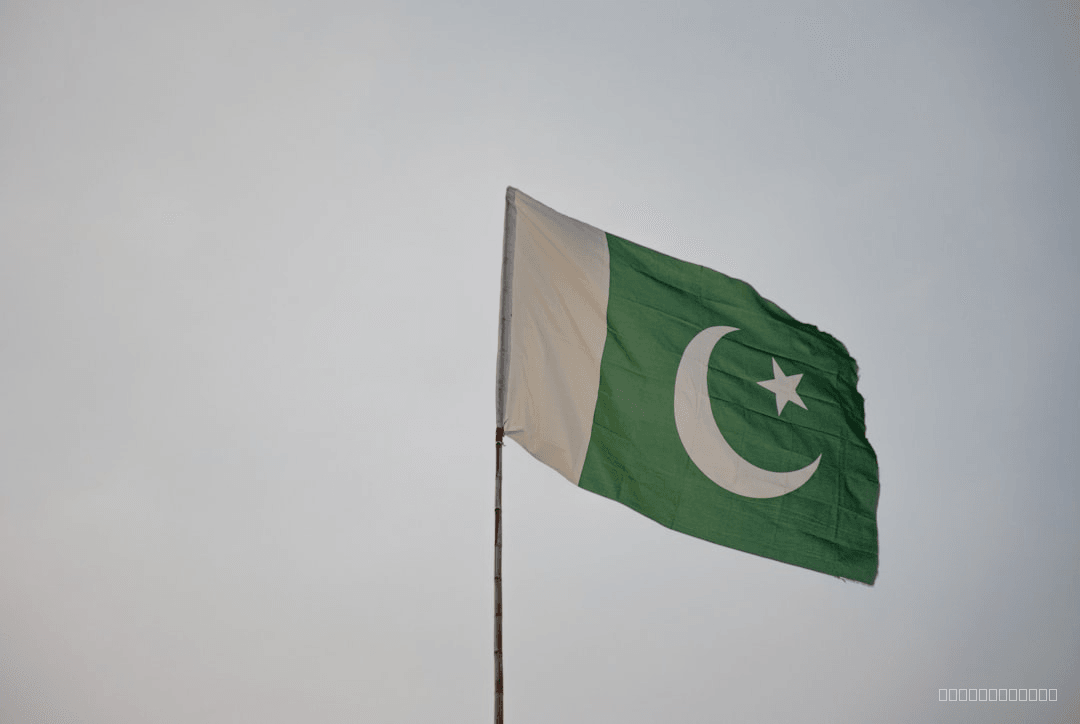
Photo by Hamid Roshaan on Unsplash
Recent Pakistani cross-border strikes into Afghanistan have reportedly resulted in the deaths of six civilians, according to a report by Al Khaleej newspaper. This incident has significantly heightened an already fraught relationship between Islamabad and the interim Afghan administration, drawing international concern over regional stability. The alleged civilian casualties underscore the severe humanitarian and diplomatic risks associated with ongoing cross-border counter-terrorism operations. As of March 2026, the situation remains tense, with both sides issuing strong statements.
- Alleged Civilian Deaths: Al Khaleej newspaper reported six civilian fatalities in Pakistani strikes within Afghanistan.
- Pakistan's Rationale: Islamabad states operations target militant hideouts responsible for cross-border terrorism, particularly the Tehrik-i-Taliban Pakistan (TTP).
- Afghan Response: The interim Afghan government condemns the strikes as a violation of sovereignty and denies harbouring militants.
- Escalating Tensions: The incident marks a severe downturn in Pakistan-Afghanistan relations, impacting diplomatic and trade ties.
- International Concern: Regional and global bodies urge de-escalation and adherence to international law for civilian protection.
Why Are Pakistan-Afghanistan Border Tensions Escalating?
The recent cross-border incident is not an isolated event but rather a critical flashpoint in a prolonged period of escalating tensions between Pakistan and Afghanistan. The core of the issue lies in Pakistan's persistent accusation that the interim Afghan government is failing to curb the activities of anti-Pakistan militant groups, primarily the Tehrik-i-Taliban Pakistan (TTP), operating from Afghan soil. According to data released by the Pakistan Institute for Peace Studies (PIPS), Pakistan witnessed a 57% increase in terrorist attacks in 2025 compared to the previous year, with a significant number of these attacks, particularly in Khyber Pakhtunkhwa and Balochistan, traced back to TTP elements allegedly operating from sanctuaries in Afghanistan. For instance, the deadly attack on a security post in North Waziristan in February 2026, which claimed the lives of four Pakistani soldiers, was attributed by the Inter-Services Public Relations (ISPR) to TTP militants who had reportedly crossed over from Afghanistan. This surge in cross-border terrorism has compelled Pakistan to adopt a more assertive stance, culminating in the recent strikes.
Historically, the porous 2,670-kilometre border, known as the Durand Line, has been a source of contention and instability. Pakistan has repeatedly called upon the Afghan interim administration to take decisive action against the TTP, citing the 2020 Doha Agreement which stipulated that Afghanistan would not be used as a launchpad for attacks against other countries. However, Afghan officials have consistently denied the presence of TTP safe havens, instead urging Pakistan to address its internal security challenges. In a statement issued by the Afghan Ministry of Foreign Affairs in January 2026, spokesperson Abdul Qahar Balkhi reiterated Kabul's commitment to not allowing its soil to be used against any neighbour, while also condemning any unilateral military actions as counterproductive to regional peace. This fundamental disagreement over the presence and handling of militant groups forms the volatile backdrop against which the current crisis is unfolding, making the prospect of diplomatic resolution increasingly challenging. As PakishNews previously reported, the breakdown of peace talks with the TTP in late 2024 further exacerbated this security dilemma, pushing Pakistan towards more direct action. Read more on Pakistan-Afghanistan relations at PakishNews.
As PakishNews previously reported, Bangladesh Win Toss, Field Against Pakistan in Crucial 2nd Dhaka ODI.
What are the Allegations and Official Responses Regarding the Strikes?
The report from Al Khaleej newspaper, published on March 11, 2026, specifically detailed that six civilians, including women and children, were killed in what were described as Pakistani air strikes in the border provinces of Khost and Paktika within Afghanistan. According to unnamed Afghan local officials cited in the Al Khaleej report, the strikes targeted areas deep inside Afghan territory, leading to the unfortunate loss of innocent lives and significant property damage in residential areas. These allegations were swiftly amplified by the interim Afghan government, with a spokesperson for the Ministry of Interior in Kabul issuing a strong condemnation, stating that such actions are a clear violation of Afghanistan's territorial integrity and international law, and demanding an immediate cessation of such military operations.
In response, Pakistan's Ministry of Foreign Affairs (MoFA) issued a detailed statement on March 12, 2026, acknowledging cross-border counter-terrorism operations but firmly denying any civilian casualties. A senior government official, speaking on condition of anonymity, told reporters in Islamabad that the precision strikes were conducted against specific, verified locations of TTP terrorist hideouts, which were actively planning and executing attacks inside Pakistan. The official further elaborated that Pakistan's intelligence agencies had provided irrefutable evidence of these sanctuaries, and that all necessary precautions were taken to minimise collateral damage, in line with international humanitarian law. The ISPR, in a separate press release, emphasised that Pakistan reserves the right to defend its citizens and territory from terrorist threats emanating from across the border, reiterating its long-standing position that Afghanistan must uphold its commitments to prevent its soil from being used by terrorists. This divergence in narratives highlights the deep trust deficit that plagues bilateral relations, with each side presenting vastly different accounts of the same incident.
What is the Broader Impact of Cross-Border Military Action?
The immediate and long-term impacts of such cross-border military actions are multifaceted, affecting humanitarian conditions, diplomatic ties, and regional stability. From a humanitarian perspective, the reported civilian casualties, even if disputed, fuel fear and displacement among border communities. The United Nations Assistance Mission in Afghanistan (UNAMA) has consistently called for the protection of civilians in all armed conflicts and urged both parties to exercise restraint and prioritise de-escalation. Data from the Afghan Red Crescent Society indicates that even minor border skirmishes can lead to internal displacement of hundreds of families, compounding existing humanitarian crises in the region, where an estimated 29.2 million people require humanitarian assistance as of early 2026, according to the UN Office for the Coordination of Humanitarian Affairs (OCHA).
Diplomatically, the incident risks further isolating the interim Afghan government and exacerbating the already strained relationship with Pakistan, a key neighbour and trade partner. Bilateral trade, which stood at approximately US$1.5 billion in 2023-24, has already seen a decline due to border closures and political friction, impacting livelihoods on both sides. In a related development covered by PakishNews, the closure of the Torkham border crossing for several days in February 2026 due to security concerns led to significant losses for traders, estimated at millions of rupees daily. Furthermore, such actions could undermine regional counter-terrorism efforts, which require coordinated strategies and intelligence sharing, rather than unilateral military interventions that are perceived as violations of sovereignty. The incident also complicates efforts by regional powers like China and Iran, which have been advocating for stability in Afghanistan and a collaborative approach to security challenges.
What Happens Next for Pakistan-Afghanistan Relations?
The path forward for Pakistan-Afghanistan relations following these alleged civilian casualties is fraught with challenges, yet several potential scenarios and diplomatic avenues exist. Immediate de-escalation is paramount, requiring both sides to refrain from further military action and inflammatory rhetoric. The international community, particularly regional blocs like the Organisation of Islamic Cooperation (OIC) and multilateral bodies such as the United Nations, could play a crucial mediating role. Historically, third-party mediation has proven effective in defusing similar tensions in other conflict zones, offering a neutral platform for dialogue.
One key area for stakeholders to watch is the potential for renewed diplomatic engagement. Despite the current impasse, back-channel communications often continue, and the urgency of preventing a wider conflict might compel both Pakistan and the Afghan interim administration to return to the negotiating table. This would likely involve discussions centred on concrete steps to address Pakistan's security concerns regarding TTP sanctuaries, potentially through joint border management mechanisms or verifiable actions by Afghanistan against specific militant groups. Conversely, without such engagement, the risk of a continued cycle of cross-border attacks and retaliatory actions remains high, further destabilising the region and deepening the humanitarian crisis. The long-term stability of the region hinges on a cooperative approach to counter-terrorism, rather than an adversarial one, and the current incident serves as a stark reminder of this imperative. Explore more on Afghanistan's security landscape at PakishNews.
Related: More arabicPakistan News | Pakistan-Afghanistan Border
Related Coverage
- Bangladesh Win Toss, Field Against Pakistan in Crucial 2nd Dhaka ODI
- Middle East Tensions Cast Long Shadow Over Pakistan's Crucial Remittance Inflows
- Karachi Roads Closed for Quds Day Rallies Amidst Heightened Security
Frequently Asked Questions
❓ What is the primary cause of escalating tensions between Pakistan and Afghanistan?
The primary cause stems from Pakistan's repeated accusations that the interim Afghan government is not effectively curbing anti-Pakistan militant groups, particularly the Tehrik-i-Taliban Pakistan (TTP), operating from Afghan soil. Pakistan attributes a significant increase in cross-border terrorist attacks, reportedly a 57% rise in 2025, to these groups, prompting a more assertive security posture.
❓ How have Afghan authorities responded to allegations of TTP presence and Pakistani strikes?
Afghan authorities consistently deny the presence of TTP safe havens on their soil and condemn Pakistani cross-border strikes as violations of their sovereignty and international law. A spokesperson for the Afghan Ministry of Foreign Affairs reiterated Kabul's commitment to preventing its territory from being used against any neighbour, while also urging Pakistan to address its internal security issues.
❓ What are the broader implications of these cross-border incidents for regional stability?
These cross-border incidents severely strain diplomatic relations, disrupt bilateral trade — which saw approximately US$1.5 billion in 2023-24 — and exacerbate humanitarian crises by potentially displacing border communities. They also undermine regional counter-terrorism efforts which require cooperation, not unilateral actions, making a coordinated approach to security challenges increasingly difficult for countries like China and Iran.