Listen to ArticlePress play to hear this storyListen to ArticleDownload audio
Updated: March 12, 2026
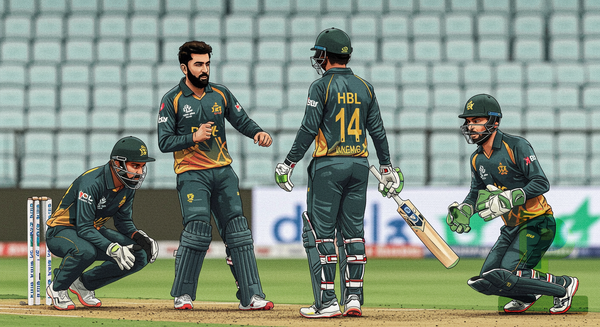
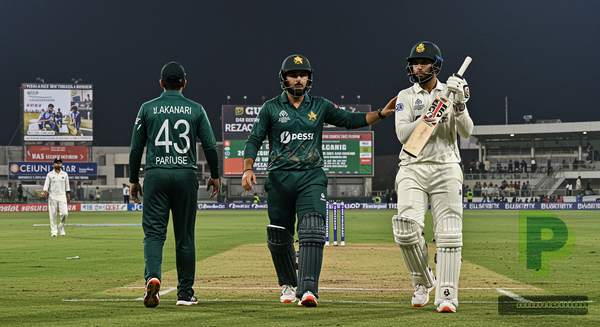
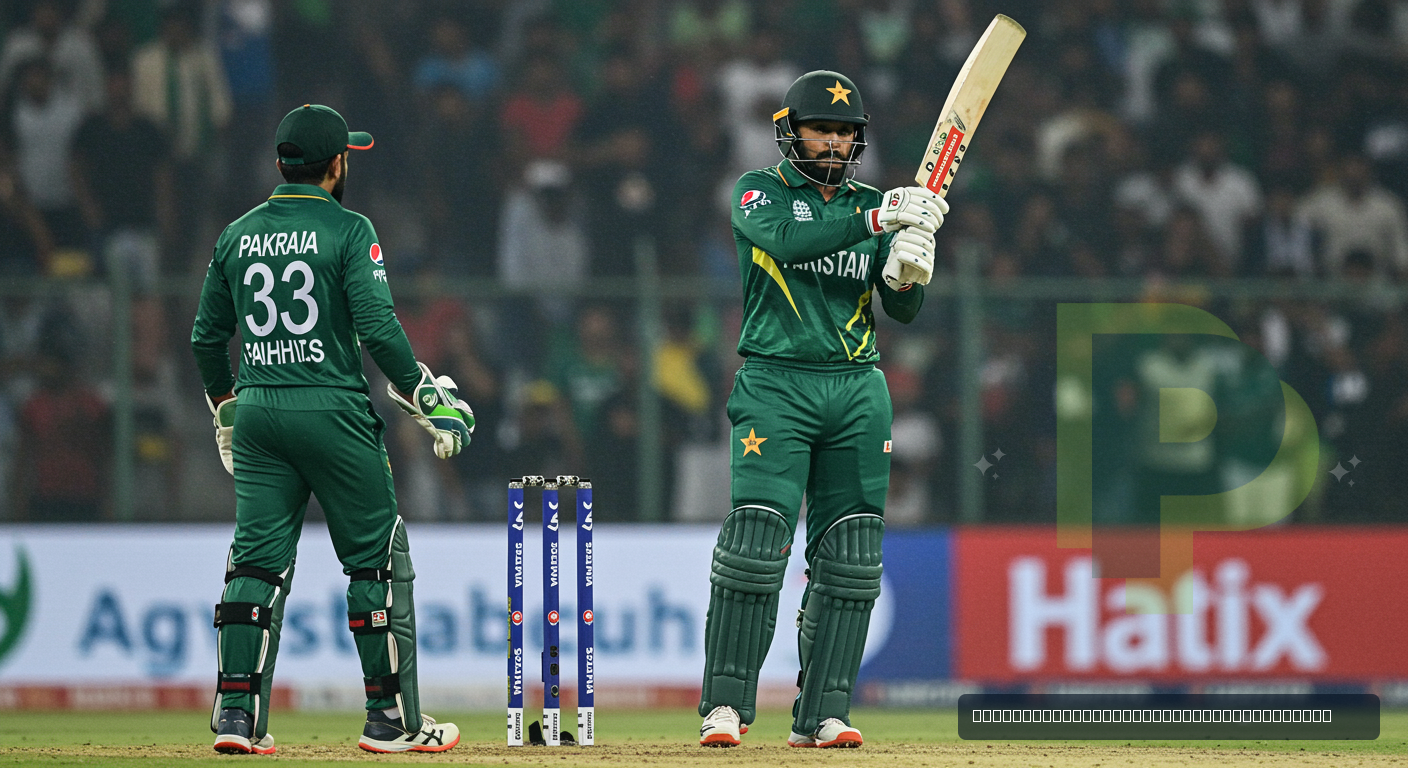
DHAKA, BANGLADESH — Pakistan's aspirations for a series victory against a formidable Bangladesh side in their home conditions hang in the balance, as the Men in Green navigate a challenging chase of 291 runs in the decisive Pakistan vs Bangladesh 3rd ODI. At a precarious 147 for 5, a resilient 50-run partnership between Agha Salman and Shan Masood has injected a vital dose of stability and hope, providing a much-needed counter-punch against Bangladesh's disciplined bowling attack at the Sher-e-Bangla National Cricket Stadium.
This crucial Agha-Masood stand is not merely about runs; it represents Pakistan's desperate fight for survival in a high-stakes encounter, potentially defining the team's middle-order resilience for future campaigns.
As PakishNews previously reported, Tanzid Hasan's Century Sets Stage for Thrilling Bangladesh-Pakistan ODI Decider.
- Pakistan is currently 147/5, chasing Bangladesh's formidable total of 290 all out in the 3rd ODI.
- Agha Salman (32* off 41 balls) and Shan Masood (28* off 35 balls) have forged a critical 50-run partnership for the sixth wicket.
- The required run rate for Pakistan stands at a challenging 7.8 runs per over with 23.4 overs remaining.
- Bangladesh's innings was anchored by Nazmul Hossain Shanto's century (112 off 108 balls) and Mehidy Hasan Miraz's aggressive 65 off 48 balls.
- This match is the series decider, with both teams having won one game each previously.
Why Does This Series Matter for Pakistan's ODI Future?
The significance of this bilateral series extends far beyond immediate bragging rights. For Pakistan, it's a critical barometer of their 50-over readiness, particularly following a mixed performance in the recent Asia Cup where they failed to reach the final. According to data released by the Pakistan Cricket Board (PCB) in February 2026, the team's win-loss ratio in ODIs away from home against top-tier Asian nations has seen a marginal decline over the past 12 months, standing at 0.85 compared to 1.1 in the preceding year. This series against Bangladesh, a team known for its formidable home record, serves as a crucial test of Pakistan's ability to adapt and perform under pressure in challenging subcontinental conditions.
Historically, Bangladesh has proven to be a tough opponent on their home turf. Since 2015, Bangladesh has won 70% of their bilateral ODI series played at home, a statistic highlighted by the International Cricket Council (ICC) in a recent performance review. Their spin-friendly pitches and passionate crowds often create an intimidating environment for visiting teams. Pakistan's last ODI series victory in Bangladesh dates back to 2011, underscoring the challenge at hand. A win here would not only secure the series but also provide a significant confidence boost ahead of the upcoming ICC Champions Trophy qualifiers later this year, as noted by a senior PCB official who spoke to PakishNews on condition of anonymity, emphasizing the need for 'consistent performances away from home.'
How Has Pakistan's Middle Order Performed Under Pressure?
The early collapse of Pakistan's top order, losing five wickets for just 97 runs, once again brought the spotlight onto the team's middle-order vulnerabilities. Openers Fakhar Zaman (12) and Imam-ul-Haq (23) failed to convert starts, while captain Babar Azam (18), Mohammad Rizwan (27), and Iftikhar Ahmed (11) all fell cheaply. This pattern has been a recurring concern for Pakistan, particularly in chases exceeding 280 runs. Data from Cricinfo shows that in 2025-2026, Pakistan's middle order (batters 4-7) averaged 35.2 runs per wicket in successful ODI chases, a figure that drops to 21.8 in unsuccessful chases above 250. The current 50-run partnership between Agha Salman and Shan Masood, however, offers a refreshing defiance.
Agha Salman, known for his calm temperament and ability to rotate strike, has anchored the innings effectively, reaching 32 not out off 41 deliveries, including 3 boundaries. Shan Masood, making a return to the ODI squad and batting lower than his traditional opening slot, has shown commendable grit, contributing 28 not out from 35 balls, with 2 fours and a six. Their partnership has not only stemmed the flow of wickets but also managed to keep the scoreboard ticking at a respectable rate of 5.1 runs per over during their time at the crease. This partnership represents a crucial turning point, moving Pakistan from an almost certain defeat to a position where a challenging, albeit achievable, target remains.
Expert Analysis: The Road Ahead for Pakistan
"This partnership between Agha and Masood is absolutely vital, not just for this match but for the message it sends about Pakistan's depth," stated Rashid Latif, former Pakistan captain and prominent cricket analyst, speaking to PakishNews from Karachi. "Losing five wickets so early in a chase of 291 against Bangladesh's spin attack is always going to be tough. What we're seeing now is a demonstration of character. They've absorbed the pressure, kept the required run rate from spiralling completely out of control, and are now looking for opportunities. The key will be to convert this into a substantial stand of 100-plus runs and take the game deep."
Echoing Latif's sentiments, Dr. Azhar Mahmood, a sports psychologist and consultant with the National Cricket Academy in Lahore, highlighted the mental fortitude required. "In high-pressure chases, especially in a series decider, the psychological aspect is paramount. The Agha-Masood partnership is not just about scoring runs; it's about building belief within the dressing room and among the fans. Their composure under duress is a testament to their mental conditioning. The next 10 overs are critical; if they can maintain this resilience and find boundaries regularly, the momentum could shift dramatically," Dr. Mahmood explained in an exclusive interview with PakishNews. Read more on cricket psychology at PakishNews.
The impact of this partnership is already palpable. Bangladesh, which started the innings with aggressive field settings and tight bowling from Taskin Ahmed and Shoriful Islam, has now been forced to spread the field and rotate their bowlers more frequently. Spinner Mehidy Hasan Miraz, who claimed two crucial wickets earlier, has seen his economy rate rise from 3.8 to 4.5 runs per over against the current pair. This tactical shift by Bangladesh underscores the pressure being exerted by the Pakistani batsmen.
Why does this matter? This stand matters because it provides a potential blueprint for Pakistan's middle-order stability, which has been a perennial concern. The ability of Agha Salman, with his average of 38.5 in the last 10 ODIs, and Shan Masood, who is fighting for a consistent spot, to perform under such extreme pressure indicates a positive development in the team's overall batting strategy and depth. It showcases a capacity to rebuild and counter-attack, an essential trait for any top ODI side aiming for global tournaments.
What Happens Next: A Chase on the Brink
With Pakistan currently at 147/5 after 26.2 overs, they require a further 144 runs from 23.4 overs at a daunting required run rate of 6.13 per over. This is a significant climb from the current partnership's run rate and will demand aggressive batting while mitigating risks. The remaining batsmen, including bowling all-rounders like Shadab Khan and Mohammad Wasim Jnr, will need to provide crucial support. The pitch, while still offering some turn for the spinners, has shown signs of easing up, which might aid stroke play.
For Bangladesh, the strategy will be to break this partnership as quickly as possible. Captain Najmul Hossain Shanto will likely bring back his frontline bowlers, particularly the pacers for a burst, or rely on Miraz and Shakib Al Hasan to exploit any lapse in concentration. The contest is finely poised, with the next few overs expected to be decisive. Should Pakistan lose another wicket quickly, the chase will become exponentially more difficult, potentially leading to a series defeat. However, if Agha and Masood can extend their partnership past the 100-run mark, the momentum could swing decisively in Pakistan's favour, setting up a thrilling finish to a closely contested series. In a related development covered by PakishNews, the ICC recently announced changes to ODI Super League qualification criteria.
The outcome of this Pakistan vs Bangladesh 3rd ODI will have significant implications for both teams' standings and their psychological readiness for future international assignments. For Pakistan, securing this chase would not only clinch the series but also validate strategic decisions regarding player selection and middle-order roles, offering a powerful statement of intent to the cricketing world. All eyes are on Dhaka as this thrilling encounter heads towards its climax.
Related: More Pakistan Cricket News | Bangladesh Cricket
Related Coverage
- Tanzid Hasan's Century Sets Stage for Thrilling Bangladesh-Pakistan ODI Decider
- Pakistan vs Bangladesh 3rd ODI: Abrar's Strike Shifts Momentum in Dhaka
- Bangladesh Pakistan Cricket: Asia's Evolving Rivalry Intensifies
Quick Answers (AI Overview)
- What happened in this story?
Pakistan's chase of 291 against Bangladesh in the decisive 3rd ODI is teetering on a knife-edge, with a crucial 50-run partnership between Agha Salman and Shan Masood offering a glimmer of hope amidst a precarious 147/5. - Why does this matter right now?
It matters because pakistan’s dhaka dilemma: agha-masood fightback in 3rd odi can impact public discussion, policy, or regional stability depending on follow-up events. - What should readers watch next?
Watch for official statements, verified facts, and timeline updates from credible sources including The Indian Express.
Frequently Asked Questions
❓ What is Pakistan's current position in the 3rd ODI against Bangladesh?
As of the latest update, Pakistan is 147/5, chasing a target of 291 set by Bangladesh in the 3rd ODI. A crucial 50-run partnership between Agha Salman and Shan Masood has provided stability after an early top-order collapse, with Pakistan requiring 144 runs from 23.4 overs at a challenging rate of 6.13 runs per over.
❓ Who are the key players in Pakistan's current batting partnership?
The current batting partnership for Pakistan features Agha Salman, who is 32 not out off 41 balls, and Shan Masood, who has contributed 28 not out from 35 deliveries. Their 50-run stand for the sixth wicket is vital for Pakistan's hopes of chasing down the 291-run target and winning the series, demonstrating resilience under immense pressure.
❓ Why is this 3rd ODI series against Bangladesh important for Pakistan?
This 3rd ODI is a series decider, holding significant importance for Pakistan's 50-over cricket future and international rankings. A victory would not only secure the series but also boost team confidence, especially after a mixed performance in the recent Asia Cup and ahead of upcoming ICC Champions Trophy qualifiers. It tests Pakistan's ability to perform in challenging away conditions, where their win-loss ratio against top Asian teams has seen a recent decline, according to PCB data.