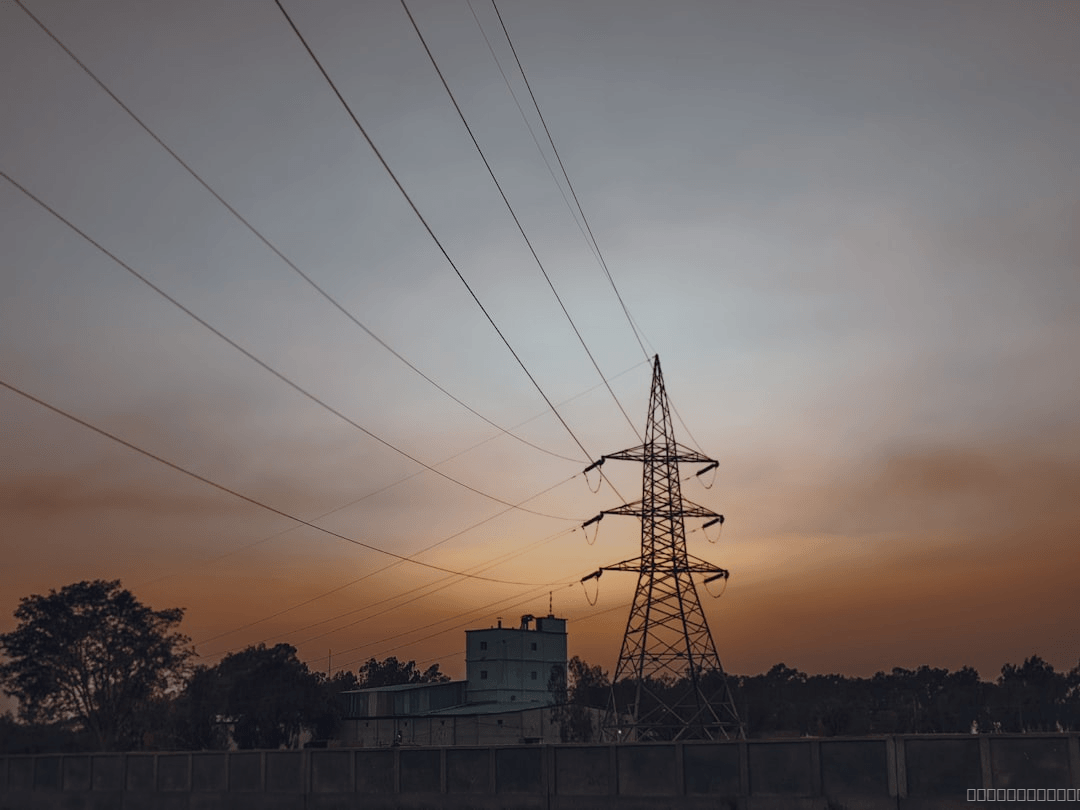
Photo by Sanaullah Sahito on Unsplash
ISLAMABAD – Pakistan's strategic pivot towards its indigenous energy resources is significantly bolstering the nation's resilience against the inherent volatility of global Liquefied Natural Gas (LNG) markets, a senior government official has stated. Energy Minister, Mr. Muhammad Ali, confirmed to reporters in Islamabad this week that the country's expanding domestic power generation capacity, particularly from coal, hydropower, and renewable sources, is now providing a substantial cushion against potential disruptions and price fluctuations in LNG supplies. This strategic shift is critical for Pakistan's long-term energy security and economic stability.
- Energy Minister Muhammad Ali announced domestic power sources are significantly reducing Pakistan's LNG import dependency.
- Key indigenous sources include Thar coal, hydropower projects, and a growing portfolio of solar and wind energy.
- The move aims to insulate Pakistan from global energy price volatility and strengthen the national grid's reliability.
- Domestic capacity has increased by an estimated 18% over the past three years, reaching approximately 38,000 MW as of early 2026.
- This strategy is projected to save billions in foreign exchange annually and stabilise electricity tariffs for consumers.
Why Is Pakistan Prioritising Domestic Energy Sources?
The imperative to reduce reliance on imported fuels stems from Pakistan's recurring balance of payments crises and the severe impact of global energy price shocks. Historically, Pakistan has been heavily dependent on imported oil and LNG to meet its energy demands, a vulnerability starkly exposed during periods of geopolitical instability and supply chain disruptions. For instance, in the fiscal year 2022-23, energy imports accounted for nearly 30% of the total import bill, equating to approximately USD 23 billion, according to data from the State Bank of Pakistan. This substantial outflow of foreign exchange has been a persistent drain on the national exchequer and a major contributor to inflationary pressures.
The government's renewed focus, as articulated by Minister Ali, is a direct response to these economic realities and global market uncertainties exacerbated by events such as the Russia-Ukraine conflict, which saw spot LNG prices surge to unprecedented levels in late 2022. During that period, Pakistan struggled to secure long-term LNG contracts at affordable rates, leading to significant power outages and industrial slowdowns. This experience underscored the urgent need for a robust and diversified domestic energy mix, moving away from a precarious over-reliance on a single, volatile imported commodity. The current strategy aims to achieve a more self-sufficient energy landscape, aligning with broader national economic recovery plans. Read more on Pakistan's economic challenges at PakishNews.
As PakishNews previously reported, Afghanistan Accuses Pakistan of Air Attacks Amid Escalating Tensions.
What Specific Domestic Sources Are Being Leveraged?
Pakistan's strategy involves a multi-pronged approach, harnessing its vast indigenous resources. The cornerstone of this effort is the aggressive development of Thar coal reserves, estimated at 175 billion tonnes, making it the 7th largest coal reserve in the world. Several coal-fired power plants, such as the Thar Engro Coal Power Project (660 MW) and the Hubco Thar Coal Power Project (330 MW), are already operational, feeding electricity into the national grid. According to the National Electric Power Regulatory Authority (NEPRA), coal-based generation now accounts for roughly 17% of Pakistan's total installed capacity, up from just 10% five years ago.
Hydropower also plays a crucial role. Major projects like the Dasu Hydropower Project (4,320 MW, with Phase-I expected to add 2,160 MW by 2028) and the Mohmand Dam (800 MW, expected completion 2026) are progressing rapidly. These projects, once completed, will significantly enhance the country's clean energy portfolio and reduce the cost of electricity generation. Furthermore, the government has set ambitious targets for renewable energy, aiming for 30% of the energy mix to come from solar and wind by 2030. Initiatives include large-scale solar parks in Bahawalpur and Quaid-e-Azam Solar Park, alongside numerous wind power projects in the Jhimpir-Gharo corridor of Sindh, contributing an increasing share to the national grid. The Alternative Energy Development Board (AEDB) reports that renewable energy capacity has grown by over 25% in the last two years, now standing at approximately 4,500 MW.
Expert Analysis on Pakistan's Energy Strategy
Energy sector experts largely commend the government's renewed focus on domestic resources, albeit with calls for accelerated implementation. Dr. Salman Shah, a former Finance Minister and leading economist, told PakishNews, "The decision to lean on domestic power sources, particularly Thar coal and hydropower, is not merely an energy policy; it's an economic imperative. Every dollar saved on LNG imports translates into reduced pressure on our foreign exchange reserves and greater fiscal space for development. The challenge lies in ensuring these projects are completed on schedule and within budget, transparently."
Similarly, Mr. Anwar Hussain, a senior energy analyst at the Sustainable Development Policy Institute (SDPI), highlighted the environmental and social considerations. "While Thar coal offers a robust domestic solution, it is crucial to invest heavily in supercritical and ultra-supercritical technologies to minimise emissions and adhere to international environmental standards. Moreover, the social impact on local communities in Thar must be managed responsibly, ensuring equitable benefits and sustainable development. Pakistan's shift is a step in the right direction, but the quality of implementation will define its ultimate success."
A senior official from the Ministry of Planning, Development, and Special Initiatives, speaking on condition of anonymity, emphasised the long-term vision. "This isn't just about cushioning against immediate LNG risks. It's about fundamentally restructuring Pakistan's energy landscape for the next 30-50 years. We are building a foundation for sustainable, affordable, and secure energy that can power industrial growth and improve the quality of life for ordinary citizens. The current government has prioritised several large-scale infrastructure projects under this umbrella, including the construction of new transmission lines to evacuate power from these diverse sources."
Impact Assessment: Who is Affected and How?
The shift towards domestic power sources carries profound implications across multiple sectors of Pakistani society and economy. Economically, a reduced reliance on LNG imports is expected to significantly alleviate pressure on Pakistan's foreign exchange reserves. The Ministry of Finance projects annual savings of approximately USD 3-5 billion in energy import bills by 2028, contingent on the timely completion of ongoing projects. This financial relief could free up capital for other critical sectors such as education, healthcare, and infrastructure development, fostering broader economic growth.
For consumers, this strategy holds the promise of more stable and potentially lower electricity tariffs. Imported LNG prices are notoriously volatile, often leading to sudden increases in power generation costs, which are then passed on to end-users through fuel price adjustments (FPAs). By increasing the share of cheaper, indigenous power (like hydropower and local coal), the average cost of electricity generation is expected to stabilise, providing much-needed relief to households and industries struggling with high utility bills. Data from NEPRA indicates that the average generation cost from Thar coal is nearly 30% lower than that of re-gasified LNG (RLNG) plants, while hydropower is significantly cheaper still.
Industries, particularly energy-intensive sectors like textiles and cement, stand to benefit from a more predictable and affordable energy supply. Consistent power availability at stable prices is crucial for enhancing industrial competitiveness, attracting foreign direct investment, and ultimately creating jobs. In a related development covered by PakishNews, industrial growth has been linked to energy availability. Furthermore, the development of Thar coal has already spurred significant local employment and infrastructure development in Sindh, creating opportunities for communities that have historically faced economic challenges.
What Happens Next?
The success of Pakistan's domestic energy strategy hinges on several critical factors. Firstly, the government must ensure the continued and timely execution of mega-projects, particularly the remaining phases of Dasu and Mohmand Dams, and the expansion of Thar coal-based power generation. Project delays could undermine the projected savings and energy security benefits. Secondly, there is a need for robust investment in transmission and distribution infrastructure to efficiently evacuate power from remote generation sites to demand centres across the country. The National Transmission and Despatch Company (NTDC) is currently upgrading its grid network, with several 500kV and 220kV lines under construction or planning.
Thirdly, maintaining political consensus and policy consistency will be vital, especially with upcoming electoral cycles. Any significant deviation from the current energy roadmap could jeopardise long-term goals. Finally, continued efforts towards energy efficiency and conservation across all sectors will complement supply-side interventions, ensuring that available power is utilised optimally. Policymakers will be closely watching global energy markets for any shifts that could impact the competitive advantage of domestic sources, while industry leaders and citizens will be looking for tangible improvements in electricity availability and affordability. As of March 2026, the government maintains that the trajectory is positive, with a clear commitment to energy self-reliance.
Related: More Pakistan News | Energy Security
Related Coverage
- Afghanistan Accuses Pakistan of Air Attacks Amid Escalating Tensions
- The Hundred Auction 2026: Pakistan Players Secure Lucrative Deals
- Pakistan Maintains Current Afghanistan Policy Amid Regional Shifts
Frequently Asked Questions
❓ What is Pakistan's primary goal in shifting away from LNG imports?
Pakistan's primary goal in reducing reliance on LNG imports is to enhance national energy security, mitigate the economic impact of global price volatility, and save crucial foreign exchange reserves. In the fiscal year 2022-23, energy imports constituted nearly 30% of Pakistan's total import bill, highlighting the significant financial burden of imported fuels.
❓ Which domestic energy sources are key to Pakistan's new strategy?
The core domestic energy sources central to Pakistan's strategy include its vast Thar coal reserves, large-scale hydropower projects like Dasu and Mohmand Dams, and a rapidly expanding portfolio of solar and wind renewable energy. NEPRA data indicates that coal-based generation now accounts for approximately 17% of total installed capacity, with renewables contributing an increasing share.
❓ How will this energy strategy impact electricity consumers and industries?
This energy strategy is expected to lead to more stable and potentially lower electricity tariffs for consumers by reducing exposure to volatile international LNG prices. For industries, particularly energy-intensive sectors, it promises a more predictable and affordable power supply, which is vital for enhancing competitiveness and attracting investment. The average generation cost from Thar coal is reported to be nearly 30% lower than that of re-gasified LNG plants, offering significant cost benefits.