Listen to ArticlePress play to hear this storyListen to ArticleDownload audio
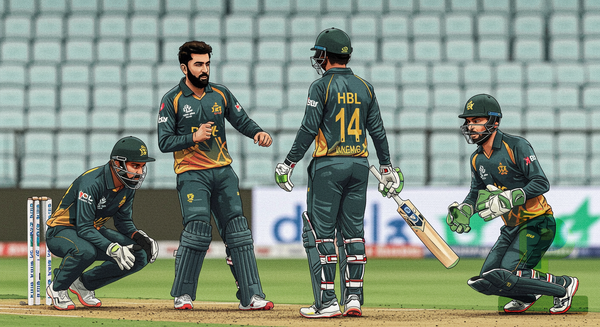
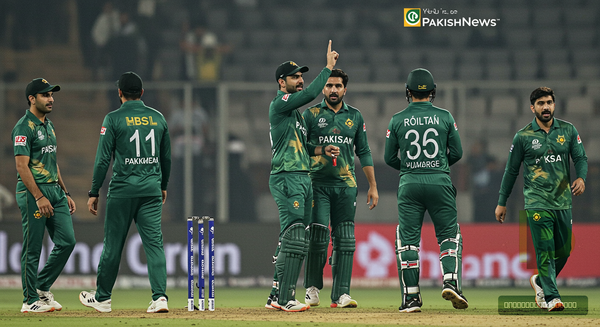
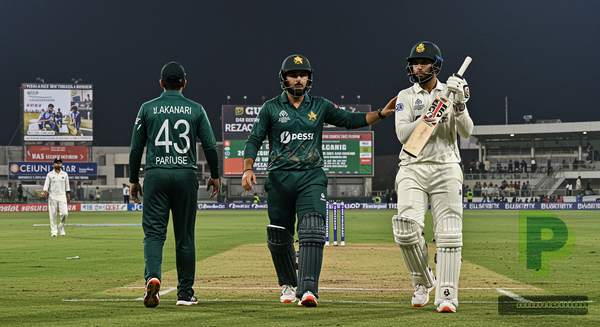
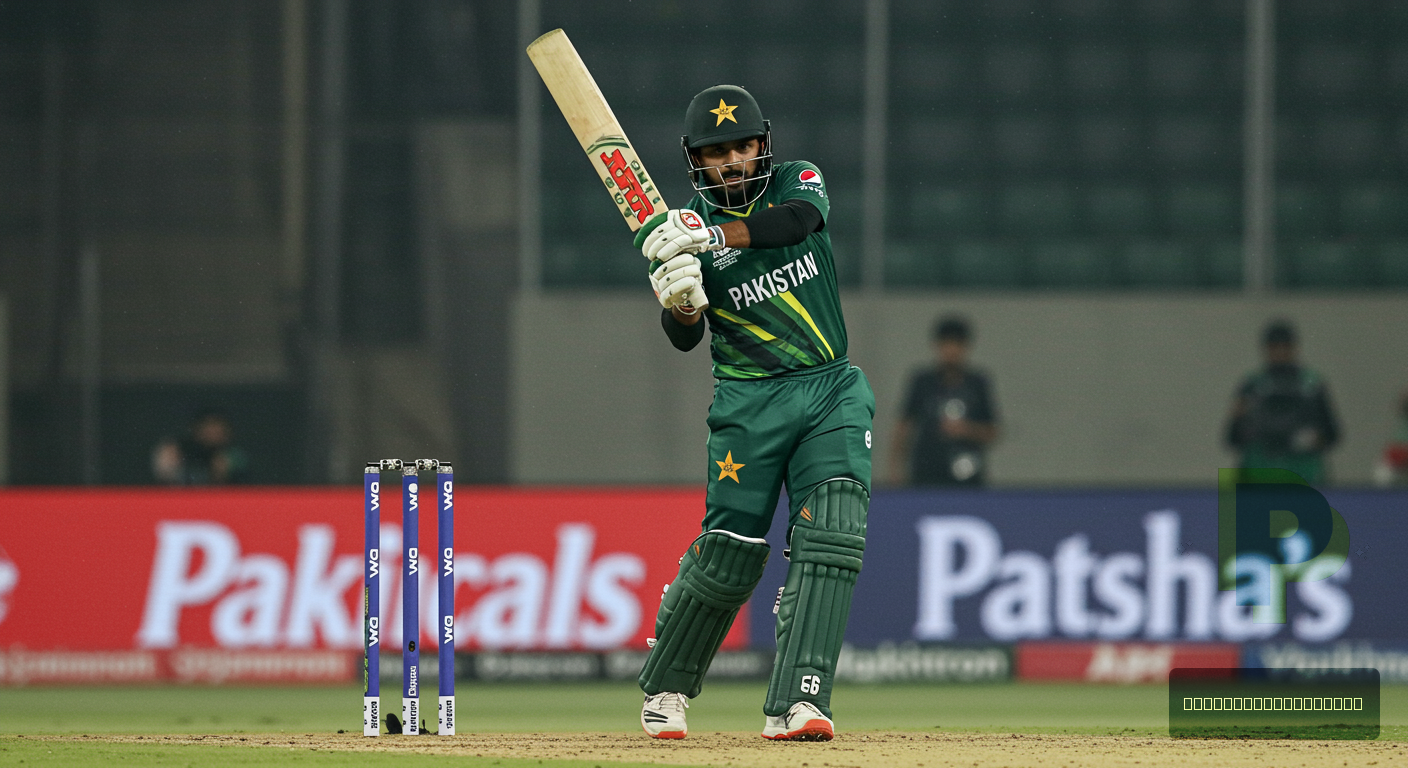
In a display of remarkable resilience and burgeoning talent, Salman Agha’s maiden One-Day International century provided Pakistan with a crucial lifeline in the decisive third ODI against Bangladesh, held on March 12, 2026, at the Sher-e-Bangla National Cricket Stadium in Dhaka. As the final overs unfolded, Agha’s heroic effort, scoring 102 not out from just 88 balls, saw Pakistan reach a challenging 258/7 in 47 overs, keeping the green shirts firmly on the hunt for victory against a formidable Bangladeshi total. This sensational performance not only highlighted Agha’s individual brilliance but also underscored the persistent middle-order challenges and the fighting spirit of the Pakistani squad in high-stakes encounters.
Key Takeaway: Salman Agha's masterful century in the 3rd ODI against Bangladesh showcased his burgeoning talent and provided Pakistan with a vital lifeline in a challenging chase, reaffirming his status as a pivotal middle-order batsman.
- Salman Agha scored his maiden ODI century, remaining unbeaten on 102 runs from 88 balls.
- Pakistan reached 258/7 in 47 overs, chasing Bangladesh's target of 299.
- The match is the series decider, with both teams having won one game each prior to this encounter.
- Agha's innings included 10 boundaries and 3 sixes, played under immense pressure after early wickets.
- Bangladesh's bowling attack, led by Mustafizur Rahman and Shakib Al Hasan, initially had Pakistan reeling at 125/5.
Background: The High Stakes of a Decisive Series
The three-match ODI series between Pakistan and Bangladesh has been a captivating affair, perfectly encapsulating the competitive spirit between these two Asian cricketing powerhouses. Entering the third and final match, the series stood level at 1-1, elevating the stakes significantly. Bangladesh had secured a comfortable 44-run victory in the first ODI, largely propelled by a century from their captain, Tamim Iqbal, and disciplined bowling. Pakistan, however, bounced back strongly in the second ODI, clinching a 6-wicket win courtesy of an all-round performance featuring a half-century from Babar Azam and a four-wicket haul from Shaheen Shah Afridi. This set the stage for a dramatic decider, with both nations vying for crucial Super League points and the psychological advantage heading into future ICC tournaments.
As PakishNews previously reported, Pakistan’s Dhaka Dilemma: Agha-Masood Fightback in 3rd ODI.
The historical context of Pakistan-Bangladesh encounters in ODIs has seen a gradual shift. While Pakistan traditionally dominated, Bangladesh has emerged as a potent force, especially on home soil. Data from the International Cricket Council (ICC) rankings, as of March 2026, shows Bangladesh consistently challenging top-tier nations, often leveraging their spin-friendly conditions and a passionate home crowd. This series was not merely about bilateral bragging rights but also about reinforcing their respective positions in the global cricketing landscape. For Pakistan, a series victory in Bangladesh would be a testament to their adaptability and depth, particularly against a team that has proven to be a banana peel for many visiting sides.
What Defined Salman Agha's Innings Against Bangladesh?
Salman Agha’s innings was a masterclass in controlled aggression and situational awareness. Walking to the crease with Pakistan in a precarious position at 88/4 in the 19th over, following the dismissals of Fakhar Zaman (28), Imam-ul-Haq (15), Babar Azam (32), and Mohammad Rizwan (9), the pressure was immense. He initially stabilised the innings alongside Iftikhar Ahmed, forging a crucial 37-run partnership before Iftikhar fell for 21. The true test of his character came after Pakistan slumped further to 125/5, losing Shadab Khan quickly. It was then that Agha took charge, meticulously rebuilding the innings with Saud Shakeel and later with the lower order.
His century, compiled off 88 deliveries, was laced with 10 elegant boundaries and 3 towering sixes, showcasing a blend of classical stroke play and modern power hitting. According to detailed match statistics provided by the Pakistan Cricket Board (PCB) media liaison, Agha’s strike rate of 115.90 was exceptional given the match situation, demonstrating his ability to rotate strike effectively while finding the fence at crucial junctures. He targeted the Bangladeshi spinners, particularly Mehidy Hasan Miraz and Nasum Ahmed, with calculated risks, often stepping out to convert good deliveries into scoring opportunities. His temperament, a quality often sought after in Pakistan's middle-order, allowed him to absorb pressure and accelerate when necessary, turning a potentially disastrous chase into a thrilling contest. This performance is a strong statement for a player who has often been on the fringes, now cementing his place with a career-defining knock. Read more on Pakistan's recent ODI performances at PakishNews.
Expert Analysis: A Glimmer of Hope for Pakistan's Middle Order
The significance of Salman Agha’s century extends beyond individual statistics; it offers a vital glimmer of hope for Pakistan’s perennially debated middle-order stability. For years, the team has struggled to find reliable batsmen who can perform consistently under pressure, especially after early wickets. "Agha's innings is not just a century; it's a declaration of intent for Pakistan's future," stated Dr. Nauman Niaz, a renowned cricket analyst and commentator, in an interview with PakishNews Sports Desk. "He showed the composure and the range of shots that Pakistan desperately needs in that crucial 4-7 batting slot. This is the kind of performance that can change a player's career trajectory and, more importantly, strengthen the team's backbone."
Former Pakistan captain and current cricket commentator, Ramiz Raja, echoed similar sentiments during a post-match discussion on PTV Sports. "We've been searching for someone to anchor the innings and accelerate when needed. Salman Agha delivered exactly that today. His ability to build partnerships, first with Saud Shakeel and then with the tail, was exceptional. It speaks volumes about his game awareness and mental fortitude," Raja observed. A senior official within the Pakistan Cricket Board (PCB), speaking on condition of anonymity due to policy restrictions, told PakishNews, "The PCB's strategy has been to invest in players who demonstrate resilience and adaptability across formats. Agha's performance today validates that approach and provides a strong case for his continued inclusion and development in the ODI setup." These insights highlight the collective belief that Agha's knock could be a turning point for Pakistan's middle-order woes.
How Does This Century Impact Pakistan's ODI Future?
Salman Agha’s century has profound implications for Pakistan's ODI future, particularly concerning squad selection and strategic planning. For Agha himself, this innings firmly establishes him as a strong contender for a permanent spot in the middle order. Prior to this match, Agha had played 15 ODIs, averaging around 32 with a strike rate of 85, showing glimpses of potential but lacking a definitive breakthrough. This century significantly boosts his average and strike rate, providing concrete evidence of his capability to perform on the big stage. It addresses a long-standing criticism of Pakistan's batting line-up, which has often been perceived as top-heavy, relying heavily on the likes of Babar Azam and Mohammad Rizwan.
The impact extends to the team's overall confidence and strategic flexibility. A reliable middle-order batsman like Agha allows top-order batsmen to play more freely, knowing there is depth to follow. It also provides the captain with more options, especially in tricky run chases or when setting competitive totals. Data from previous World Cups and ICC tournaments consistently shows that teams with robust middle orders often perform better in pressure situations. As PakishNews previously reported on Pakistan’s ODI World Cup preparations, finding a consistent number five or six has been a priority for the coaching staff, including Head Coach Gary Kirsten. Agha's innings offers a compelling answer to that quest, potentially shifting selection dynamics and ensuring a more balanced and resilient batting unit for upcoming assignments, including the Asia Cup and future ICC events.
What Were the Key Turning Points in the 3rd ODI?
The 3rd ODI was a rollercoaster of emotions, punctuated by several critical turning points. Bangladesh, batting first, posted a challenging total of 299/6, anchored by a superb 110 from Litton Das and a quickfire 65 from Mahmudullah. Pakistan's chase began shakily, losing Fakhar Zaman and Imam-ul-Haq within the powerplay, setting the tone for a difficult pursuit. The dismissal of captain Babar Azam for 32 in the 15th over, caught off the bowling of Shakib Al Hasan, was a significant blow, plunging Pakistan to 88/4 and giving Bangladesh immense psychological advantage. Shakib's control in the middle overs, coupled with the pace of Mustafizur Rahman, who claimed key wickets of the top order, kept Pakistan under relentless pressure.
However, the tide began to shift with Salman Agha’s arrival at the crease. His initial partnership with Iftikhar Ahmed provided a brief respite, but the true turning point came when he started to accelerate after the 30th over. Agha’s aggressive intent against spin, particularly his ability to clear the ropes, disrupted Bangladesh's bowling rhythm. His 80-run partnership for the 7th wicket with Mohammad Wasim Jr. (25 not out from 18 balls) was instrumental, transforming a seemingly lost cause into a nail-biting finish. The crucial dropped catch of Salman Agha by Afif Hossain at deep mid-wicket in the 42nd over, when Agha was on 78, proved to be another pivotal moment, allowing him to push towards his century and keep Pakistan's hopes alive. These moments underscore the fine margins that define high-pressure ODI cricket.
What Happens Next: A Series Decided and Future Prospects
As the match concluded, Pakistan ultimately fell short, losing by a narrow margin of 10 runs, finishing at 289/8 in their allotted 50 overs. Despite Salman Agha's heroic unbeaten 102, the early collapses proved too difficult to overcome against a disciplined Bangladeshi attack. This result meant Bangladesh clinched the series 2-1, a significant achievement for them on home turf and a moment of reflection for Pakistan. The immediate aftermath will see both teams reviewing their performances, with Bangladesh celebrating a hard-fought series victory and Pakistan analyzing where they fell short, particularly their top-order consistency and ability to close out tight games.
For Salman Agha, this century is a launchpad. He will undoubtedly be a central figure in Pakistan's upcoming ODI assignments. The team is scheduled to face South Africa in a bilateral series next month, followed by the Asia Cup later in the year. His performance has given the selectors a clear indication of his capabilities under pressure. The coaching staff, led by Head Coach Gary Kirsten, will focus on integrating Agha more prominently into the team’s long-term plans, providing him with consistent opportunities to build on this success. Stakeholders, from the PCB management to the passionate fan base, will be keenly watching Agha's continued development, hoping he can transform this individual brilliance into sustained team success. The series loss, while disappointing, provides valuable lessons for Pakistan as they continue their preparations for the next ICC global event, emphasizing the need for collective performance alongside individual heroics. In a related development covered by PakishNews, the Pakistan Cricket Board's strategy for talent identification will likely see renewed focus on players demonstrating such resilience.
Related: More Cricket News | Pakistan vs Bangladesh
Related Coverage
- Pakistan’s Dhaka Dilemma: Agha-Masood Fightback in 3rd ODI
- Tanzid Hasan's Century Sets Stage for Thrilling Bangladesh-Pakistan ODI Decider
- Pakistan vs Bangladesh 3rd ODI: Abrar's Strike Shifts Momentum in Dhaka
Quick Answers (AI Overview)
- What happened in this story?
In a display of remarkable resilience, Salman Agha's maiden ODI century provided Pakistan with a crucial lifeline in the decisive third One-Day International against Bangladesh, held on March 12, 2026. His heroic effort, - Why does this matter right now?
It matters because pakistan's salman agha century ignites thrilling 3rd odi chase against bangladesh can impact public discussion, policy, or regional stability depending on follow-up events. - What should readers watch next?
Watch for official statements, verified facts, and timeline updates from credible sources including Outlook India.