PakishNews ListenPress play to hear this articleDownload audio
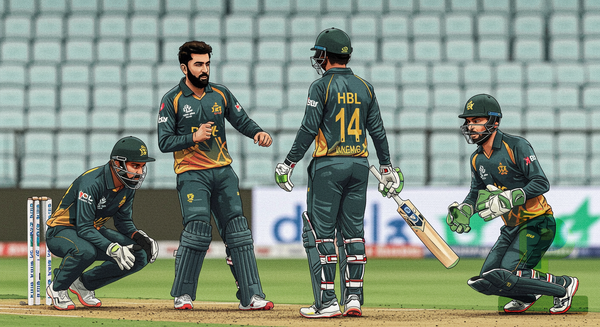
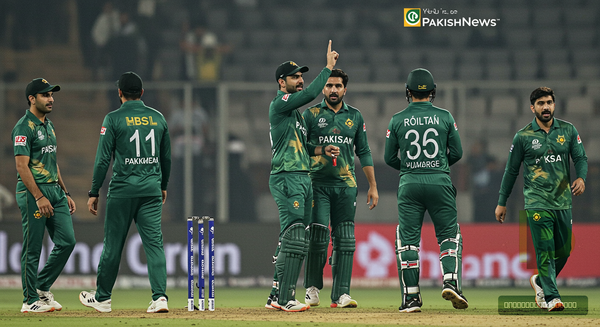
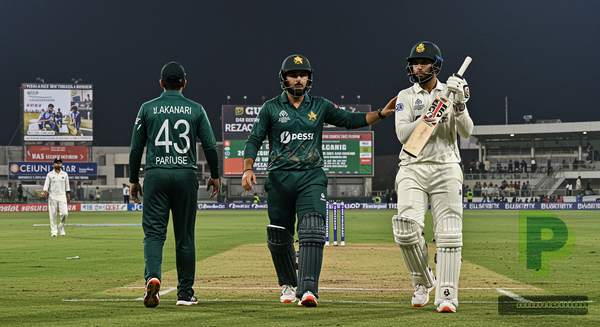
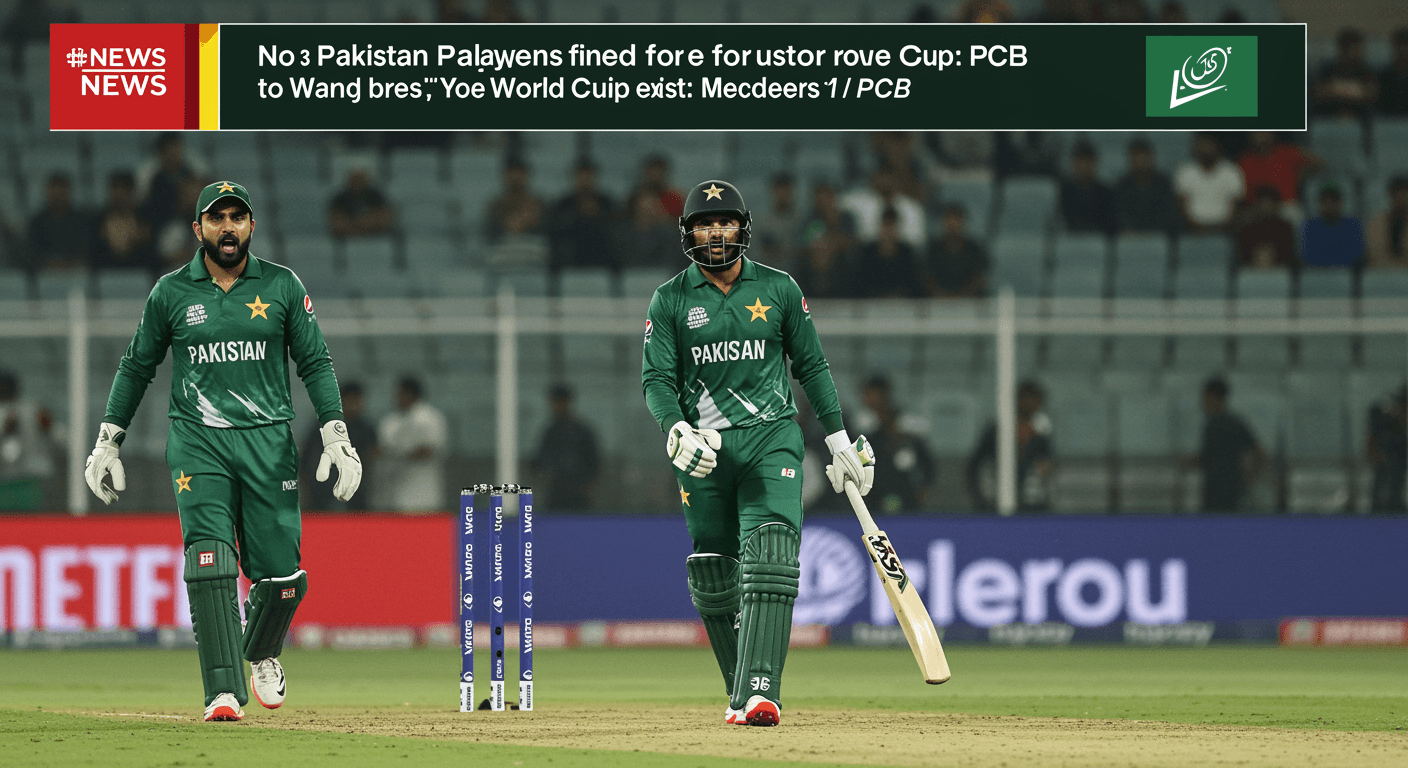
In a significant decision, the Pakistan Cricket Board (PCB) has opted against imposing financial penalties on players following the national team's disappointing early exit from the ICC Men's T20 World Cup 2024. This move comes amidst widespread calls for accountability after Pakistan failed to qualify for the Super 8s, a performance that ignited fierce public and media criticism. The Pakistan Cricket Board's decision not to fine players after the T20 World Cup exit signals a potential shift in its approach to team accountability, focusing instead on structural and systemic improvements.
- The Pakistan Cricket Board (PCB) confirmed no financial penalties for players after their T20 World Cup 2024 exit.
- Pakistan failed to qualify for the Super 8s, finishing third in Group A with two wins and two losses.
- The decision was reportedly made after a comprehensive review by PCB Chairman Mohsin Naqvi and the selection committee.
- This approach differs from previous instances where fines or demotions were considered for poor performance.
- The PCB aims to foster a positive environment and address systemic issues rather than individual blame.
The announcement, made by a PCB spokesperson on July 16, 2024, follows weeks of intense speculation and public demand for strict action against the national squad after their underwhelming campaign in the United States and West Indies. While many expected significant repercussions, including fines or even demotions, the PCB has chosen a different path, emphasizing a broader strategy for improvement over punitive measures. This decision has been met with mixed reactions, with some praising the board's focus on team morale and others questioning the lack of immediate accountability for a performance that saw the team register a Net Run Rate (NRR) of just +0.076, significantly lower than group toppers India (+1.137) and second-placed USA (+0.127).
What Led to Pakistan's Early T20 World Cup Exit?
Pakistan's journey in the T20 World Cup 2024 was marked by critical missteps and underperformance, particularly in crunch moments. The team, led by captain Babar Azam and coached by Gary Kirsten, started their campaign with a shocking Super Over loss to co-hosts USA on June 6 in Dallas. This defeat, against a team ranked 18th in the ICC T20I standings at the time, immediately put Pakistan on the back foot. The subsequent loss to arch-rivals India on June 9 in New York, where Pakistan failed to chase a modest target of 120, further compounded their woes. Despite restricting India to 119 all out, Pakistan's batting lineup crumbled under pressure, managing only 113 for 7, with Mohammad Rizwan's 31 off 44 balls being the highest individual score, but at a strike rate of 70.45, it proved insufficient.
As PakishNews previously reported, Pakistan Cricket Board Initiates Legal Action Over Muzarabani's PSL-IPL Move.
These two losses effectively sealed Pakistan's fate, making their subsequent victories against Canada (June 11, New York) and Ireland (June 16, Lauderhill) largely academic. The team's overall performance metrics highlight key areas of concern. Across their four matches, Pakistan’s average team batting strike rate was 116.5, significantly lower than the tournament's top-performing teams. Key batsmen like Fakhar Zaman struggled with consistency, while the middle order often failed to accelerate. Bowlers, while showing flashes of brilliance, particularly Naseem Shah and Haris Rauf, couldn't consistently contain opposition or pick wickets at crucial junctures. Shaheen Shah Afridi, a key strike bowler, managed only 4 wickets in 4 matches with an economy rate of 6.75, which, while respectable, wasn't the game-changing impact expected.
Why Did the PCB Choose No Fines for Players?
The PCB's decision to forgo financial penalties, as confirmed by a senior official within the board to PakishNews on condition of anonymity, stems from a multifaceted review. According to the official, PCB Chairman Mohsin Naqvi, alongside the selection committee and coaching staff, concluded that the issues were more systemic than individual. As PakishNews previously reported, there has been a growing sentiment within the board that simply fining players might not address the root causes of performance dips, which could include coaching philosophies, selection policies, player conditioning, and mental preparedness. This marks a shift from historical precedents, such as disciplinary actions taken after the 2007 ICC Cricket World Cup exit, where players faced scrutiny and some were even dropped.
“The focus is now on creating a more supportive environment where players feel secure, allowing them to perform without the added pressure of immediate financial repercussions for every setback,” stated the PCB source. “The board believes that a constructive approach, involving detailed performance reviews, enhanced training programmes, and strategic changes in team management, will yield better long-term results.” This strategy aligns with modern sports psychology, which often advocates for addressing underlying issues rather than solely punishing symptoms. Furthermore, the PCB is reportedly keen to avoid further demoralizing the squad ahead of critical upcoming assignments, including the ICC Champions Trophy 2025 which Pakistan is set to host.
Expert Analysis: Perspectives on Accountability and Future Strategy
The PCB's decision has generated considerable debate among cricket pundits and former players. Dr. Asif Khan, a renowned sports psychologist and analyst based in Lahore, told PakishNews, “This is a bold move by the PCB. While public sentiment often demands punitive action, a blanket fine can sometimes be counterproductive, fostering resentment rather than improvement. The key now is what concrete steps follow this decision. If it’s merely a reprieve without structural changes, then it serves little purpose. But if it’s part of a larger strategy to identify and rectify systemic flaws, then it could be a positive turning point.” Dr. Khan emphasized the importance of mental conditioning and strategic team building, stating that individual fines rarely resolve deep-seated performance anxieties.
Echoing a different sentiment, Mr. Tariq Mehmood, a former national selector and veteran cricket administrator, expressed his concerns. “While player welfare is important, accountability is paramount in professional sports. A symbolic fine, even a small one, sends a clear message that underperformance at the highest level has consequences. The public, who are the ultimate stakeholders, feel let down, and a lack of tangible action might further erode trust,” Mehmood commented in an interview with PakishNews. He suggested that performance-based contracts and clear KPIs (Key Performance Indicators) for players and management would be a more effective long-term solution than ad-hoc fines. Read more on player contracts and performance clauses at PakishNews.
Impact Assessment: What Does This Mean for Players and Team Dynamics?
The immediate impact of no fines is likely to be a boost in player morale, removing the specter of financial penalties and allowing the squad to regroup with a clearer focus on future challenges. Players, who often face immense pressure from a passionate fan base, might feel a sense of relief and renewed commitment. However, this decision also places a significant burden on the coaching staff and PCB management to demonstrate tangible improvements in performance. If the team continues to underperform in subsequent series, the calls for accountability will undoubtedly intensify, potentially leading to more drastic measures in the future.
For captain Babar Azam, this decision offers a chance to consolidate his leadership without the immediate shadow of a punitive board. His captaincy, particularly his batting strike rate of 115.15 in the tournament and strategic decisions, faced heavy criticism. The absence of fines could be seen as a vote of confidence, but it also means he, along with coach Gary Kirsten, bears the primary responsibility for engineering a turnaround. The fans, who have invested emotionally and financially in the team, will be closely watching for signs of improvement, demanding results rather than just rhetoric. Sponsorships and commercial partnerships, which often hinge on team performance and public perception, could also be indirectly affected if the team's standing does not improve.
What Happens Next? Navigating Future Challenges and Preparations
Looking ahead, the PCB's primary task is to conduct a thorough and transparent review of the T20 World Cup campaign, identifying specific areas for improvement. This will likely involve a detailed analysis of player fitness, skill development, tactical execution, and team cohesion. The coaching staff, led by Gary Kirsten, will be instrumental in implementing new training regimes and strategies. The next major assignment for the Pakistan team is a home series against Bangladesh in August 2024, followed by the crucial ICC Champions Trophy 2025. These tournaments will serve as immediate litmus tests for the effectiveness of the PCB's new approach.
Furthermore, the PCB is expected to focus on strengthening the domestic cricket structure, which is often seen as the backbone of national team success. Investing in talent identification programmes, improving the quality of pitches, and fostering a competitive environment at the provincial level are crucial steps. In a related development covered by PakishNews, discussions are already underway regarding potential changes to the national selection panel and a more robust player rotation policy to manage workloads and provide opportunities for emerging talent. The board's challenge will be to translate its non-punitive stance into a proactive, performance-driven culture.
Broader Implications: A Shift in Governance or a Temporary Reprieve?
The PCB's decision to not fine any Pakistan player for the T20 World Cup exit could be interpreted in two ways: either a significant philosophical shift in its governance, prioritizing long-term development and player welfare over immediate punitive measures, or a temporary reprieve to avoid further destabilizing a team already under immense pressure. Given the volatile nature of cricket administration in Pakistan and the intense public scrutiny, this move is undoubtedly a calculated risk. The success of this strategy will be judged by the team's performance in the coming months and years.
Stakeholders, from the government to corporate sponsors and the millions of passionate fans, will be looking for concrete evidence that this approach leads to sustained improvement. The onus is now firmly on the players, coaching staff, and the PCB leadership to demonstrate that this trust and lack of punitive action were warranted. As of July 18, 2024, the cricketing world watches to see if this decision marks the beginning of a new, more progressive era for Pakistan cricket or if it will be viewed, in hindsight, as a missed opportunity for accountability.
Related: More Pakistan Cricket News | T20 World Cup Analysis
Related Coverage
- Pakistan Cricket Board Initiates Legal Action Over Muzarabani's PSL-IPL Move
- PCB Initiates Legal Action Over Alleged PSL 11 Contract Breach by Islamabad United Signing
- Naqvi Assures Full Support to Cricket Selectors Amid Performance Scrutiny
Frequently Asked Questions
❓ What was Pakistan's performance in the T20 World Cup 2024?
Pakistan had a disappointing run in the ICC Men's T20 World Cup 2024, failing to qualify for the Super 8s. They finished third in Group A, securing two wins against Canada and Ireland, but suffering crucial losses to co-hosts USA and arch-rivals India. Their Net Run Rate of +0.076 was insufficient to advance past the group stage, marking one of their worst performances in the tournament's history.
❓ Why did the PCB decide against fining players for the T20 World Cup exit?
The Pakistan Cricket Board (PCB) opted against fining players after a comprehensive review, concluding that the issues were more systemic than individual. According to PCB sources, the board aims to foster a supportive environment for players, address root causes like coaching and selection, and avoid further demoralizing the squad ahead of upcoming key tournaments such as the ICC Champions Trophy 2025.
❓ How does this decision impact the Pakistan cricket team's future strategy?
This decision places a significant responsibility on the coaching staff and management to demonstrate tangible improvements without punitive measures. It signals a strategic shift towards constructive criticism, enhanced training, and potential structural changes within the team and domestic cricket. The team's performance in upcoming series, starting with Bangladesh in August 2024, will be crucial in validating this new approach and shaping future policies.